
2,104 views ·
4 replies
2k views
4 replies
Double layer drywall on uneven/Convex wall?
Hey there.
Wondering if anyone has experience with whether a double layer of drywall provides a better condition for a wall that is uneven and convex, or even concave, than a single layer.
Old house, and I imagine it moves a little etc., and thought that a tense and quite pressed single layer of drywall might crack and break much easier than a double layer. Not an option to tear down the original walls that unfortunately aren't perfectly straight, so working with what's there.
So is a double layer of drywall not only more visually appealing in the end but also "shares the load" of being on an uneven wall, or is it just a waste of time and money?
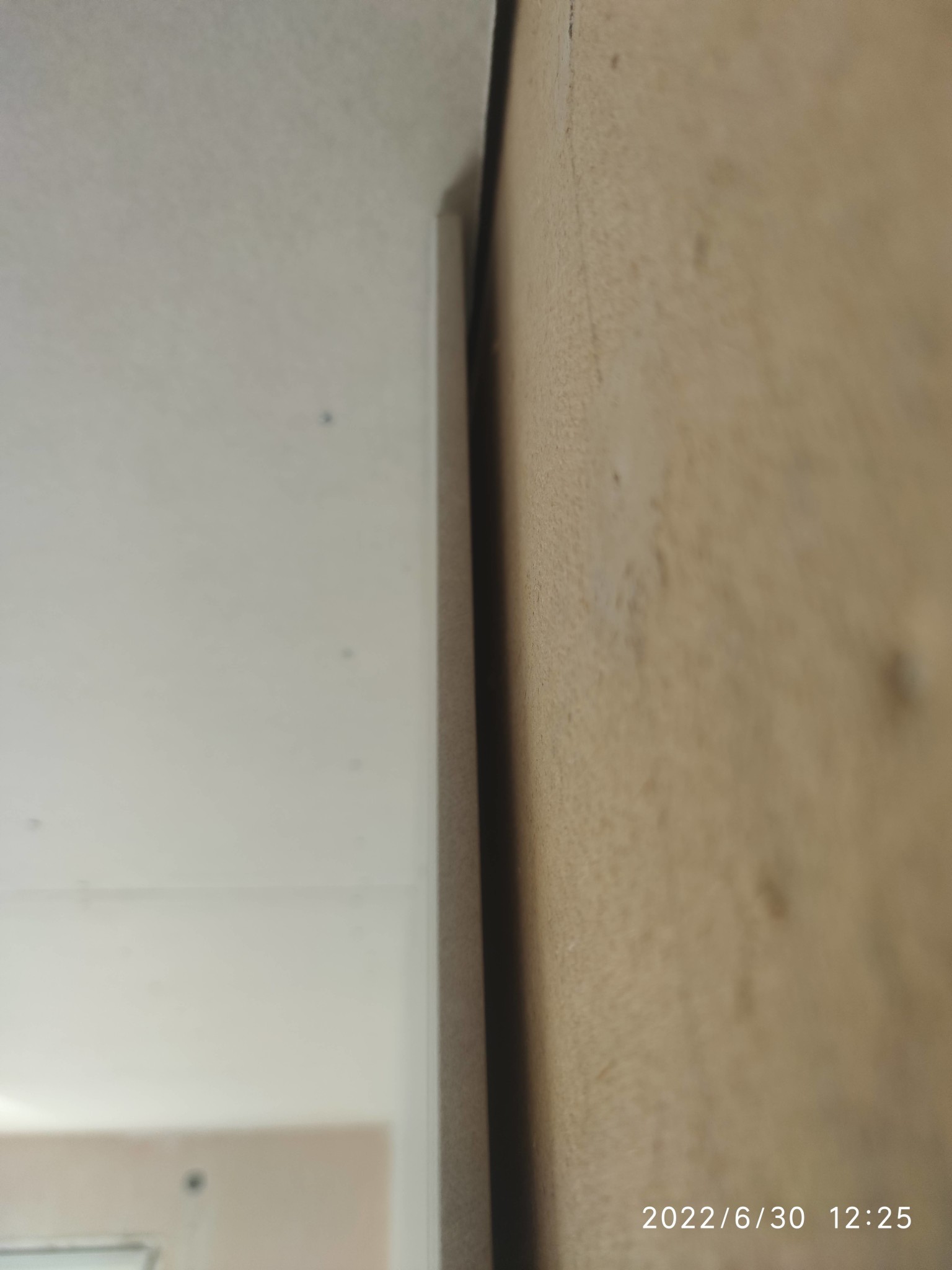
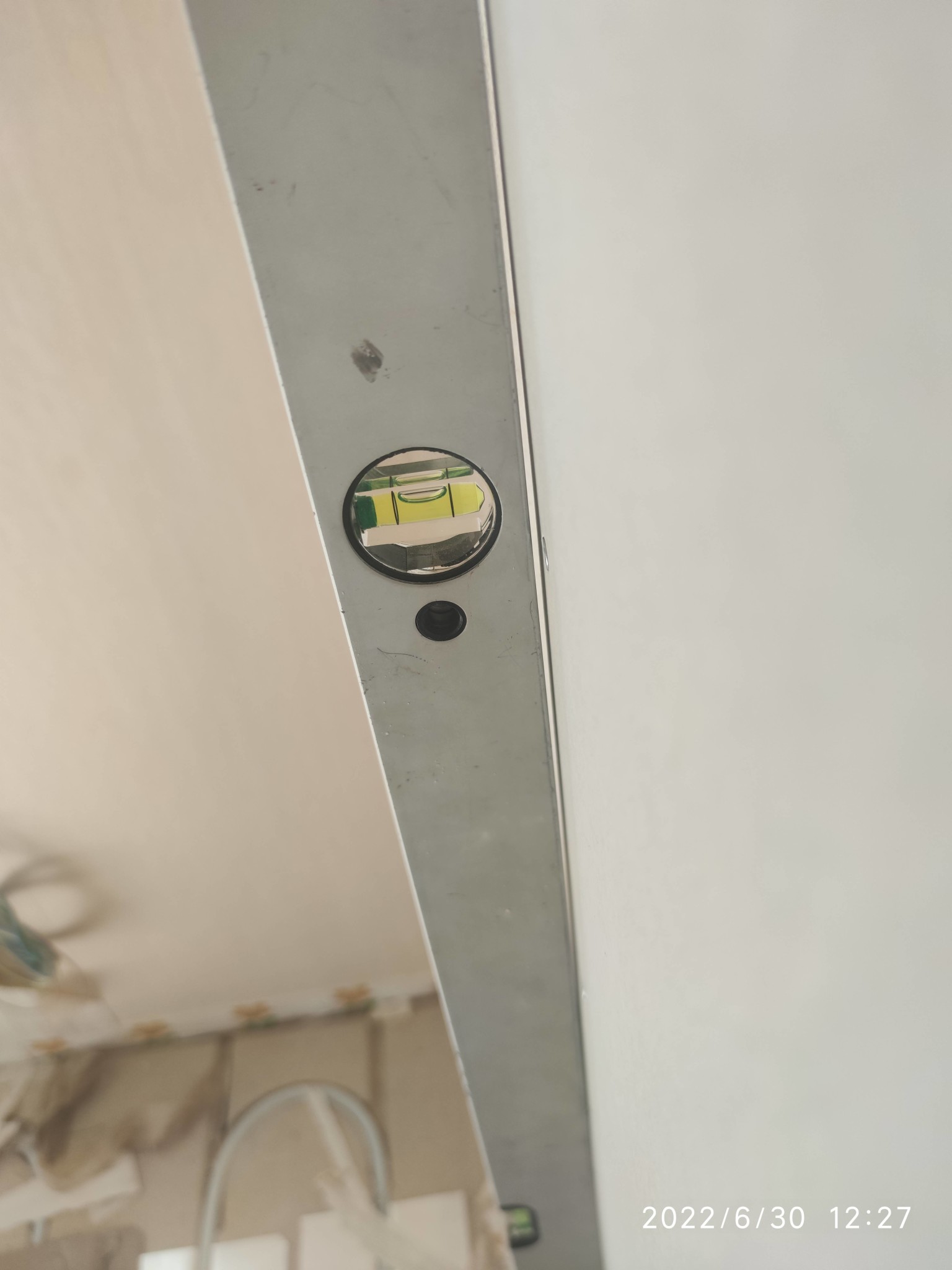
Posting some examples of how the drywall that is in place or to be installed looks due to the unevenness.
Thanks!
Wondering if anyone has experience with whether a double layer of drywall provides a better condition for a wall that is uneven and convex, or even concave, than a single layer.
Old house, and I imagine it moves a little etc., and thought that a tense and quite pressed single layer of drywall might crack and break much easier than a double layer. Not an option to tear down the original walls that unfortunately aren't perfectly straight, so working with what's there.
So is a double layer of drywall not only more visually appealing in the end but also "shares the load" of being on an uneven wall, or is it just a waste of time and money?
Posting some examples of how the drywall that is in place or to be installed looks due to the unevenness.
Thanks!


I don't think you'll be happier with an extra layer of drywall. I would leave it as is unless for cosmetic reasons you want perfectly straight walls - in that case, I would solve the problem behind the drywall and not in the layer of drywall.

Perfectly straight walls are clearly not a factor of importance or significance, but the thought is mostly that it should remain intact. Considering taking it down and somehow working on the wall behind, but I'm not sure. Thanks!MathiasS said:
It is about 1 cm, maybe 12 mm in the worst places. A couple of screws have been quite stressed and the head slipped through the paper and the board when there was too much tension at that point. It was possible to resolve with a different screw interval, though thoughts about moving walls naturally arose.useless said:
Click here to reply