
14,884 views ·
30 replies
15k views
30 replies
Do I need to prime before plastering leca
Is there anyone here who can link to a base mortar that I need? The kc base from weber costs 199kr.
Does anyone know of another one and can link it? It should be good.
Does anyone know of another one and can link it? It should be good.
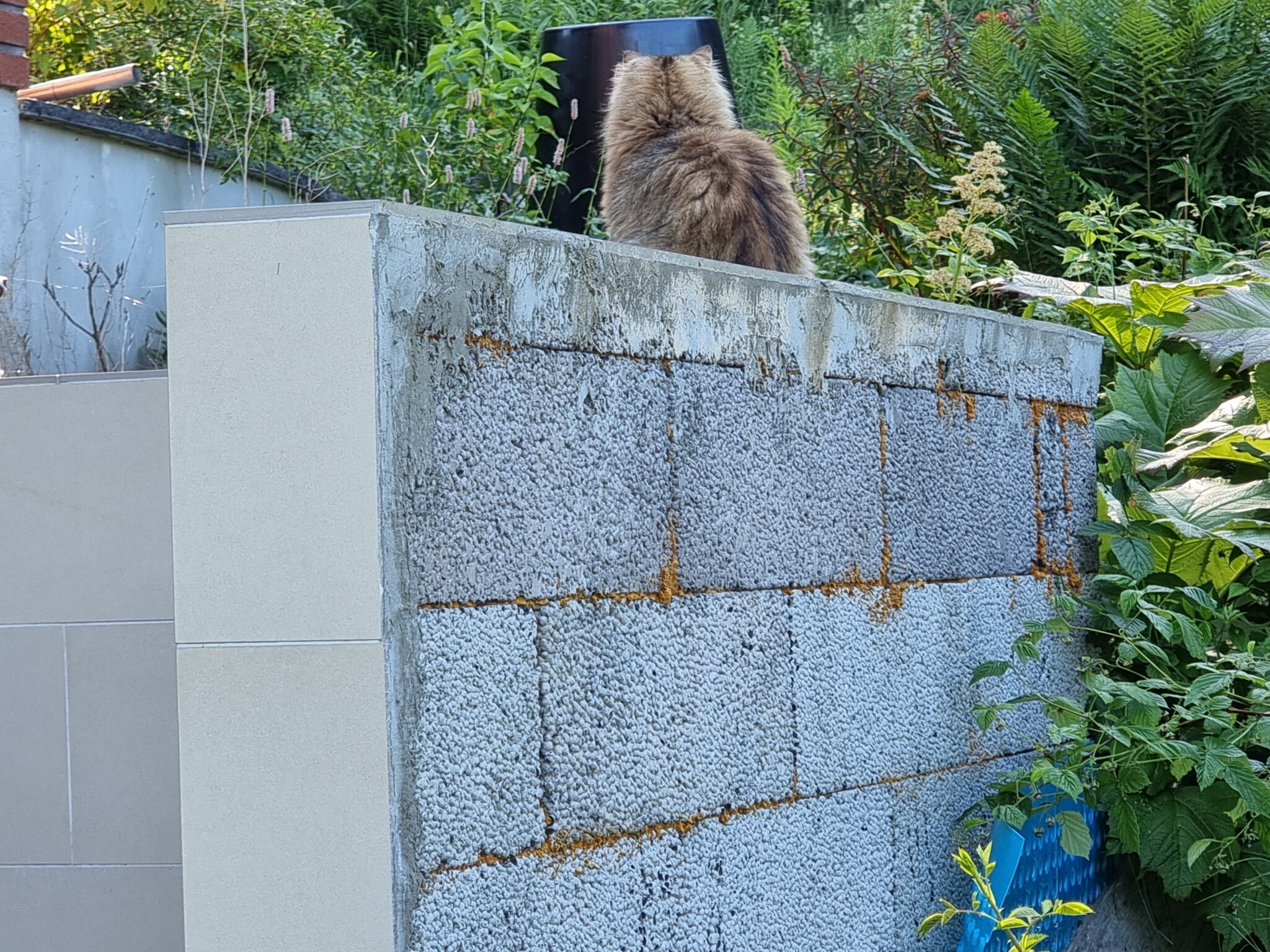
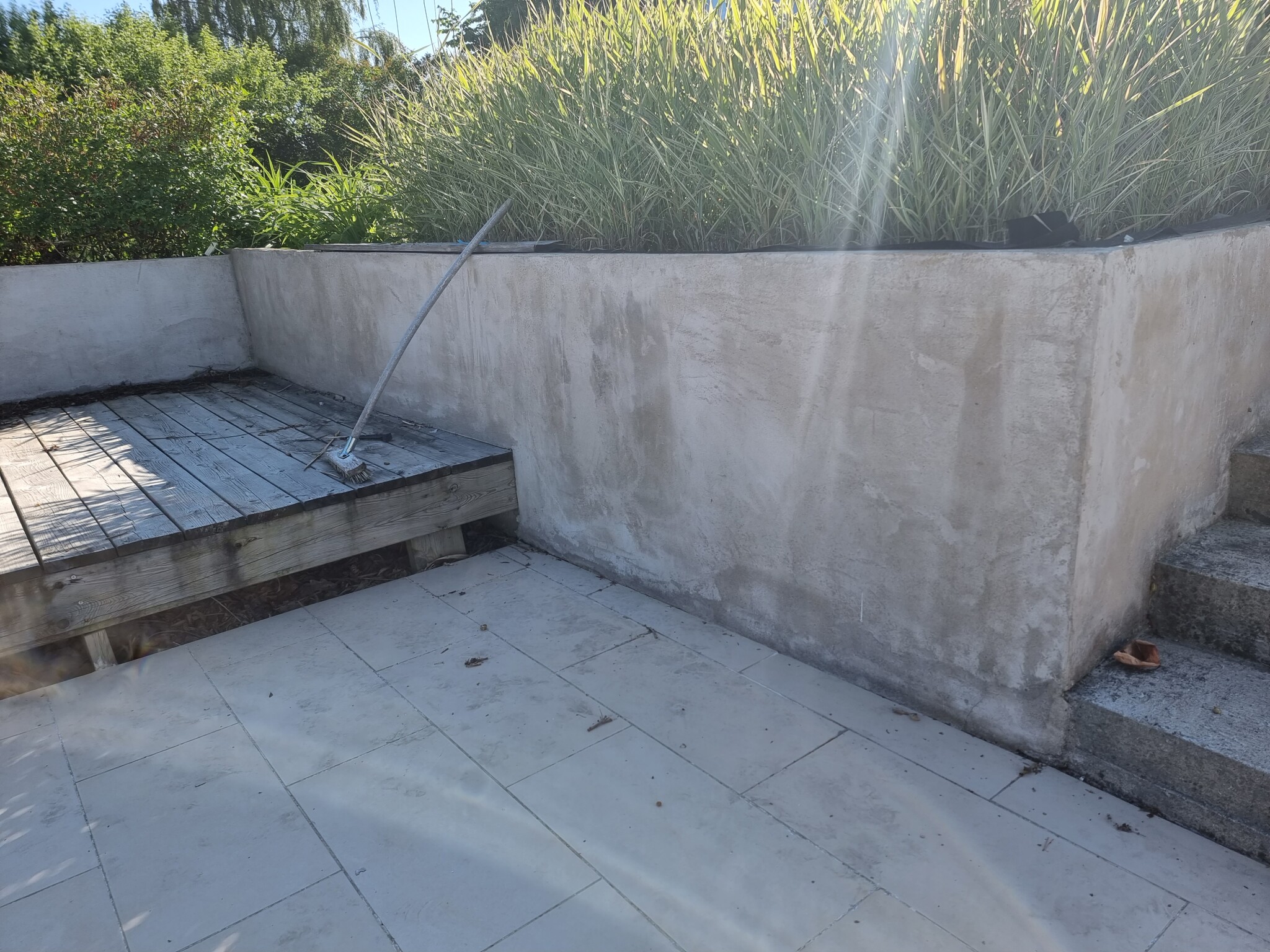

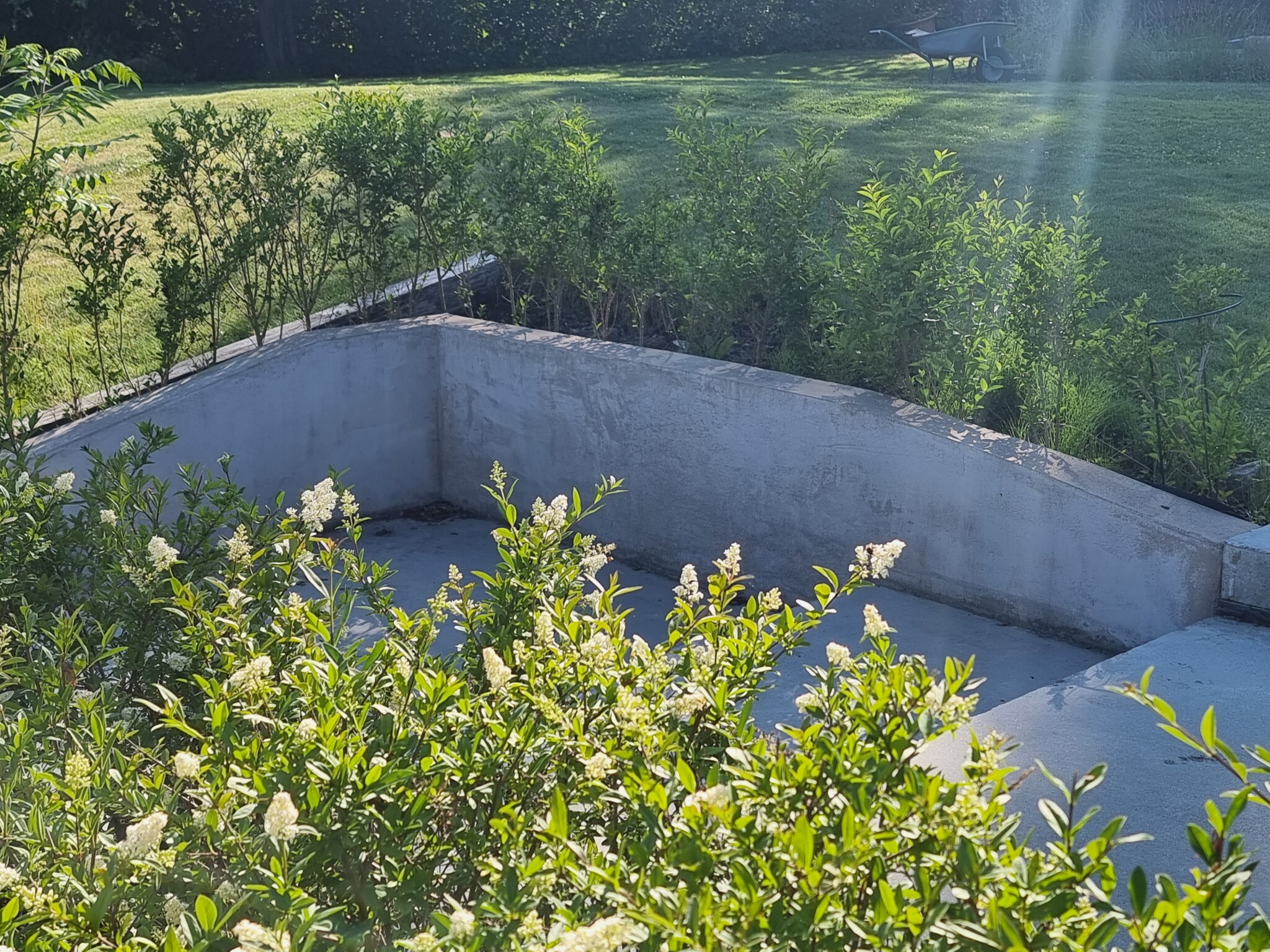
Really nice! Was it difficult to get it straight and nice in the 90-degree angles? Where the ceiling meets the wall?anders07 said:
Perhaps you had an angle trowel?

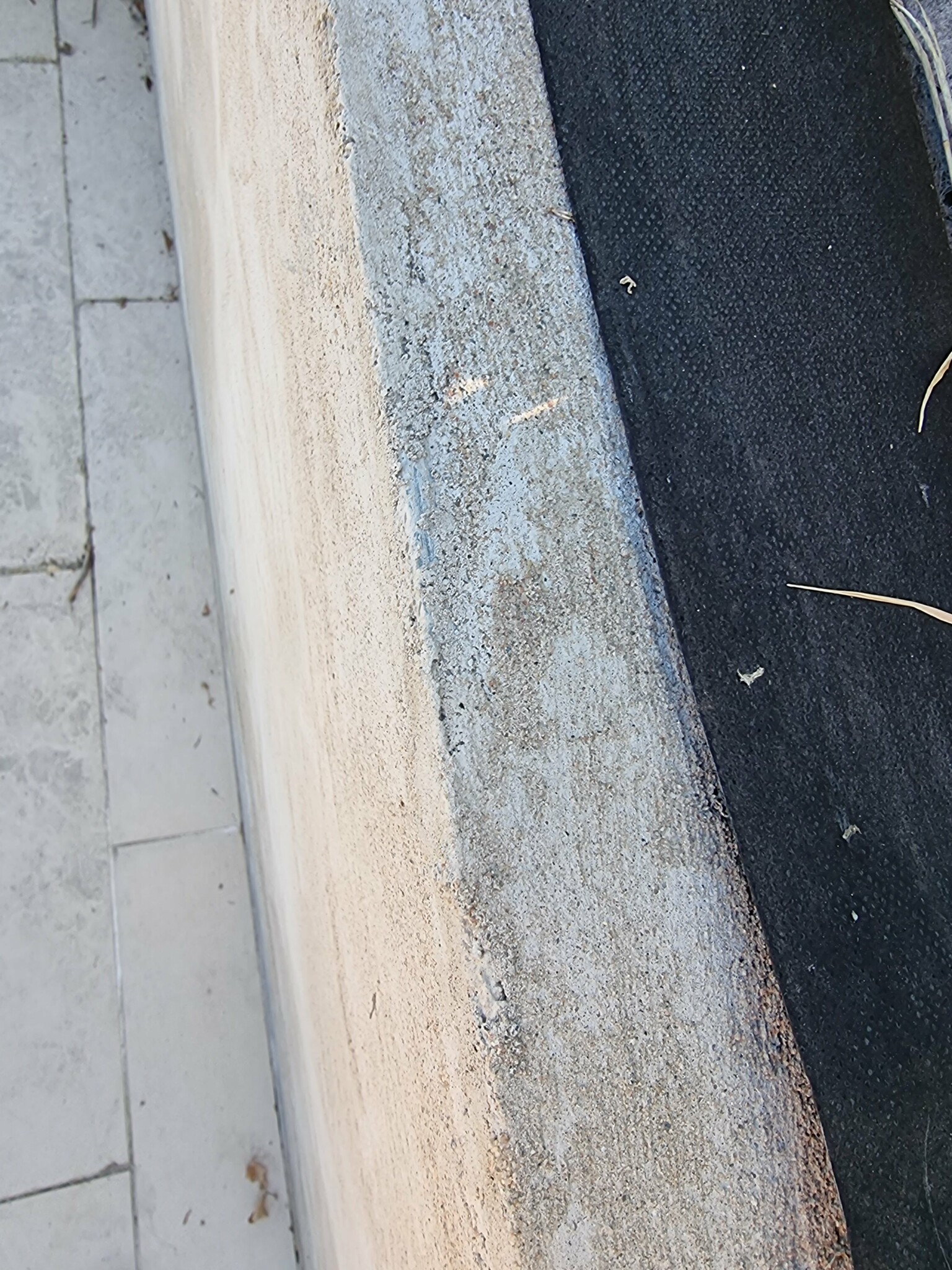
Oh right, you can see a bit of that there.
That was smart! The job must have gotten much easier 😀
Yes, much easier... I also used metal screeding tracks and went with 40 cm wide tracks.Hammare&Spik said:
I removed the tracks fairly early and added some new plaster before I went over everything again.
I somewhat regret not smoothing (or whatever it's called) to get a finer surface.
You've done a great job! Bravo 👏🏽
One question... Did you use primer on the top of the wall too, or did you just render there?
I built an annex house with insulated lecablock (both foundation and walls) over 20 years ago. Plastered with base plaster and plaster according to Finja's instructions, but only with one layer of plaster. Primed and painted with white silicate paint. Still looks good. No grid patterns even after long rainy periods. When I drive around the region, I often see masonry houses where all the joints are clearly visible even long after the last rain. The plaster surely sticks well to the light expanded clay aggregate, but it doesn't look nice. Now I'm building on the main house, again with insulation blocks. I would never plaster without base plaster. It is mercilessly revealed at the latest a few years after. But the base plaster itself I apply quite carelessly and unevenly. I'm just careful to ensure the joints are properly covered.
My walls have stood between 6 and 8 years and don't have any traces of joints in the plaster... As mentioned earlier, they are glued, and it may partly be due to that, since there aren't different "types of mortar" behind.B Bilybianca said:I built an annex house with insulated lecablocks (both foundation wall and walls) over 20 years ago. Plastered with primer and plaster according to Finja's instructions, but only with one layer of plaster. Primed and painted with white silicate paint.
Still looks good. No grid patterns even after long periods of rain.
When I drive around in the neighborhood, I often see masonry houses where all the joints are clearly visible even long after the last rain. The plaster is surely well attached to the lightweight concrete, but it doesn't look nice.
Now I'm adding to the main house, again with insulated blocks. I would never plaster without primer. It is mercilessly revealed at the latest a few years later.
But I apply the primer plaster rather carelessly and unevenly. I'm just careful that the joints are properly covered.
It is completely normal, the plaster is thicker at the joints.O OcceL said: