I need some help to sanity-check my crawl space. Our house was built in 1951, a 1.5-story with a basement.
An extension was made in 2018, which is on a crawl space. The floor has water-based underfloor heating.
The other day I went into the crawl space to take a look since we have lived here for almost a year. Observations and questions:
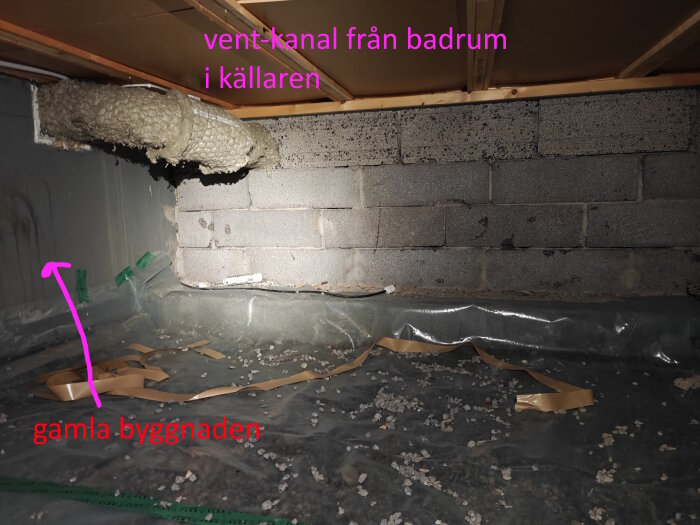
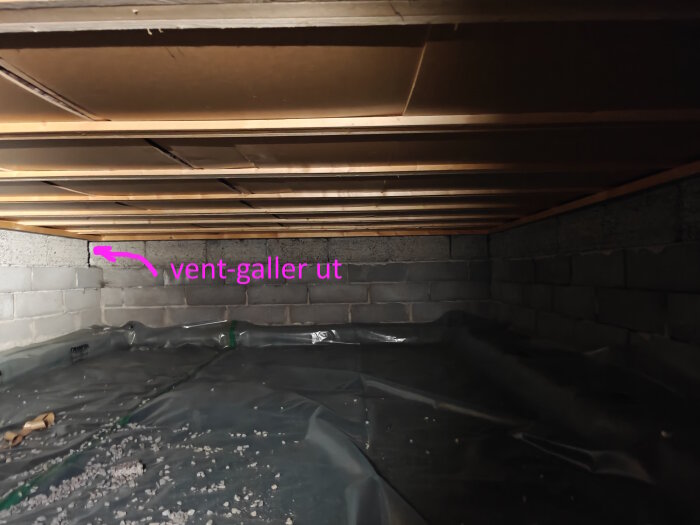
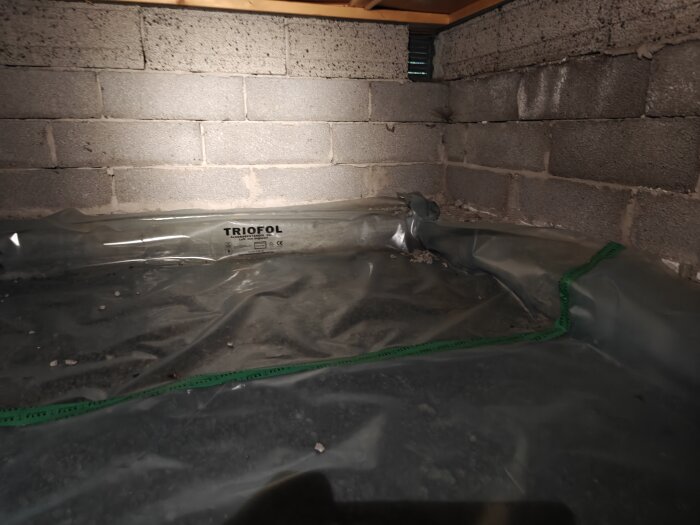
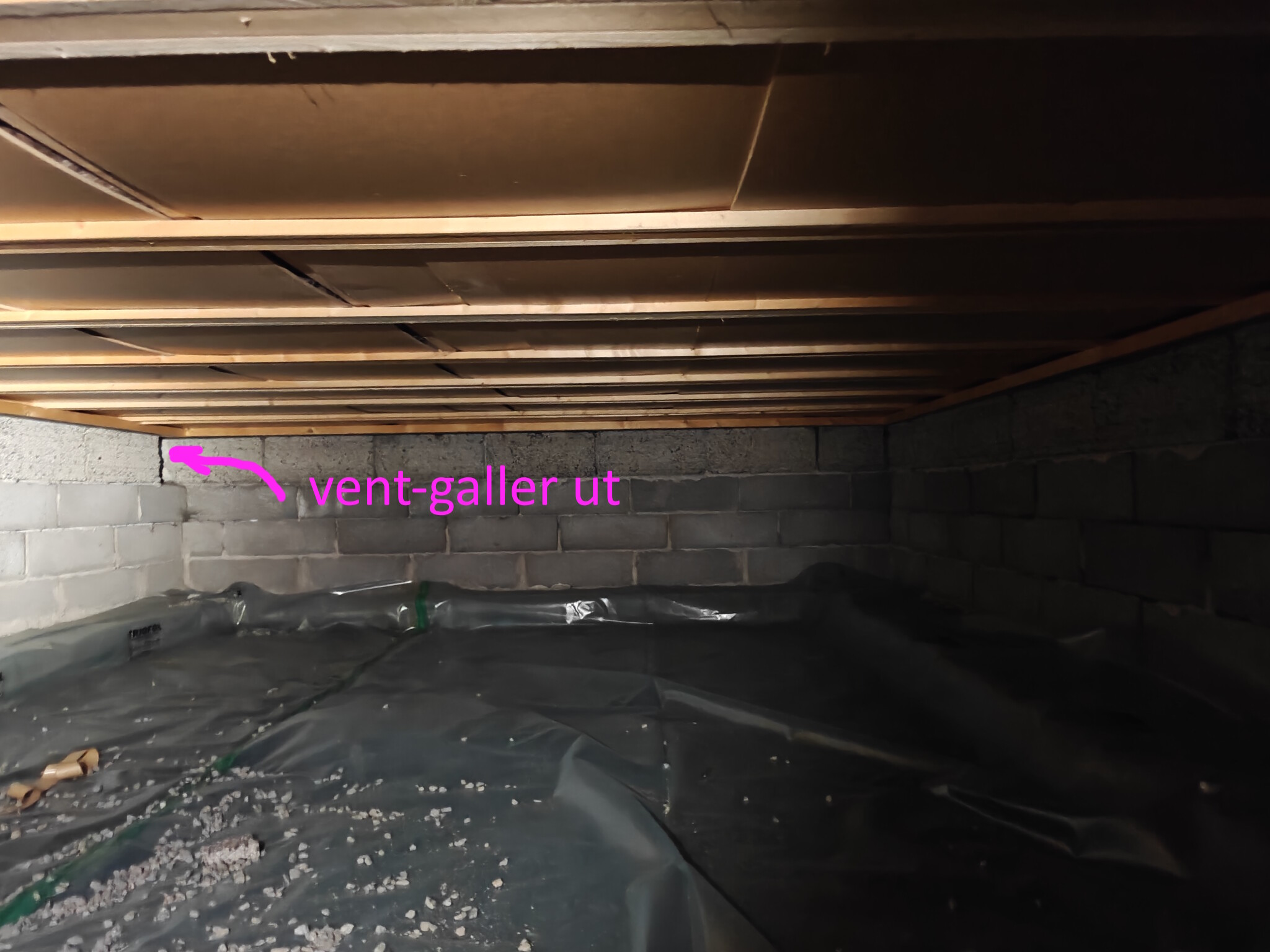
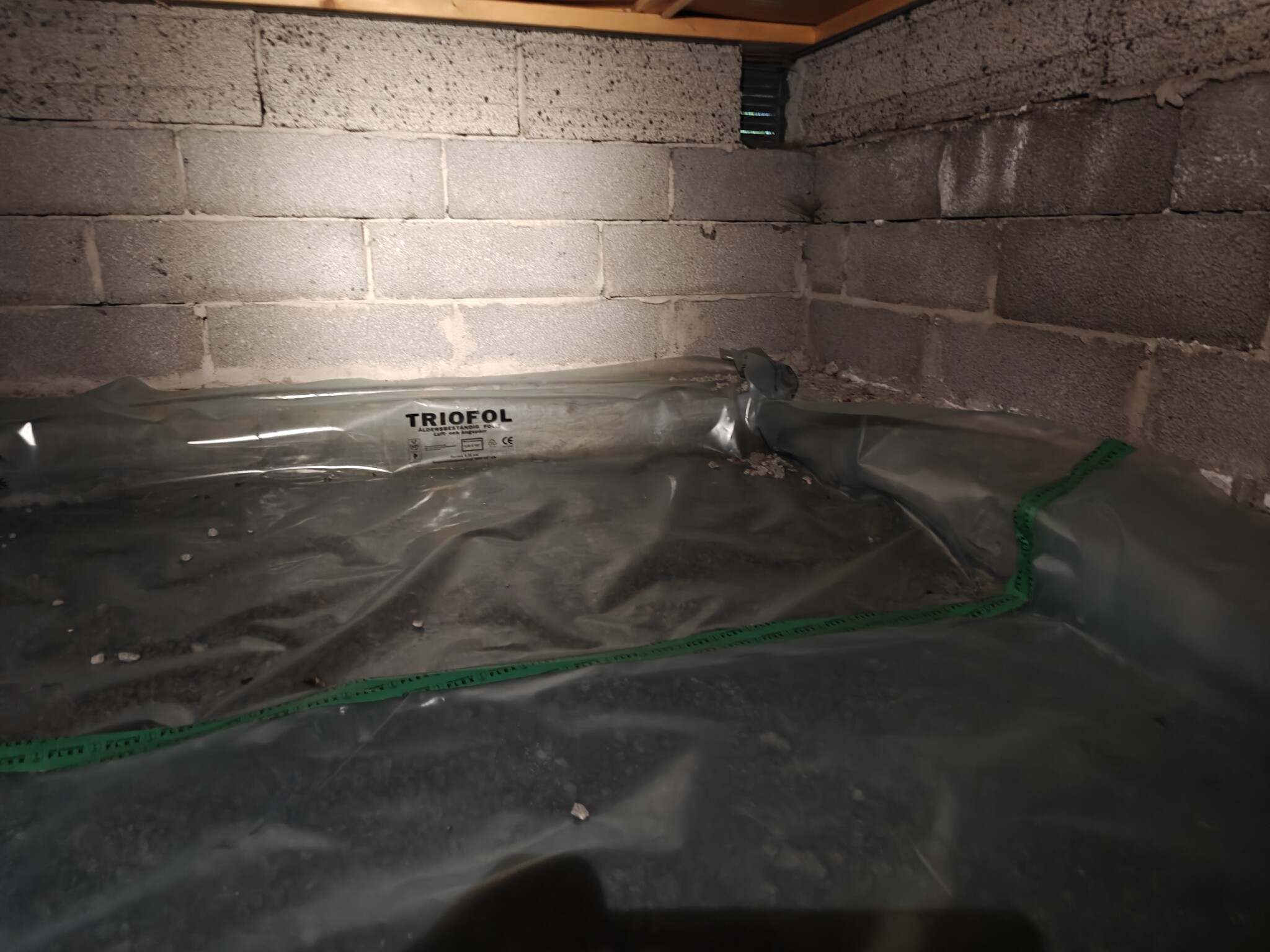
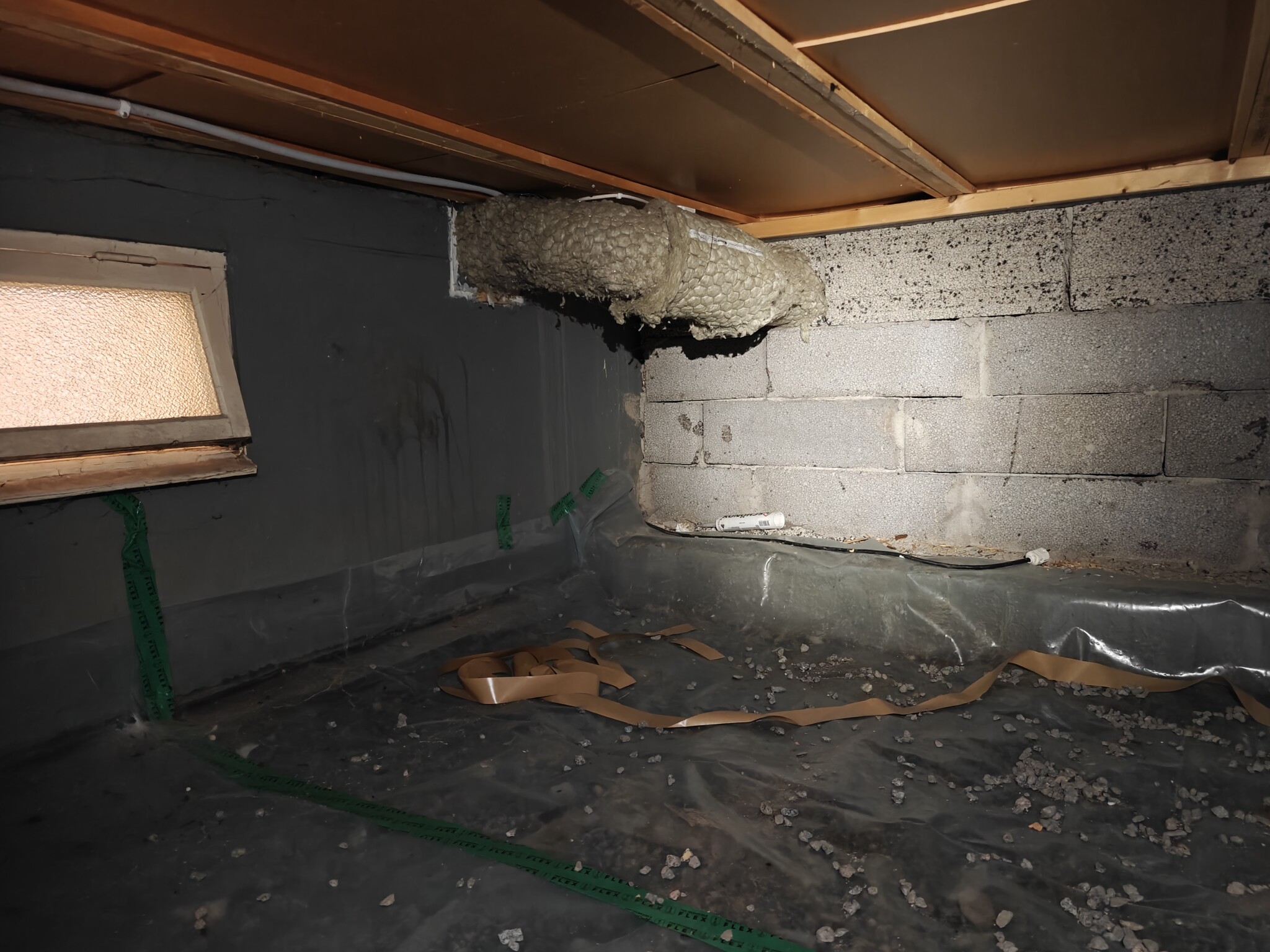
* the bottom seems to be gravel with a vapor barrier plastic film over it, which sounds reasonable. But gravel is hard and sharp, should one avoid crawling on it so as not to puncture it?
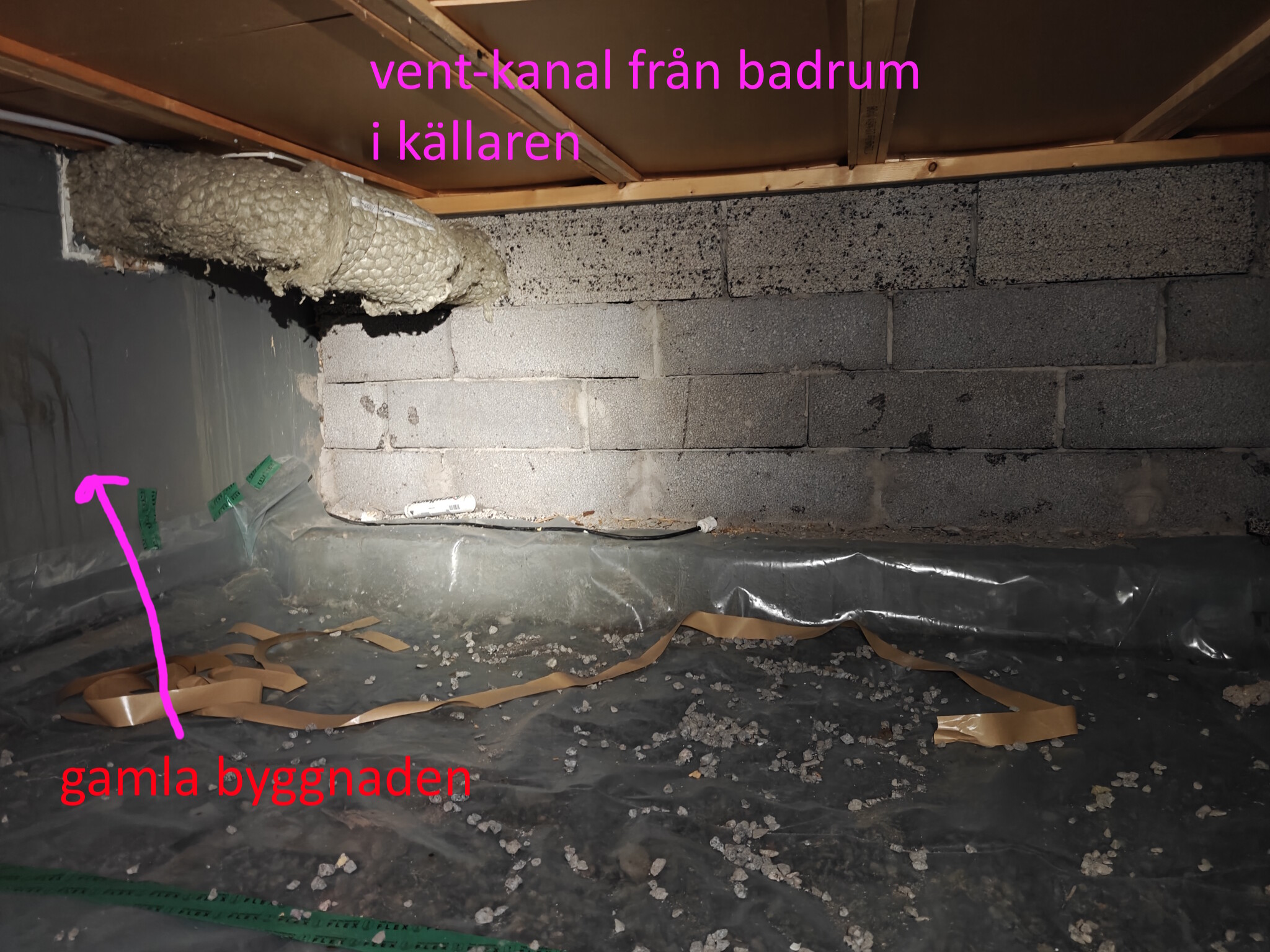
* the crawl space has a ventilation opening in one corner, but nothing more. There should probably be at least two, otherwise, the air will just stand still? The access hatch could be left slightly open but then it would be open for animals. I should probably make another ventilation opening, right?
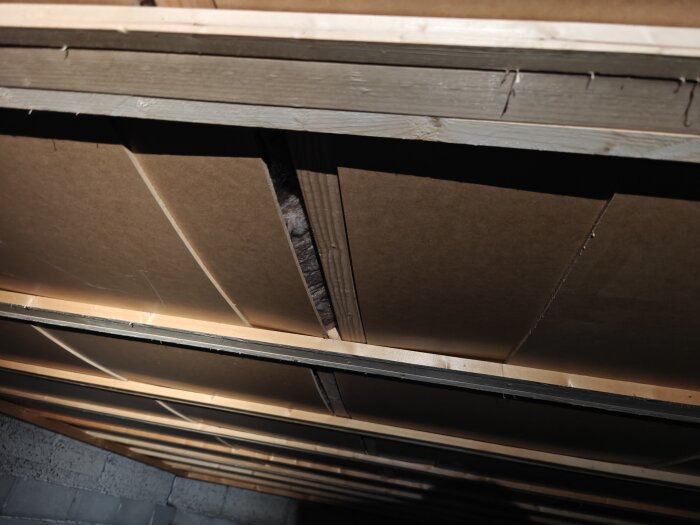
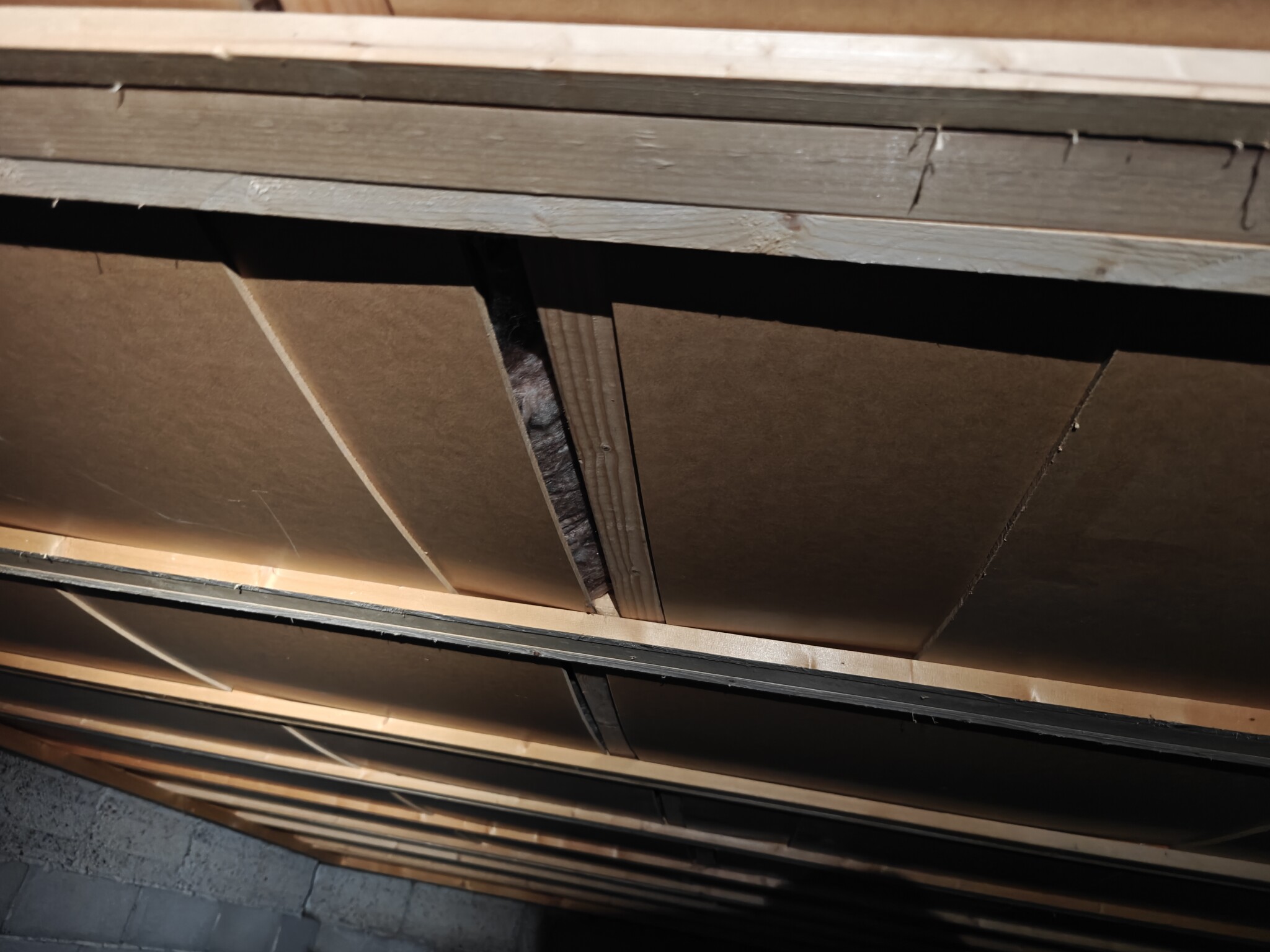
* the underside of the floor seems to be masonite boards, which are sagging down. Some gaps here and there. Should one address the sagging or the gaps? Attach small crosswise supports or something?
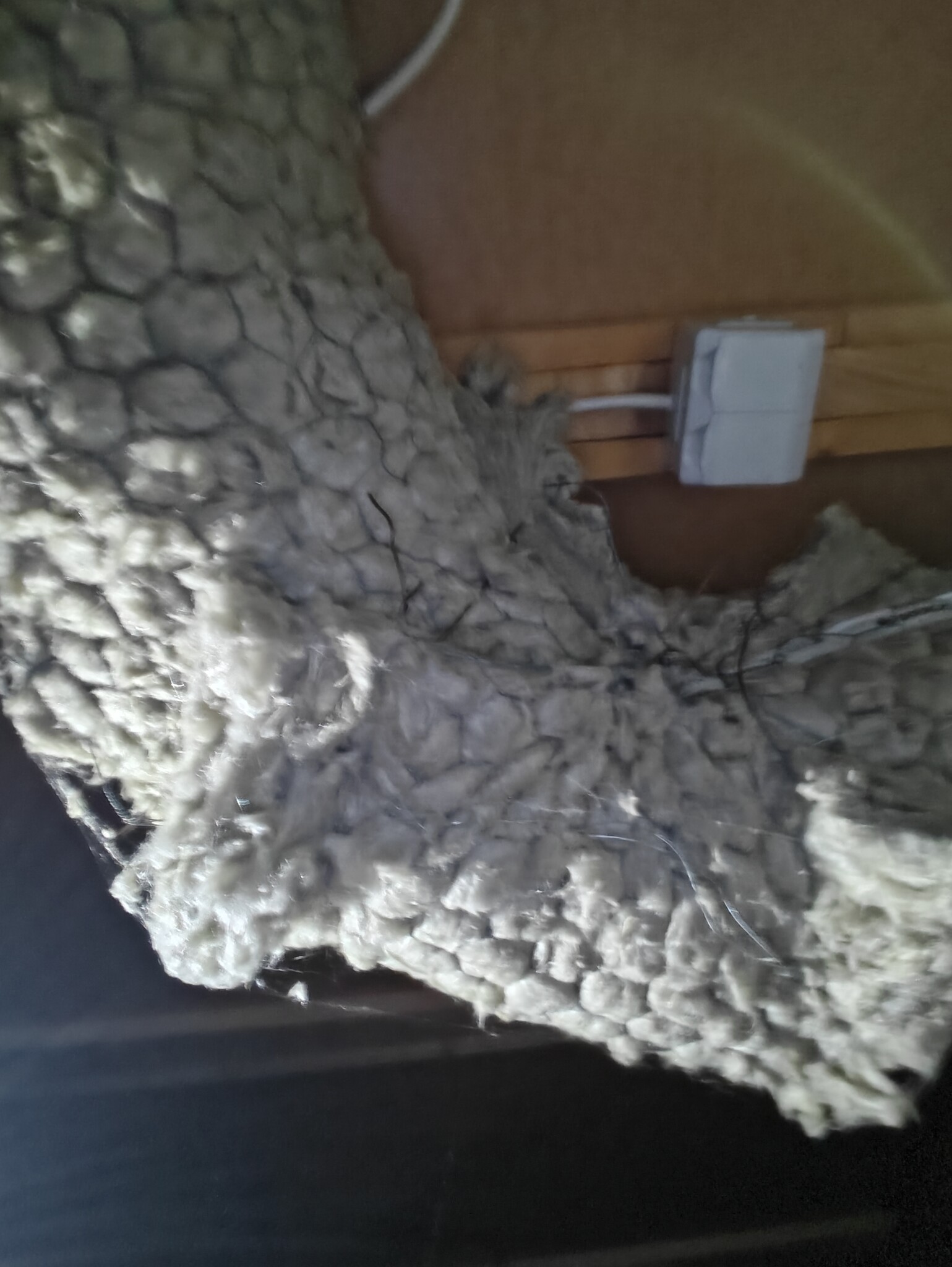
* there is an electrical outlet, I assume it's smart to have prepared for a potential fan or dehumidifier?
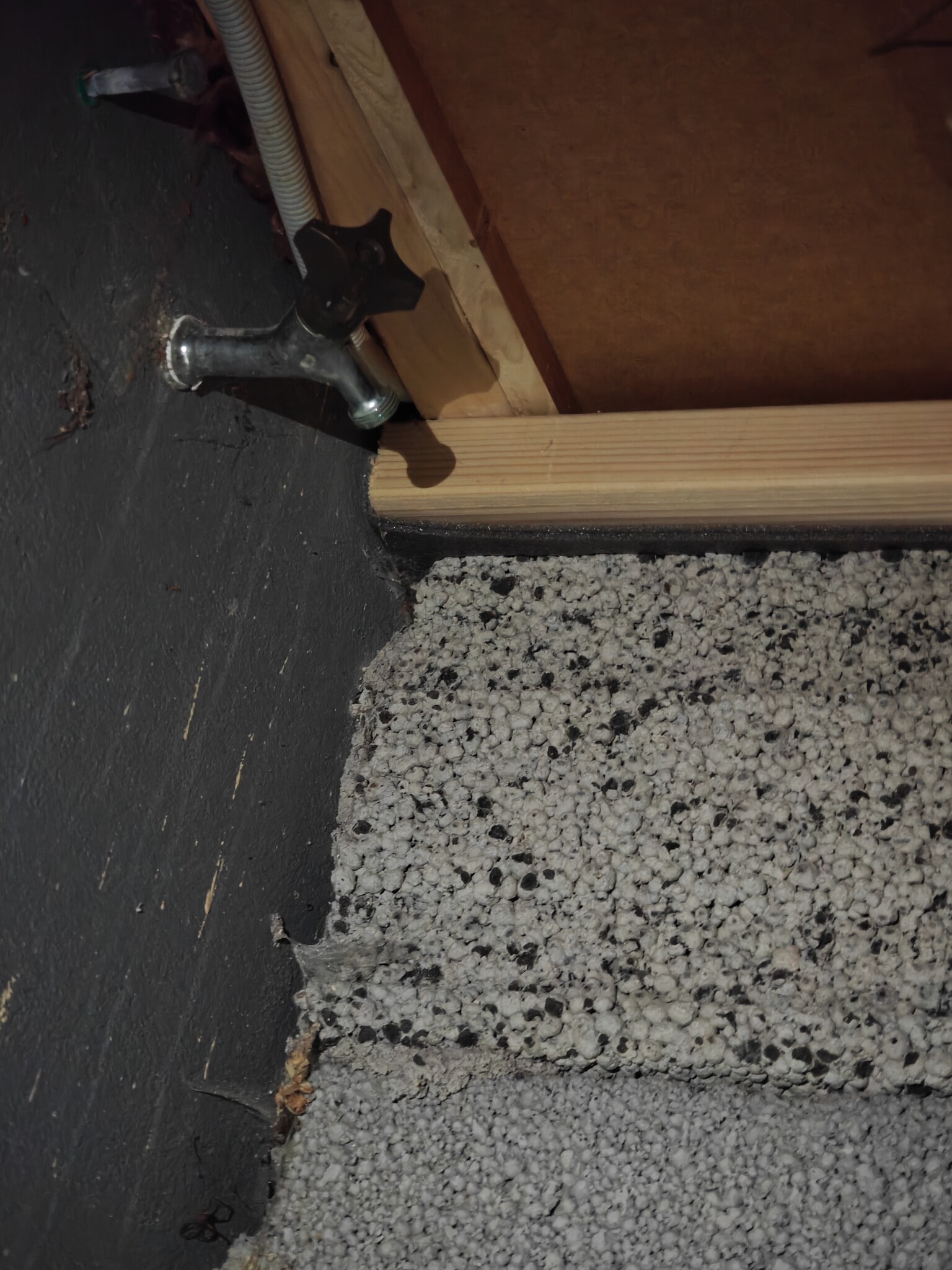
* the old water spout was still in place and connected. Disconnected and plugged it, but could there be any reason why it was left there? They installed a new water spout on the same water line, so someone must have thought "let's keep the old one too."
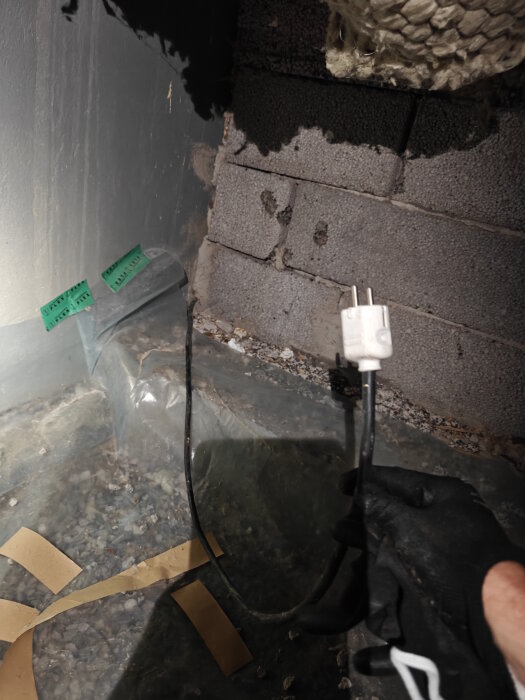
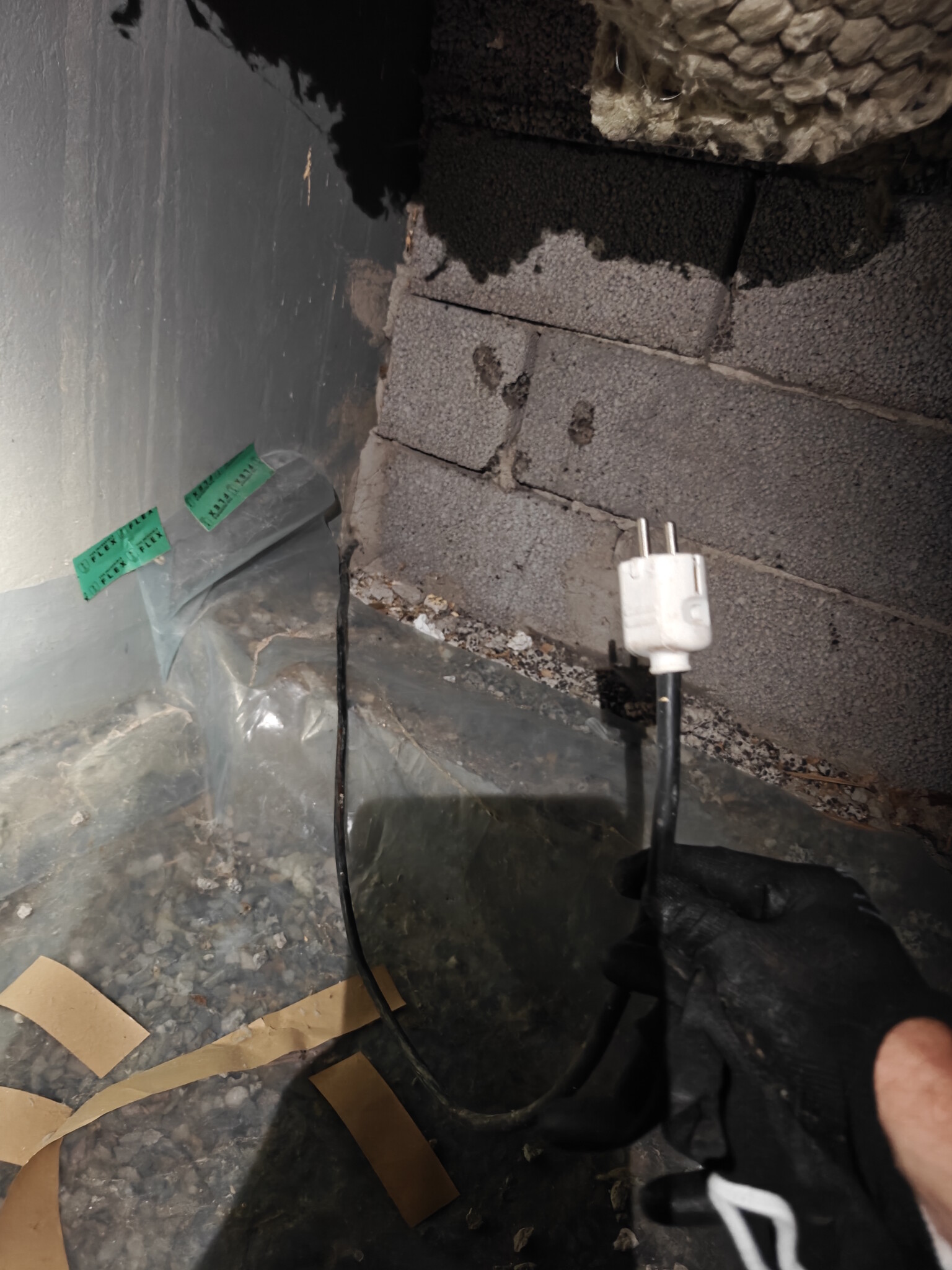
* there's an electrical cord going to...something, it's embedded. I don't dare plug it in either
So what do you think? Is there anything that screams "fix me before it's too late"?
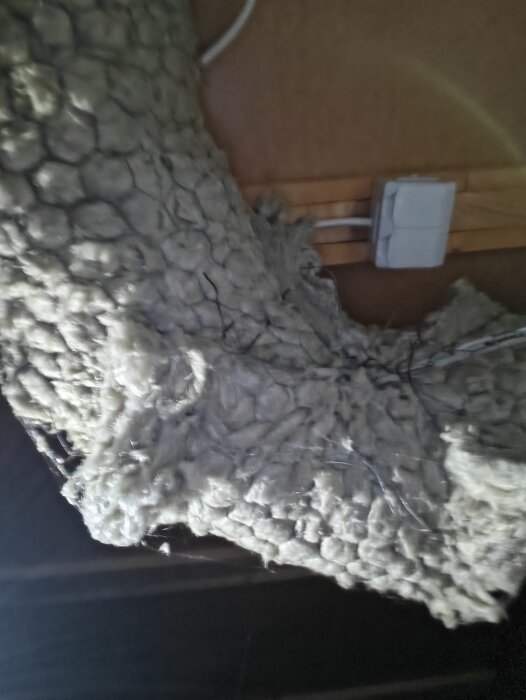
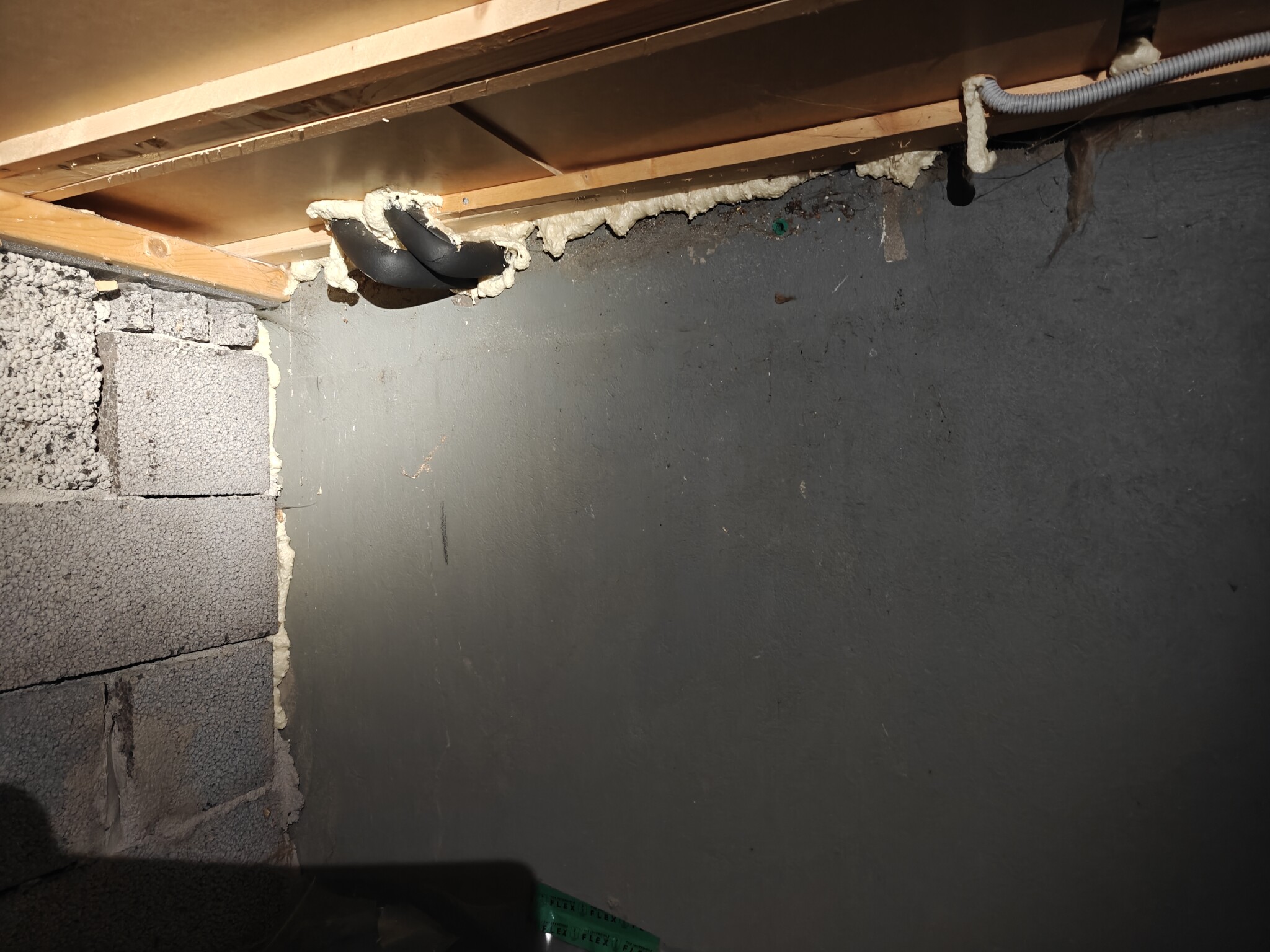
And here, the notorious water spout! Located near the electrical outlet, behind the ventilation duct. The two black insulated pipes are water for the underfloor heating.
What are you going to fix? The wood looks brand new, so any changes you make will probably worsen something...
Yes, it is, and I want it to be as durable as possible, so that's what I'm really wondering about - if there's a downside to how it looks now. For example, increased moisture in the floor construction due to gaps and sagging.
Personally, I would have sealed the valve and put in a dehumidifier, but the first step is to measure and see if it's really necessary. The fact that it sags a bit in the joist bottom is probably not a major problem as long as the insulation doesn't fall out.
Personally, I would have sealed the valve and installed a dehumidifier, but step one is to measure and see if it's really necessary. That the floor joists are sagging a bit is probably not a big problem as long as the insulation doesn't fall out.
Will measure! I have a number of sensors but in other places right now. But very nice to get data on such things.
Good input. I'll keep that in mind when I have more information. It feels like weird things are found wherever you look. Yesterday "paint the dormer" became "replace the dormer cladding" and "the flashing around the pipe and against the chimney is not sealed."
Will measure! I have a bunch of sensors but in other places right now. But it's very nice to get data on that.
Good input. I'll keep it in mind once I have more information. Feels like no matter where you look, you find oddities. Yesterday, "paint the dormer" turned into "replace the dormer cladding" and "the metal around the duct and against the chimney is not sealed."
Hehe, that's always the case with houses, always encountering new problems. But your crawl space doesn't seem to be an urgent one at least.
Hehe, that's always the case with houses, always encountering new problems. But your crawl space doesn't seem to be an urgent one anyway.
Great, nice to hear 😁 Time to measure humidity over time and see if I need to address the ventilation then. That way I can focus on climbing on the roof for now 🎉💥 Thanks for the answer!
Click here to reply
Vi vill skicka notiser för ämnen du bevakar och händelser som berör dig.



useless said:
slothy said:
Will measure! I have a bunch of sensors but in other places right now. But it's very nice to get data on that.