I have some questions regarding asbestos in building materials.
After starting to demolish and renovate a townhouse apartment built in the late '60s, materials have been found where there is uncertainty about potential asbestos content. If anyone recognizes any of these materials and has more information about them, I would appreciate receiving that information.
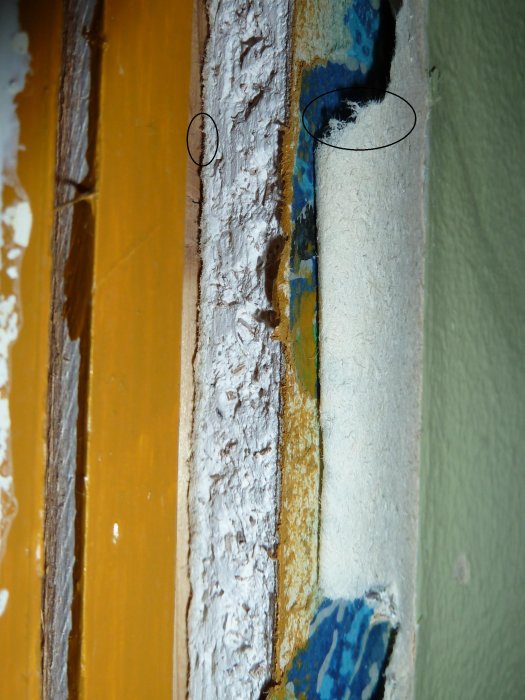
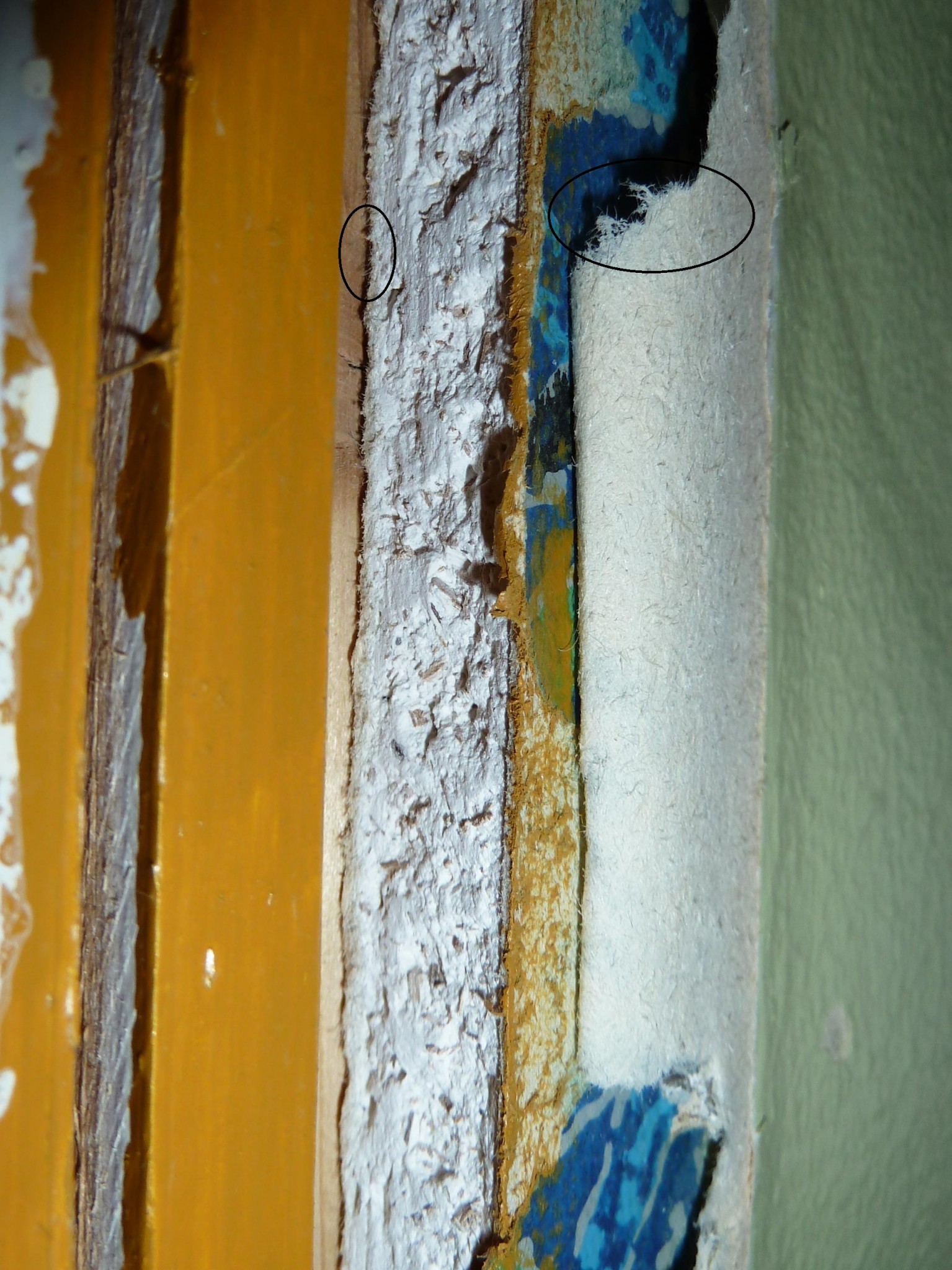
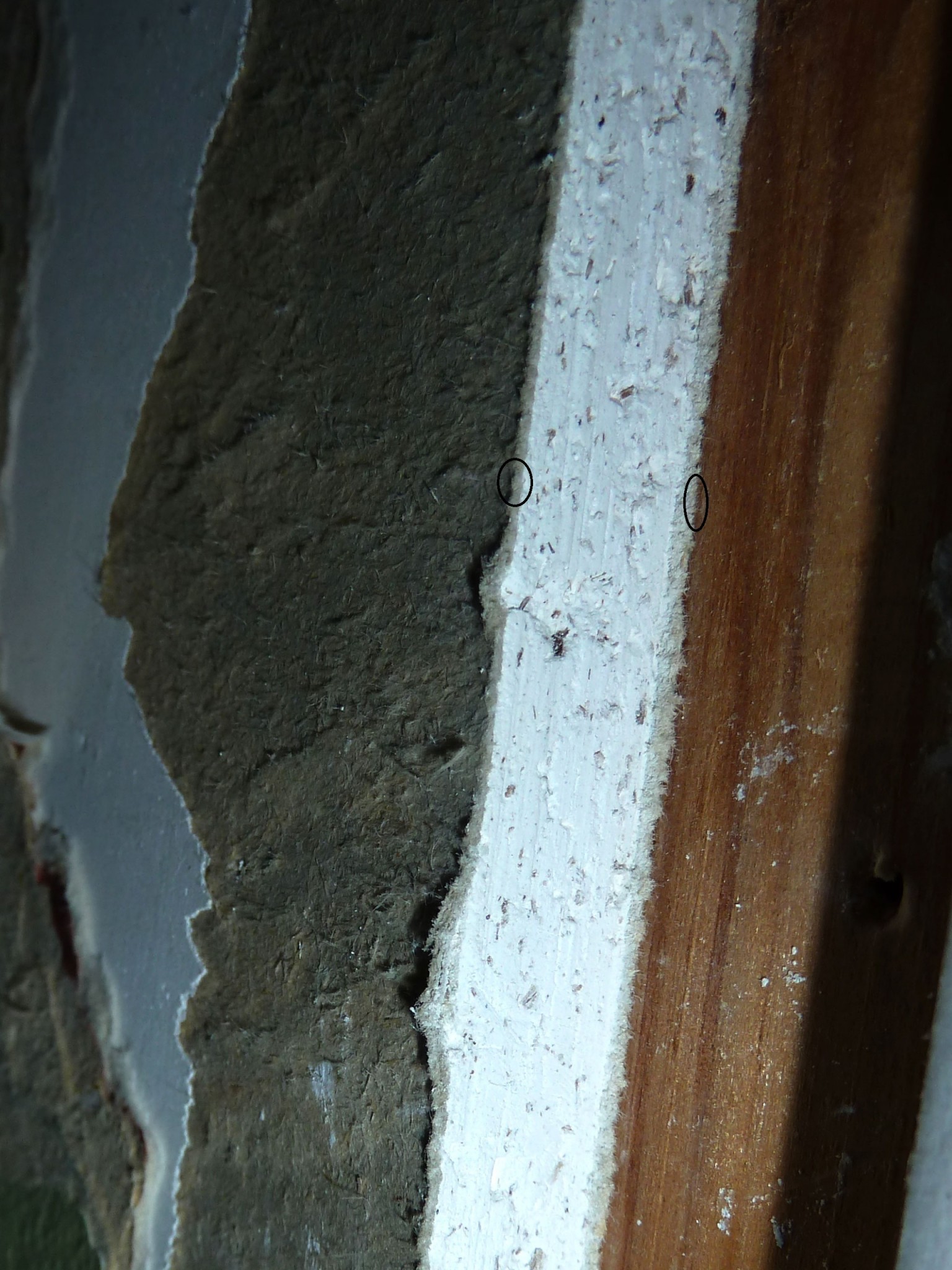
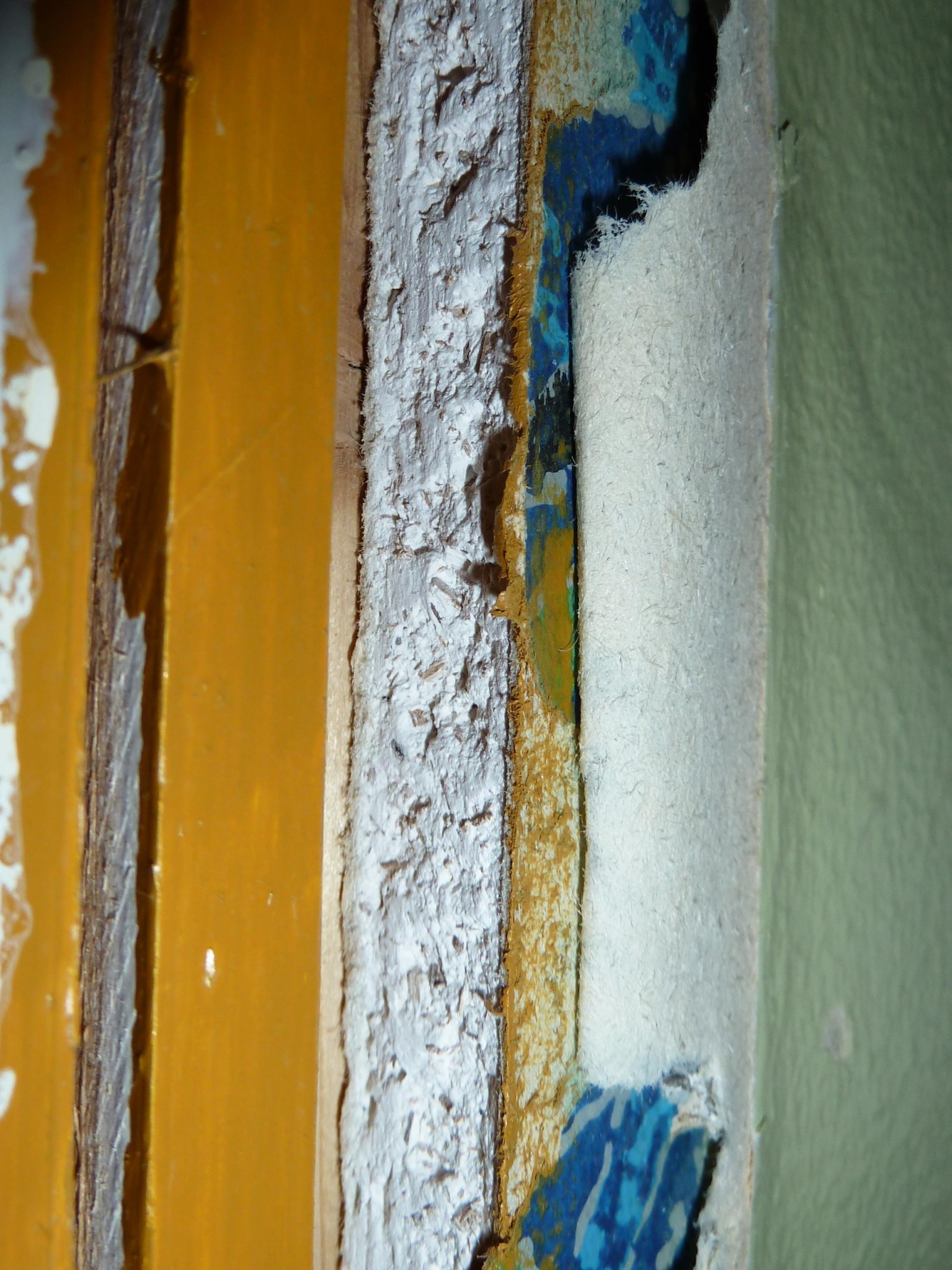
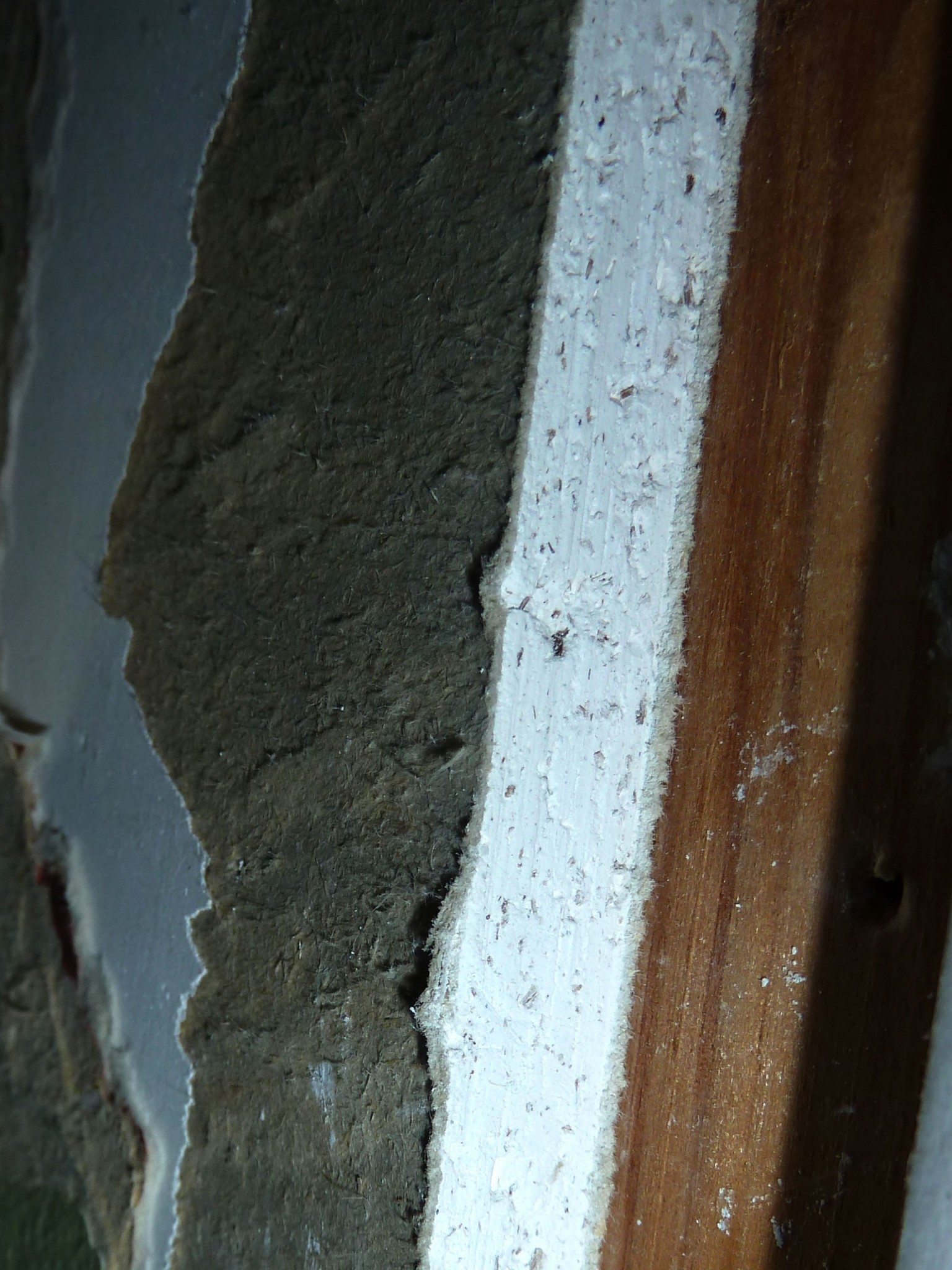
First is a gypsum board on the wall:
On the back of the gypsum boards located in other places in the same area, the following information is found:
GIPSI Fire-resistant flameproof surface class 1 (thickness 13mm)
SP Certificate U60-2819
Manufactured by: Stockholms Reveteringsfabrik, Sollentuna
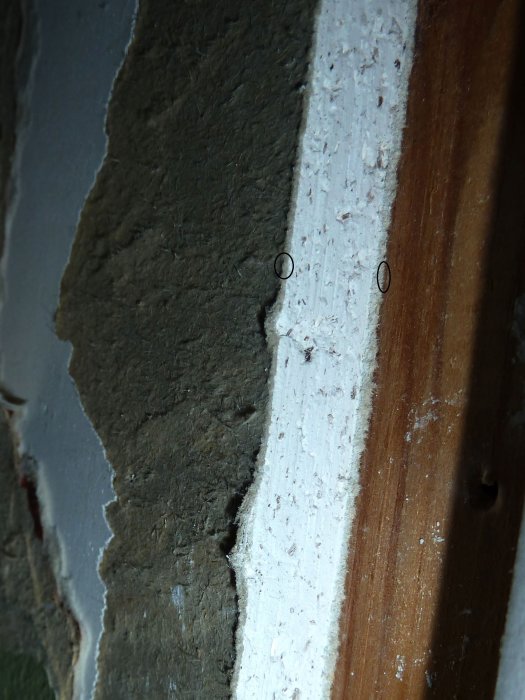
There is also another type of gypsum board with different information behind it, but unfortunately, I haven't noted that information. It is printed in green color.
These boards have something that resembles paper within them.
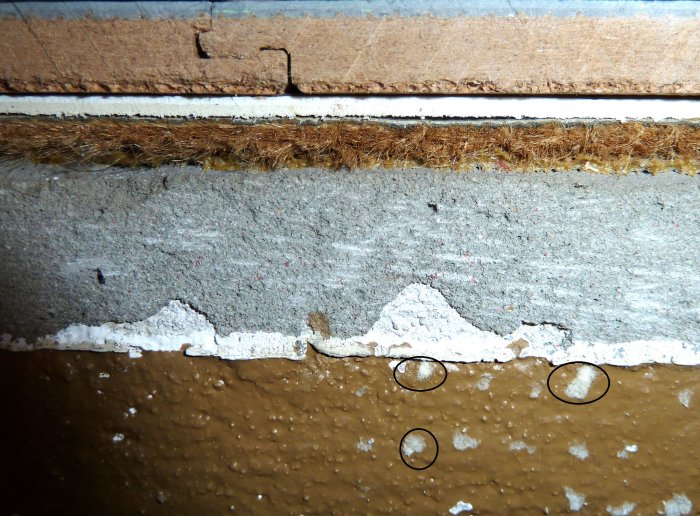
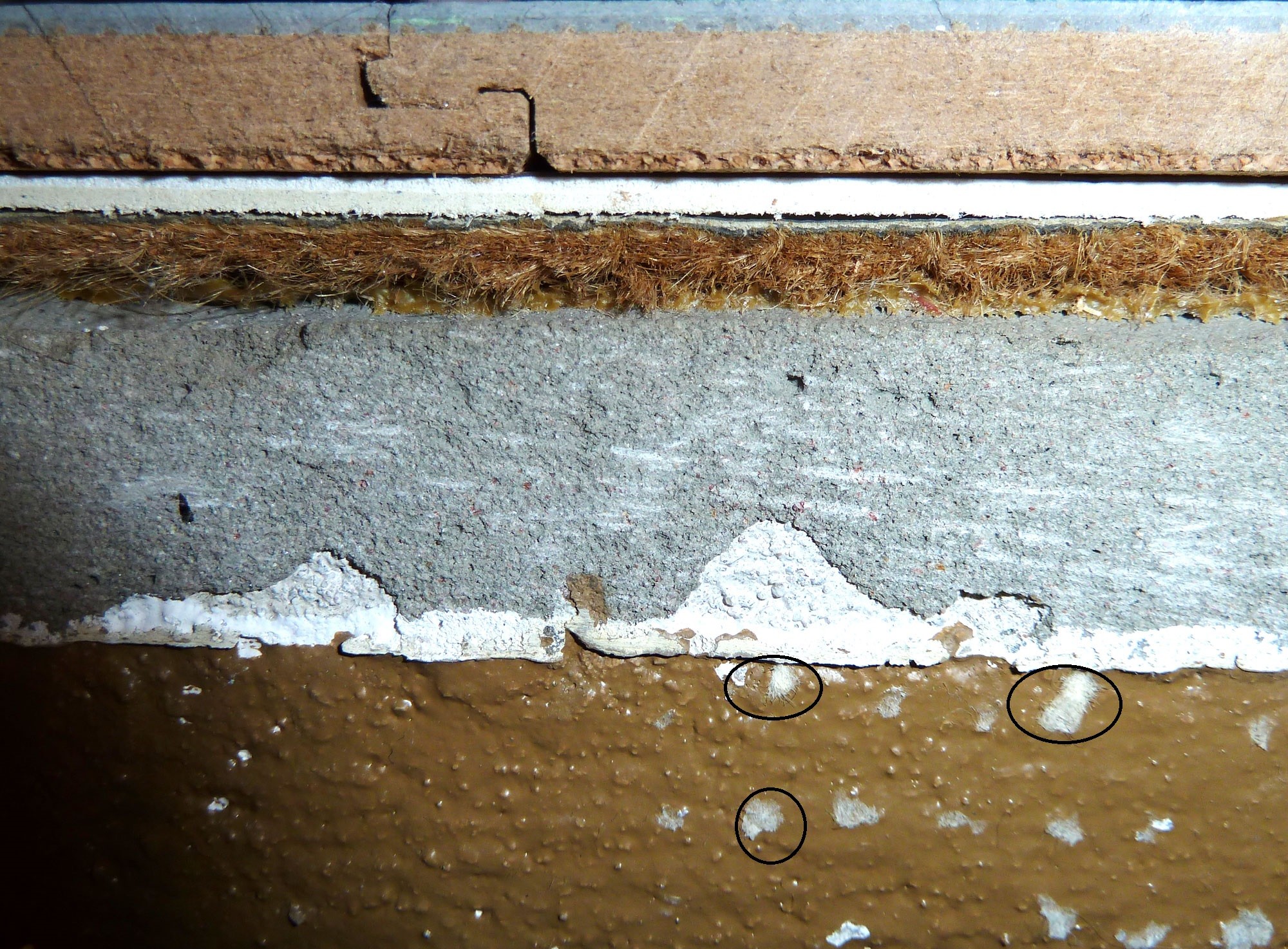
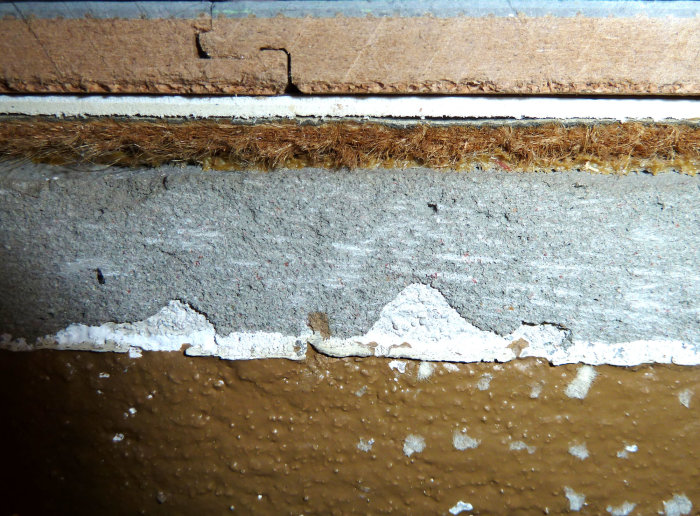
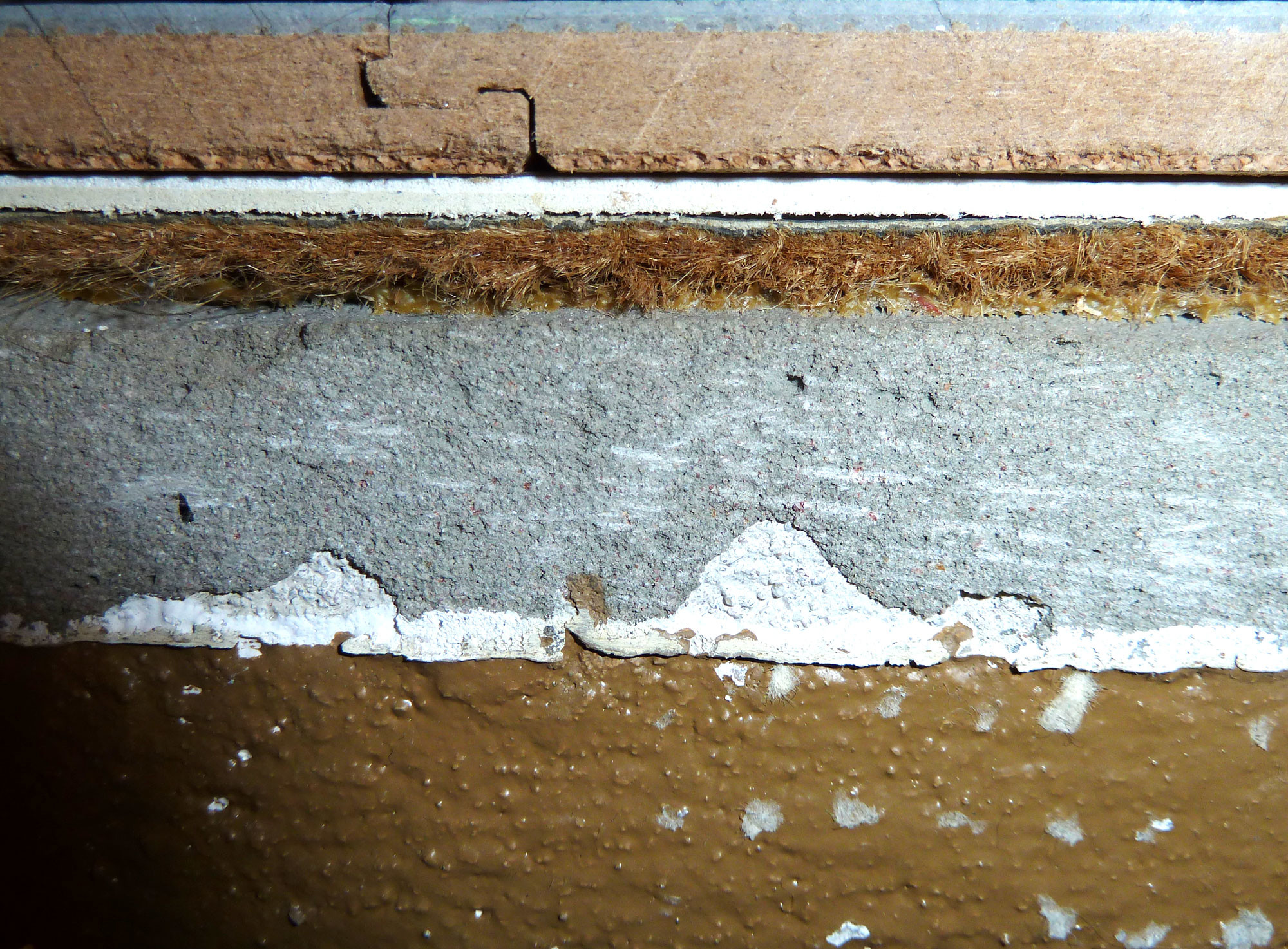
Next is a material under a floor:
This picture is taken from a basement staircase and shows the side of the floor.
On top is a new floor, under this an old plastic mat, and under this some form of mat made from something that resembles horsehair. It seems to be glued. Does anyone know what the horsehair-like material is, and whether it or the glue might possibly contain asbestos?
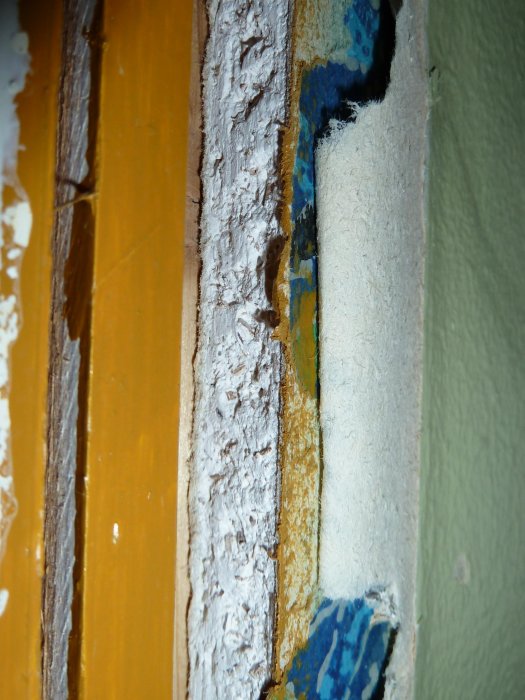
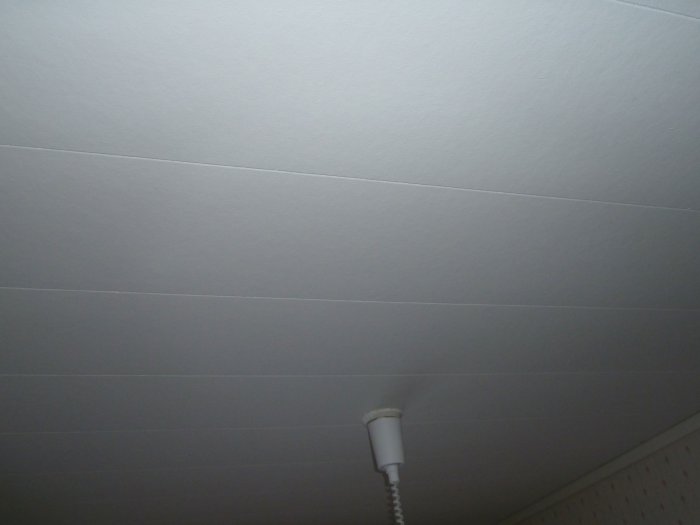
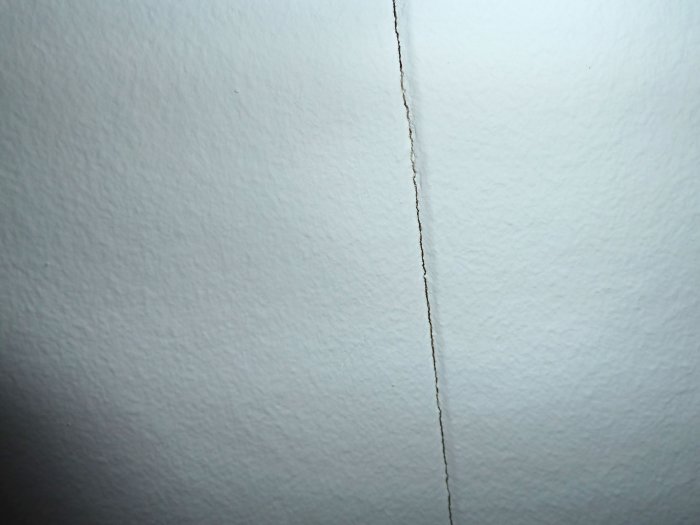
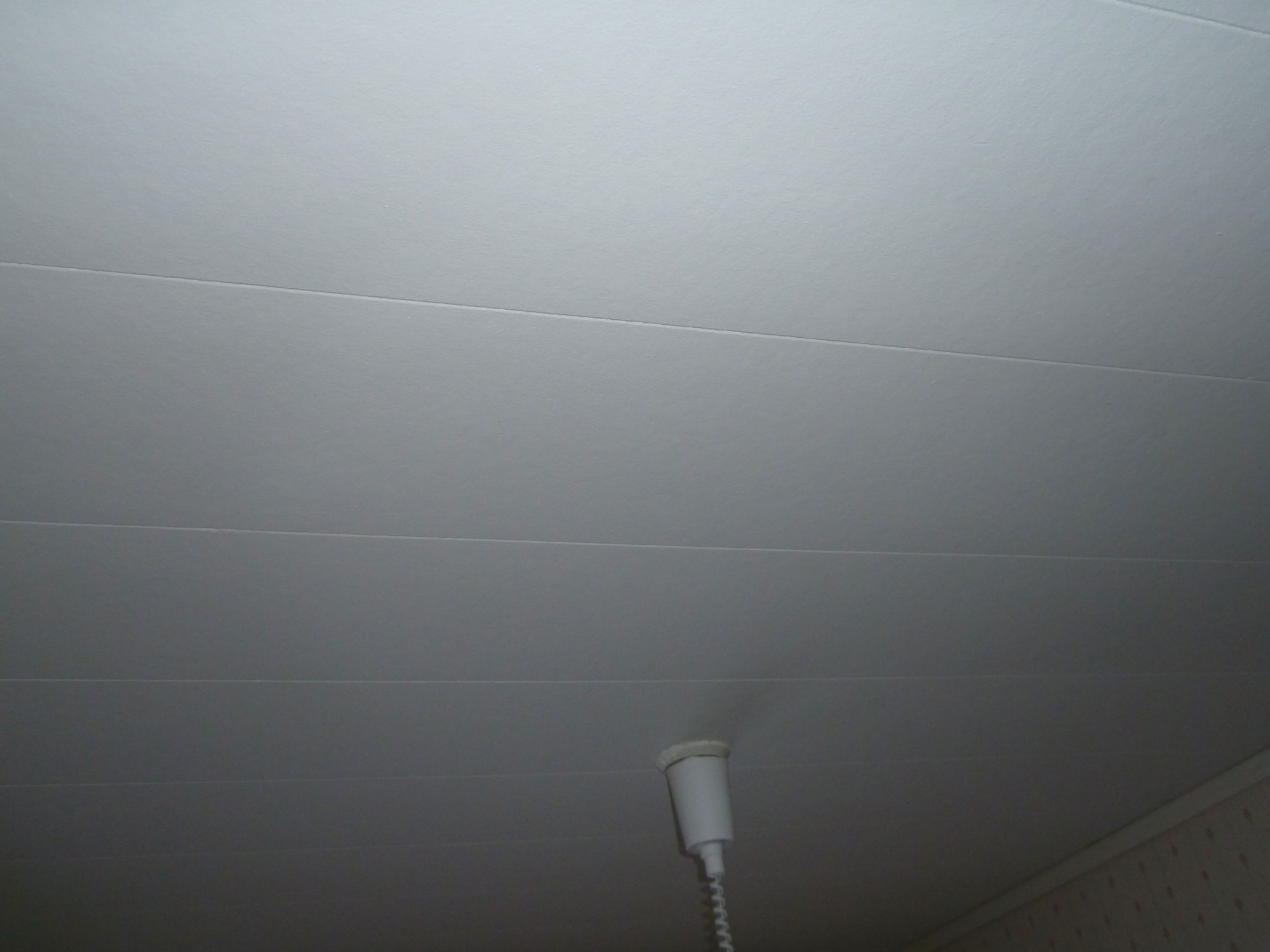
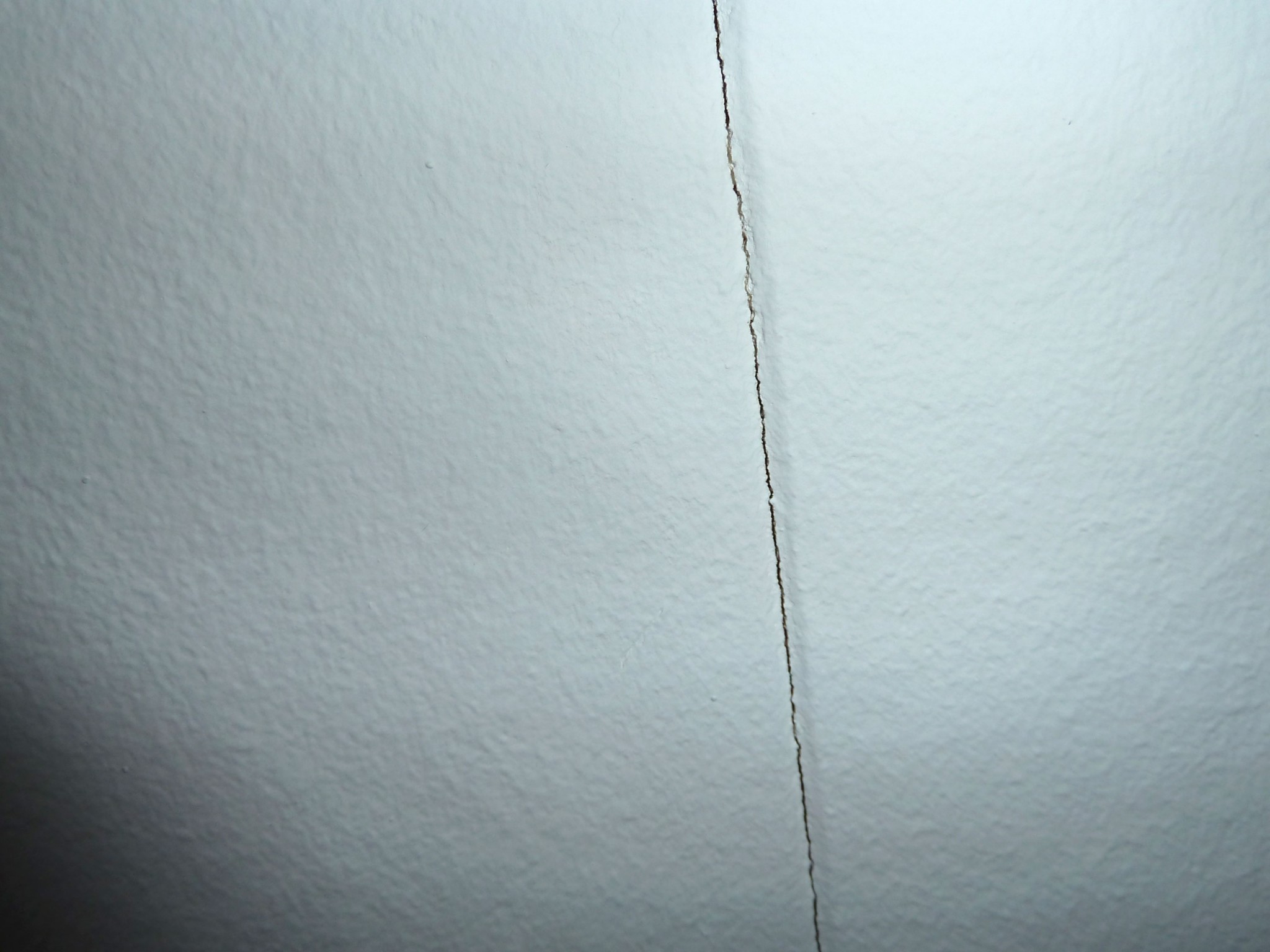
Lastly, these ceiling panels:
I don't know if ceilings can contain asbestos, but it would be good to know. These panels are very reminiscent of particle board when drilling into them. Maybe they are particle board?
If you want to be sure, it's best to submit samples to an analysis company. It costs a few hundred, but it may be worth sorting it out before starting demolition and feeling guilty. I don't see anything that typically contains asbestos in the pictures. Others might. It was a very popular material, especially in the 50s, but was also used throughout the 70s, like backing on floor mats, even though its use began to be limited. When it was at its "worst," it was found in a lot of products, such as screw plugs, paint, glue, tile fix, floor mats, toasters, basically in any product where one wanted to provide fire resistance, heat resistance, or increased durability.
I don't see anything that is "certainly" asbestos either. Between the fibrous material and the plastic mat, it looks like there's a gray-black adhesive. It could possibly be asbestos-containing black adhesive. Do you know when the plastic mat was installed?
Sure, you can send materials to a lab, but in your case, it involves quite a few different samples and thereby also quite a few hundred kronor. The lab I used charged between 500 and 1500 for ONE material sample (depending on how quickly you want the result).
The plasterboards are hard to identify just from the pictures... I've found asbestos in boards that resembled them. Fireproof materials are always in the risk zone Regarding the horsehair layer, it shouldn't be a problem, but black adhesive is a classic. Concerning the ceiling, there are many ceiling tiles that contain asbestos, but they are usually perforated. I guess it's particle board in this case, but as mentioned - if you want to be sure, an analysis is necessary.
Thank you for your feedback. I understand that an analysis is required to safely determine if a material contains asbestos, but I still feel that the responses I have received have brought a bit more clarity.
Pära said:
I also don't see anything that "definitely" is asbestos. Between the fibrous layer and the plastic mat, it looks like there is a gray-black adhesive. Could possibly be asbestos-containing black adhesive. Do you know when the plastic mat was installed?
What I know is that the white plastic mat and the one with the fibrous backing were both there when my parents moved in 1989. The one with the fibrous backing has probably been there since the house was built, but no one really knows for sure.
Since the adhesive will not be torn apart, analysis doesn't feel so important there, but perhaps one should send in a piece of gypsum board for analysis, and possibly a piece of ceiling tile. These are materials you often drill and screw into to attach things.
Does anyone know of a good analysis company that accepts samples from private individuals?
Yes, sorry, I actually aimed my post at the OP, on how the OP could determine if it is tretex. Not to you, because you were probably already sure.
Sorry, that was a bit unclear.
And by the way, hasn't tretex never contained asbestos?
(Also aimed at the OP, and to anyone who has a different opinion, who should therefore share their opinion now. )
And by the way, hasn't tretex never contained asbestos?
+
BiFuel said:
Regarding the ceiling, there is a variety of ceiling tiles that contain asbestos, but these are usually perforated.
What if you have perforated treetex? I myself have perforated treetex ceiling panels in some rooms. If you look at the material itself and crumble it, it looks like any other treetex wall panel. The only difference is that it is perforated about halfway through the thickness, so the holes only appear on one side, namely the side that is visible. It shouldn't contain asbestos, should it?
You are absolutely right to suspect the presence of asbestos in these materials. "Hoping" that it is not asbestos, unfortunately, is wishful thinking. Among the many questions that arise about whether materials may contain asbestos, there is little doubt about your situation:
These fireproof boards in pictures 1 and 2 likely contain asbestos, most likely in the surface layer (more or less visible to the eye), and possibly in the inner layers (the gypsum itself).
As for picture 3, the horsehair is nothing to worry about, but instead the visible fibrous material on the sprayed surface underneath ("popcorn spray"). It almost certainly contains asbestos:
The ceiling tiles may also likely have an asbestos-containing surface coating.
As the previous answer suggested, send in a sample to be sure. If you do not, consider all of this as asbestos-containing and plan your work accordingly. That is, according to the "rulebook" if you care about yourself, family, and neighbors.
Do you have a link to this lab? I need to do some asbestos analyses, but googling for analysis companies is a bit difficult as I'm trying to find firms that cater to private individuals and aren't crazy expensive.
Vi vill skicka notiser för ämnen du bevakar och händelser som berör dig.



 Regarding the horsehair layer, it shouldn't be a problem, but black adhesive is a classic. Concerning the ceiling, there are many ceiling tiles that contain asbestos, but they are usually perforated. I guess it's particle board in this case, but as mentioned - if you want to be sure, an analysis is necessary.