
Hi! Renovating an apartment from the 40s in southern Sweden and wondering what this might be? A hatch in the wall towards the street with a shaft. There are copper pipes here. Planning to renovate the kitchen and wondering if this is something from old times that is no longer used?
Thanks for the help
Thanks for the help
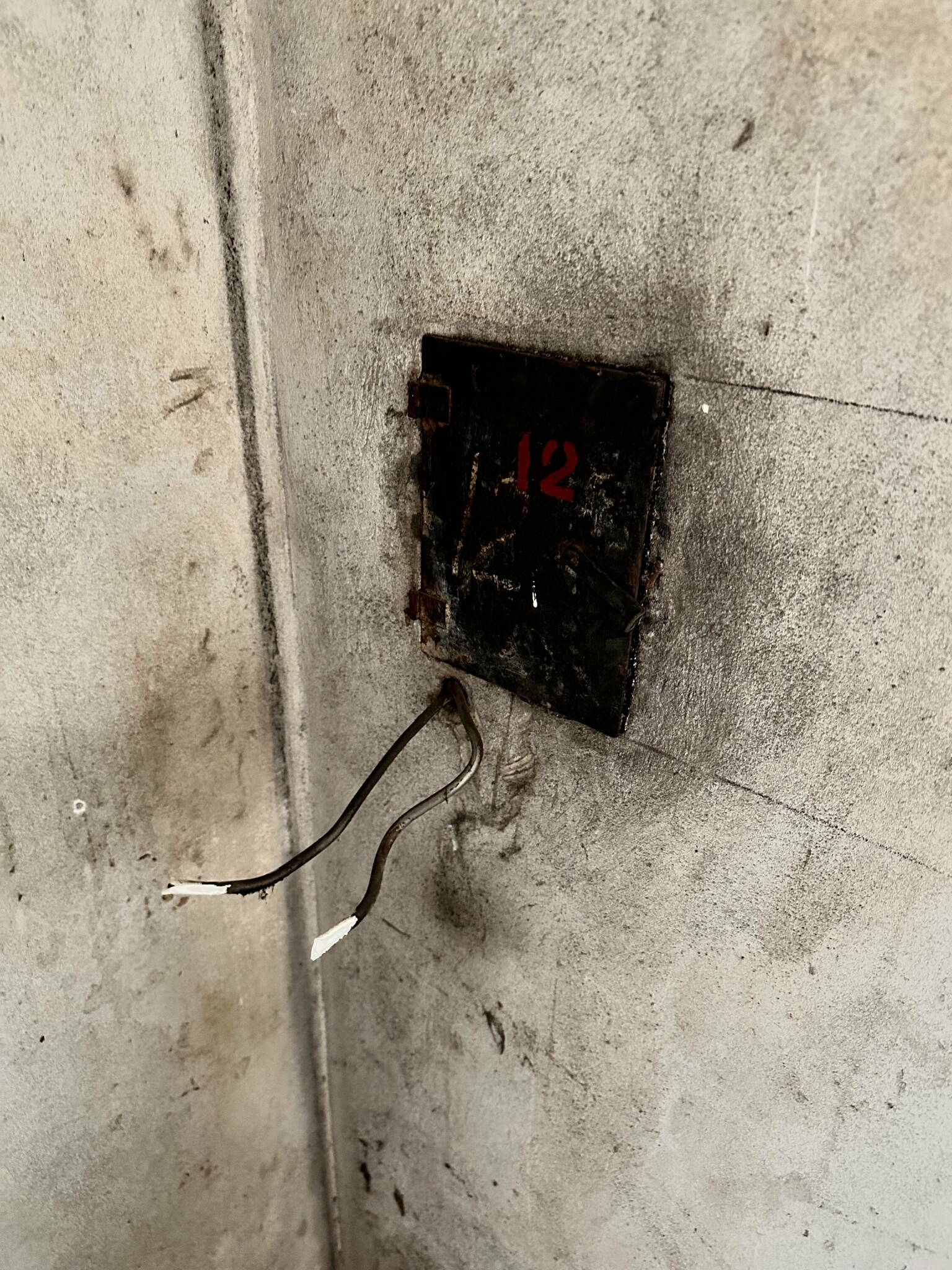
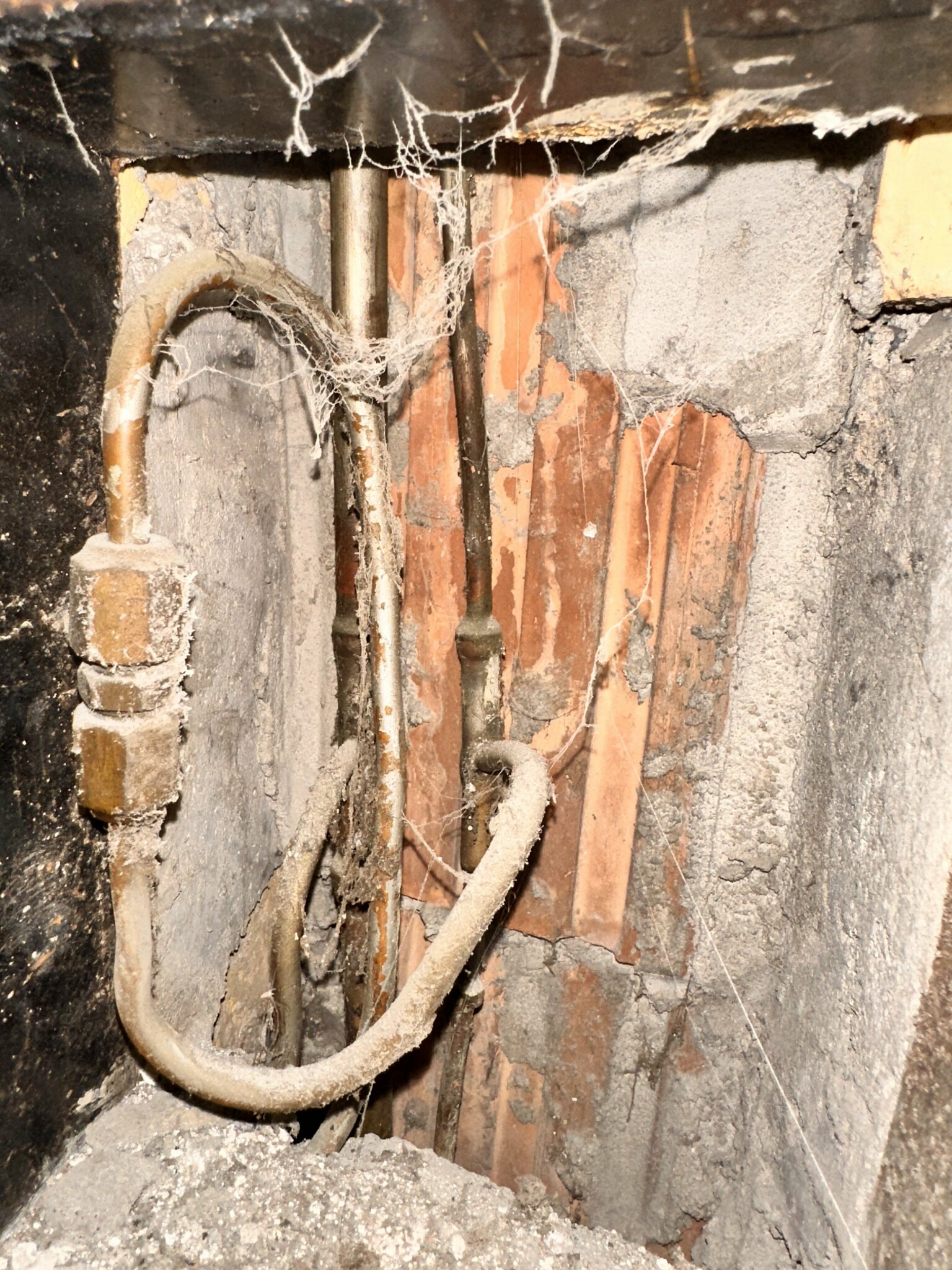
It used to be common to have a cold room instead of a refrigerator. This might remain from that time if so. They were very energy-consuming, so most of them were scrapped quite quickly. The pipes in the wall were probably easier to leave.
Otherwise, they could be gas lines.
Otherwise, they could be gas lines.

Maybe a shaft for gas to the kitchen stove?
Oil burner where the pipes go to a tank for villaolja.
I think I recognize this. Is one of the pipes thicker in the shaft in the wall? Then there is a high likelihood that there was central cooling. That is, there was a cooling machine somewhere in the building instead of a refrigerator with a compressor in every apartment. I live in such a house myself where everything was torn out a long time ago. But there are traces left of the pipes.
The fact that there are two different dimensions on the pipes in the wall suggests a cooling system, as this is how the cooling medium is transported. High pressure in the thinner one and after extracting the cold, the pressure is reduced and the volume of the gas increases = a thicker pipe is needed to transport the gas back to the compressor.
The fact that there are two different dimensions on the pipes in the wall suggests a cooling system, as this is how the cooling medium is transported. High pressure in the thinner one and after extracting the cold, the pressure is reduced and the volume of the gas increases = a thicker pipe is needed to transport the gas back to the compressor.
Best answer
Homeowner
· Norra Roslagen
· 343 posts
Incredible, I didn't know that central cooling was used in apartment buildings in the past, interesting!
As a refrigeration guy, I can agree that it looks like a refrigeration installation. The copper pipes are tin-plated, which is common when we talk about refrigeration pipes. If you have calipers and measure the pipes, they're likely inch-dimensions (6.35mm, 7.94mm, 9.62mm, 12.70mm, 15.88mm, 19.05mm, 22.23mm). Have tin-plated pipes been used in plumbing?
The pipes are brazed, which is always used in refrigeration installations.
The coupling looks like a flare fitting (refrigeration).
My odds point to a refrigeration installation.
As a refrigeration guy, I can agree that it looks like a refrigeration installation. The copper pipes are tin-plated, which is common when we talk about refrigeration pipes. If you have calipers and measure the pipes, they're likely inch-dimensions (6.35mm, 7.94mm, 9.62mm, 12.70mm, 15.88mm, 19.05mm, 22.23mm). Have tin-plated pipes been used in plumbing?
The pipes are brazed, which is always used in refrigeration installations.
The coupling looks like a flare fitting (refrigeration).
My odds point to a refrigeration installation.
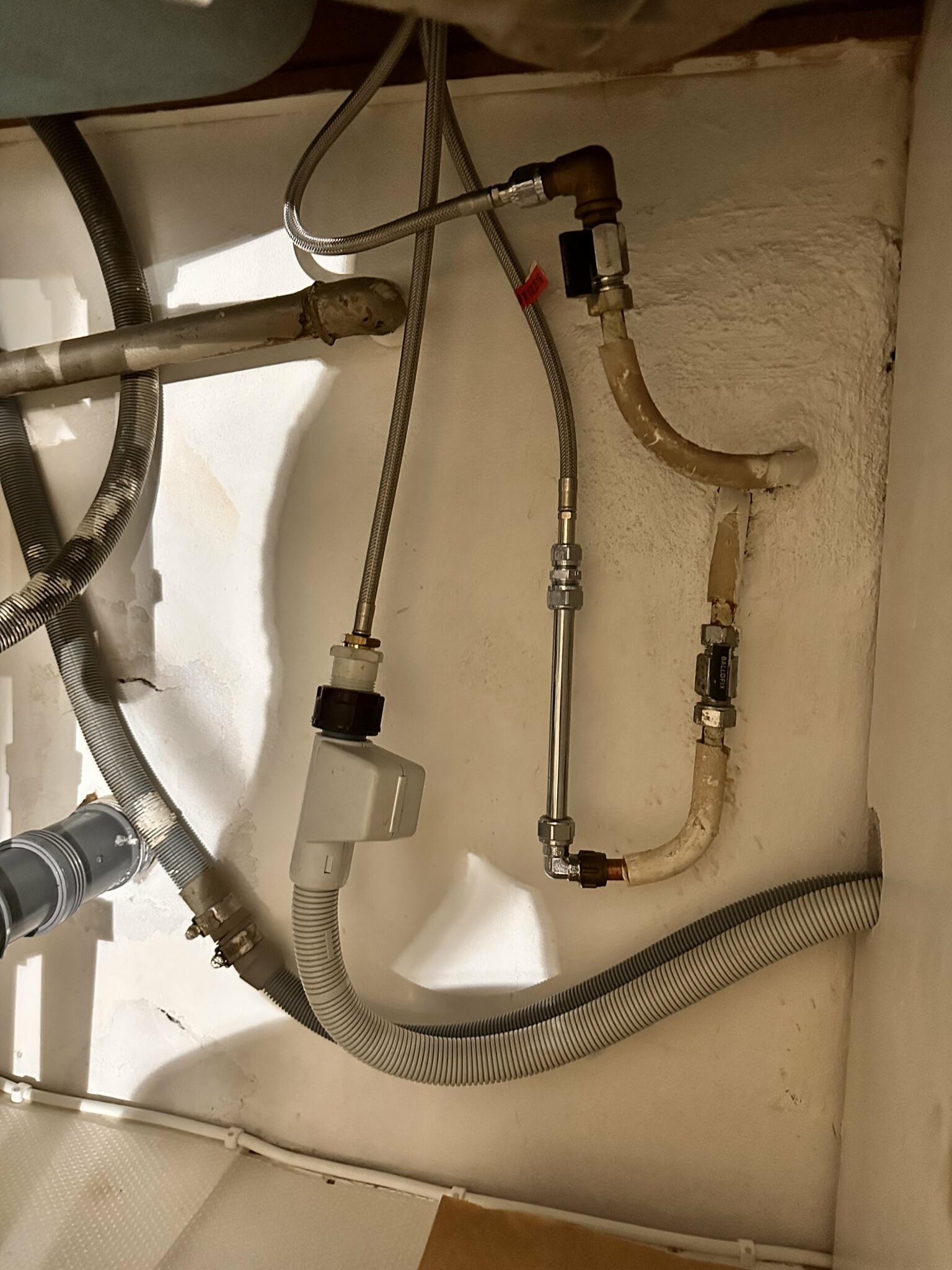
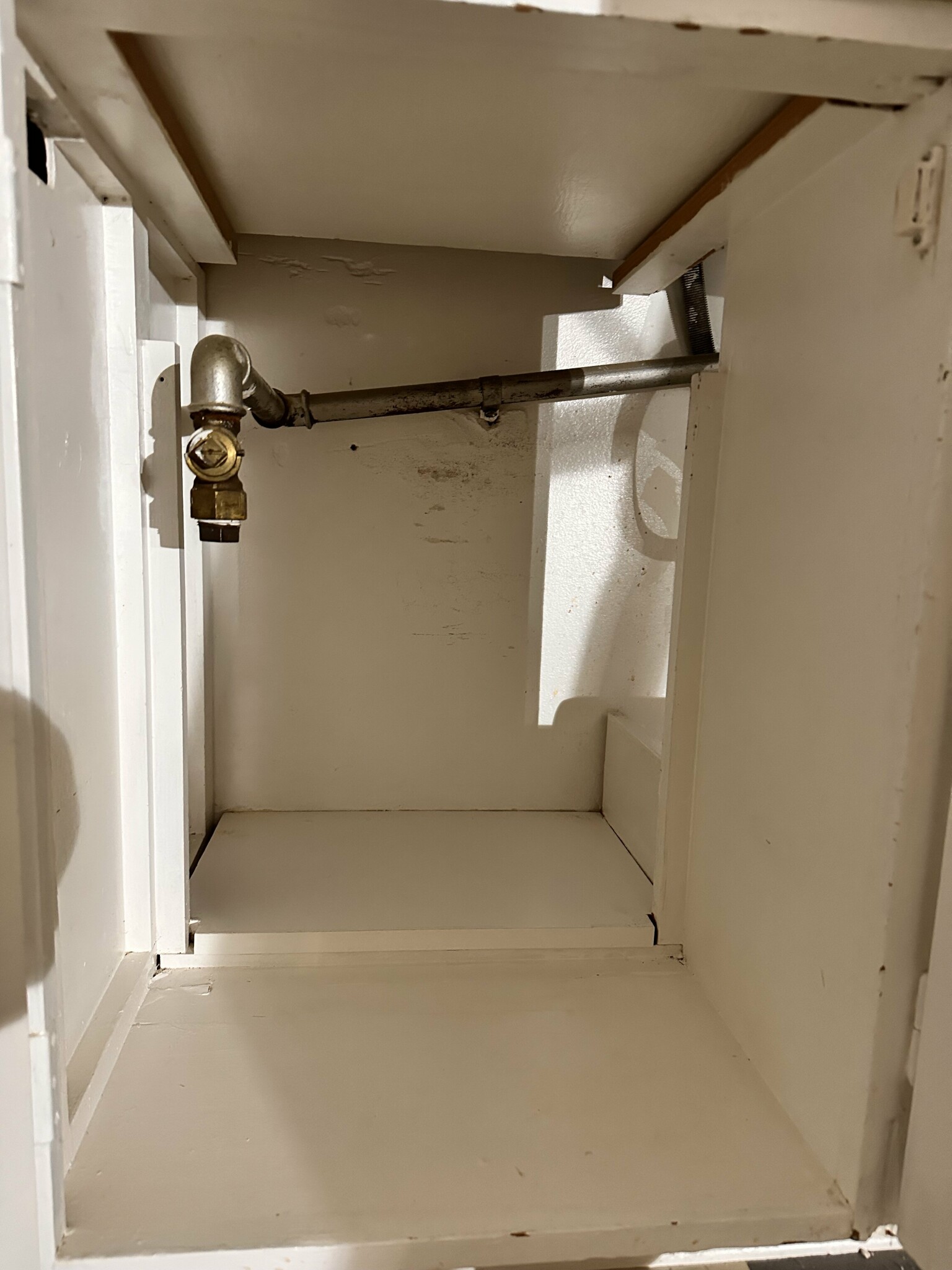
R Real-House said:Incredible, I didn't know they used to have central cooling in apartment buildings in the past, interesting!
As a cooling technician, I can agree that it looks like a cooling installation. The copper pipes are tinned, which is common when we talk about cooling pipes. If you have calipers and measure the pipes, it is likely inch dimensions (6.35mm, 7.94mm, 9.62mm, 12.70mm, 15.88mm, 19.05mm, 22.23mm). Have tinned pipes been used in plumbing?
The pipes are brazed, which has always been used in cooling installations.
The coupling looks like a flare connection (cooling).
My odds point to a cooling installation.
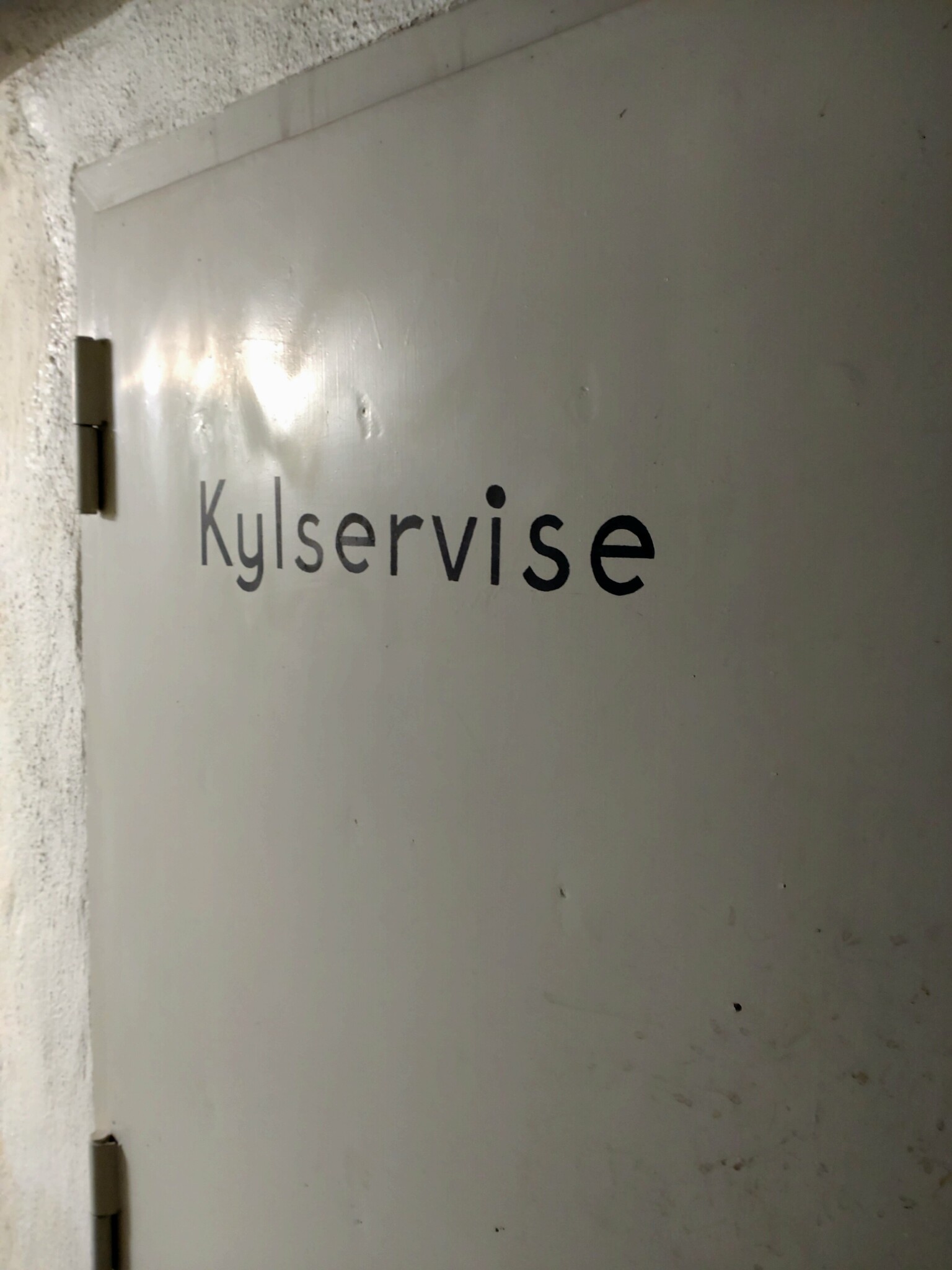

The engine room remains in the house, in the room there are only the foundations of the cooling machines left.
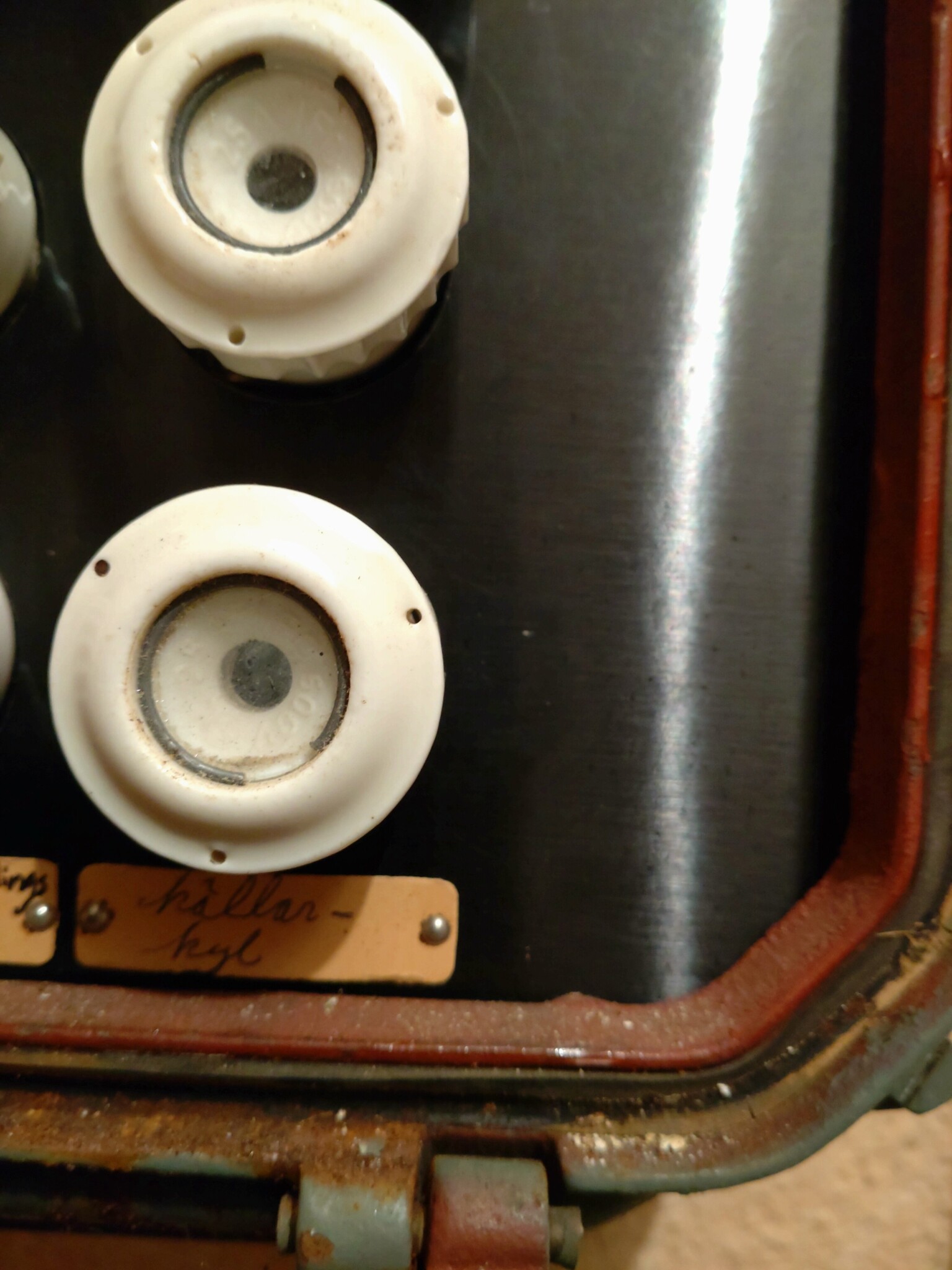
An empty three-phase group witnesses a bygone era "basement cooling."
The house this is in was built in 1953-1954.
I don't know how long there was central cooling, but many unrenovated kitchens in the apartments have an older external kulo cable leading to the fridge. (The rest of the electricity is recessed) So the electricity to the fridge was probably added afterwards, presumably when the cooling machines were scrapped.
Click here to reply