I renovated a basement with similar conditions as yours, although somewhat older, so there was no recessed electricity in it. I had a vinyl floor and particle board closets etc. that smelled of mold.
The end result was new plaster on the walls (I had to sand off the plastic paint on the exterior walls) and these were painted with lime paint. Lime paint is wonderful as no mold can grow on it due to the chemistry, and it is completely vapor-permeable so any moisture is easily ventilated out, no matter where it comes from.
We laid tiles on the floor. In the summer, we used a dehumidifier there because it was cooler, so the relative humidity would otherwise become too high during the summer when the warm outdoor air contains a lot of moisture.
The result was very good. No more mold smell.
It's the same for us too. Cold (=cool/nice) in the basement during the summer months, when the rest of the house sometimes gets way too hot. A dehumidifier is a good idea I should probably get one, as the basement's humidity during the summer likely contributes greatly to the moisture issues there.
Regarding paint, I'm leaning towards some kind of silicate variant. (I don't like the "living patterns" of lime paint) But that will be a chapter for later… First, dig up the foundation outside to see what it looks like. And of course, tear up the floor down to the concrete...
Now the floor is completely torn up, after some cursing, mild violence, a few unpleasant stone crickets, and a sawed-off blade for the jigsaw.
It required a vacuum cleaner for coarse debris to remove water and sawdust-clay from the Platon mat before I could roll it up and throw out the mess.
Directly on the concrete slab was a not insignificant amount of water, and of course, it's not far-fetched to guess that it might look quite similar in the rest of the basement. However, I won't be tackling that immediately; the plan is to start with this room and see how it goes (mainly if it becomes livable during the winter).
Now to the questions:
1. What should I do about the electricity? Should the wiring be "put into" the plaster or placed on the surface (and how should I generally think about the wiring/outlets)?
2. Should I "even out" the floor (up to 1 cm deep holes in some places), and if so, with what?
Have I missed something? Shouldn't you find out where the water is coming from before you continue working on the inside?
If there's been so much water that it was standing above the platon mat, it must have seeped in. If you don't solve that problem, the room will get wet regardless of the wall and floor coverings.
Did I miss something? Shouldn't you find out where the water is coming from before you continue working on the inside?
If so much water has come in that it was above the platon mat, it must have run in. If you don't solve that problem, the room will get wet regardless of the wall and floor covering.
/M
No, you are absolutely right. I plan to dig around the foundation externally before tackling the room from the inside. The project involves both external and internal "renovation." The room should dry properly first anyway, so I have time.
I'm just asking to know in advance how to proceed when I later start with plastering the inner wall (with type B-mortar or C-mortar)
The moisture (or rather the water) most likely comes from both the outer wall and the foundation slab. Therefore, the idea is not to place anything in the room at all (no floor construction whatsoever and absolutely no internal material/insulation on the walls) but simply make it a "bare stone room" first and foremost.
Heating, possible floor mat, and such will come later. I will return with more pictures (and surely some thoughts) when I've had the chance to dig around the foundation and see how it looks.
Now I'm also completely new to moisture remediation and rebuilding rooms in the basement to residential standards. However, in the fall, I'm planning to convert a room in my basement to residential standards. I don't have any moisture problems there today, but I don't want to create any when I rebuild, so I'm going to make my own ventilated floor instead of buying a ready-made one (it costs a FORTUNE). Against the concrete floor, I'll lay 20x20 square steel tubes as a frame. I'll use those tubes to build the walls for the channels (25cm wide) with OSB or chipboard as the ceiling. Then 4 inward-blowing and 4 outward-blowing silent computer fans to create airflow in the channels. I'm not sure how effective it will be, but the boards won't be touching the concrete, and even if there's only a little airflow, it should be sufficient for most needs. And as a bonus, you can always inspect with a 300kr 10m inspection cable (the kind you connect to your mobile).
For your current problem, I would have a dehumidifier + heater running 24/7 for a month or so. I encountered a water damage issue in a kitchen in an apartment I was renting... they used exactly that setup. Dehumidifier + heater for 4 weeks to dry out, and this was in the middle of summer. Before deciding how to proceed with the floor and reconstruction.
While it's drying, you can always start working on the exterior.
Now I am also completely new to moisture remediation and rebuilding rooms in the basement to residential standards. However, I am planning to renovate a room in my basement to residential standards this fall. I don't have any moisture problems there today, but I also don't want to create any when I rebuild it, so I will make my own ventilated floor and not buy anything pre-made. (it costs a FORTUNE) Down towards the concrete floor, I will lay 20x20 square steel tubes as the framework. I use those tubes to build the walls of channels (25cm wide) Kind of OSB or particle boards as the ceiling. Then 4 pushing & 4 pulling silent computer fans to create airflow in the channels. I don't know how much it will achieve, but partly, the boards won't be against the concrete, and even if it's just a bit of airflow, it should be sufficient for most things. And as a bonus, you can always inspect with a 300kr 10m inspection cable (the kind you connect to your mobile).
For your current problem, I would get a dehumidifier + heater to run there 24/7 for a month. I encountered a water damage issue in a kitchen in an apartment I rented... they used precisely this setup. Dehumidifier + heater for 4 weeks to dry it up & this was in the middle of summer. Before you decide how to proceed with the floor & rebuilding.
While it is drying, you could always start working on fixing the outside.
Thanks for the tips! I'll borrow a dehumidifier this weekend, and I already have a heater running, then I'll leave the room for now while I tackle the outer wall and digging around the foundation instead. Maybe I'll even manage some paving out of pure momentum
Regarding your own project - it sounds interesting that you're planning to make a DIY ventilated floor! The principle is, of course, not rocket science, and I initially considered it too but opted out due to the risk that it costs more than it's worth (in terms of time) and besides can't bear the thought of any organic material at all in the basement, considering what it looked like now when I stripped the room...
But you must promise to post pictures on the forum when it happens, it would at least be fun to follow the project!
Thanks for the tips! I'll borrow a dehumidifier for the weekend and I already have a heater running, then I'll leave the room alone while I tackle the outer wall and digging around the foundation instead. Maybe I'll manage some paving too just out of pure momentum
Regarding your own project - it sounds interesting that you're planning to take on the mechanical ventilation floor yourself! The principle isn't exactly rocket science, and I was considering it at first as well but decided against it due to the risk it might cost more than it's worth (in terms of time) and besides, I can't stand the thought of organic material at all in the basement, considering how it looked when I stripped the room..
But you must promise to post pictures on the forum when it happens, it would at least be fun to follow the project!
Yep, I will do that.
The room will be in the fall... hoping to have it completed by September at least.
I have a lot of other projects that are underway that have a bit higher priority right now.
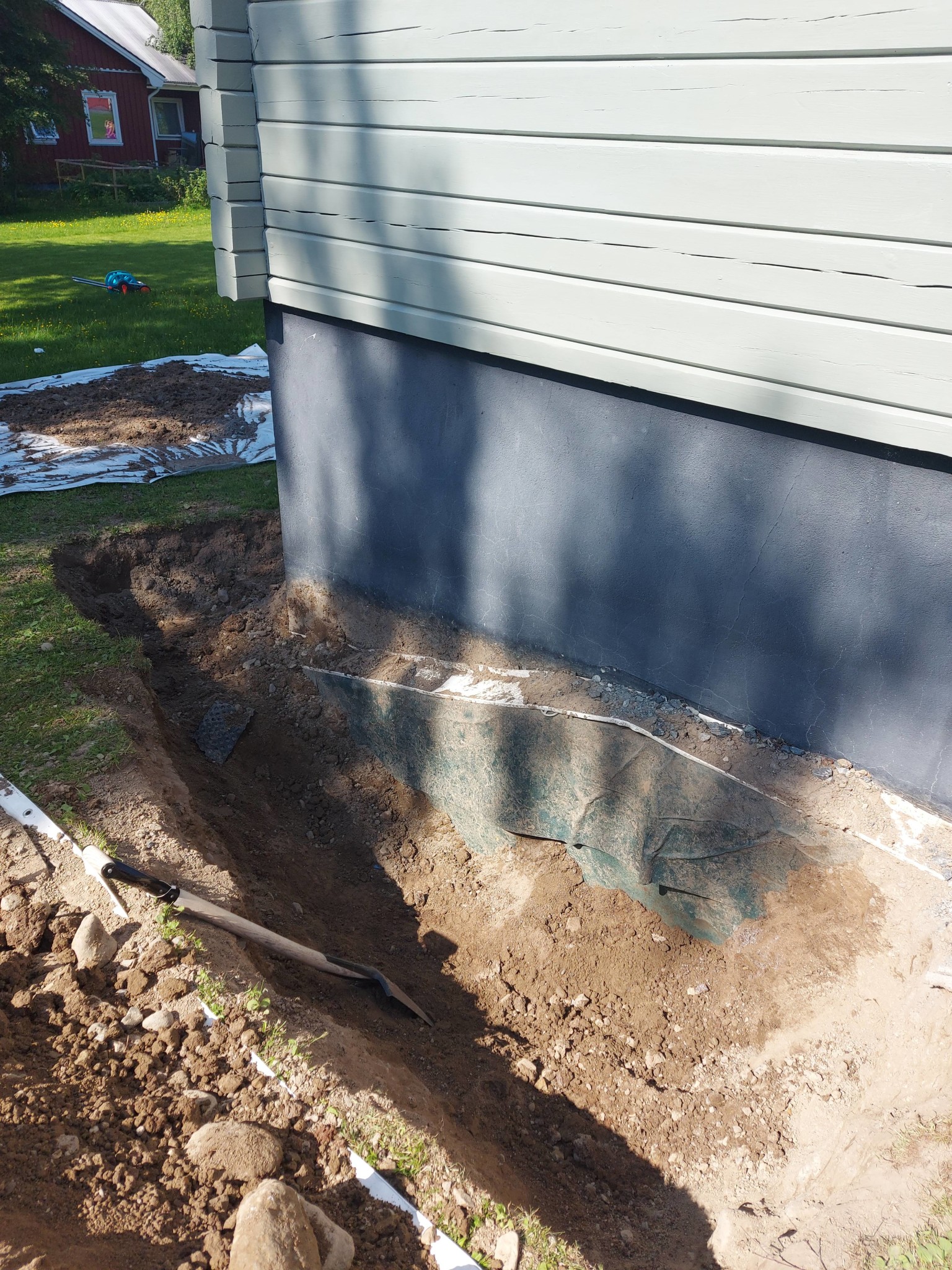
The house foundation is finally excavated (after sweating it out against large stones and arguably half the area's population of horseflies)
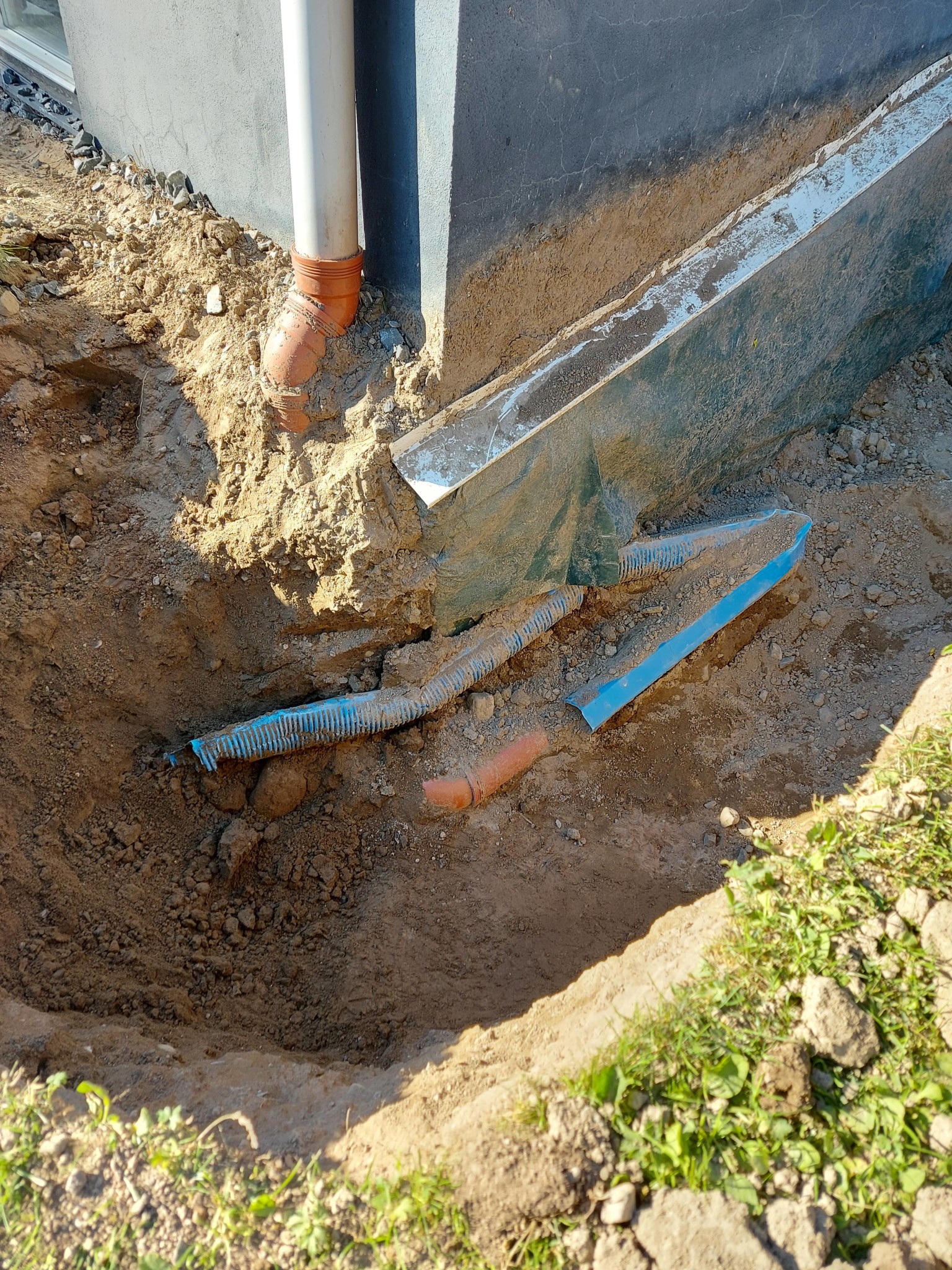
Unfortunately, it doesn't provide any particularly convincing answers as to what might have caused the moisture intrusion in the basement room inside. The soil closest to the house wall (against the Isodrän boards) was quite clay-like and also rather damp, but surely the Isodrän boards are supposed to protect against that?
The Isodrän boards seem to be laid as they should, i.e., all the way over the ledge.
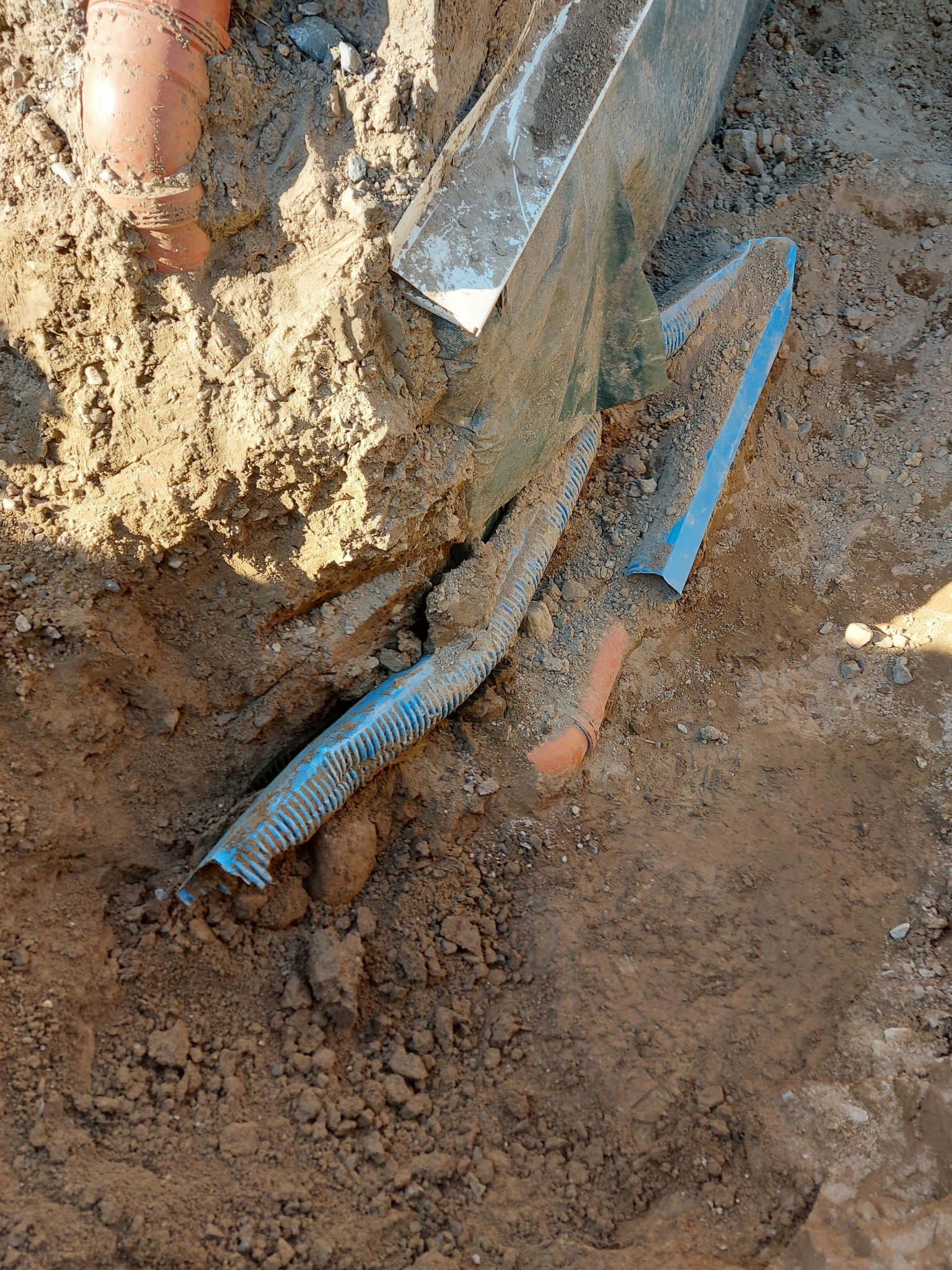
Right where the black cover on the Isodrän boards ends at the lower edge, a ground fabric has been laid out about 50 cm wide (underneath there is coarse gravel and probably also a drainage pipe). I guess this is the usual practice, but could the ground fabric have contributed to "retaining" moisture in the clay soil above?)
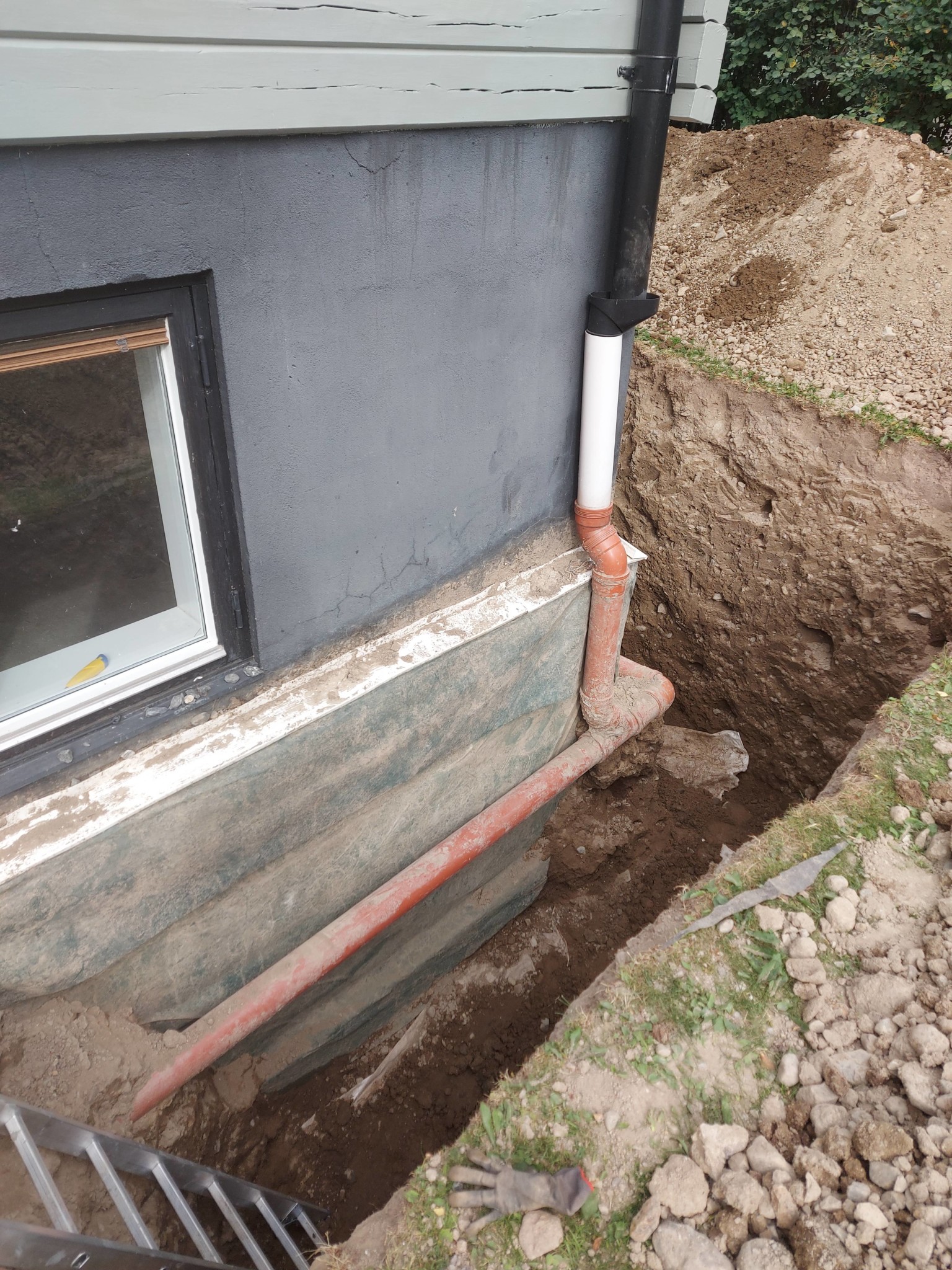
The pipes in the pictures are connected to the house's downspouts/gutters and lead to a stormwater well in front of the house (Should I check with a spirit level to see that the pipes really slope down towards the well?) Anyway, they are intact and don't appear to be causing the basement problems.
I find two things that (possibly?) might have contributed to the issue.
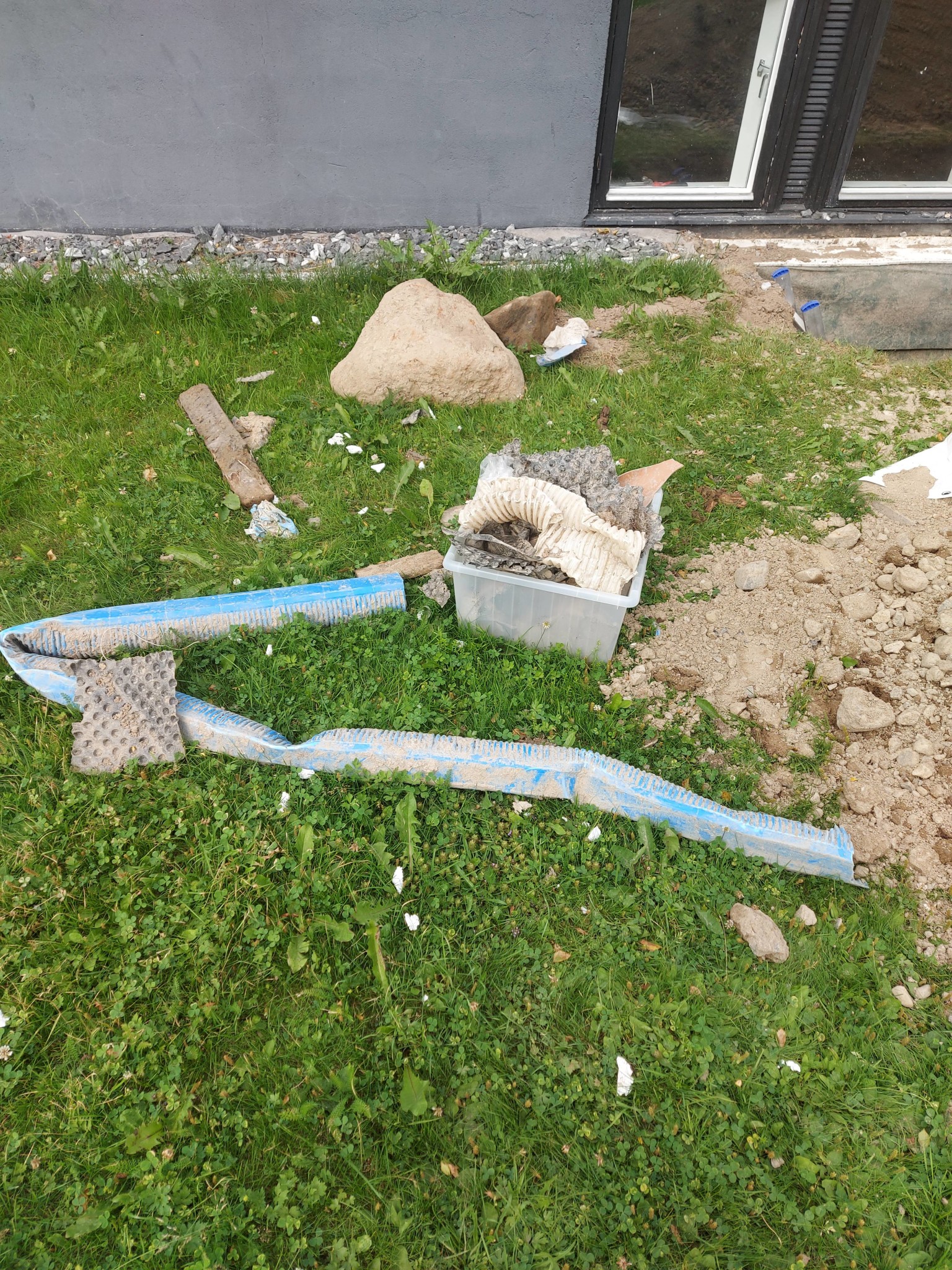
1. Among buried "debris" (mostly wood pieces, nails, and plastic) was a part of an old drainage pipe right against the wall:
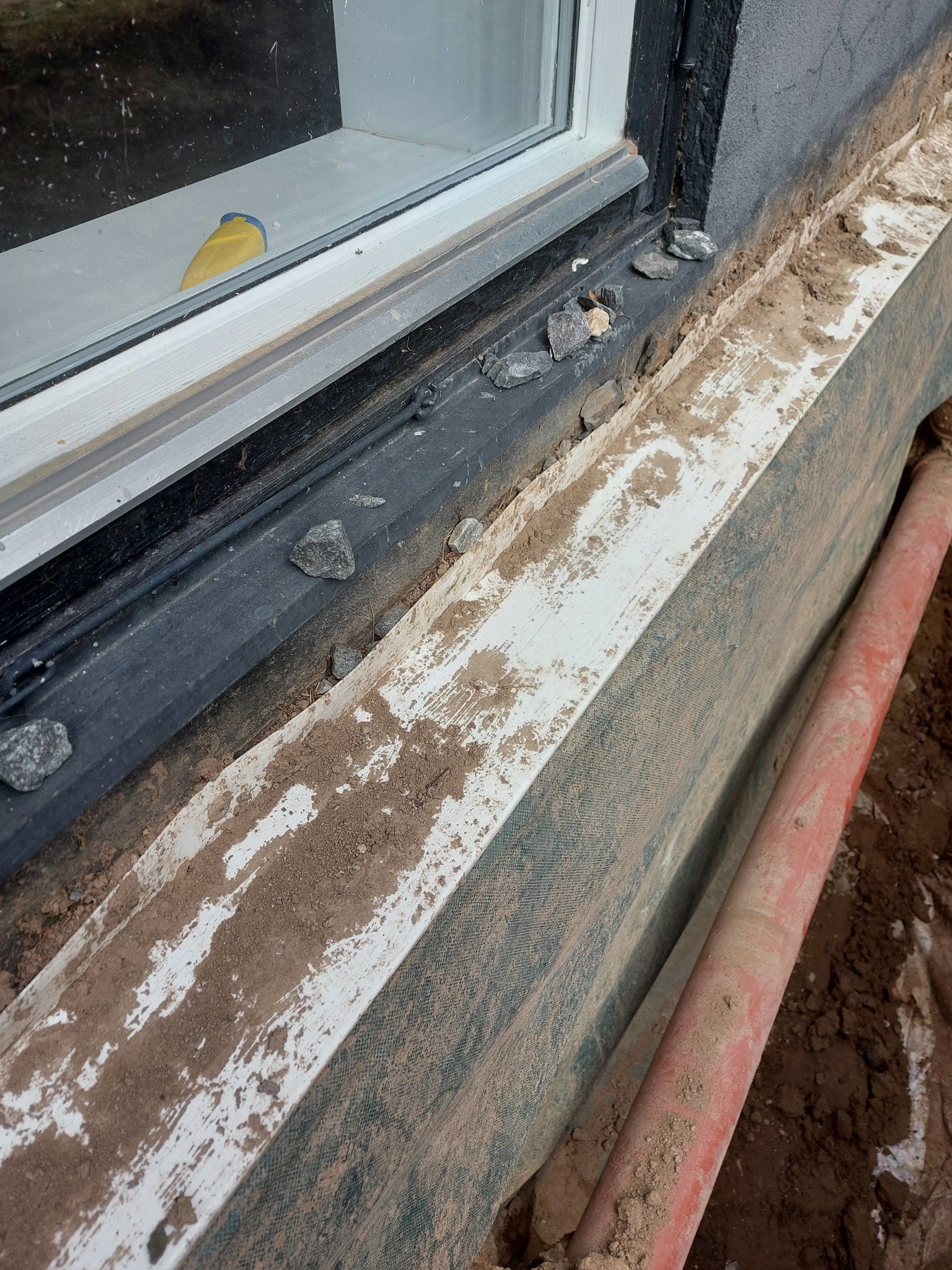
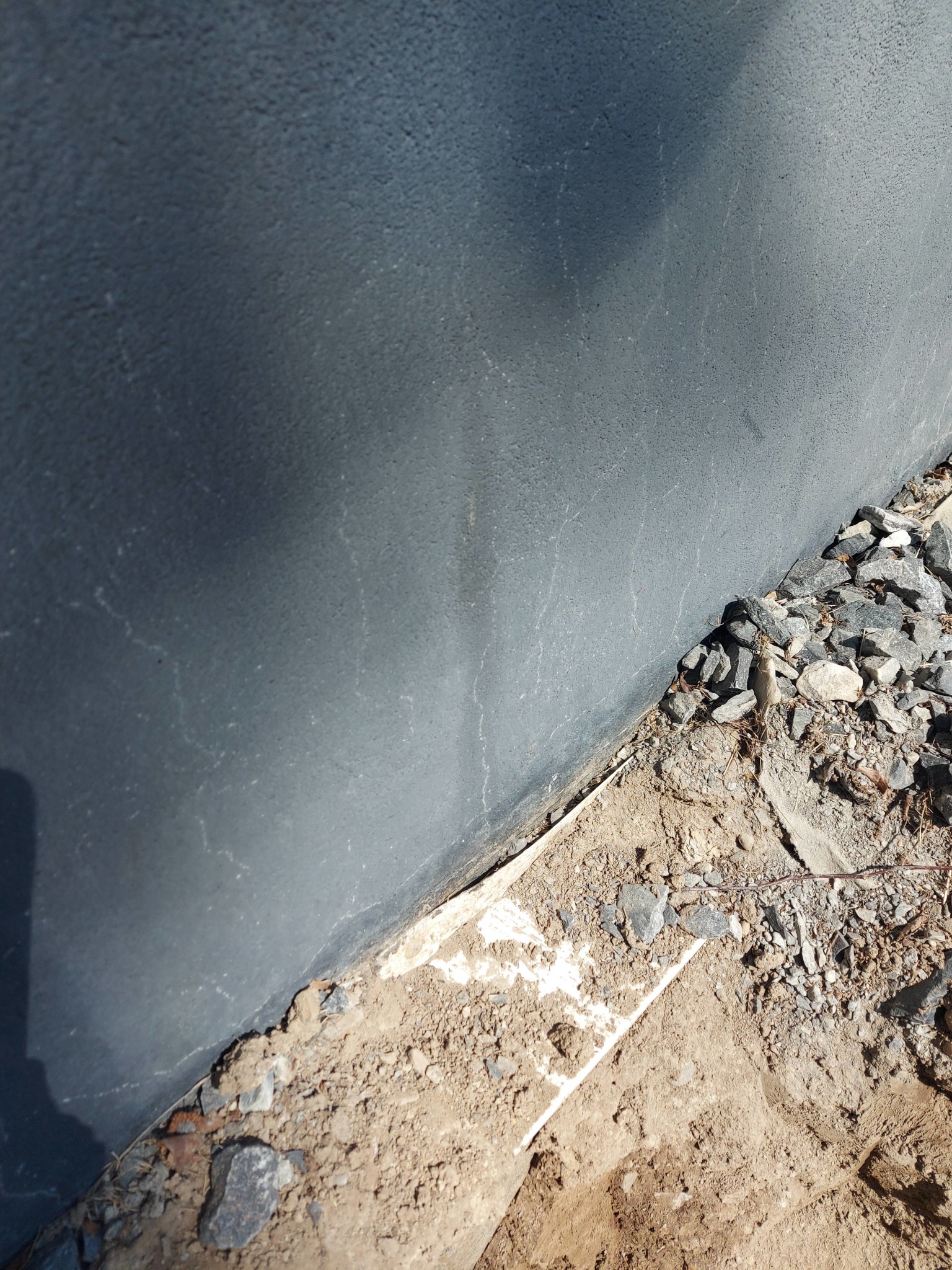
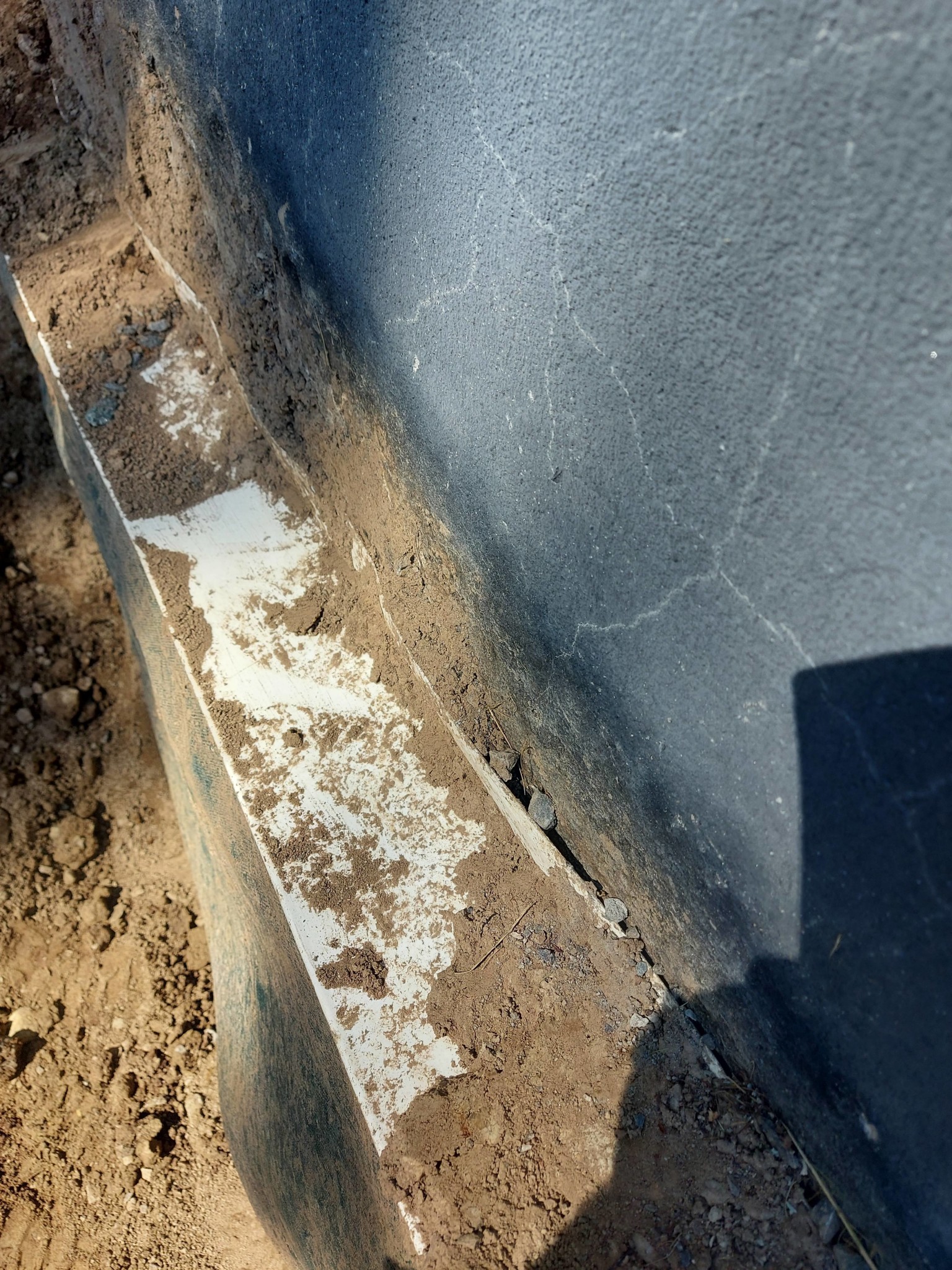
2. The "roof" on the Isodrän boards does not fit tightly against the house foundation but bulges out up to 1 cm in some places, where soil/small stones have also stuck. Could rainwater have made its way in towards the house foundation and become lodged there?
Anyone with experience in drainage / house foundations / moisture protection who might be able to clear up my questions?
The house foundation has been dug out at last (after sweating and struggling against big stones and approximately half of the area's horsefly population)
Unfortunately, it doesn’t provide any particularly convincing answers as to what might have caused the moisture intrusion into the basement room inside. The soil closest to the house wall (towards the isodrän panels) was quite clayey and also quite moist, but surely the isodrän panels should protect against that?
The isodrän panels seem to be laid as they should be, i.e., all the way over the plinth.
Right where the black covering of the isodrän panels ends at the bottom edge, a marker fabric about 50cm wide has been laid out (underneath it lies coarse macadam and presumably also a drainage pipe). I guess this is customary, but could the marker fabric have contributed to "retaining" the moisture in the clay soil above?)
The pipes in the pictures are connected to the house’s guttering and lead to a stormwater well in front of the house (Should I check with a level to ensure that the pipes indeed incline towards the well?) Anyway, they are intact and don’t seem to cause the basement problems.
I do find two things that (possibly maybe?) could have contributed to the issue.
1. Among the buried "spill waste" (mostly wood pieces, nails, and plastic) was also part of an old drainage pipe right against the wall:
[image] [image] [image]
2. The "roof" on the isodrän panels does not fit tightly against the house foundation but bulges out up to 1 cm in some places, where soil/pebbles have also gotten stuck. Could rainwater have seeped towards the house foundation and been trapped there?
[image] [image] [image] [image]
Anyone with experience in drainage / house foundations / moisture protection who might be able to clear up my questions?
And above all - what to do now??
//Yours sincerely, Skrot-Karlsson
I guess on the incorrectly placed leaf trap on the downspout. The downspout should be placed directly over the “grate” so that the water can continue directly into the pipe that goes into the ground. As it is now, the downspout comes down where you are supposed to remove all the “debris” that comes down. So I guess a lot of water rushes out and down along the basement wall and in between the pordränen and seeps into the basement. I actually don’t think it’s more complicated than that.
I guess it's the incorrectly placed leaf strainer on the downpipe. The downpipe should align directly with the "grate" so the water can continue straight down into the pipe leading into the ground. Currently, the downpipe ends where you need to remove all the "debris" that comes down. So I guess a lot of water gushes out and down along the basement wall, gets between the drainage, and seeps into the basement. I don't think it's more complicated than that.
Well, I've noticed afterward that some water splashes out when it rains (I actually had no idea what it should look like) and also guessed that it might be part of the explanation for the basement problem.
Anyway, I had planned to skip the solution of directing the rainwater underground and instead put barrels under the downpipes.
Now, as I said, I don't know if that's the whole explanation, but it would be incredibly nice if it was. If so, it's almost already sorted!
I still have quite a bit of internal tinkering left. But 1000 thanks for the input!
Bumping this:
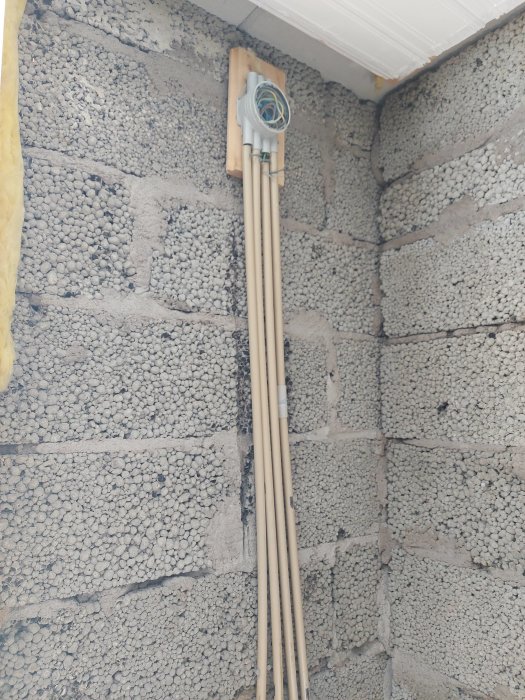
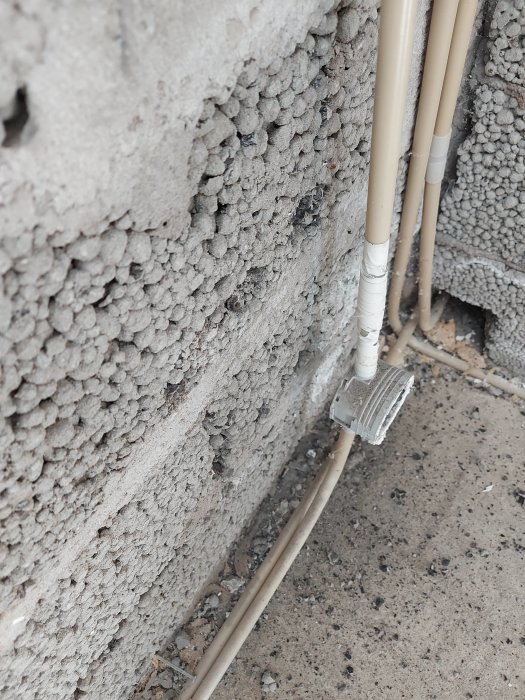
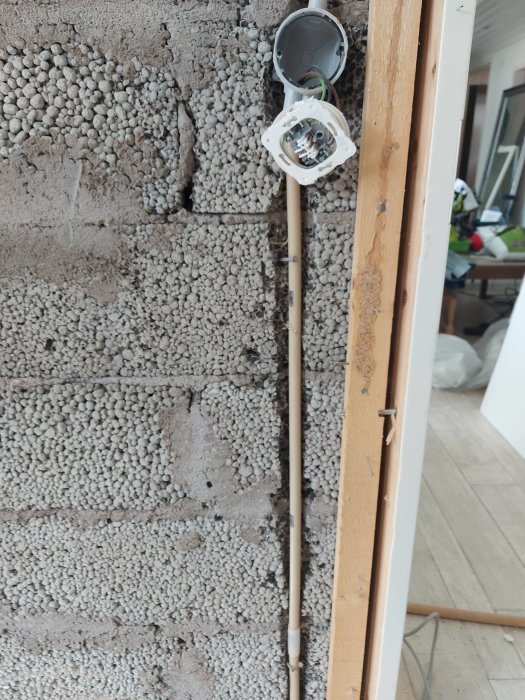
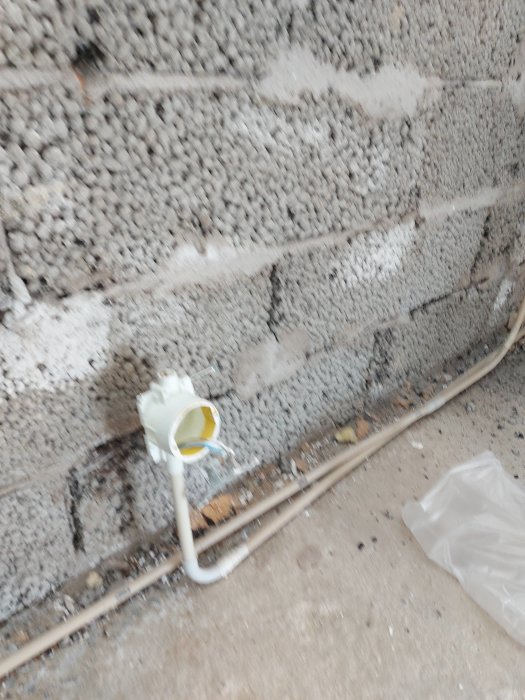
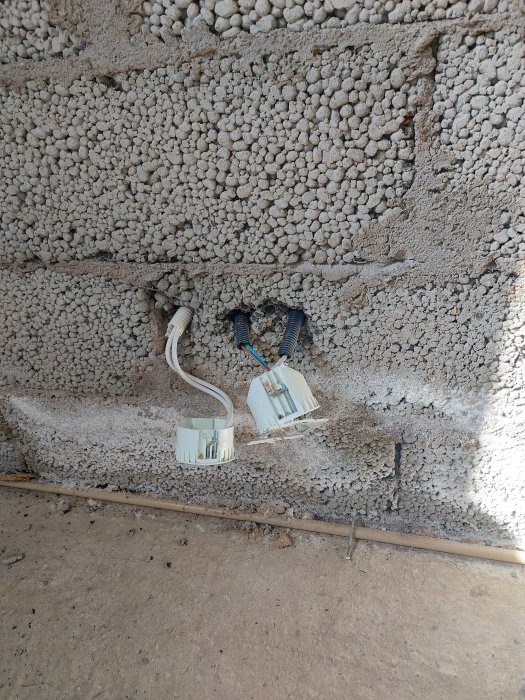
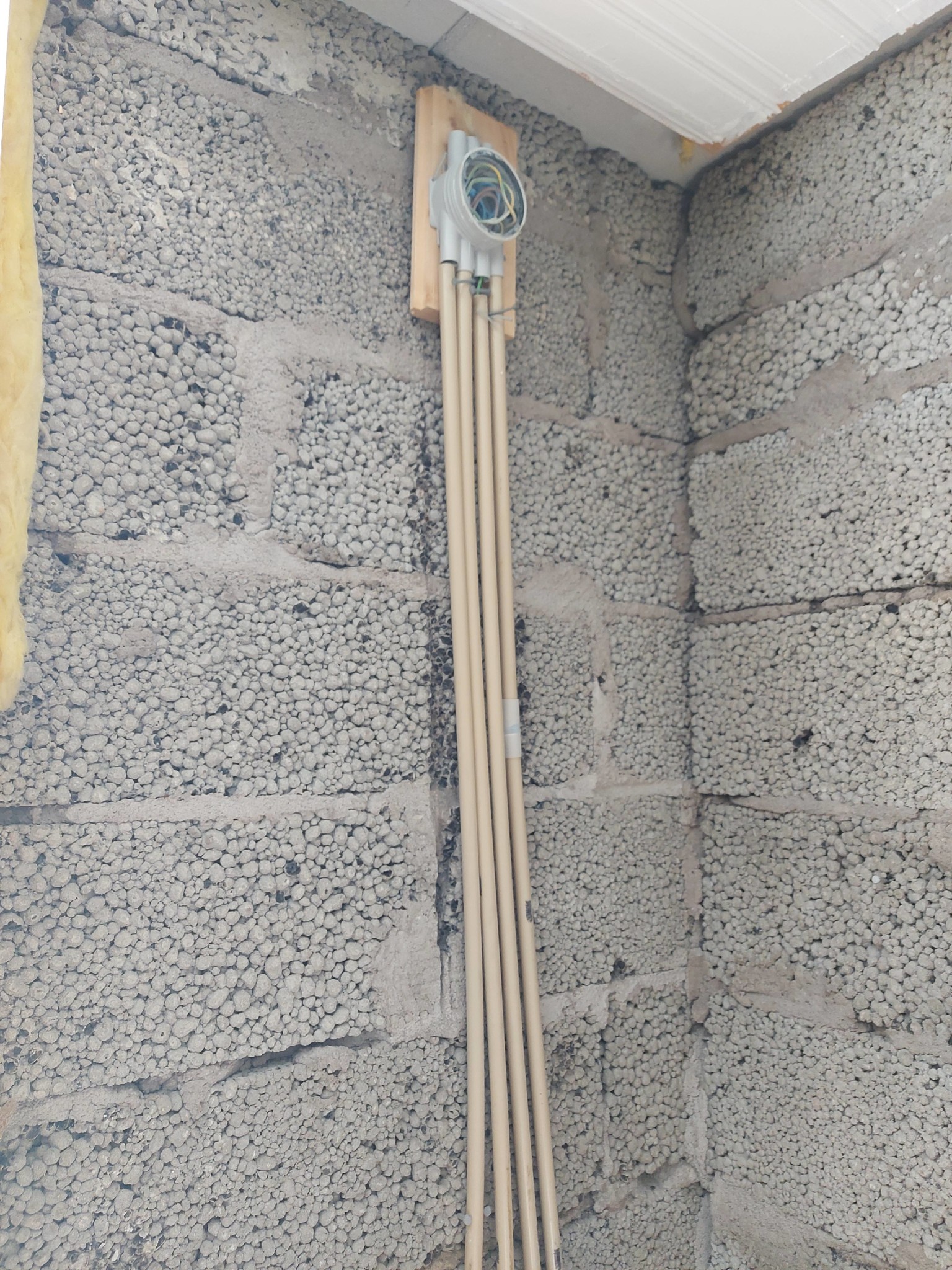
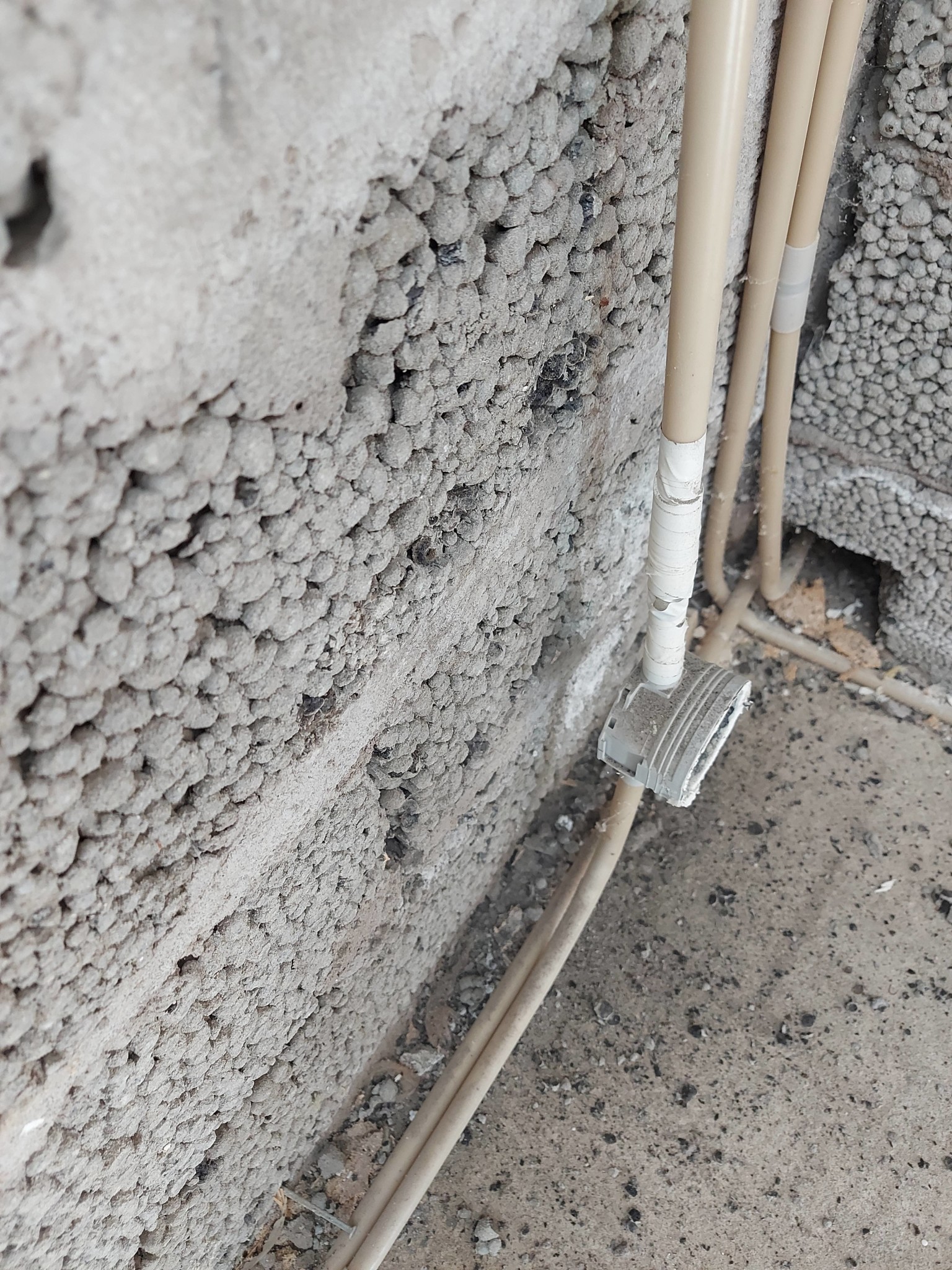
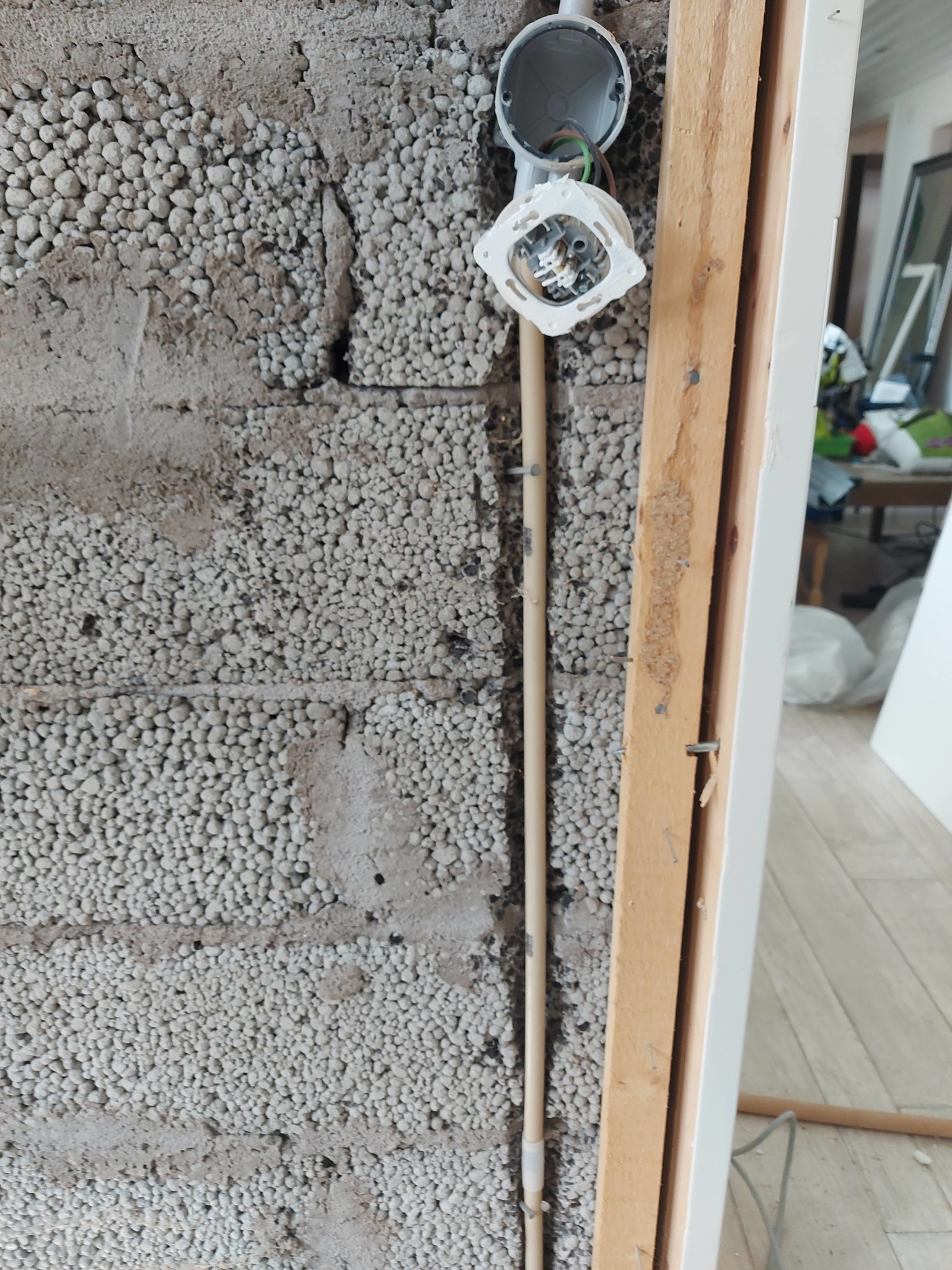
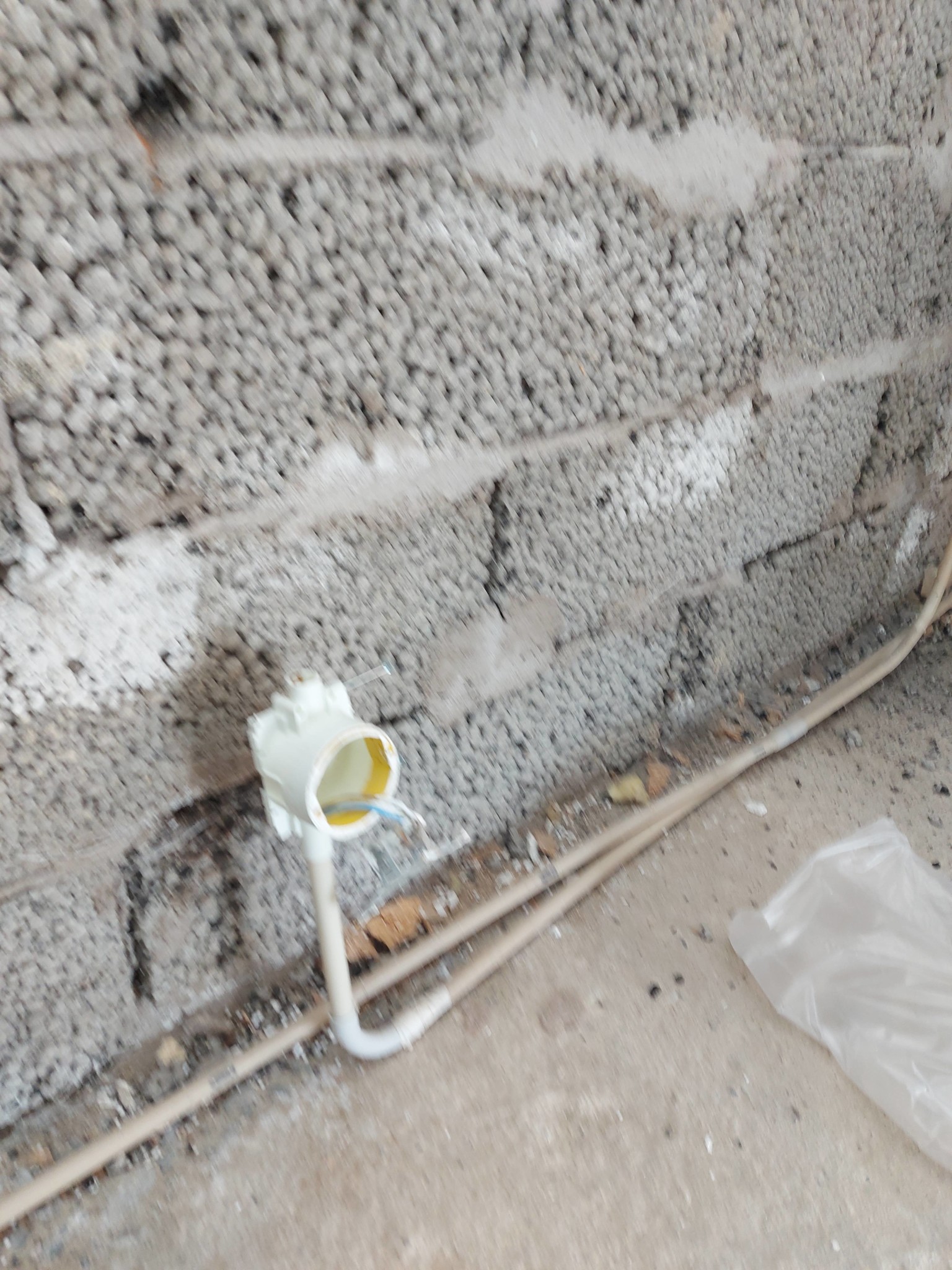
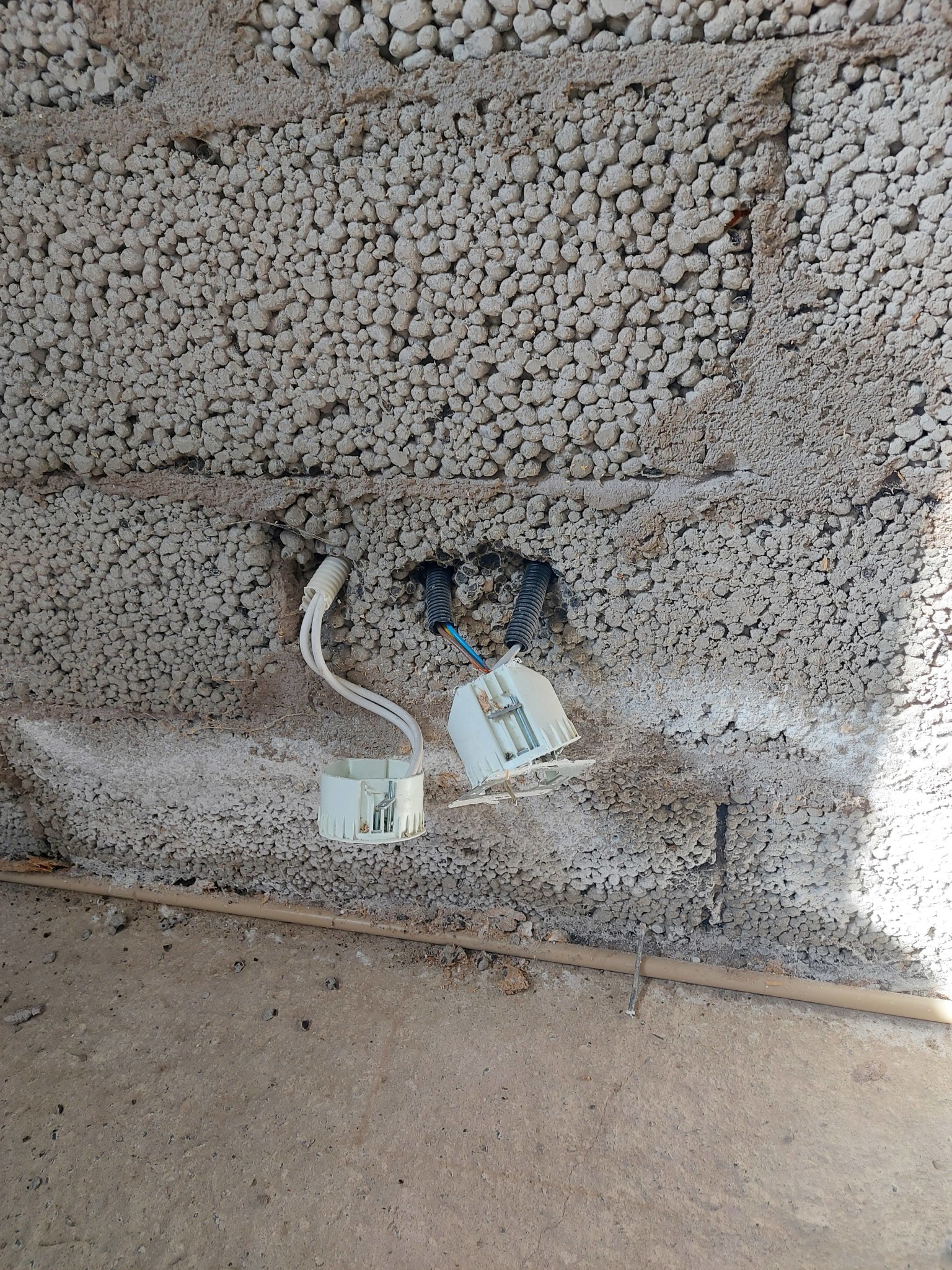
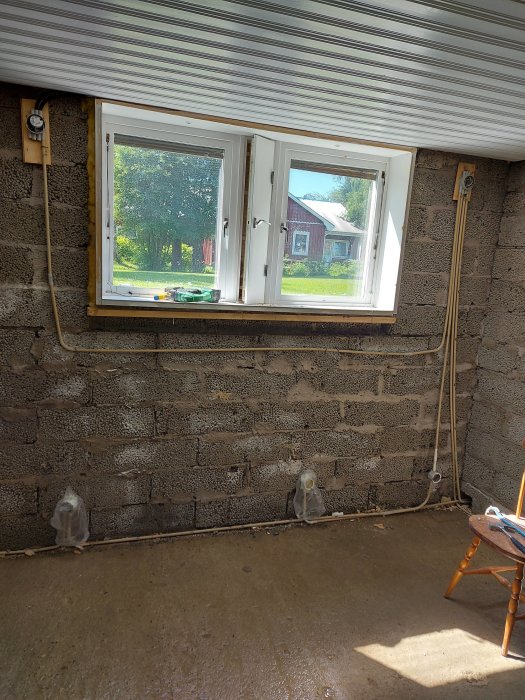
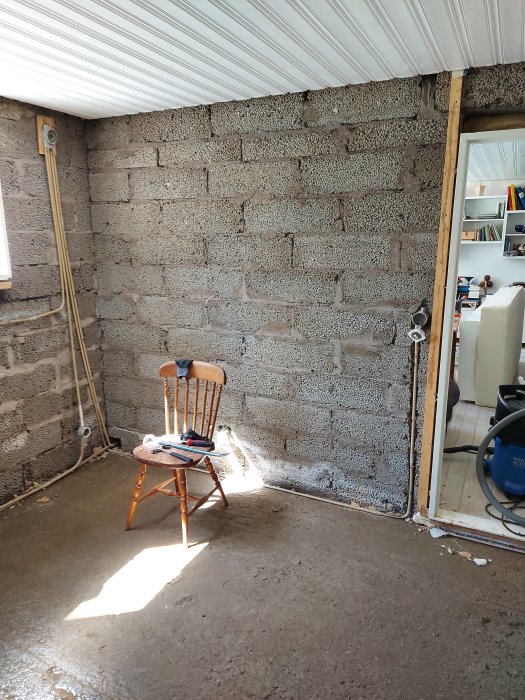
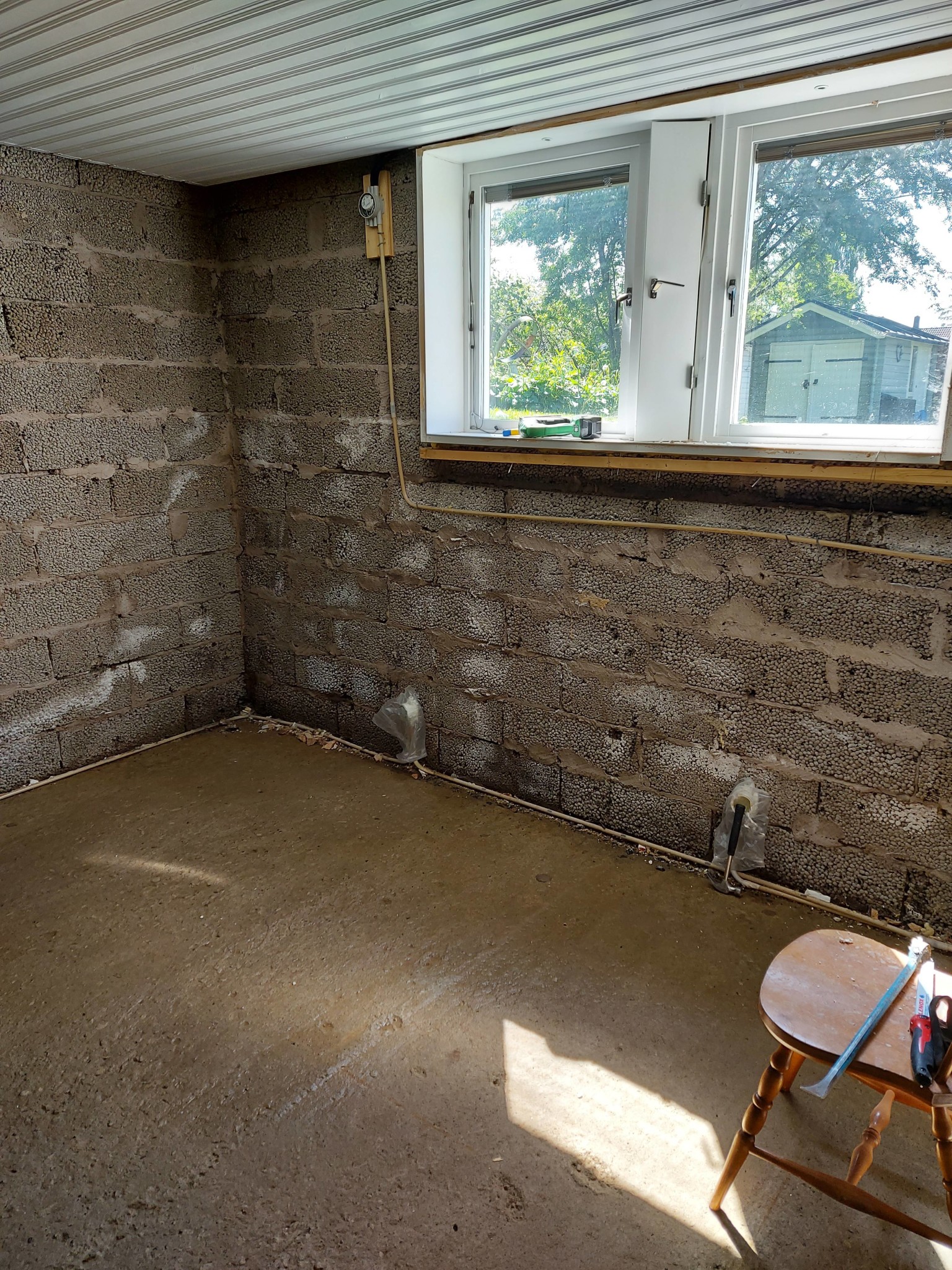
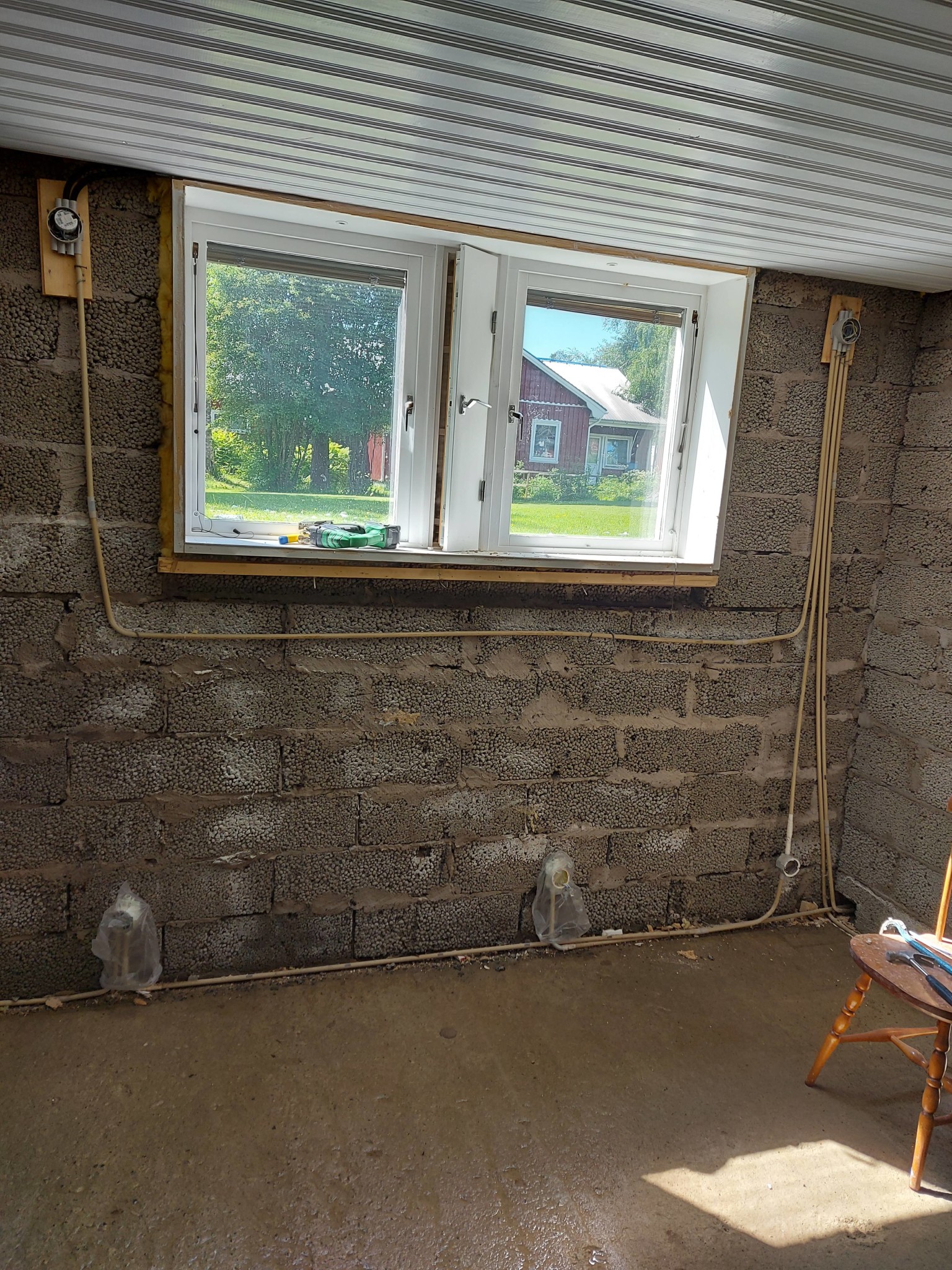
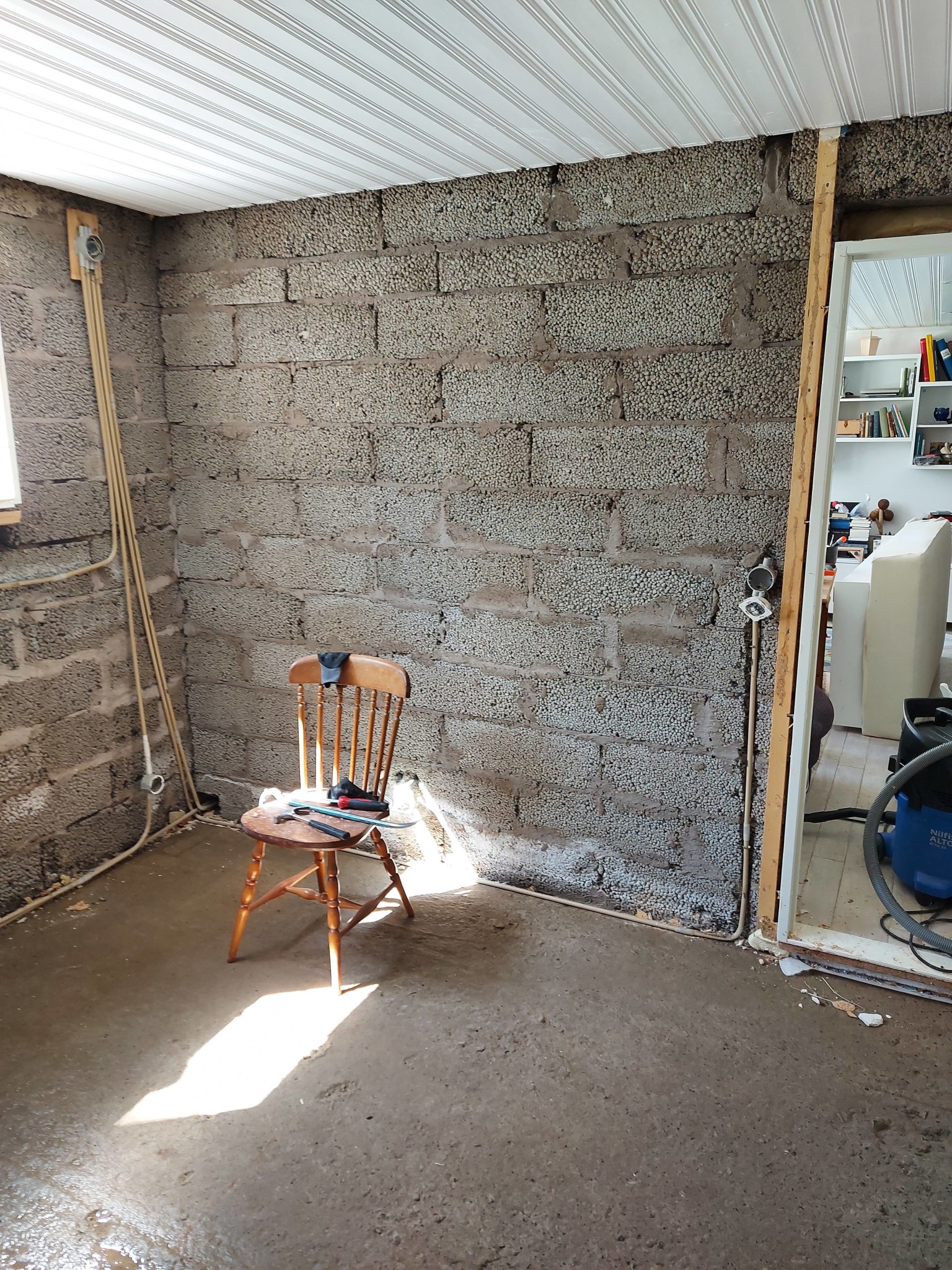
Time to try to tackle the basement room. The idea is to plaster the walls. How would you think about the electricity? Just plaster over the wires? Or maybe try to chip out a "slot" for them like it is done by the light switch (see picture) and then plaster over. Letting them go over the plaster seems difficult... I have no idea how to do it. Any tips are gratefully received!
Bumping this: Time to try to tackle the basement room. The idea is to plaster the walls. How would you think regarding the electrical wiring? Just plaster over the cables? Or maybe try to carve a "groove" for them as done by the light switch (see picture) and then plaster over. Letting them run over the plaster seems difficult. I have no idea how to do it. Tips are gratefully accepted! [image] [image] [image] [image] [image]
You may have already started it, but it's probably more work to try to get a surface-mounted solution compared to just milling grooves and chipping out for the boxes. Of course, grooves can be created in many different ways, there are some good tips here in https://www.byggahus.se/forum/threads/fraesa-spar-foer-vp-roer-i-murad-vaegg.7185/
You might have already started, but it's probably more work to try to make some external solution compared to just milling grooves and chiseling out for the boxes. Of course, there are many ways to create grooves, there are some good tips here in
[link]
Thanks for the reply! However, I have already started plastering and chose to simply put plaster over the cables. I'm applying a fairly thick plaster about 2.4 cm out from the wall, and it will certainly be quite fiddly with the detailing around boxes and sockets, but I'll at least try to "plaster in" these.. hm.. let's see how it goes..
A hot tip is to let the stormwater go to a stenkista somewhere on the property if you have the opportunity! In any case, it's quite timely to make use of rainwater for irrigation.
Now the floor is completely torn up, after some swear words, mild violence, some unpleasant woodlice and a sawed-off blade for the jigsaw.
I needed a heavy-duty vacuum cleaner to get up water and sawdust clay from the plastic mat before I could roll it up and throw out the mess.
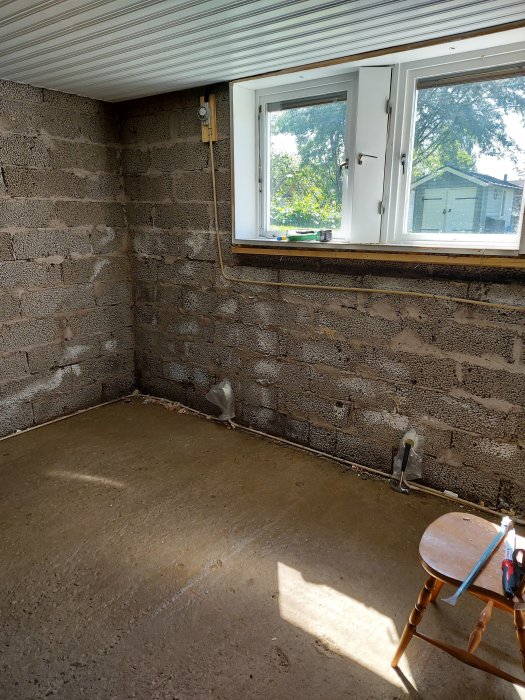
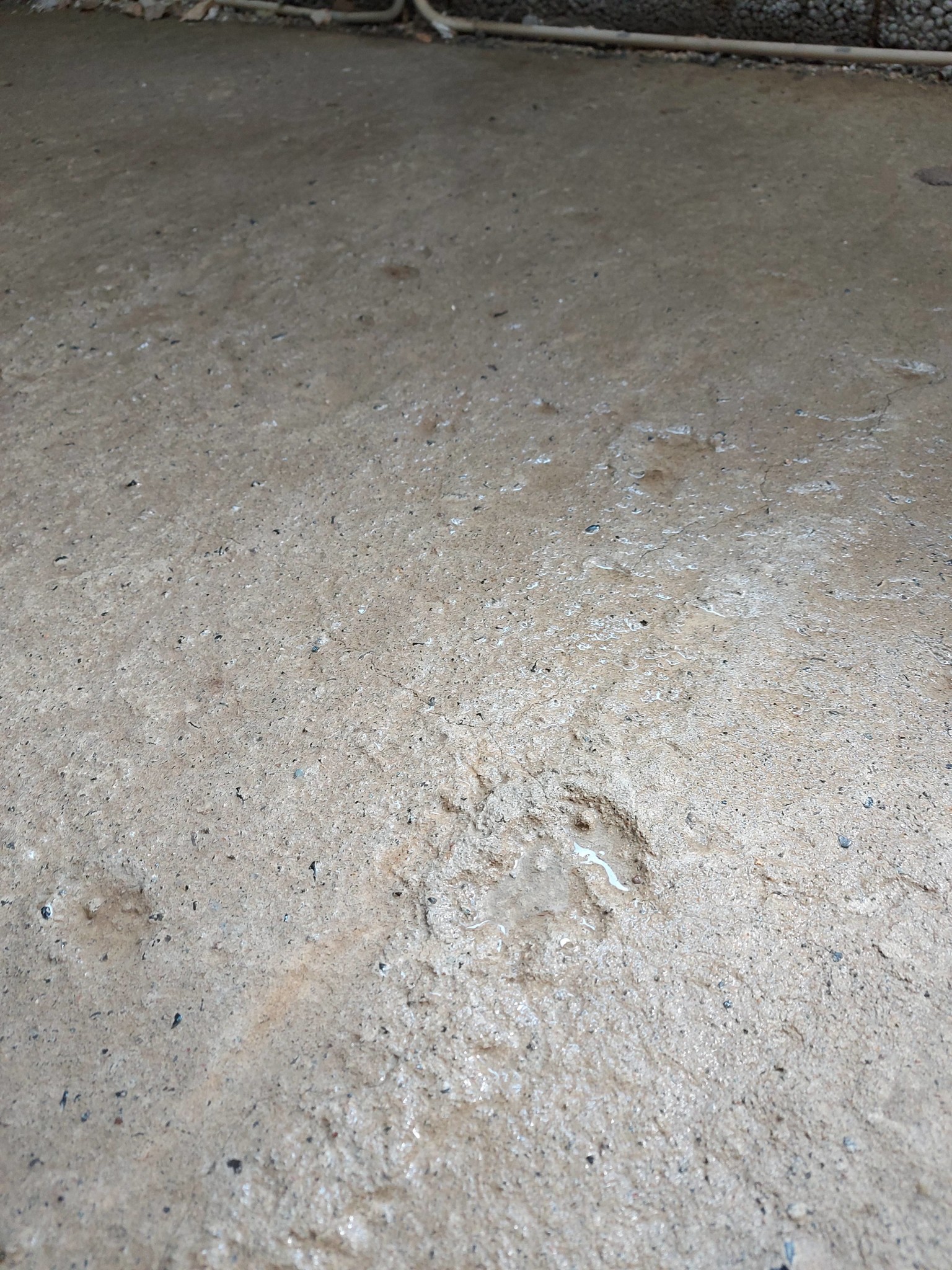
Directly against the concrete slab, there was a considerable amount of water, and it's obviously not far-fetched to guess that it looks pretty similar in the rest of the basement. This is not something I'll start on immediately; the idea is to begin with this room and see how it goes (mainly if it becomes livable during winter...)
Now to the questions:
1. What should I do with the electricity? Should the wiring be "plastered into" the wall or lie on the surface (and how should I generally think about the wiring/outlets?
2. Should I "level" the floor (up to 1 cm deep holes in some spots) and if so, with what?
Here are some pictures:
[image] [image] [image] [image]
The electrical wiring should not run along the floor down there! Place the wiring a meter up. If you get flooding then.....do it over and do it right! And- maintain a good temperature in the basement year-round to avoid moisture issues, etc. Never rely on turning off the heat and just using a dehumidifier. It's better to have a good temperature down there, which is better for the whole house, and you'll avoid future problems. Keep in mind that a dehumidifier only works locally and has no effect in spaces farther away, behind walls, etc., whereas good heat distributes well in all spaces and keeps moisture away! Nice house, by the way! Take care of it, and it will look just as good in ten years. Cheers!
Vi vill skicka notiser för ämnen du bevakar och händelser som berör dig.

ylven said:
I renovated a basement with similar conditions as yours, although somewhat older, so there was no recessed electricity in it. I had a vinyl floor and particle board closets etc. that smelled of mold. I should probably get one, as the basement's humidity during the summer likely contributes greatly to the moisture issues there.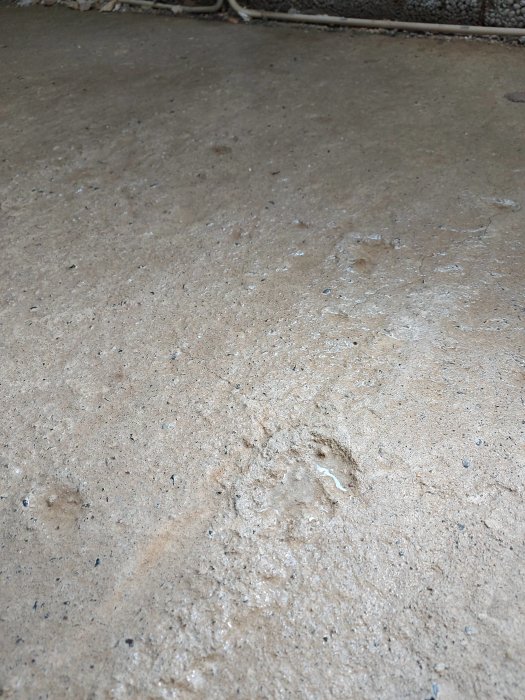
Skrot-Karlsson said:
Thanks for the tips! I'll borrow a dehumidifier for the weekend and I already have a heater running, then I'll leave the room alone while I tackle the outer wall and digging around the foundation instead. Maybe I'll manage some paving too just out of pure momentum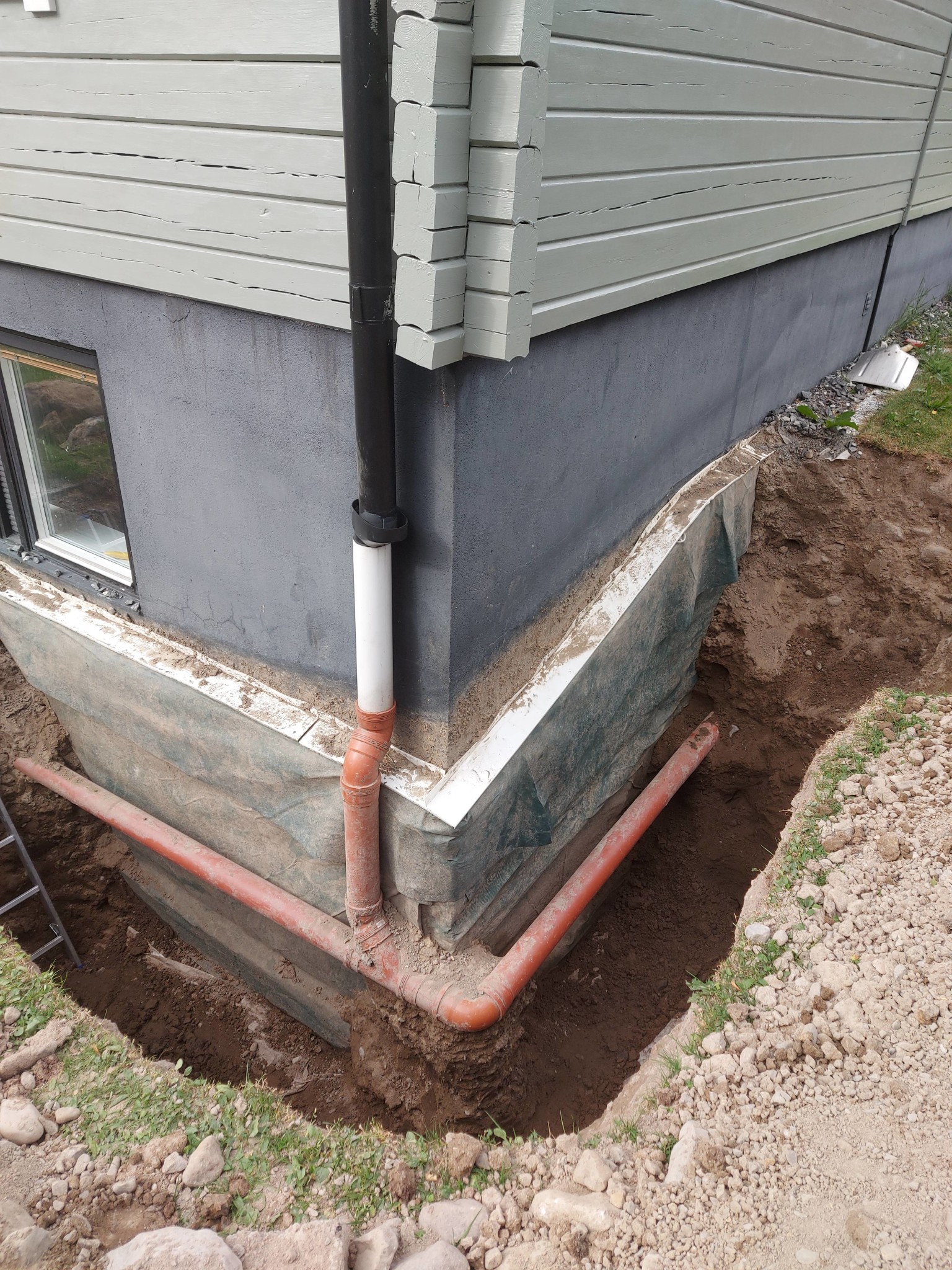
GoC said:
I guess it's the incorrectly placed leaf strainer on the downpipe. The downpipe should align directly with the "grate" so the water can continue straight down into the pipe leading into the ground. Currently, the downpipe ends where you need to remove all the "debris" that comes down. So I guess a lot of water gushes out and down along the basement wall, gets between the drainage, and seeps into the basement. I don't think it's more complicated than that.