
1,699 views ·
7 replies
2k views
7 replies
Choosing filler for rendered basement wall/lightweight concrete?
We want to make our newly built basement rooms more cozy and have therefore planned to plaster the rendered walls for a completely smooth finish. The walls are made of lightweight concrete blocks that are base-rendered and then finely rendered with plaster mortar C.
Which filler should be used? How should I pretreat?
The walls are intended to be painted afterward and we would like to future-proof and make everything as moisture-resistant as possible in case of unexpected flooding.
Which filler should be used? How should I pretreat?
The walls are intended to be painted afterward and we would like to future-proof and make everything as moisture-resistant as possible in case of unexpected flooding.
I see that you didn't get any response. I have the same question. What did you do afterwards?


Primed with a breathable acrylic primer like deep primer, then regular roll putty and painter's putty, used the same paint as on the other floors after consulting with the paint store. Turned out very well!philsson87 said:
Nice! Thanks for the answer and the tip. You didn't have anything you needed to repair on the walls, like from plugs or other damage, or previously painted surfaces? How did you handle that if so? I have a mix of plaster, bare and repainted with a couple of different colors, and holes I need to fill in. One reason for this is that I've knocked down some walls and combined 3 rooms.J Jomp3 said:
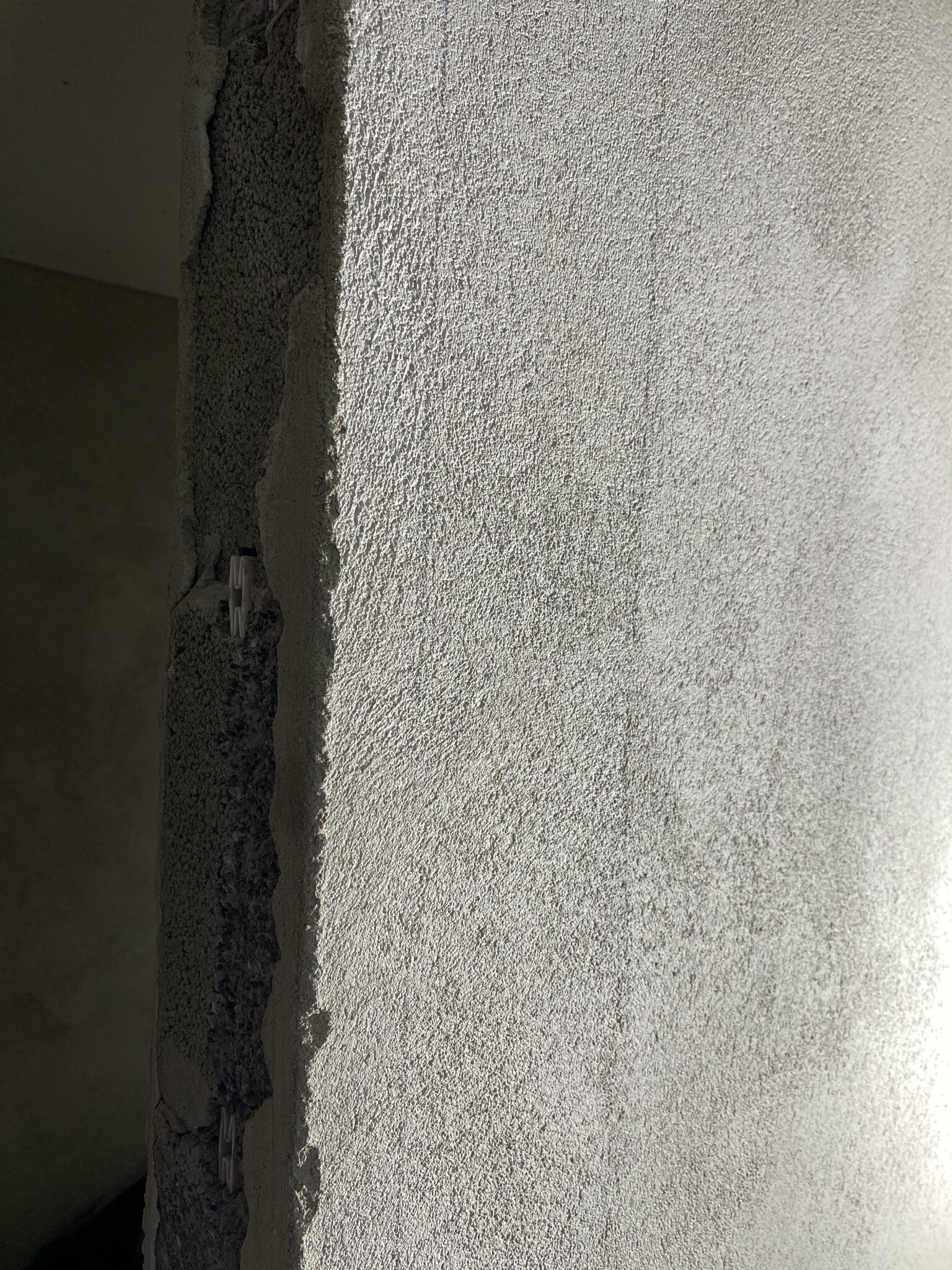
EDIT: I clearly see in your picture when I look back at it that there is missing plaster at the end of the "wall" there. How did you fill this in, did you use filler?
Last edited:
The image is of a doorway where there is a frame today, see the after-image. We have expanded with both old and new basement walls that have been replastered. I've repaired old aerated concrete walls with a filler mortar like Finja laga vägg.Nice! Thanks for the reply and the tip. Did you have anything you needed to repair on the walls, like plug holes or other damage, or previously painted surfaces? If so, how did you do it? I have a mix of plaster, bare and over-painted with a couple of different colors, and holes I need to fill in. One reason for this is that I've knocked down some walls and combined 3 rooms.
EDIT: I can clearly see in your picture when I look back at it that there's a lack of plaster at the end of the "wall" there. How did you fill this in, did you do it with filler?
The solution with regular filler is not moisture-resistant, so I had to abandon the idea of making the surfaces in the bedroom flood-proof. However, we have painted all storage and technical spaces with KC-paint.
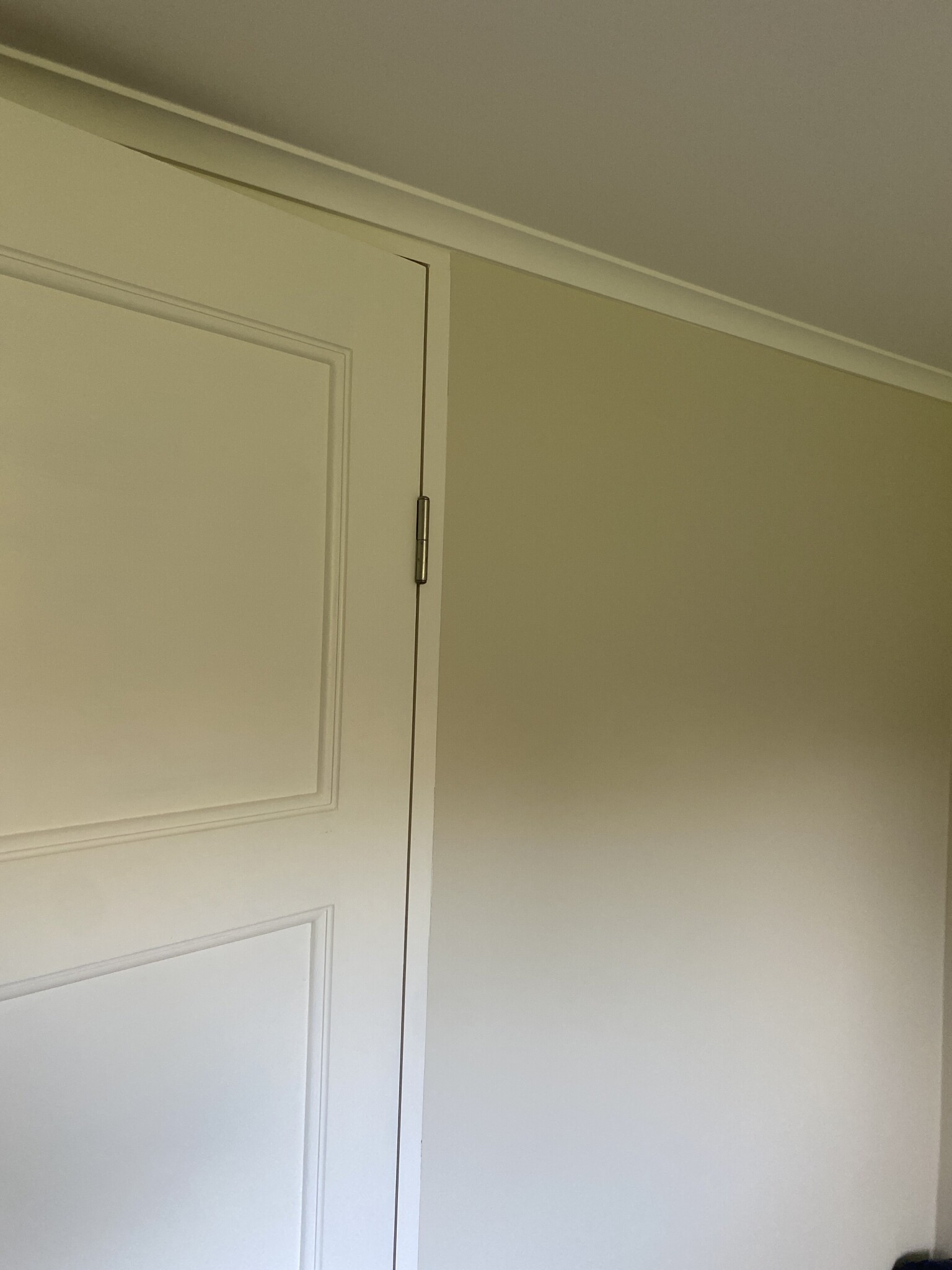
Well done! You didn't consider cement-based filler (maybe this is even though it's not explicitly stated in the product sheet), I thought it might withstand water better. In the datasheet, Finja's wall filler seems to suit my needs quite well with its adhesion ability on, among other things, paint (with the right primer) and that it can be tiled on. I started a thread for my question as I would like some more input, but thank you very much for your help. You always learn something!J Jomp3 said:The image is of a door opening where there is currently a frame, see the after-picture. We have extended with both old and new basement walls that have been plastered. I have repaired old aerated concrete walls with a filler mortar like Finja repair wall.
The solution with regular filler doesn't become moisture-resistant, so I had to abandon the idea of making the surfaces in the bedroom flood-proof. However, we have painted all storage and technical spaces with KC-paint.
My thread
https://www.byggahus.se/forum/threads/laga-spackla-mala-putsvaeggar-enhetligt.557529/
Cement filler is difficult to sand effectively, so to get a smooth result faster, this solution was chosen. Good luck!Well done! You didn't consider cement-based filler (maybe this is even though it's not explicitly stated in the product sheet), thinking it might withstand water better. In the data sheet, Finja's wall filler seems to fit my needs quite well with adhesion ability on, among other things, paint (with the right primer) and that it can be tiled on. I started a thread for my question as I wanted some more input, but thank you very much for your help. You always learn something!
My thread
[link]
Click here to reply
Similar threads
-
Vilken spackel väljer du för inomhusväggar?
Färg, Måla & Tapetsera -
Göra vall för flytspackel
Golv -
Instead of self-leveling compound on a very small lower part of the floor?
Building Materials and Construction Technology -
Val av fiberförstärkt flytspackel
Badrum -
Val av spackel/bruk fuktig källarvägg, tacksam för snabbt svar!
Färg, Måla & Tapetsera