
5,628 views ·
21 replies
6k views
21 replies
Blue concrete in my apartment?
As the hypochondriac I am, I'm wondering if it's worth getting a radon measurement in my apartment. I know there are other apartments in the area with blåbetong. But before I decide to buy a meter, I have a few considerations.
I know the building was constructed before 1975, I'd guess closer to 1960/1950. The difference with my residence compared to others in the area is that it's a brick building. I couldn't find any blåbetong (I think, pictures attached) in the basement or in the wall. It looks like the core structure is made of brick. I know the facade is made of brick, but does that mean the entire frame or floors are made of it?
As I understand it, it's most likely to find blåbetong in the floors if at all? How would it be easiest to find that out, can you, for example, drill a hole in the ceiling to ensure it?
Thanks in advance!
I know the building was constructed before 1975, I'd guess closer to 1960/1950. The difference with my residence compared to others in the area is that it's a brick building. I couldn't find any blåbetong (I think, pictures attached) in the basement or in the wall. It looks like the core structure is made of brick. I know the facade is made of brick, but does that mean the entire frame or floors are made of it?
As I understand it, it's most likely to find blåbetong in the floors if at all? How would it be easiest to find that out, can you, for example, drill a hole in the ceiling to ensure it?
Thanks in advance!
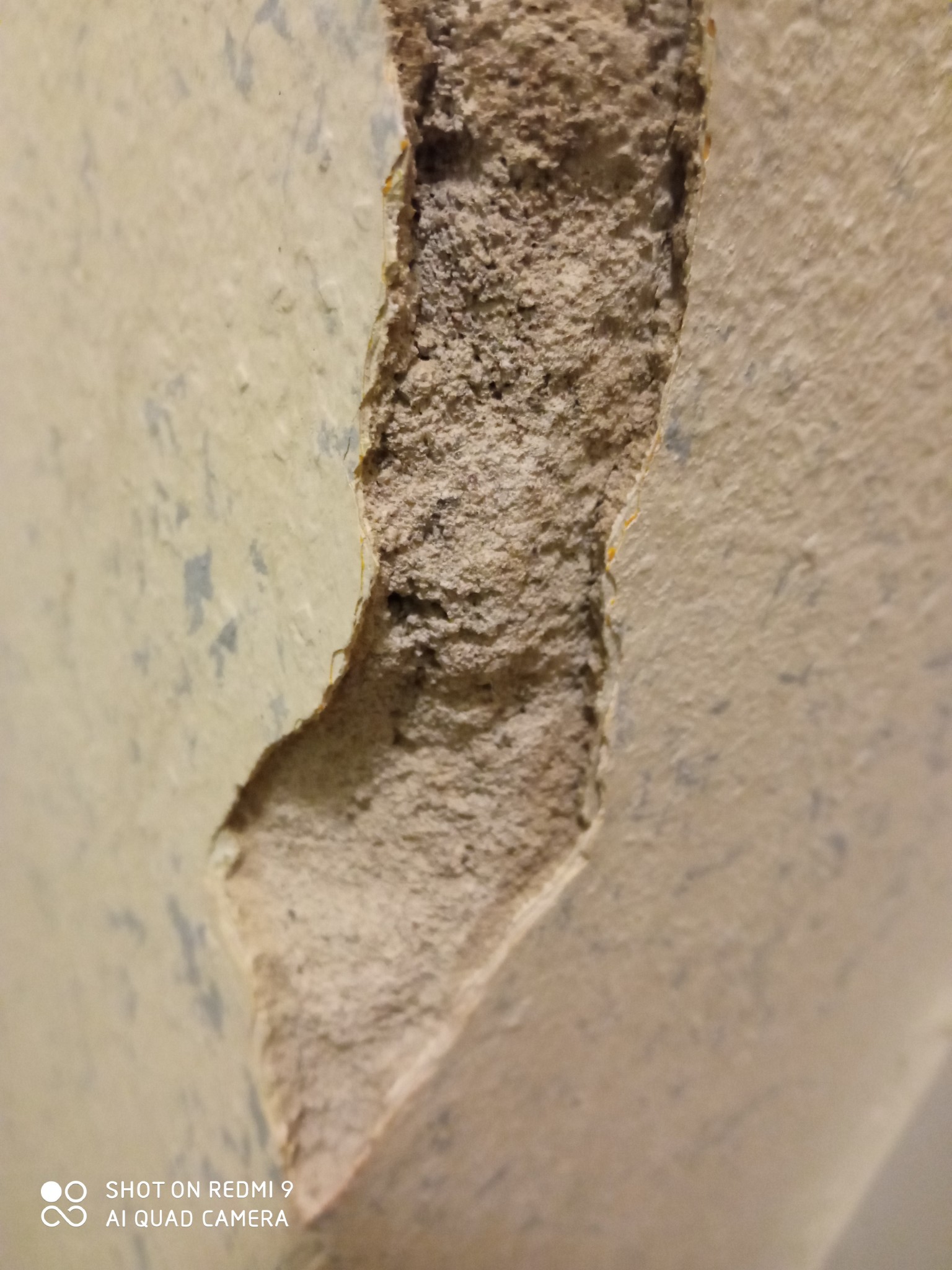
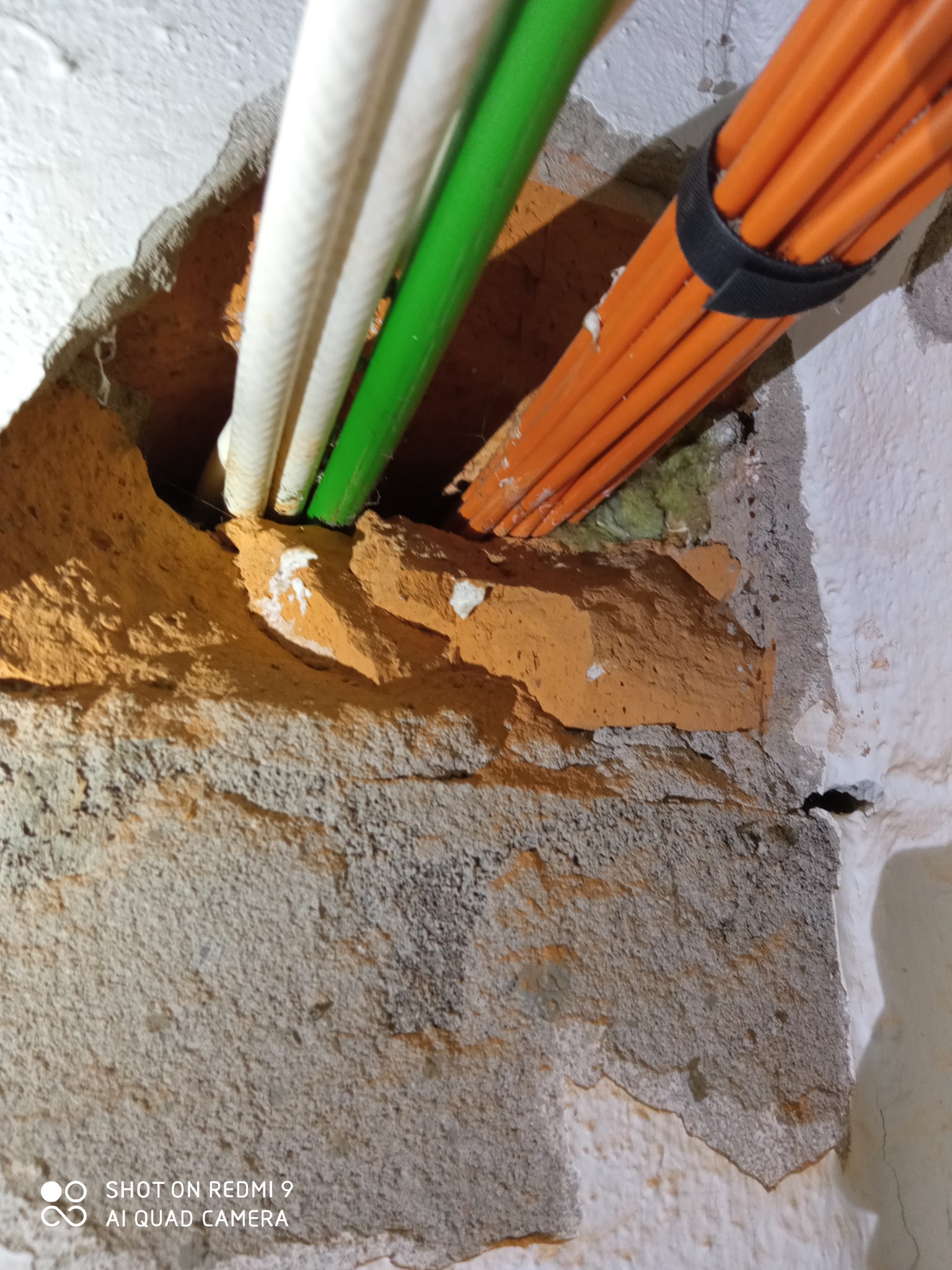
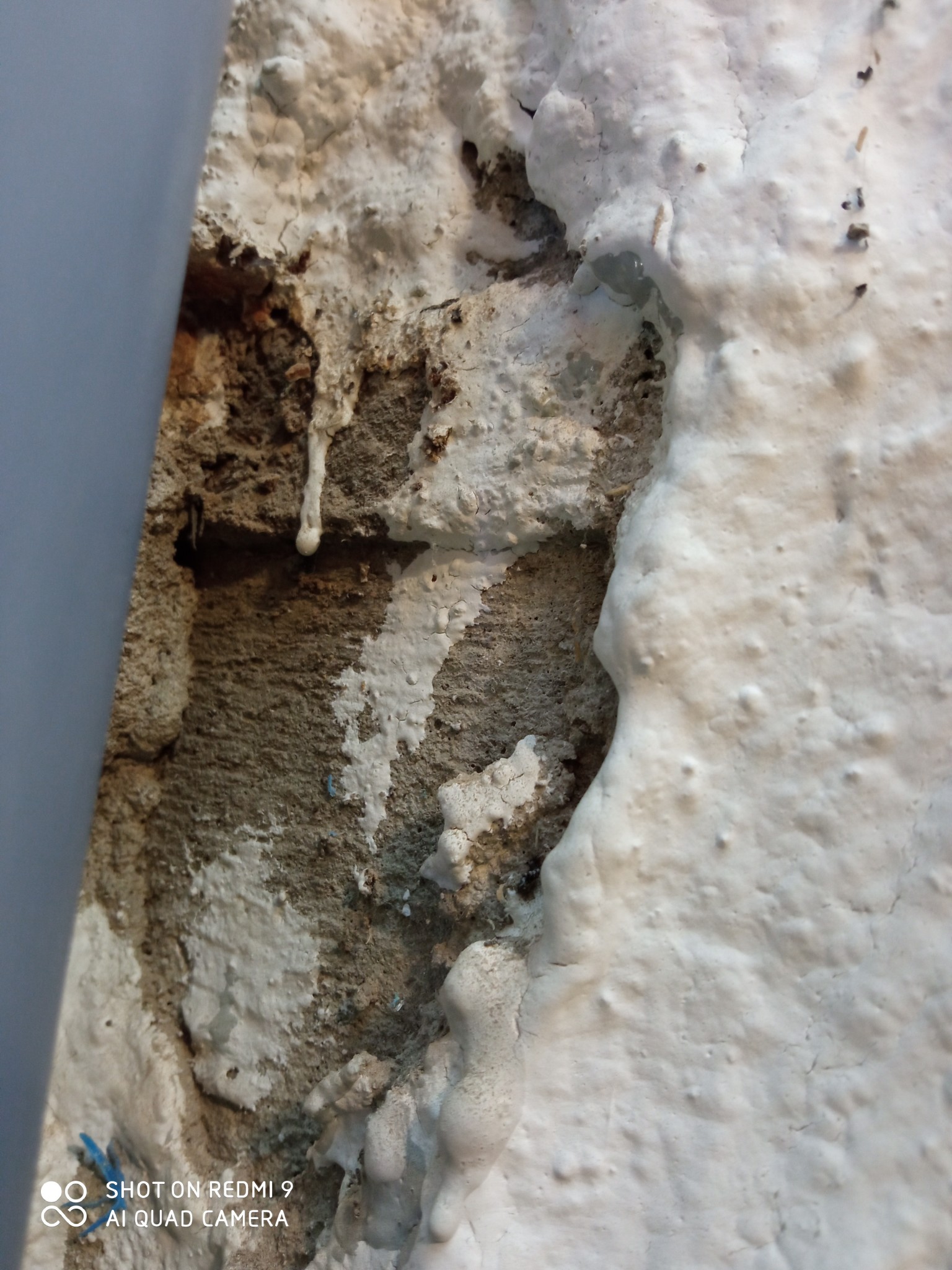
If you decide to measure, you should not buy a meter. You then need to have a radon measurement done by a company, where you place detectors in the apartment during the winter season (at least 2 months) which are then sent for analysis. Www.radonanalys.se
To update a bit, I've done measurements and got around 55 bq on average since February. In the basement, there are many holes and cracks with exposed wall behind the paint/plaster. I also found a hole in my closet.
The concrete I've found in the outer wall is gray in appearance. It looks like sand grains embedded in the concrete, and when I poke it with a screwdriver, it falls apart and when it hits the ground, it shatters like hard-packed sand. Does anyone know what type of concrete this might be?
I also want to mention that I drilled into the ceiling of my apartment. Is it possible that I drilled into some blåbetongblock there? (if it exists in the building). I read somewhere that it wasn't used in the ceiling but also read that it's used in floor structures, which are present in apartment ceilings anyway, right?
The concrete I've found in the outer wall is gray in appearance. It looks like sand grains embedded in the concrete, and when I poke it with a screwdriver, it falls apart and when it hits the ground, it shatters like hard-packed sand. Does anyone know what type of concrete this might be?
I also want to mention that I drilled into the ceiling of my apartment. Is it possible that I drilled into some blåbetongblock there? (if it exists in the building). I read somewhere that it wasn't used in the ceiling but also read that it's used in floor structures, which are present in apartment ceilings anyway, right?
What kind of measurements have you done?J Jassådu said:To update a bit, have done measurements and gotten around 55 bq on average since February. In the basement, there are many holes and cracks with exposed wall behind the paint/plaster. Also found a hole in my closet.
The concrete I found in the outer wall is gray in appearance. It looks like sand grains embedded in the concrete, and when I poke at it with a screwdriver, it falls apart, and when it hits the ground, it shatters like hard-packed sand. Does anyone know what type of concrete it might be?
I also want to mention that I drilled into the ceiling in my apartment, is it possible that I drilled into some blåbetong block there? (if it exists in the building). I read somewhere that it wasn't used in ceilings but also read that it's used in floor structures, which are in the ceilings of apartments at least, or?

Your measurement indicates that you do not have a radon problem. What you describe as "hard-packed sand" absolutely does not sound like it would be blåbetong, more like plaster. I don't think blåbetong has been used in load-bearing roof structures, but rather in load-bearing walls. It handles compressive forces fairly well, but not deflection. If you drill into blåbetong, you'll notice it; it's like drilling into cardboard.
I have done both with small black devices that the landlord placed. Then I got to borrow one of those meters you can buy at Clas Ohlson.P peter.linkan said:
Okay! When I drilled into the ceiling, I had to hit with a hammer to get to an old screw, and I remember that the material broke very easily. Interesting, that gives me some clarity on how blue concrete is used (and not used). So maybe it's used rather in the flooring that is at the top of the stairwell where no significant pressure is applied on top? Then, blue concrete crushed stone is used as thermal insulation in floors of multi-family buildings, right?H hempularen said:Your measurement value indicates that you do not have a radon problem. What you describe about "hard-packed sand" absolutely doesn't seem like it would be blue concrete, more like plaster. I don't think blue concrete has been used in load-bearing roof constructions, but in load-bearing walls. It can handle compressive forces fairly well, but not deflection. If you drill in blue concrete, you'll notice it, it's like drilling in cardboard.
Last edited:
The meter from Clas Ohlson is not worth much, but long-term measurement with canisters is reliable. If it shows 55 bbq then you have absolutely nothing to worry about. The desired limit is 200 and for new constructions, it's 90 or 100. You have no radon in the dwellingJ Jassådu said:

In the basement and stairwell, there are many damages/holes in the walls and ceiling. In the stairwell, the damages are decimeter-long and about 4 cm wide at most. In the basement, some of the holes are half a meter large. During the measurement, I made sure to keep it closed in my apartment for the radon values to be precise. With that in mind, and let's say there's blåbetong rubble used as thermal insulation in the joists, approximately what levels would the values be?P peter.linkan said:
I don't know. But if the limit is 200 and you have 55, why are you worried?J Jassådu said:In the basement and stairwell, there are many damages/holes in the walls and ceiling. In the stairwell, the damages are decimeter-long and about 4 cm wide at most. In the basement, some of the holes are half a meter large. During the measurement, I made sure to keep it closed in my apartment for the radon values to be precise. With that in mind and assuming that the Blåbetongkoas is used as thermal insulation in the floor structures, approximately what levels would the values have been at then?
What I'm mainly thinking about is when I'm drilling to put up lamps/shelves, etc., and dust flies around which can be from blue concrete. It would be nice to know so I can avoid having that worry in the back of my mind.P peter.linkan said: