
Hello,
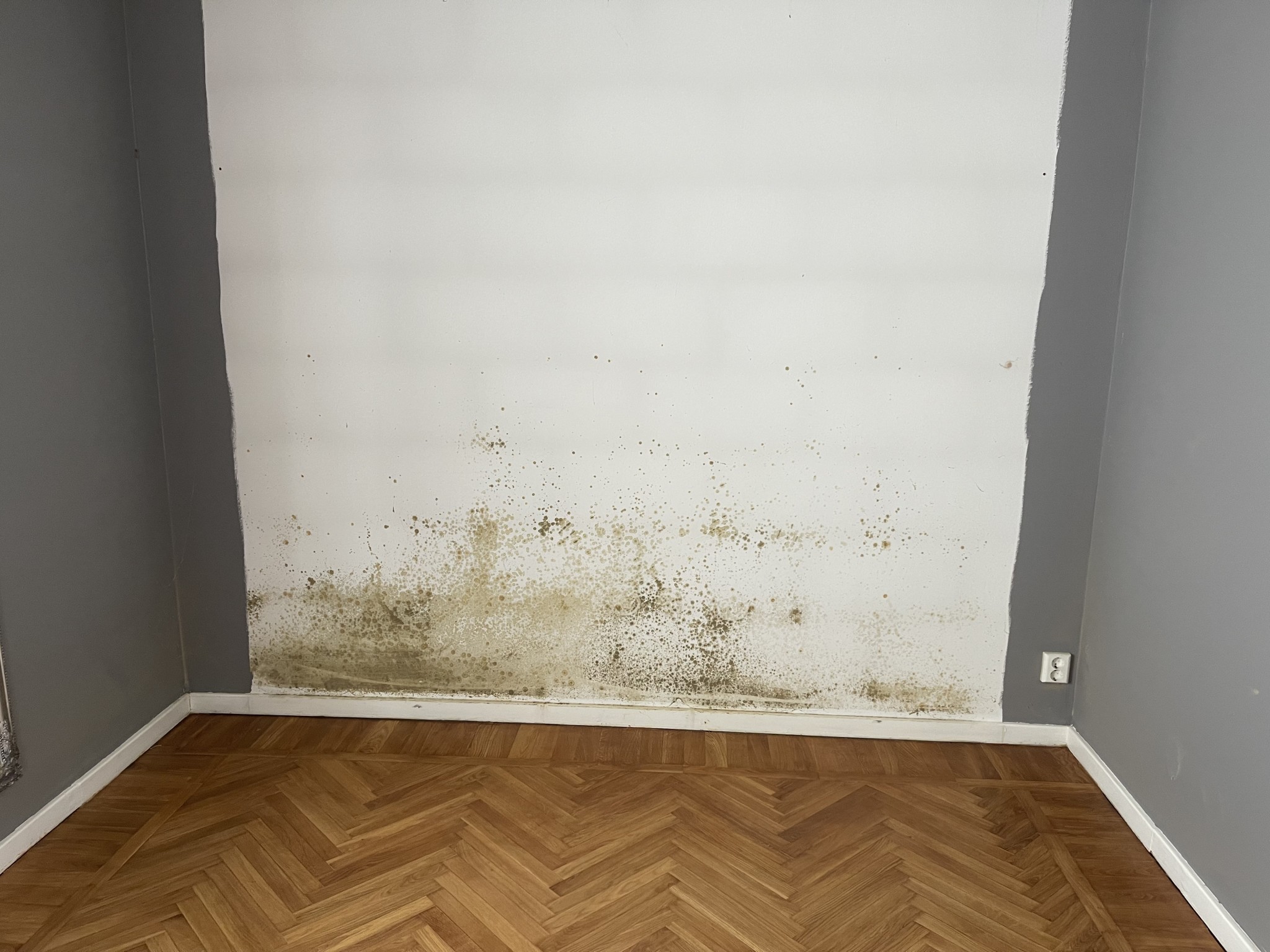
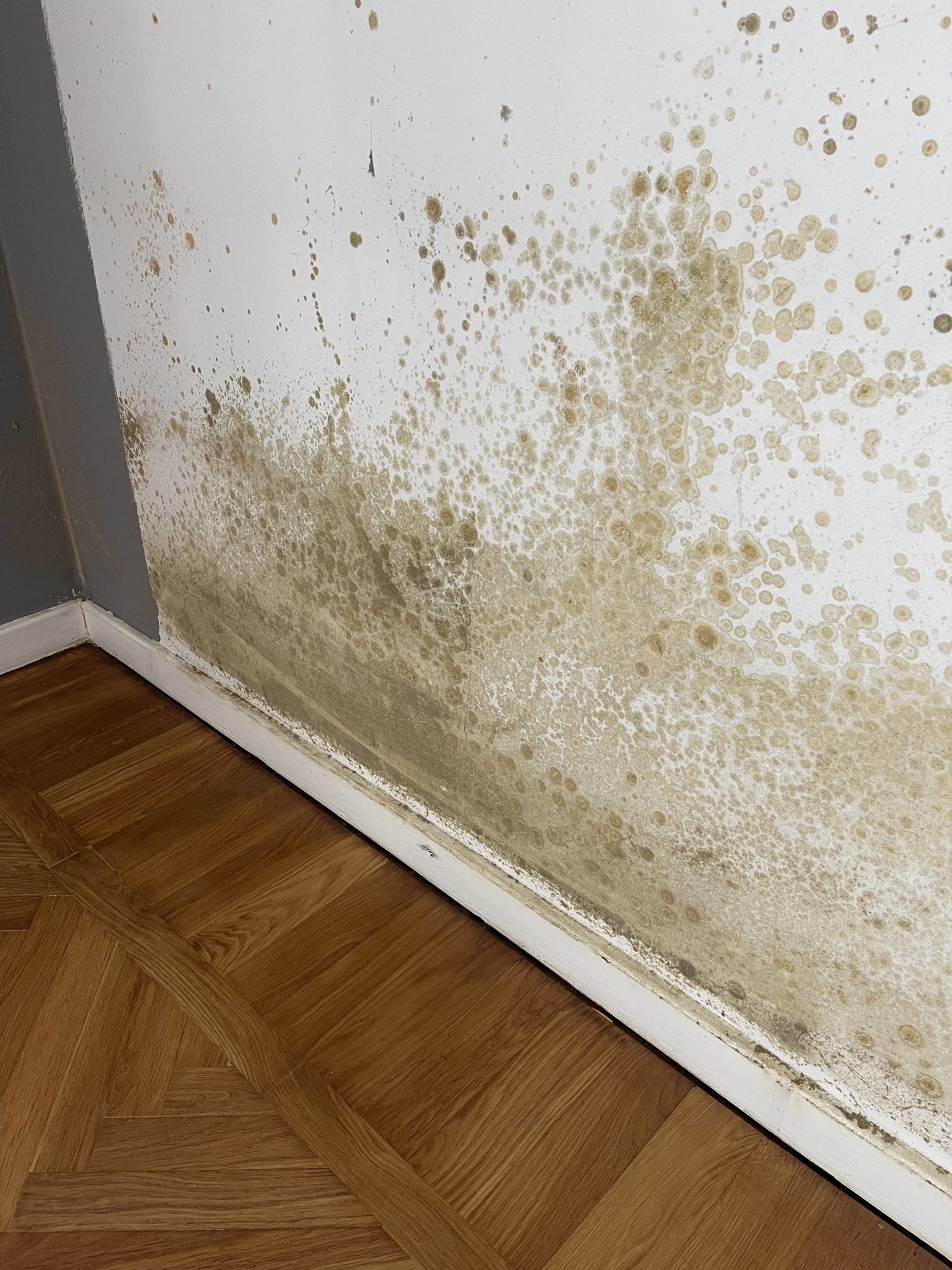
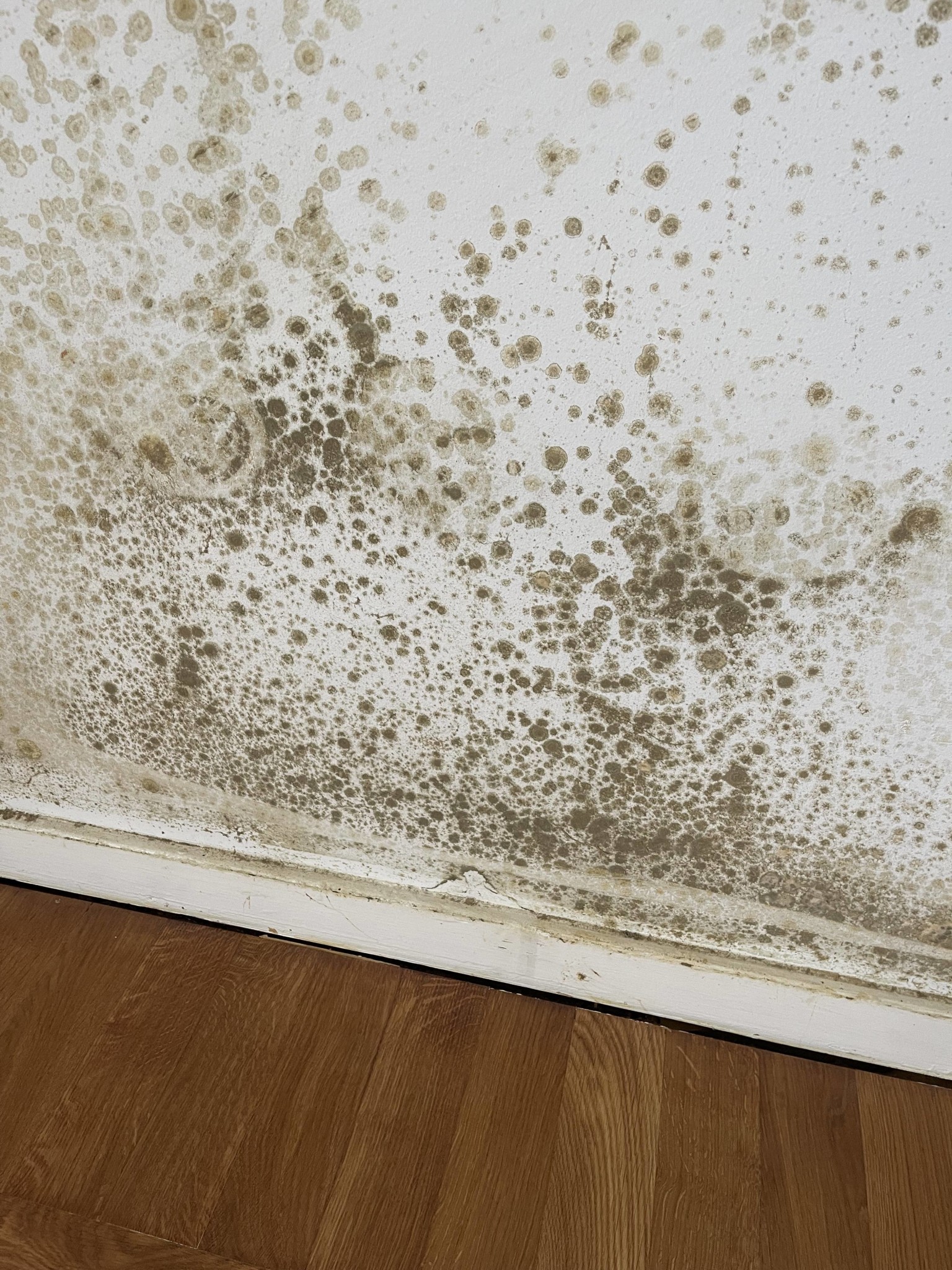
I bought a property and when we moved the wardrobes to paint in a bedroom, we discovered black mold behind them. It's against an exterior wall, and you can see the brick, so the question is whether the wall is insulated? I sprayed mold remover today, and tomorrow I will wash it off and spray with mold remover again. Should I frame it with steel studs and then put up OSB + plasterboard and use ventilated skirting boards? I would appreciate any tips, thanks!
Attaching pictures!
Regards, Adam
I bought a property and when we moved the wardrobes to paint in a bedroom, we discovered black mold behind them. It's against an exterior wall, and you can see the brick, so the question is whether the wall is insulated? I sprayed mold remover today, and tomorrow I will wash it off and spray with mold remover again. Should I frame it with steel studs and then put up OSB + plasterboard and use ventilated skirting boards? I would appreciate any tips, thanks!
Attaching pictures!
Regards, Adam
D Daniel_M_ said:
I find it to be very airtight inside and yesterday I opened a window slightly. Perhaps it would be good to make holes in the wall and install fresh air vents. It's probably better for air circulation.D Daniel_M_ said:
Do you mean I should remove the old one and replace it with a ventilated floor trim? Isn't it better to build an interior wall with steel studs and ventilated floor trim?haha5810 said:
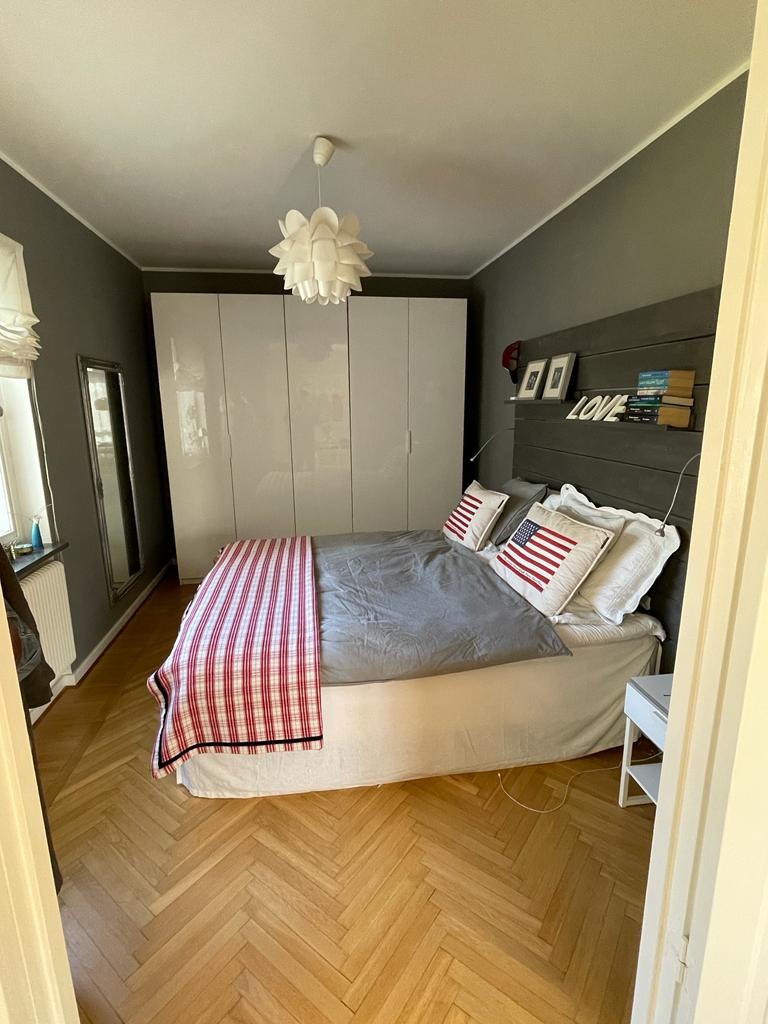
The base on your wardrobe looks quite low, I recommend that you remove it and build a new one with the possibility for air to flow under the wardrobes.Adam.A said:
I myself had a wardrobe against an outer wall, but I could make a hole in that base because it was higher (14 cm)
I removed about 5cm up and 5cm from the edge with an overhand router, I think there were two bases, one in the front edge and one in the back edge, so I did it on both. Made a large radius in the corners, worked for a few decades in the summer house where they were also against the outer wall.
Yours looks very low, so the post before mine is recommended.

A ventilated baseboard won't make a difference. What is suggested is a ventilated plinth on the wardrobe so that air can circulate under and behind it.
If you build a wall with studs and allow air behind it, you will definitely have a significant mold growth.
The problem is that the wall is too cold. One way to solve it is to frame an insulated interior wall with a vapor barrier and seal tightly around the edges so no air gets into the insulation. Exactly what is right depends on the current situation, but it looks like it's a masonry wall, so I assume there's no insulation at all?
useless said:
A ventilated floor skirting makes no difference. What's proposed is a ventilated base on the wardrobe so that air can circulate underneath and up behind it.
No, it doesn't look like there's any insulation. The alternative is to install a fresh air vent and not have the wardrobe directly against the wall, but rather with some space so air can circulate there.
If you build a framed wall and let air in behind it, you'll definitely have a big mold problem.
The problem is that the wall is too cold. One way to solve it is to frame an insulated interior wall with a vapor barrier and ensure it's sealed tightly around the edges so that no air gets into the insulation.
Exactly what's right depends on what it looks like now, but it seems like it's a masonry wall, so I assume there's no insulation at all?
Yes, I will actually investigate that and see if it's possible to do something similar considering that the baseboard seems to be lower as mentioned in the thread above. I have a vent guy coming over tomorrow to possibly see if an air vent can be installed to get some circulation.Snailman said:
I removed about 5cm up and 5cm from the edge with a hand router, I think there were two kicks, one at the front edge and one at the back edge, so did it on both. Made a large radius in the corners, worked for a decade in the summer cottage where they were also against the exterior wall.
Yours looks very low, so the post before mine is recommended.
Click here to reply