
Homeowner
· HISINGS BACKA
· 178 posts
We are in the process of replacing windows in the basements of our housing cooperative. At the same time, we are taking the opportunity to make the window openings larger for better light intake, which means that concrete walls from 1935 will need to be cut. Now the builder has emailed that he wants more payment because the wall contains "...unusually large coarse aggregate, including larger stones/rock fragments. We had assumed the walls were made of standard concrete." Is what the builder writes correct, i.e., could one not expect this in a basement wall of a two-story wooden house built in 1935?
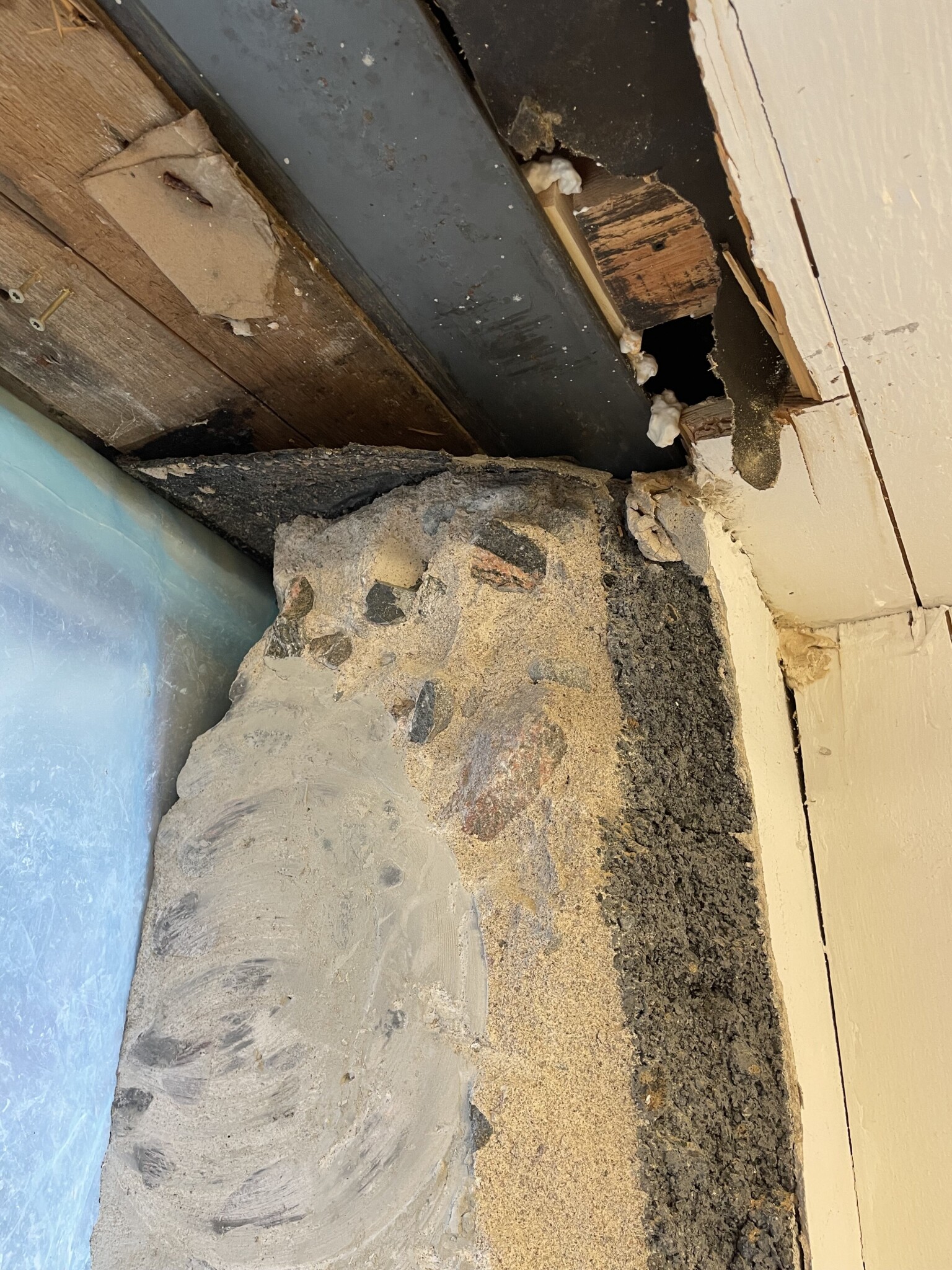


He can start by explaining exactly why this means extra cost in terms of time or tools - that is, explain specifically what it is he wants more payment for.
Homeowner
· HISINGS BACKA
· 178 posts
I think it looks like a classic concrete wall from the 20-30s. It has coarser ballast than how it would be made today. The builder with a little experience should know that.
If it's a fixed price, he has nothing to argue with, if it's on a running basis where millimeter wear on the blade should be measured and billed, he should have reasonably done this in the first billing. Sounds like he's trying to pull a fast one.
If it's a fixed price, he has nothing to argue with, if it's on a running basis where millimeter wear on the blade should be measured and billed, he should have reasonably done this in the first billing. Sounds like he's trying to pull a fast one.

Click here to reply