
6,642 views ·
16 replies
7k views
16 replies
Bad odor in house from the '70s
Hello!
We have recently moved into a house built in 1976 and we have a smell that sticks to clothes and hair.
We have traced the smell to the exterior walls, it can be noticed from outlets, among other things.
Now we have opened up a bit in the exterior wall to see how the sill looks. What do you think about it when you look at the photo? Is that moisture damage you see at the bottom?
We have recently moved into a house built in 1976 and we have a smell that sticks to clothes and hair.
We have traced the smell to the exterior walls, it can be noticed from outlets, among other things.
Now we have opened up a bit in the exterior wall to see how the sill looks. What do you think about it when you look at the photo? Is that moisture damage you see at the bottom?
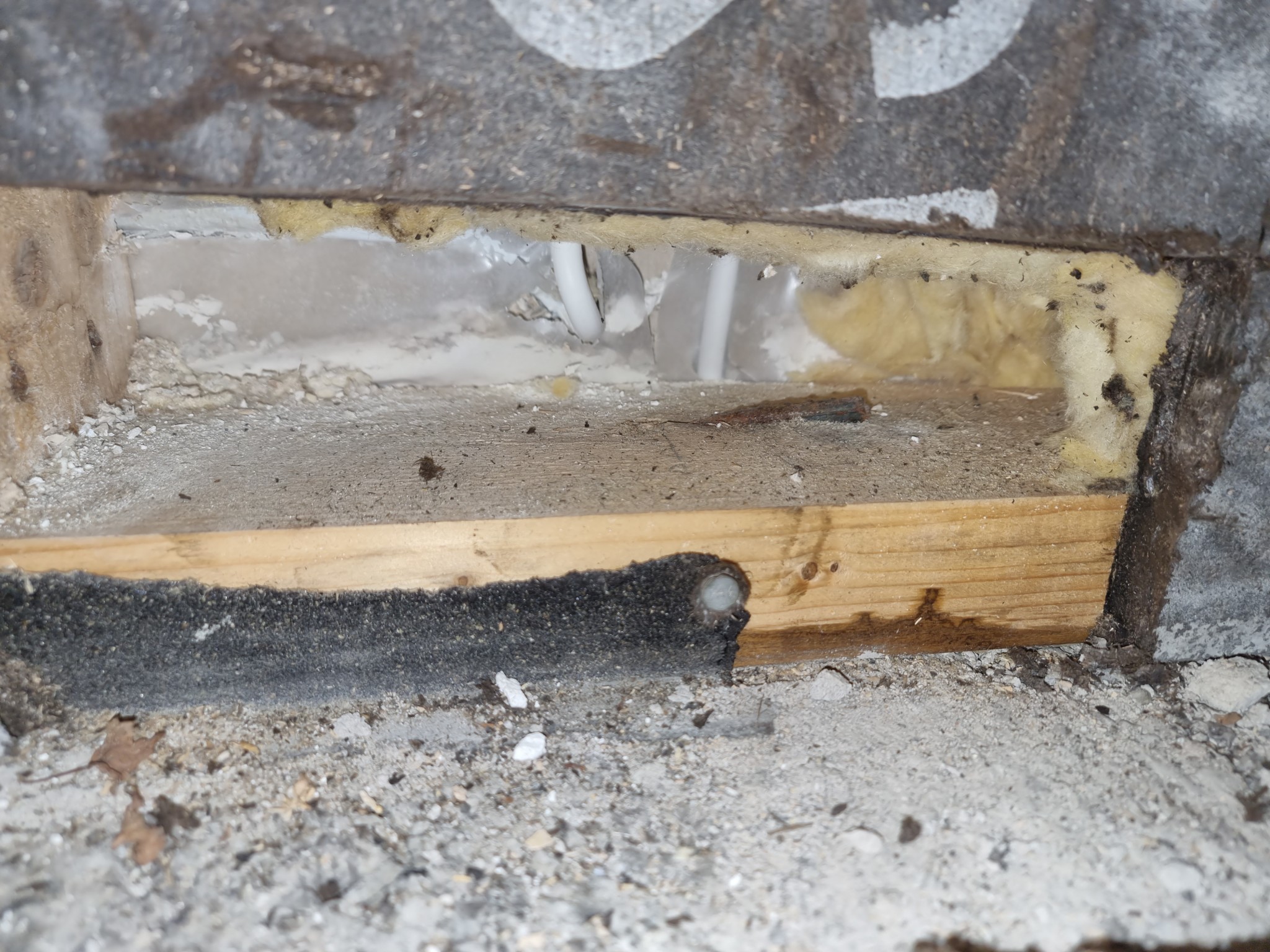
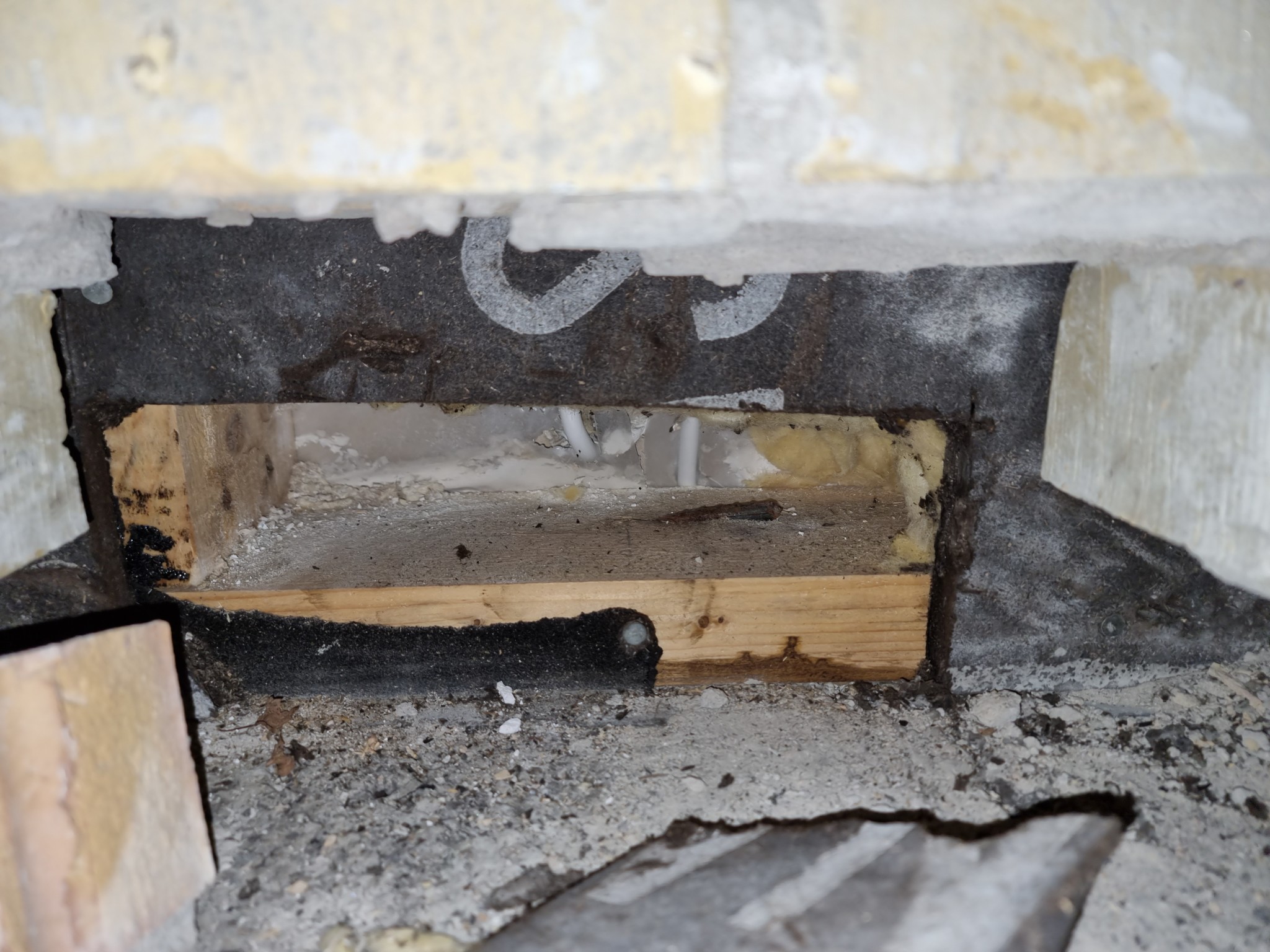


Yes, I also think it looks like what you describe, maybe I need to take out a piece of the sill and examine it further. No, we haven't measured it, just exposed the hole.N newbee said:
The risk is that there is trapped moisture due to the plastic. At that time, houses couldn't be built like they are today. There probably wasn't good ventilation either. There may also be moisture trapped due to an old water damage in the floor joists that stinks 
We only have the smell on the ground floor, it smells a lot by the entrance and there are no electrical outlets at all there. If you go up to the upper floor, it's like a different house.Ulltand said:
I can add that the floor was recently replaced in most of the ground floor and the base looked good without signs of moisture damage. But the smell didn't disappear at all. We have also plastered and painted much of the interior walls. That made the smell disappear for a month but then it came back.
Did you have the smell before the floor replacement? How is the floor constructed?S Speed254 said:We only have the smell on the ground floor, it smells a lot at the entrance and there are no electrical outlets at all. Going up to the upper floor feels like a different house.
I can add that the floor was recently replaced in most of the downstairs, and the substrate looked good with no signs of moisture damage. But the smell didn't disappear at all. We have also skim-coated and painted a large part of the interior walls. That made the smell disappear for about a month, then it came back.
Yes, but it was worse before we painted and changed the floor.
The floor is now on bare concrete slab, the old wooden floor was laid on a mix of debris like old glued vinyl flooring that we sanded down to concrete.
That sounds good and risk-free.S Speed254 said:
You become, like you, concerned about the sill. A sample doesn't necessarily show the whole truth. Is there any part of the foundation that might be more exposed to moisture?
Do you have mechanical ventilation in the house?
Air sampling can be done to analyze for solvents from building materials or microbial growth. VOC/MVOC. This way you can narrow down the problem and perhaps get ideas on what is causing the smell.
We don't have mechanical ventilation. When we bought the house, there were no air vents in large parts of the house, so we’ve drilled a few new ones to improve ventilation.That sounds good and risk-free.
As you mentioned, one becomes concerned about the sill. A test doesn’t necessarily reveal the truth. Is there any part of the foundation that might be more exposed to moisture?
Do you have mechanical ventilation in the house?
One can perform a pumped air sampling and analyze for solvents from building materials or microbial growth. VOC/MVOC. This can help pinpoint the issue and maybe provide ideas on what is causing the smell.
We've had mixed opinions from people working in the industry. Some have said without a doubt that it’s the sills smelling in our house, while others have said they don’t smell anything at all.
We don't want to waste a lot of time and money and still have the problem. But should we maybe take out some pieces and try smelling them? I think the asfaboard smelled a lot when we just took off a piece, but the smell has started to fade now.