
9,769 views ·
19 replies
10k views
19 replies
Attach plastic to iron with pl400 with THIN bead of glue
Hello!
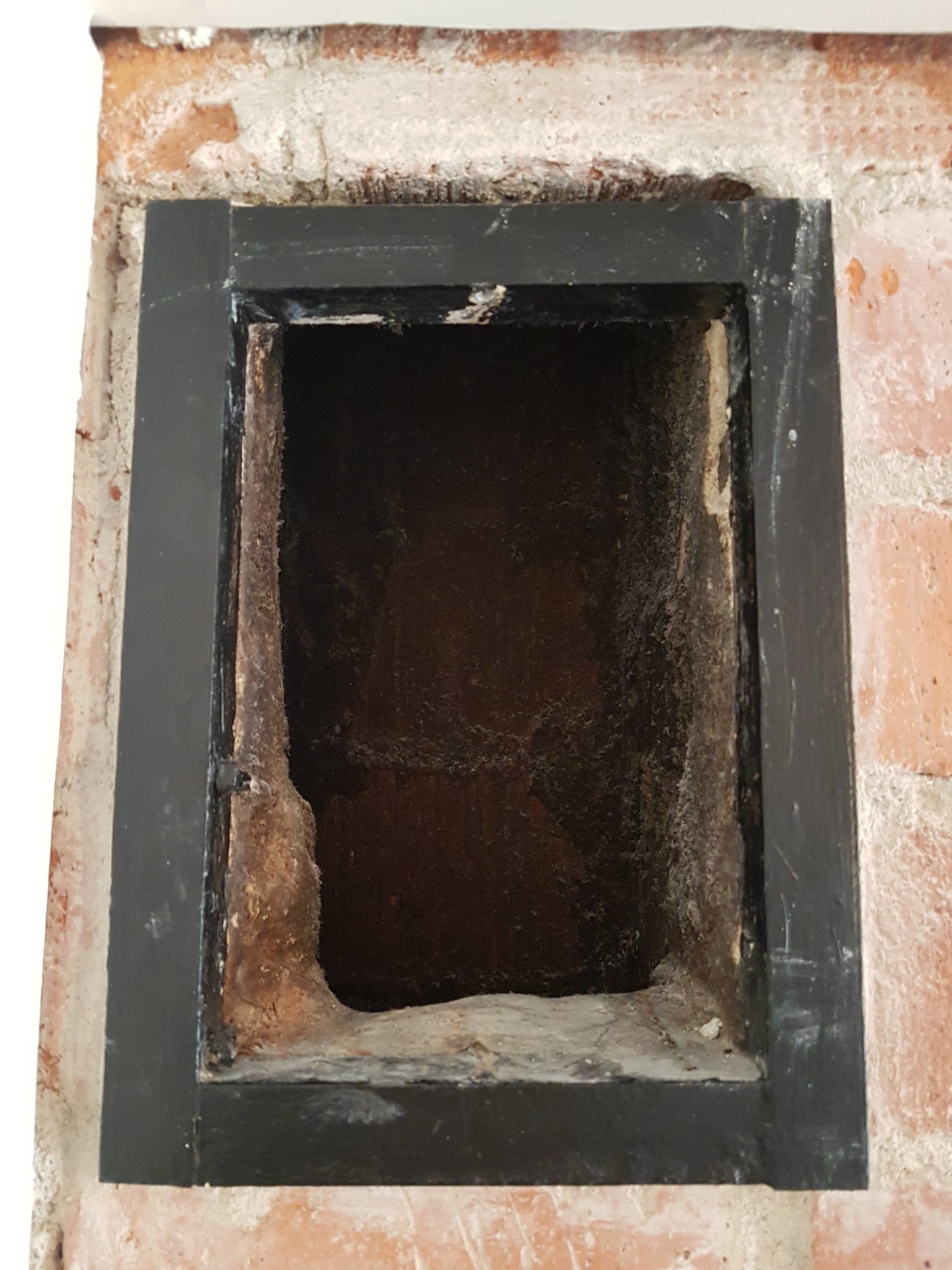
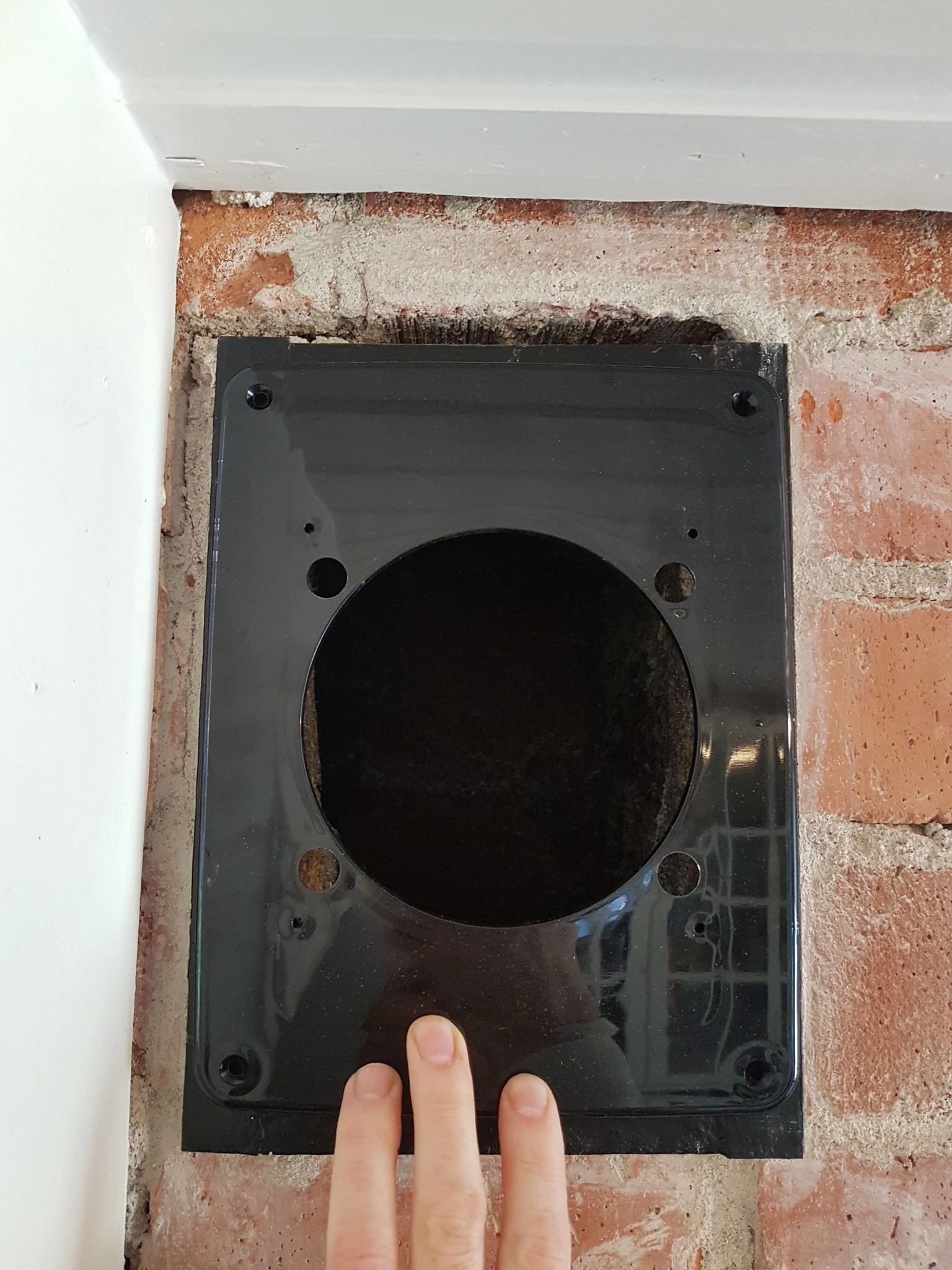
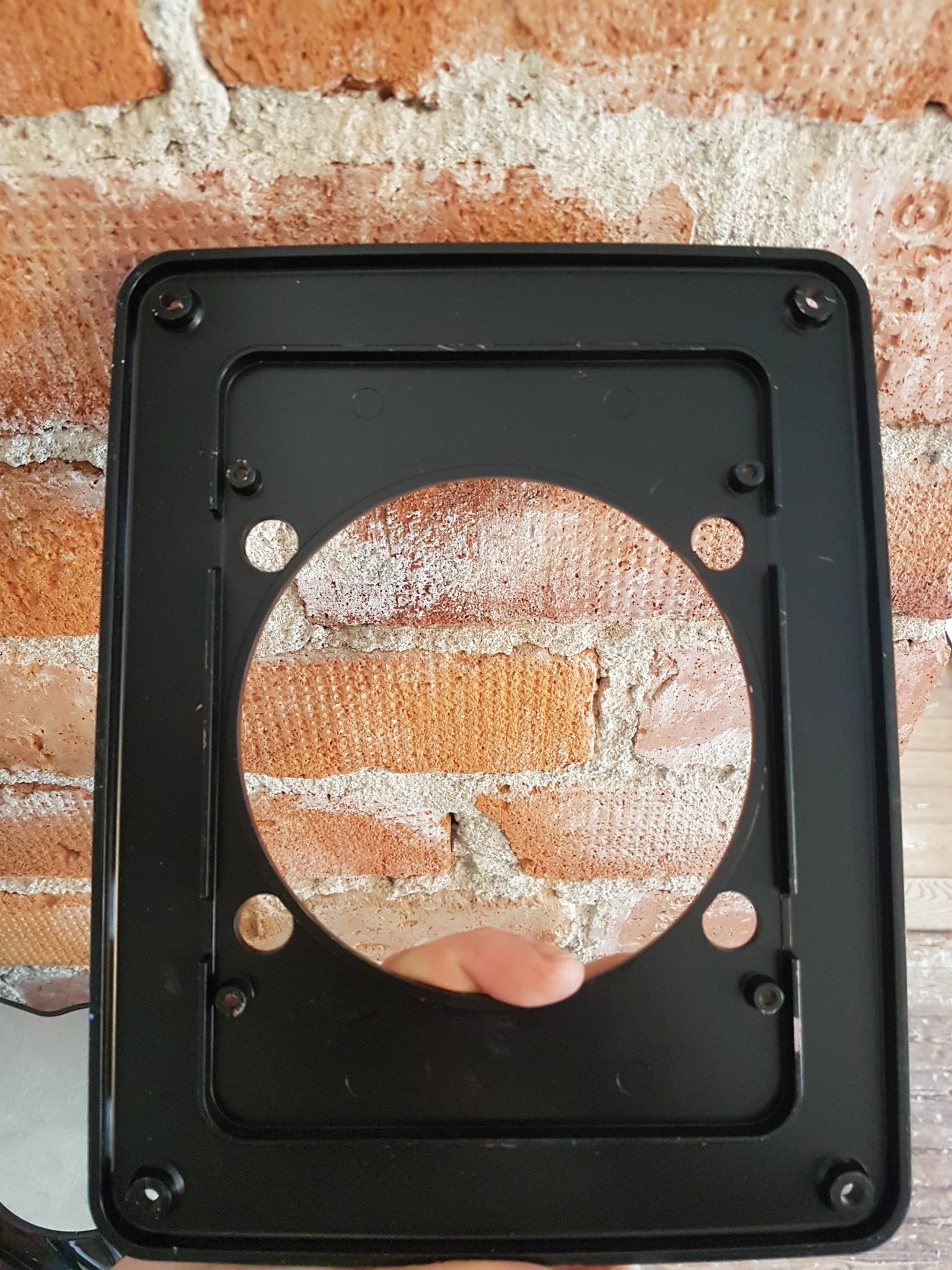
I am going to install a Fresh intellivent 2.0. The duct in the chimney is too large for the fan. An old iron frame is around the duct opening. I have bought a cover plate that fits quite perfectly on the iron frame, which the fan can be mounted on. BUT, it is not possible to screw the cover plate into the iron frame as the mortar holding the frame risks cracking if I screw into it. Therefore, I plan to glue the cover plate to the iron frame. The only problem is that the grooves on the cover plate that rest on the iron frame are no more than maybe 2 mm wide. Is it possible to glue the cover plate to such narrow grooves with pl400, so it holds for the fan? I'm not at home, so I can't weigh it, and can't find any info online, but it doesn't weigh much, maybe a few hundred grams?
Cover plate:
https://www.hornbach.se/shop/FRESH-Tackplatta-Intellivent-vit/8494646/artikel-detaljer.html
Fan:
https://www.hornbach.se/shop/FRESH-Badrumsflakt-Intellivent-2-0-vit/5548677/artikel-detaljer.html
I am going to install a Fresh intellivent 2.0. The duct in the chimney is too large for the fan. An old iron frame is around the duct opening. I have bought a cover plate that fits quite perfectly on the iron frame, which the fan can be mounted on. BUT, it is not possible to screw the cover plate into the iron frame as the mortar holding the frame risks cracking if I screw into it. Therefore, I plan to glue the cover plate to the iron frame. The only problem is that the grooves on the cover plate that rest on the iron frame are no more than maybe 2 mm wide. Is it possible to glue the cover plate to such narrow grooves with pl400, so it holds for the fan? I'm not at home, so I can't weigh it, and can't find any info online, but it doesn't weigh much, maybe a few hundred grams?
Cover plate:
https://www.hornbach.se/shop/FRESH-Tackplatta-Intellivent-vit/8494646/artikel-detaljer.html
Fan:
https://www.hornbach.se/shop/FRESH-Badrumsflakt-Intellivent-2-0-vit/5548677/artikel-detaljer.html
"Feta" plastics usually don't glue well, though I'm not sure how PL400 works. If the glue adheres only to the plastic, it should work.
Otherwise, you might be able to make your own (or ask someone to make one) cover plate in an appropriate material, just pattern it from the plastic you have, then you can also remove the traces and get a larger contact surface to glue against.
Otherwise, you might be able to make your own (or ask someone to make one) cover plate in an appropriate material, just pattern it from the plastic you have, then you can also remove the traces and get a larger contact surface to glue against.
How do I know if this is a "fatty" plastic?Lexington said:
"Feta" plastics usually don't adhere well to glue, though I don't know how PL400 works. If the glue only adheres to the plastic, it should work.
Otherwise, you might be able to create your own (or have someone else create) a cover plate in a suitable material, just trace it from the plastic one you have, then you can also remove the traces and get a larger surface area to glue against.
I've bought a wood panel that I can glue on in case it doesn't work with the cover plate.
Since this is set up on the wall, it will be difficult to press it down with clamps. How long do I need to press the cover plate or wood panel before I can release it?

Have I interpreted the problem correctly that the hole in the metal frame is almost as large as the cover plate (-a few mm)?
If so, there should be plenty of space in the hole to glue some "studs" in the hole to place the plate on.
("Studs" in quotation marks, as I would personally avoid wood if humid bathroom air is to be vented out, something inorganic might be more appropriate.)
Then you could have quite large contact surfaces for the gluing.
If so, there should be plenty of space in the hole to glue some "studs" in the hole to place the plate on.
("Studs" in quotation marks, as I would personally avoid wood if humid bathroom air is to be vented out, something inorganic might be more appropriate.)
Then you could have quite large contact surfaces for the gluing.
Put a dab of glue on the back of the frame in a suitable place, wait 48 hours and see if you can peel off the glue with your nail.F frihopper said:
No, not PL400 but PL600.F frihopper said:
- PL 400 is an air-drying solvent-based construction adhesive, which bonds both outdoors and indoors and adheres to most materials, even cold, damp, and oily ones. Water-resistant and frost-resistant.
- PL 600 Wmax is a water-based adhesive with maximum strength and immediate adhesion, making it possible to glue heavier objects directly to the wall without support fixation.
/Stickan
Last edited:
Do you mean that you would only have glue on the "track" on the cover plate?
Personally, I would first double-check that PL400 adheres properly to the plastic according to @Lexington's description, which I believe it does.
Then it's just a matter of filling with PL400 in the entire space behind that has the opportunity to rest against the frame.
Mask with tape outside so you don't smear too much, press the cover plate into place, secure it with some tape until it has cured properly. Then there should be no problem with the durability.
Personally, I would first double-check that PL400 adheres properly to the plastic according to @Lexington's description, which I believe it does.
Then it's just a matter of filling with PL400 in the entire space behind that has the opportunity to rest against the frame.
Mask with tape outside so you don't smear too much, press the cover plate into place, secure it with some tape until it has cured properly. Then there should be no problem with the durability.
I would go to a sheet metal worker with the plastic frame and ask for a sheet metal with the large hole in the middle and the holes needed to screw the fan in place, plus they can make it the same size as the square metal frame around the hole.F frihopper said:
Then I would throw away the plastic frame (possibly return it to Hornbach), glue the sheet metal over the hole (PL600), and screw the fan into the sheet metal! Make sure to paint the sheet metal black before you put it up too.
I meant the "track" that is outermost in the picture. That's why I was hesitant if it would hold. But is it possible to build up PL400 between the tracks on the cover plate, i.e., between the outermost track and the one that sits a few cm inside?Dowser4711 said:
Do you mean that you would only have glue on the "track" on the cover plate?
I would first double-check that PL400 adheres properly to the plastic according to @Lexington's description, which I believe it does.
Then you just need to fill with PL400 in the entire space behind that has the ability to rest against the frame.
Mask with tape outside so you don't smear too much, press the cover plate into place, secure it with a little tape until it has cured properly. Then there shouldn't be any problem with the strength.
PL400 builds quite well, so it shouldn't be a problem. However, the drying time will be longer the thicker you apply it. So expect 3-4 days to be on the safe side. And as mentioned, mask off the areas where you don't want it to go.
Alternatively, you can start by "filling" the groove between the two edges with PL400 or epoxy, let it lie "on its back" and cure in peace, then glue it in place with a finished large flat surface.
Alternatively, you can start by "filling" the groove between the two edges with PL400 or epoxy, let it lie "on its back" and cure in peace, then glue it in place with a finished large flat surface.