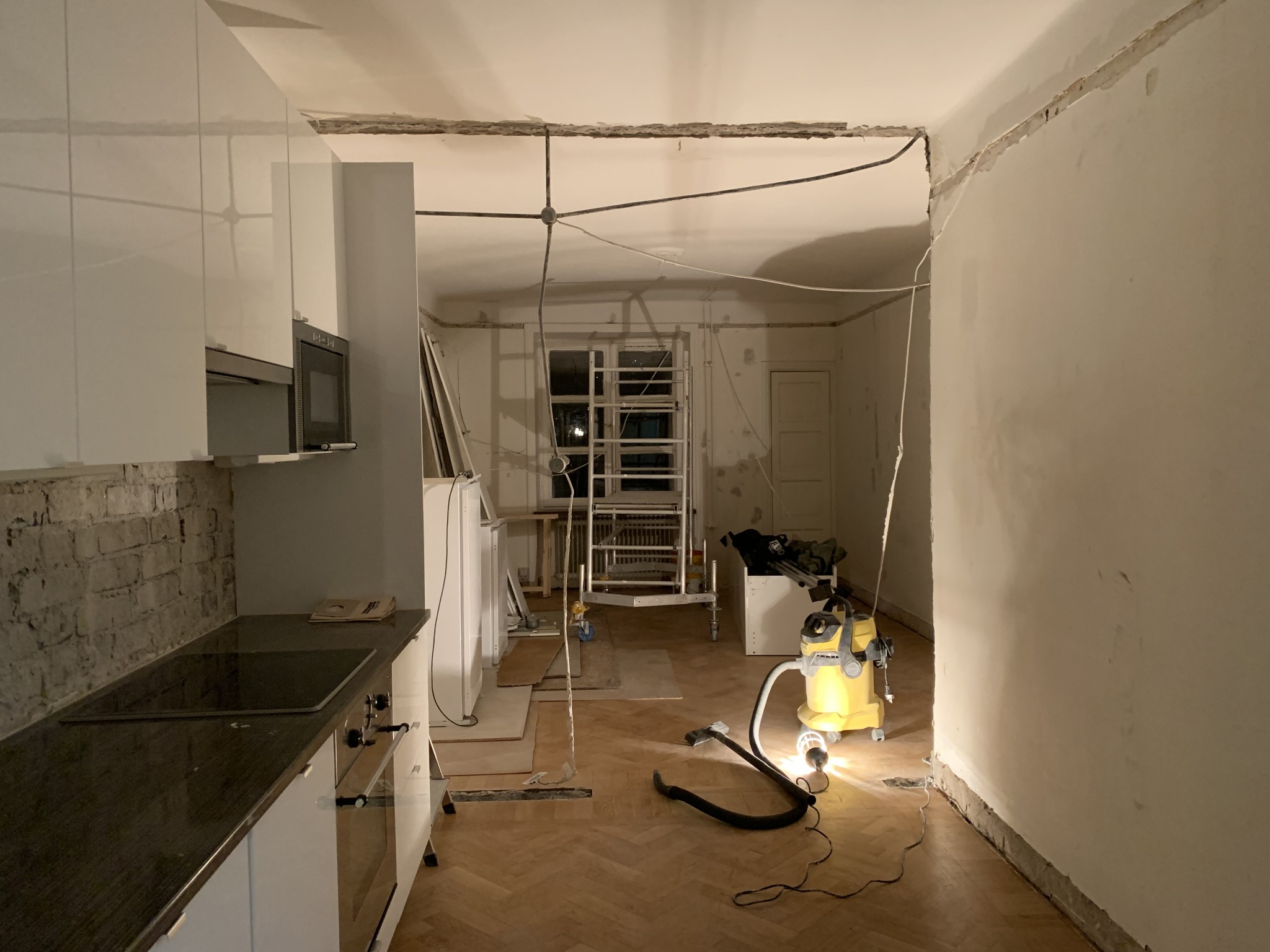
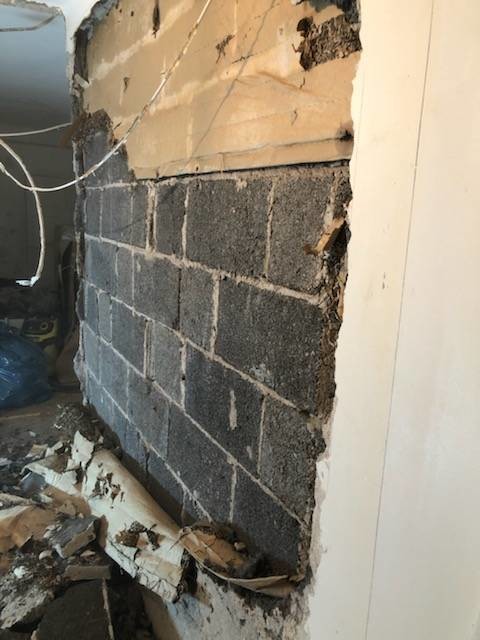
I'm renovating a newly purchased apartment. When the builders were preparing a wall to even it out a bit, they noticed that it was moving (see film)! When they tried to investigate what it was, they discovered that there was about a 10 cm thick layer in front of the masonry. They couldn't identify the exact consistency or its function, but it had no connection to the masonry. When they then picked a little at a layer of paper on the outside, the whole wall (the surface layer, not the masonry) collapsed within a minute. The entire construction was held in place only by some kind of wallpaper. One is glad to have discovered this now during the renovation and before the wall fell on someone, but the question is whether something like this qualifies as a hidden defect or if it's something you have to expect when buying an apartment in an old building? The building is from 1929. Does anyone have experience with this?
You buy into an almost hundred-year-old building construction without sufficient investigation. It would have been enough to gently tap on the walls to discover that the layer was loose. Thus, not a hidden defect, but a very easily detectable one. Apparently, the concept of "hidden defect" does not exist when it comes to apartments. But that's another story.
If it's a bostadsrätt, the association might be responsible here. Read the bylaws. Normally, the association is responsible for load-bearing structures and water pipes, etc., while the resident handles surface aspects like wallpaper, paint, and flooring.
You buy into an almost hundred-year-old building construction without sufficient investigation. It would have been enough to gently knock on the walls to discover that the layer was loose. Thus, no hidden defect, but a very easily detectable one.
Also, apparently, the concept of "hidden defect" doesn't exist when it comes to apartments. But that's another story.
When I took down the wallpaper, I didn't notice anything, nor did the builders when they removed the ceiling and floor moldings... And when I asked the seller if he had noticed anything, he hadn't either. So I don't think it was that easy to discover.
If the surface layer is not well anchored to the substrate, it sounds "hollow" when tapped. But surely no one did that? Anyway, it's not much to fuss about.
If it's a condominium, the association might be responsible here. Read the bylaws. Normally, the association is responsible for load-bearing structures and water pipes, etc., and the resident handles the surface finish, like wallpaper, paint, and flooring.
Staffan2000 said:
If the surface is not well anchored to the substrate, it sounds "hollow" when you knock on it. But no one did that, right? Anyway, it's not much to argue about.
Yes, it was done. And around the corner there is a small part that seems to be built the same way, and it doesn't sound hollow there either.
Haven't spoken to them yet. But the bylaws clearly state that everything indoors that is not a load-bearing structure is the responsibility of the condo owner. And this was not a load-bearing wall.
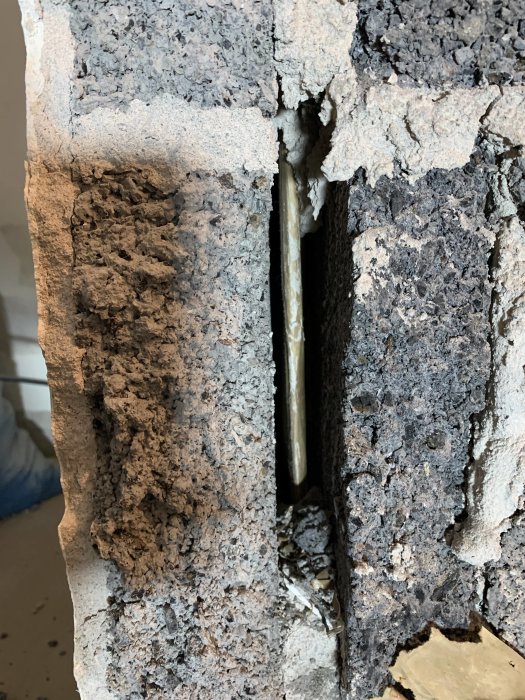
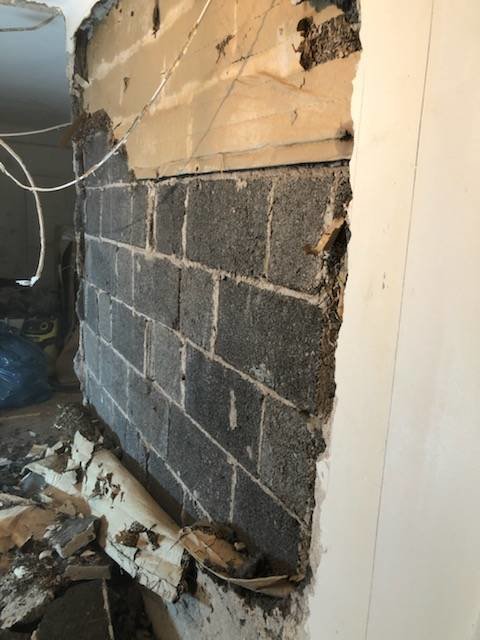
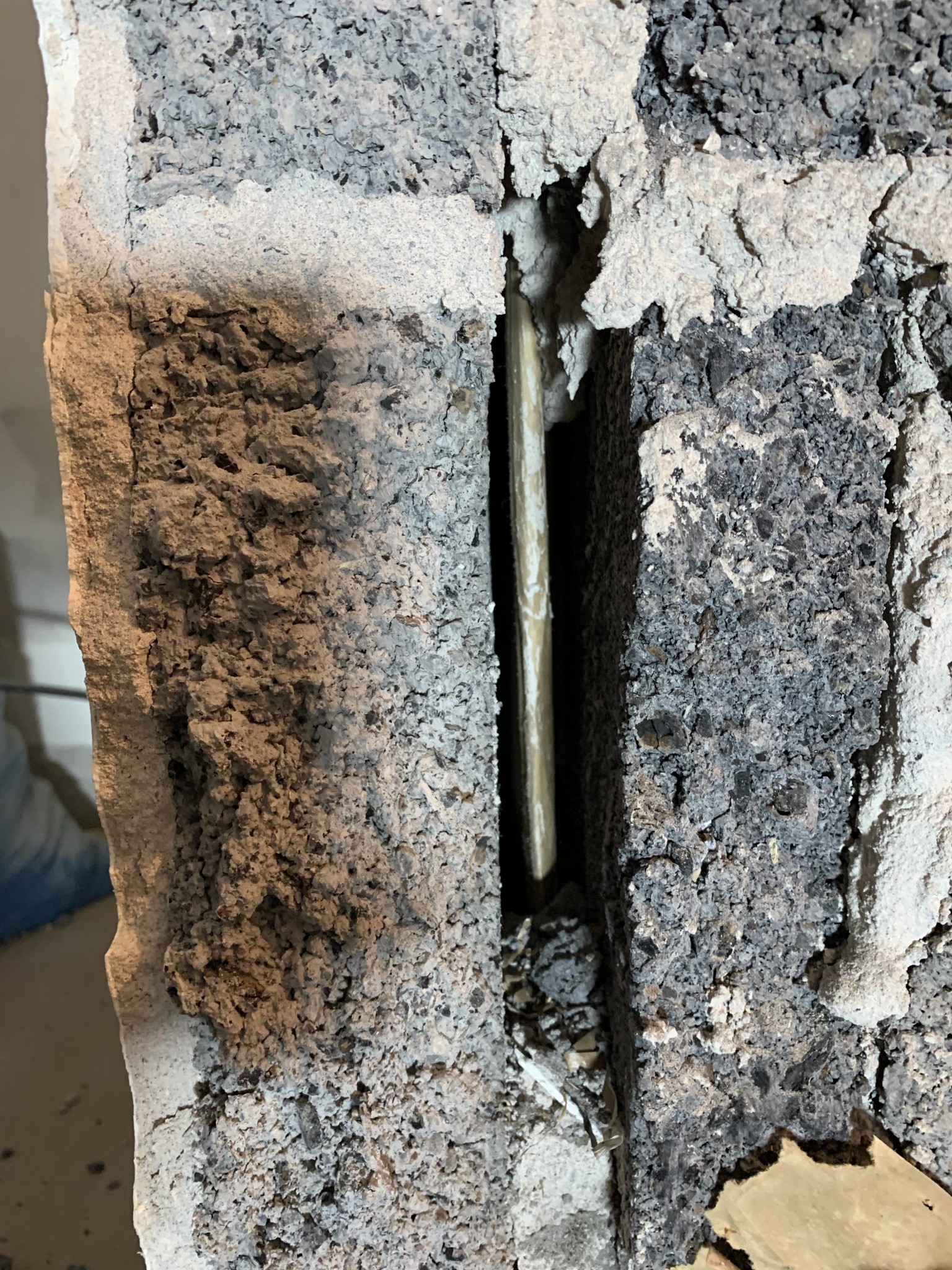
Lightweight concrete and 1929, this was probably built later. It's not entirely impossible that they detached from the substrate during your demolition. If they are as loose as in the pictures, it should have been noticed before you started.
Light concrete and 1929, this is probably built later. It's not entirely impossible that they loosened from the substrate during your demolition. If they are as loose as in the pictures, it should have been noticed before you started.
Theoretically one should have noticed, but there was neither a visual indicator nor did it sound strange - not even the seller who had the apartment for 9 years had noticed anything... and how often do you forcefully wiggle a wall? This is what the wall looked like...
Click here to reply
Vi vill skicka notiser för ämnen du bevakar och händelser som berör dig.

Staffan2000 said:
You buy into an almost hundred-year-old building construction without sufficient investigation. It would have been enough to gently knock on the walls to discover that the layer was loose. Thus, no hidden defect, but a very easily detectable one.