
4,162 views ·
9 replies
4k views
9 replies
Load-bearing wall? Experts, what do you think?
Hi,
My first post!
Bought a house a couple of weeks ago, moving in July. Quite a bit to renovate, and we want to start by tearing down two walls around the kitchen to create an open floor plan.
I've ordered plans from the city planning office to ensure the walls aren't load-bearing, but I'm having a hard time interpreting the images. I'll probably need to hire a structural engineer (you don't want the ceiling to collapse on you during dinner), but I'm curious - What do you experts say, do you think the walls are load-bearing? One looks a bit thicker in the picture?
If it is load-bearing, how big of a job is it to make a structural alteration?
Really grateful for all the answers!!
My first post!
Bought a house a couple of weeks ago, moving in July. Quite a bit to renovate, and we want to start by tearing down two walls around the kitchen to create an open floor plan.
I've ordered plans from the city planning office to ensure the walls aren't load-bearing, but I'm having a hard time interpreting the images. I'll probably need to hire a structural engineer (you don't want the ceiling to collapse on you during dinner), but I'm curious - What do you experts say, do you think the walls are load-bearing? One looks a bit thicker in the picture?
If it is load-bearing, how big of a job is it to make a structural alteration?
Really grateful for all the answers!!
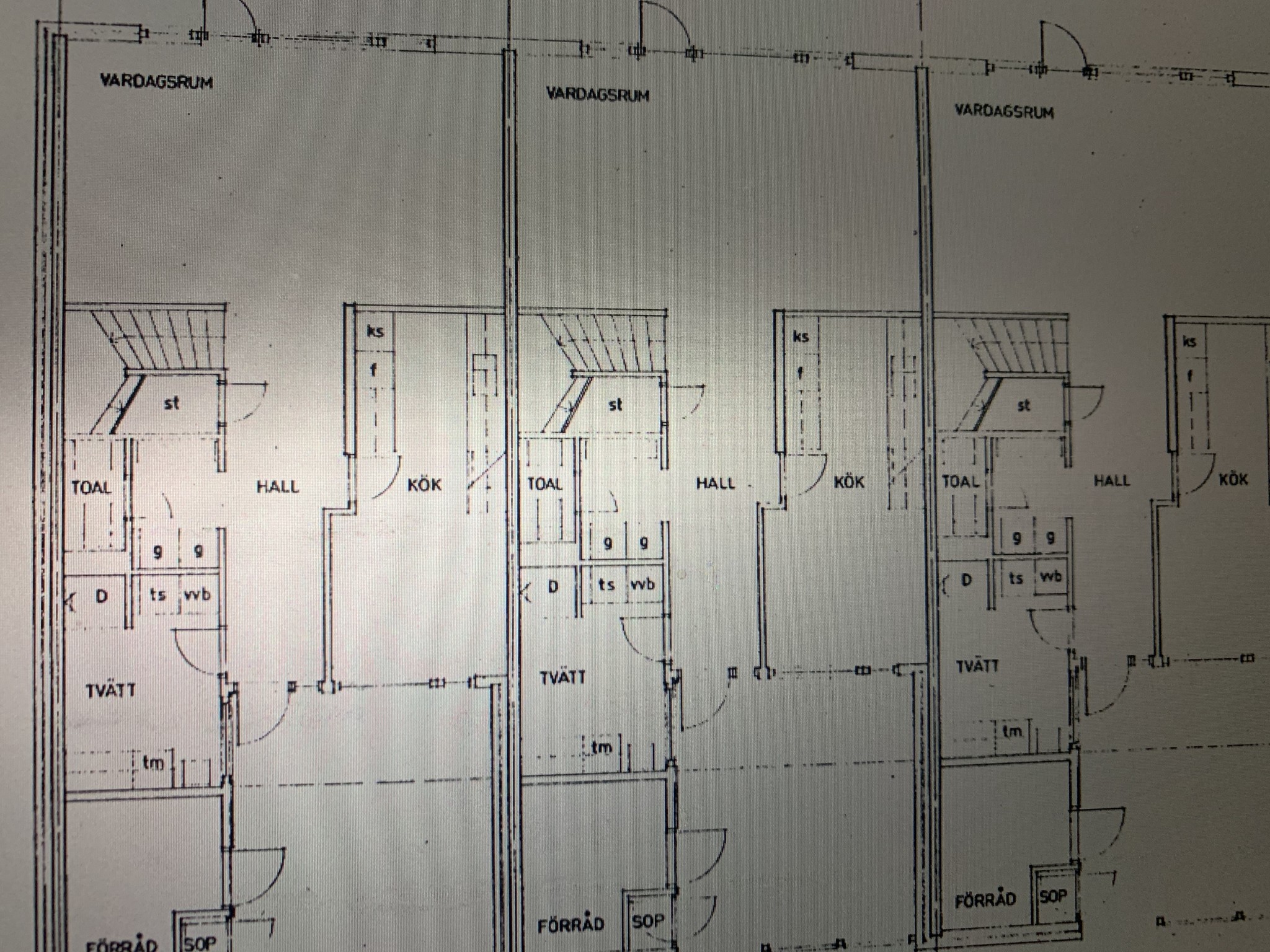
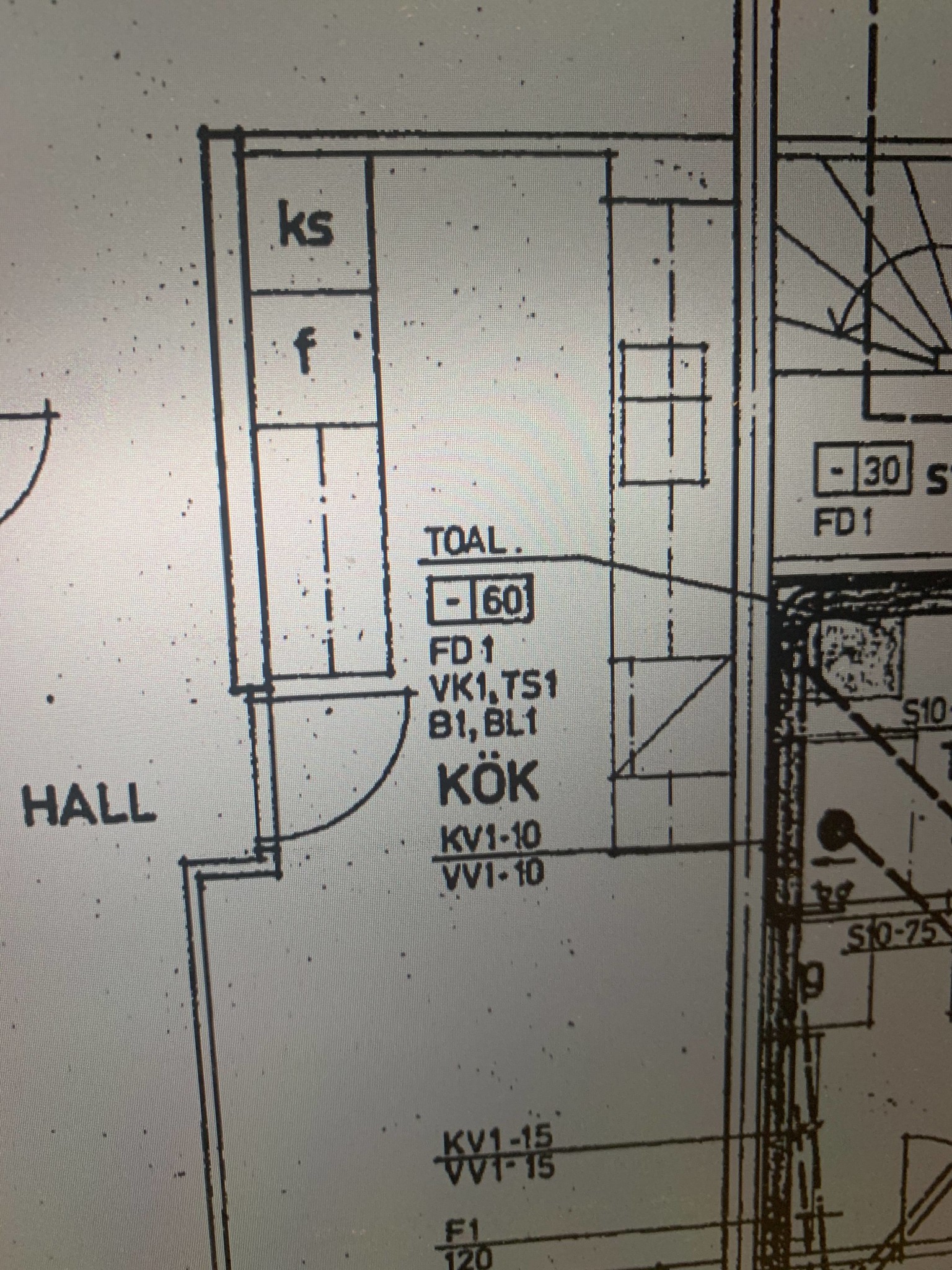

That looks like apartments. Some kind of row house, perhaps?N Nollkollmenglad said:Hello,
My first post!
Bought a house a few weeks ago, moving in July. There's quite a bit to renovate and we want to start by tearing down two walls around the kitchen to create an open floor plan.
I have ordered blueprints from the city planning office to ensure that the walls are not load-bearing, but I'm having a really hard time interpreting the images. We will likely need to hire a structural engineer (you don't want the roof to collapse on you while having dinner), but I'm curious - What do you experts think, do you believe the walls are load-bearing? One of them looks a bit thicker in the picture.
If it were to be load-bearing, how big of a job is it to install a beam?
Very grateful for all responses!!
In this case, it's not really that easy to know what is what, actually. I guess the eaves run along all the living rooms upwards in the picture, and the opposite side downwards.
Usually, the joists run crosswise, so to speak. That is, in the same direction as the roof trusses are placed.
If you have an open attic, you can go up and see how the attic floor joists are laid out. However, if there is an upper floor with rooms, you can't see it that way.
If you don't have much experience with these matters, you should definitely hire a structural engineer. It is impossible for us to say which walls are load-bearing and which are not just with the help of the blueprints you attached.
Had you attached blueprints of a regular house, I could have told you with great certainty what is load-bearing and what is not, and you could have started installing a beam and tearing down, but not in this case.
Hello!
Thank you so much for your response, I really appreciate it.
It's an end townhouse, two floors + attic. Do you think an experienced craftsman can determine it by looking and going up to the attic, or is it best to still hire a constructor?
Maybe a really dumb question, but can the drawing of the attic or the row of townhouses say anything more?
Thank you so much for your response, I really appreciate it.
It's an end townhouse, two floors + attic. Do you think an experienced craftsman can determine it by looking and going up to the attic, or is it best to still hire a constructor?
Maybe a really dumb question, but can the drawing of the attic or the row of townhouses say anything more?
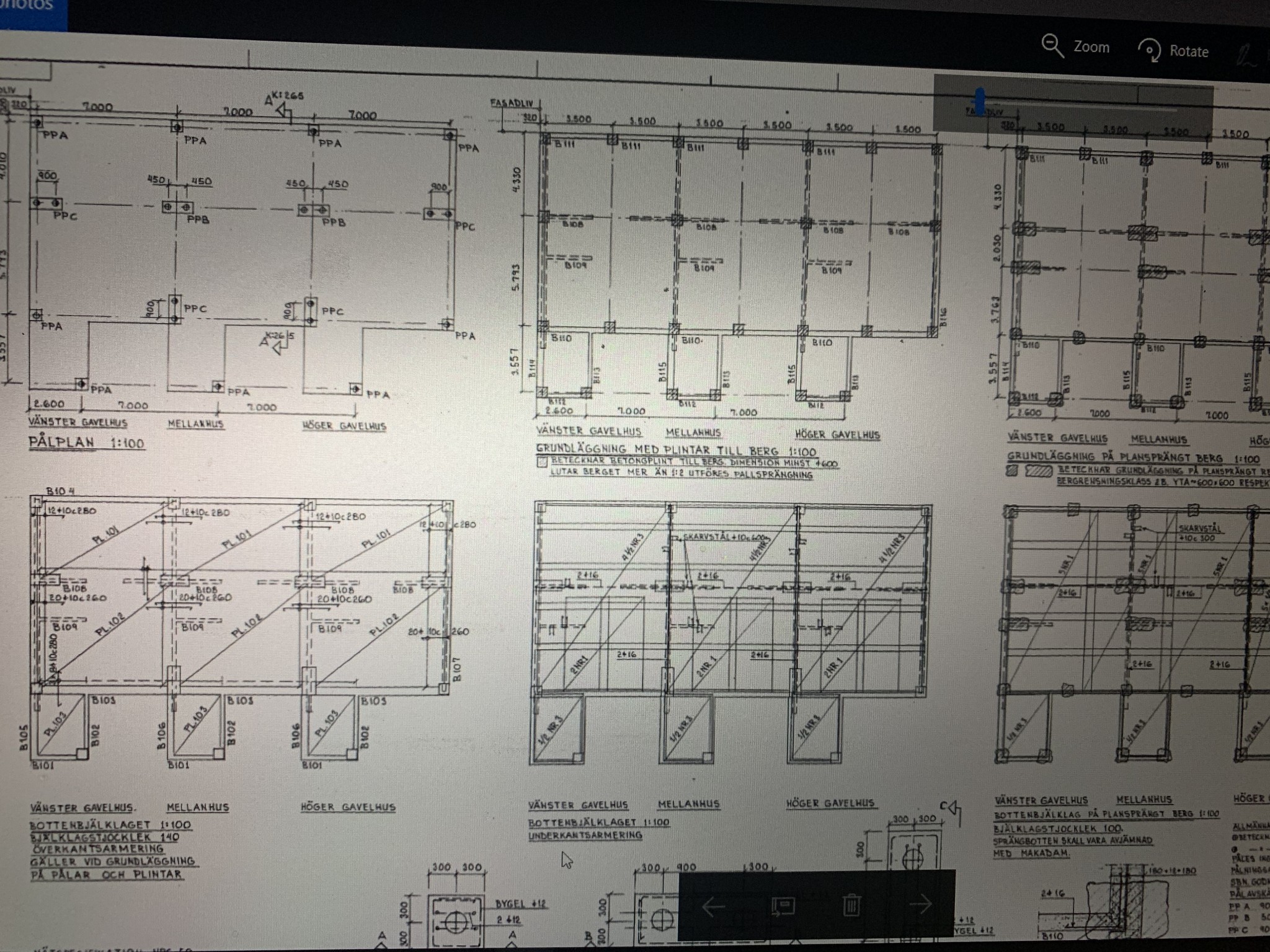
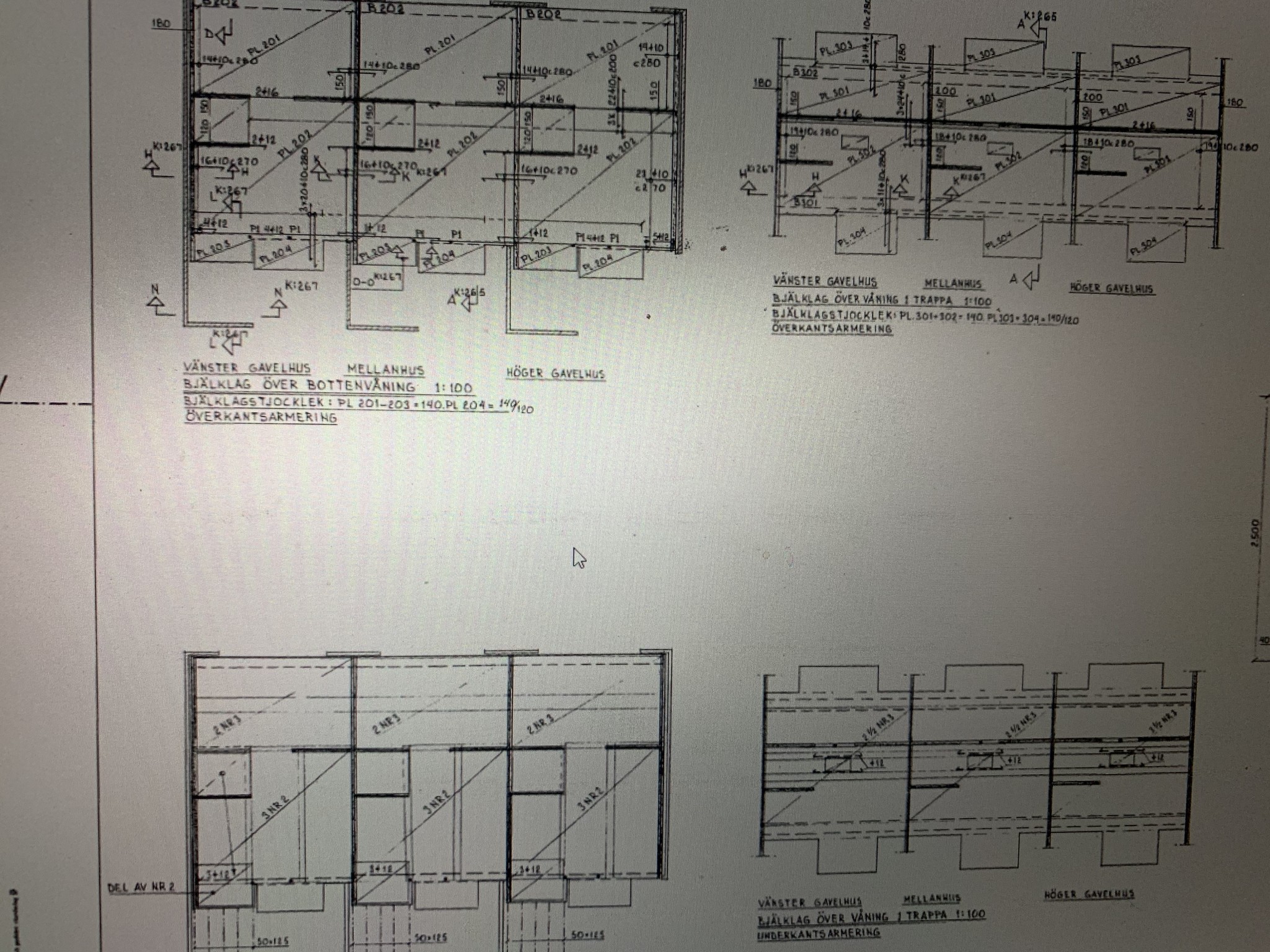
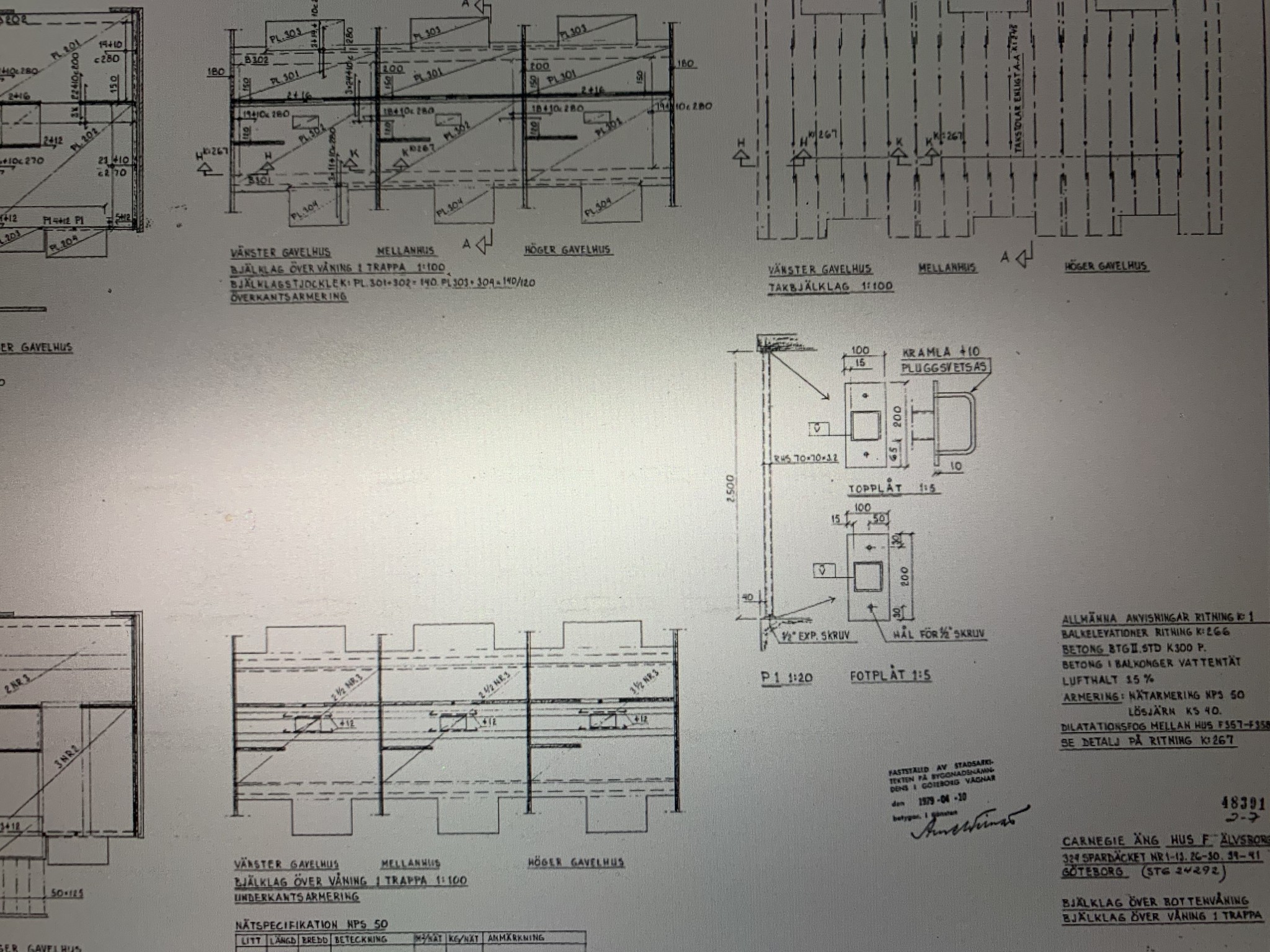
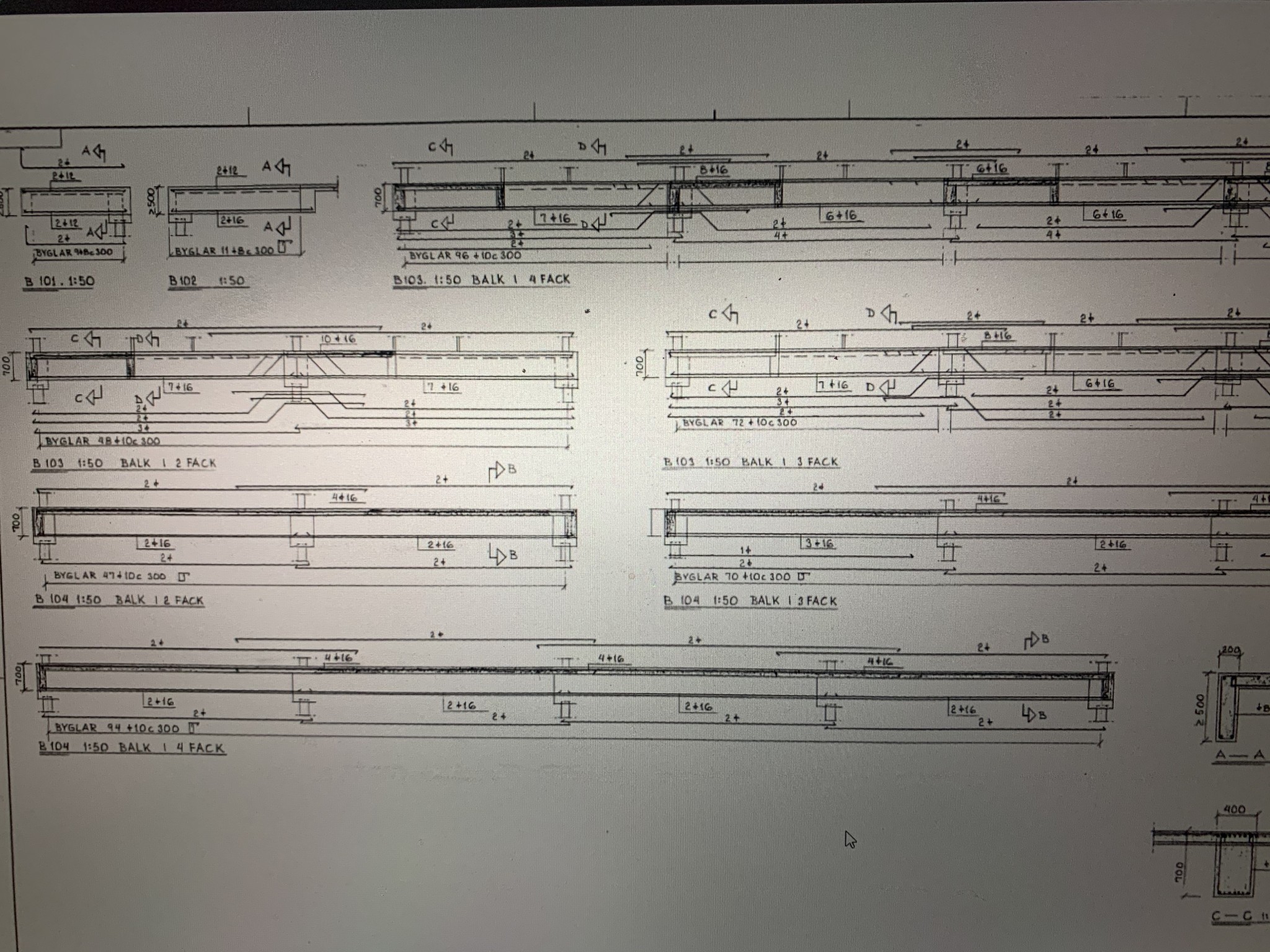
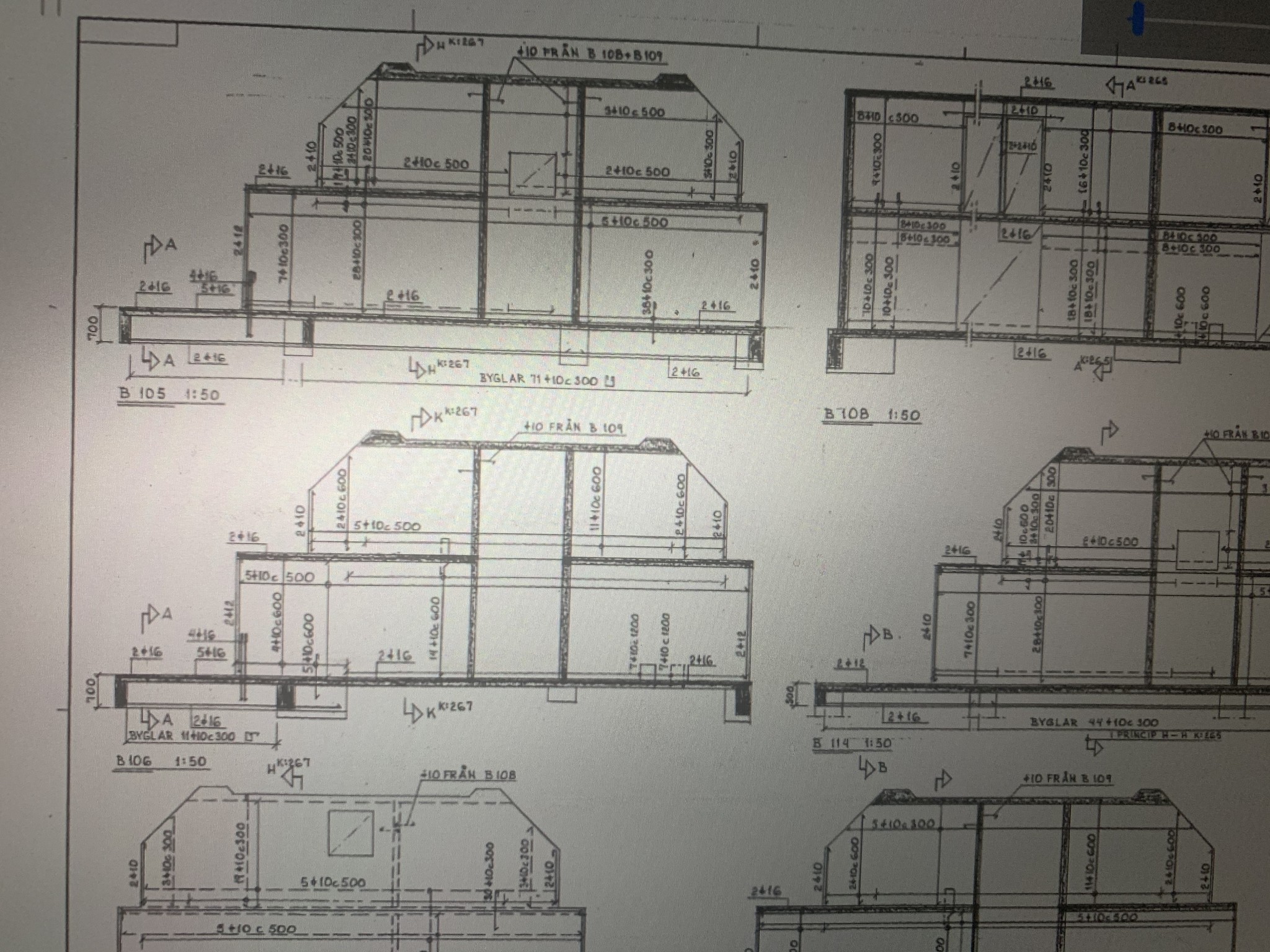
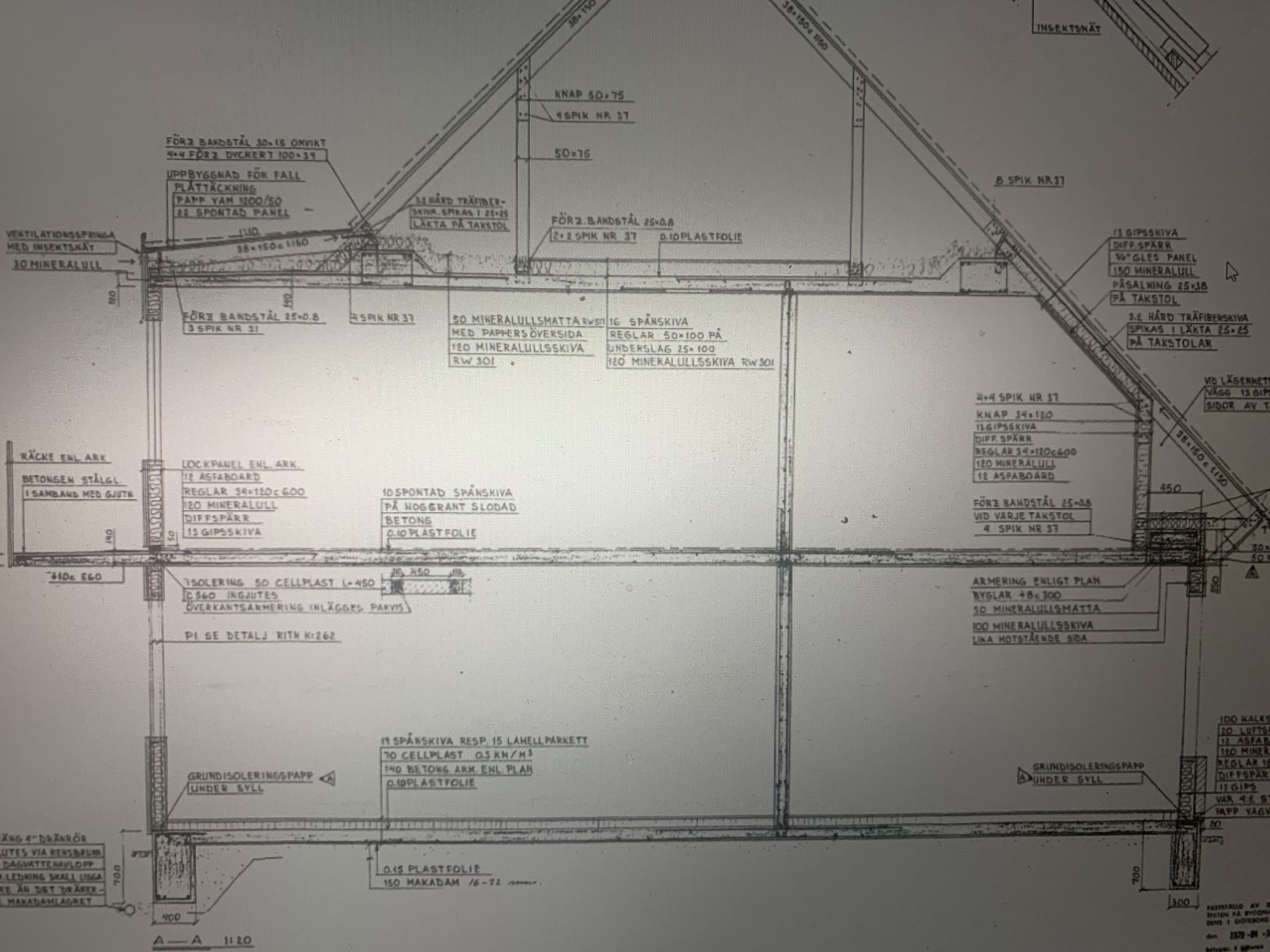
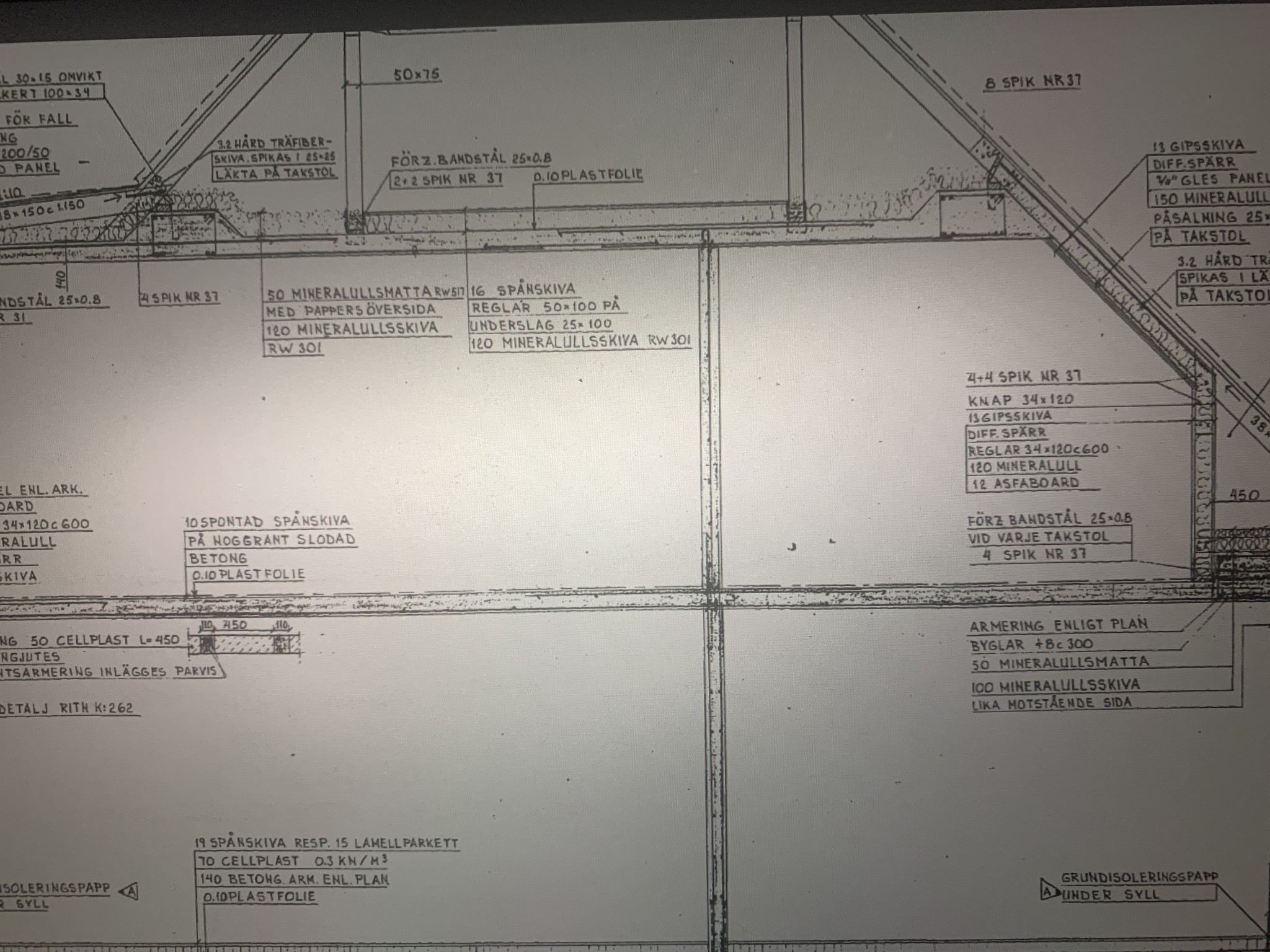
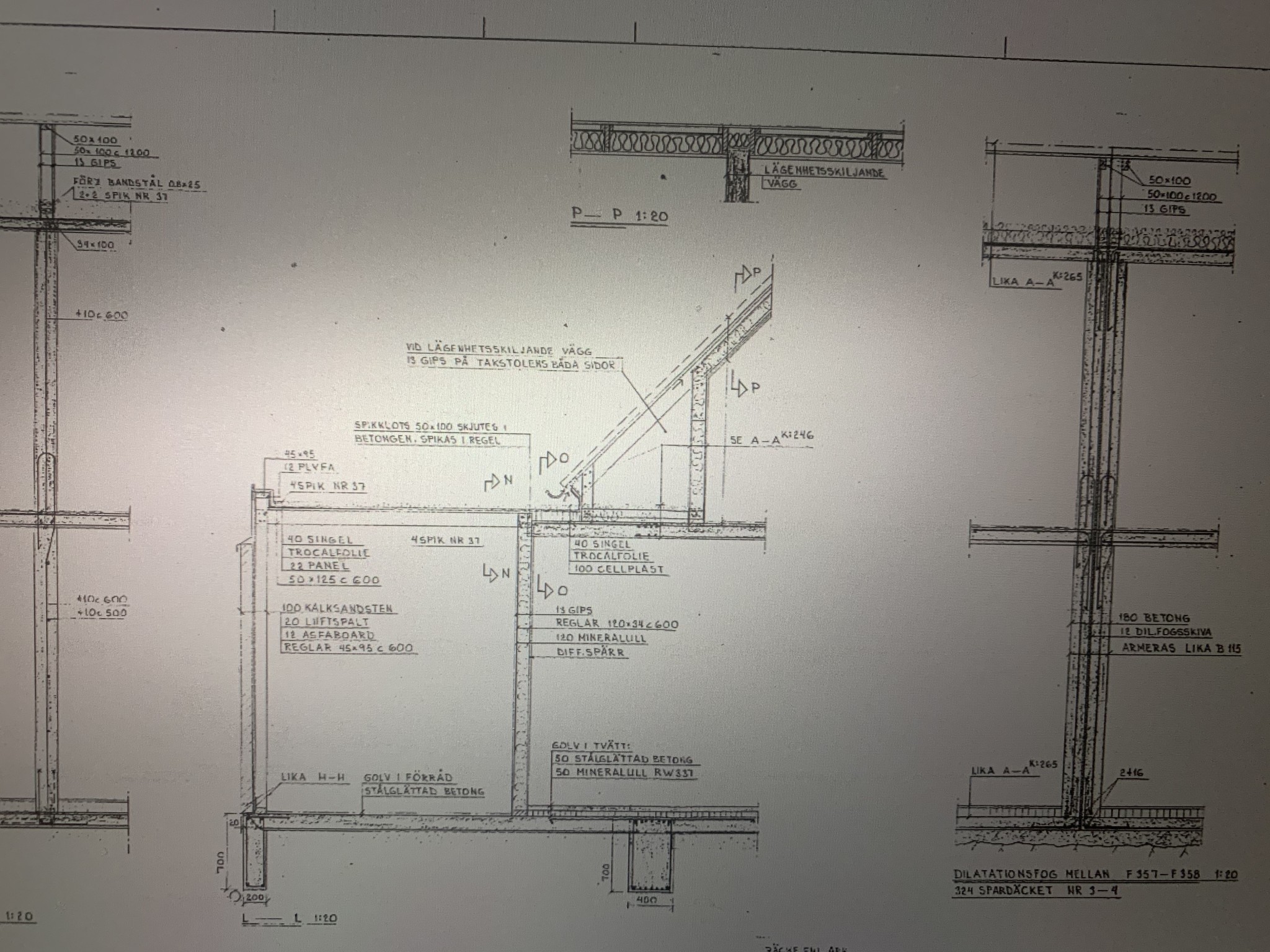
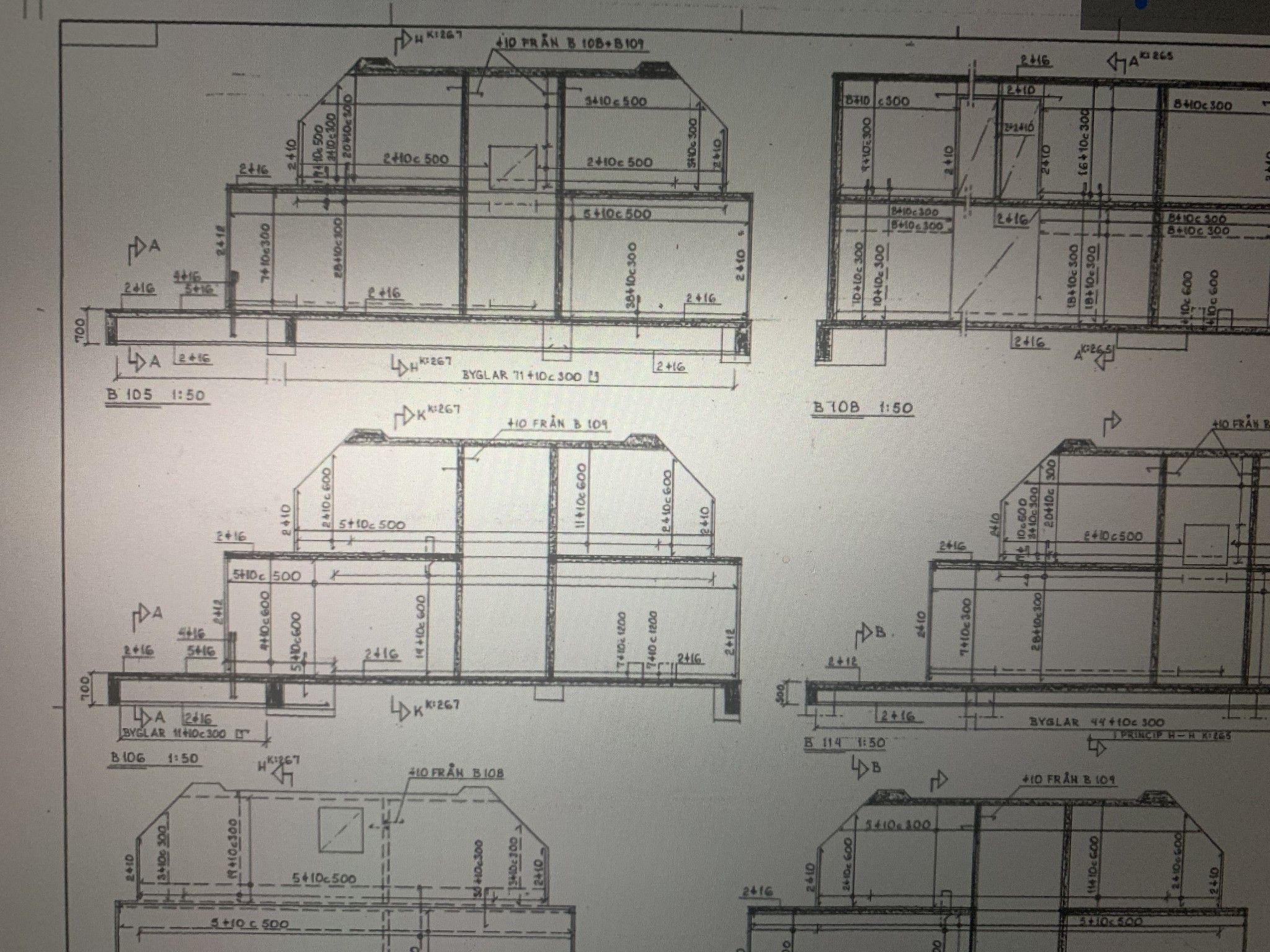
The flooring is a cast arch, concrete slab. You have good and detailed construction drawings.
Since you live in a townhouse with 3 residences, it's even more important that it's done correctly so that no one else is affected by any possible mistakes.
My advice is to contact a structural engineer who can come out, look at the drawings, and point out where and how you should make adjustments. He can probably specify more precisely what you should use, etc., so you could do the work yourselves if it doesn't become too complicated.
Don't knock down any walls haphazardly without knowing what you're doing, because then you are responsible if others get hurt.
Since you live in a townhouse with 3 residences, it's even more important that it's done correctly so that no one else is affected by any possible mistakes.
My advice is to contact a structural engineer who can come out, look at the drawings, and point out where and how you should make adjustments. He can probably specify more precisely what you should use, etc., so you could do the work yourselves if it doesn't become too complicated.
Don't knock down any walls haphazardly without knowing what you're doing, because then you are responsible if others get hurt.

The wall between the kitchen and the living room is load-bearing, probably not the other walls around the kitchen. The first wall should be made of reinforced concrete. The other walls should be made of wood or lightweight concrete. When was the house built?
@justusandersson Thank you for your response! It was built in '79. The townhouses that have been on the market in recent years have an open floor plan, but I guess that some type of support has been done? I am going to call a structural engineer on Monday to find out what applies. We have talked to an experienced craftsman who seemed to know how to proceed if the wall is load-bearing (did not mention the need for a structural engineer), but maybe a structural engineer is needed to get some type of assessment and instructions for the craftsman?
With a concrete slab, there is no room for beam pocketing. Load-bearing walls cannot be moved, and non-load-bearing walls can be removed. A carpenter can help you determine what material the walls are made of. I don't think there is any need for a structural engineer. Timber frame walls are never load-bearing for a concrete slab.
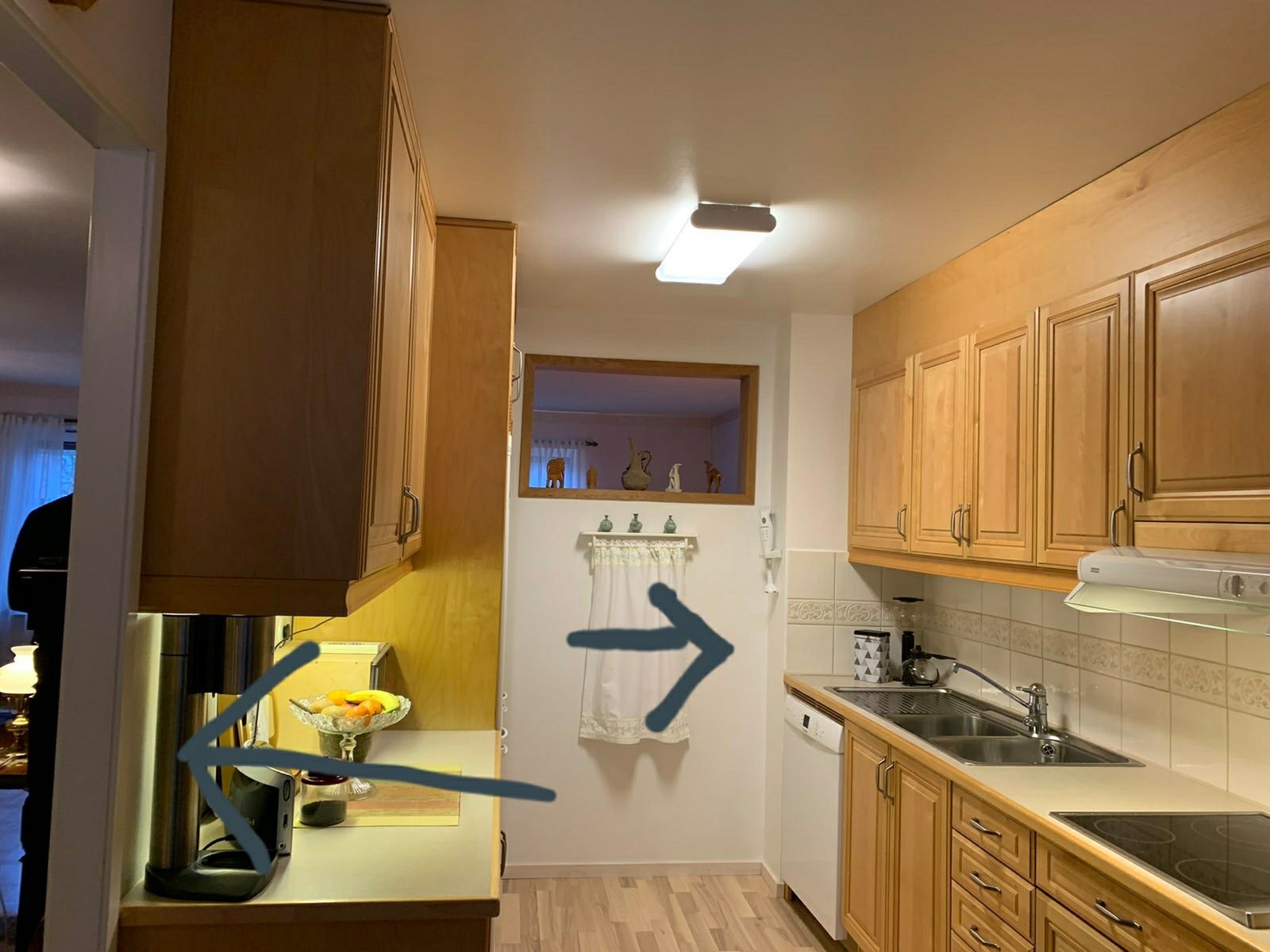
@justusandersson Many neighbors have demolished both walls but left the thicker part of the wall facing the living room, as one of the arrows points to. What do you think about doing that? Others have demolished the entire wall but left the thin wall toward the hallway, but that's not an option even if it were possible…
Best answer
The thick part on the right might be some sort of shaft. It should be evident if you knock on it. It is not included in the construction drawing. The section under the window can always be sawed off. Otherwise, I stand by what I wrote earlier.
Click here to reply
Similar threads
-
Rev en icke bärande vägg, ska nu sälja huset.
Utbyggnad och tillbyggnad -
Can you tell if the wall is load-bearing?
Building Materials and Construction Technology -
Beam for load-bearing wall?
Building Materials and Construction Technology -
Bärande vägg? W-takstolar
Planlösningar -
Load-bearing walls in 70s house
Building Materials and Construction Technology