I have a garage that was originally built with a flat roof. In 1999, the garage was remodeled by raising the roof to a 27-degree slope to match the house.

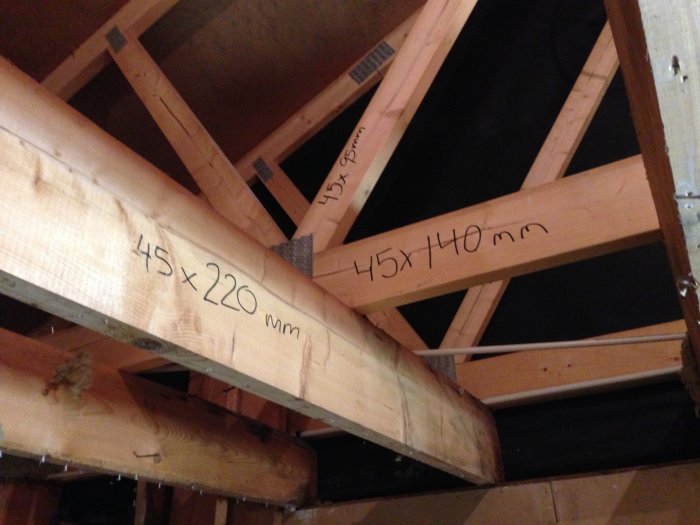
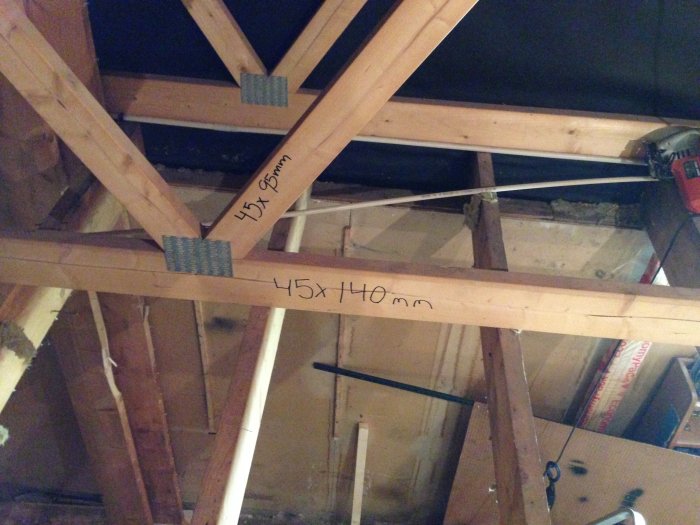
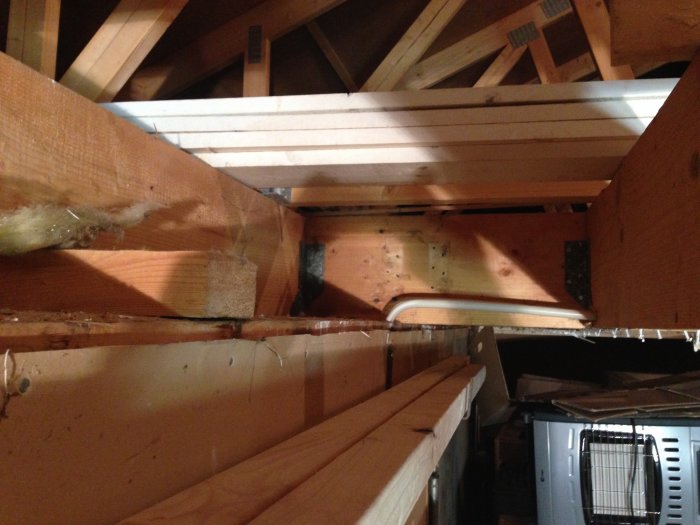
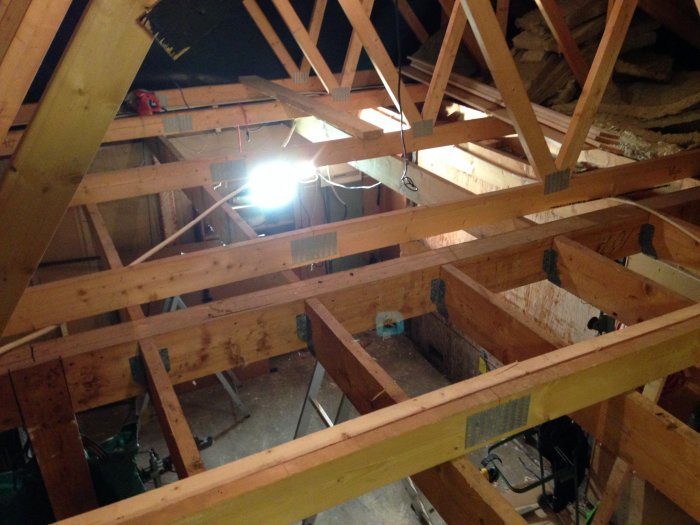
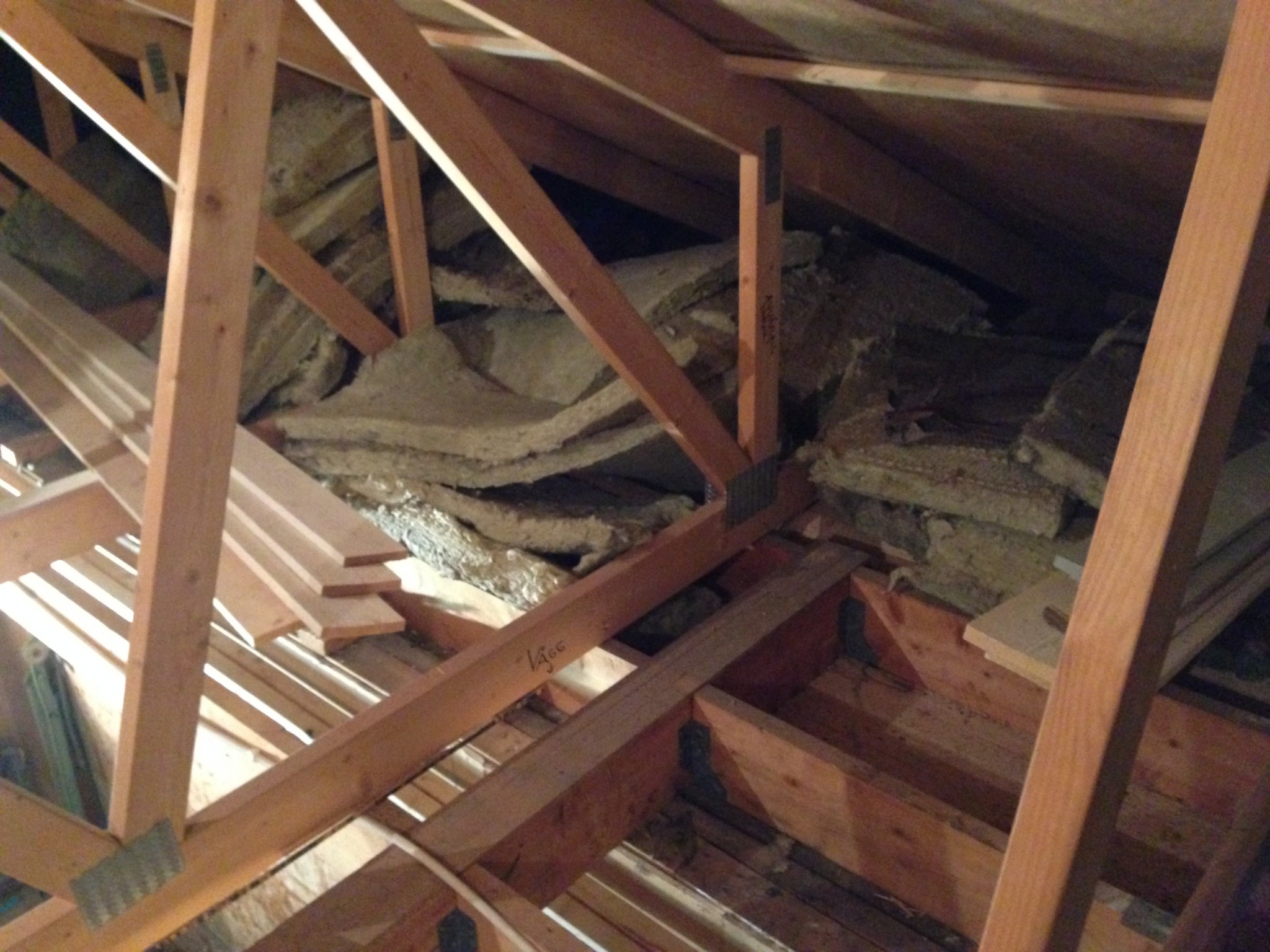
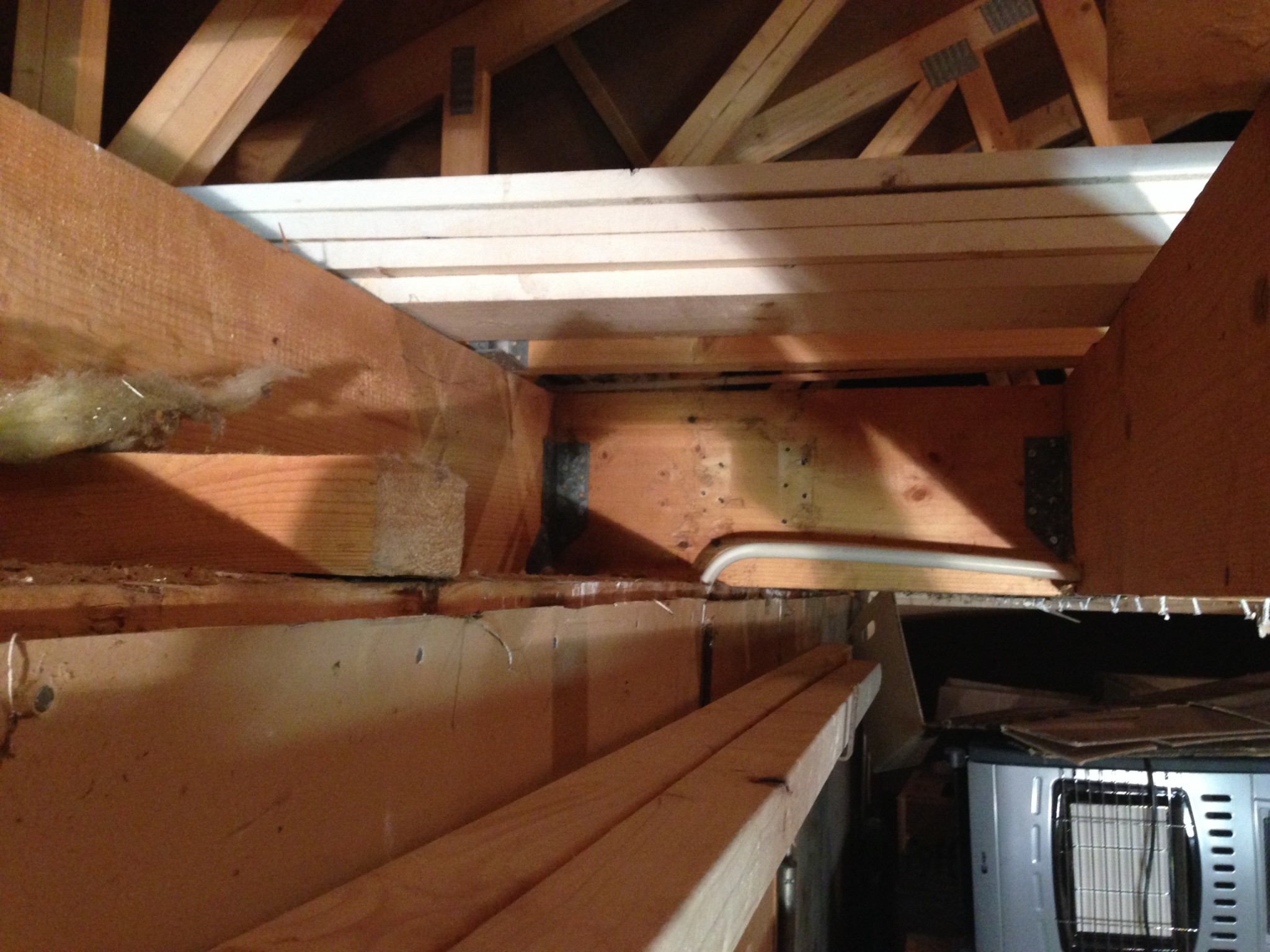
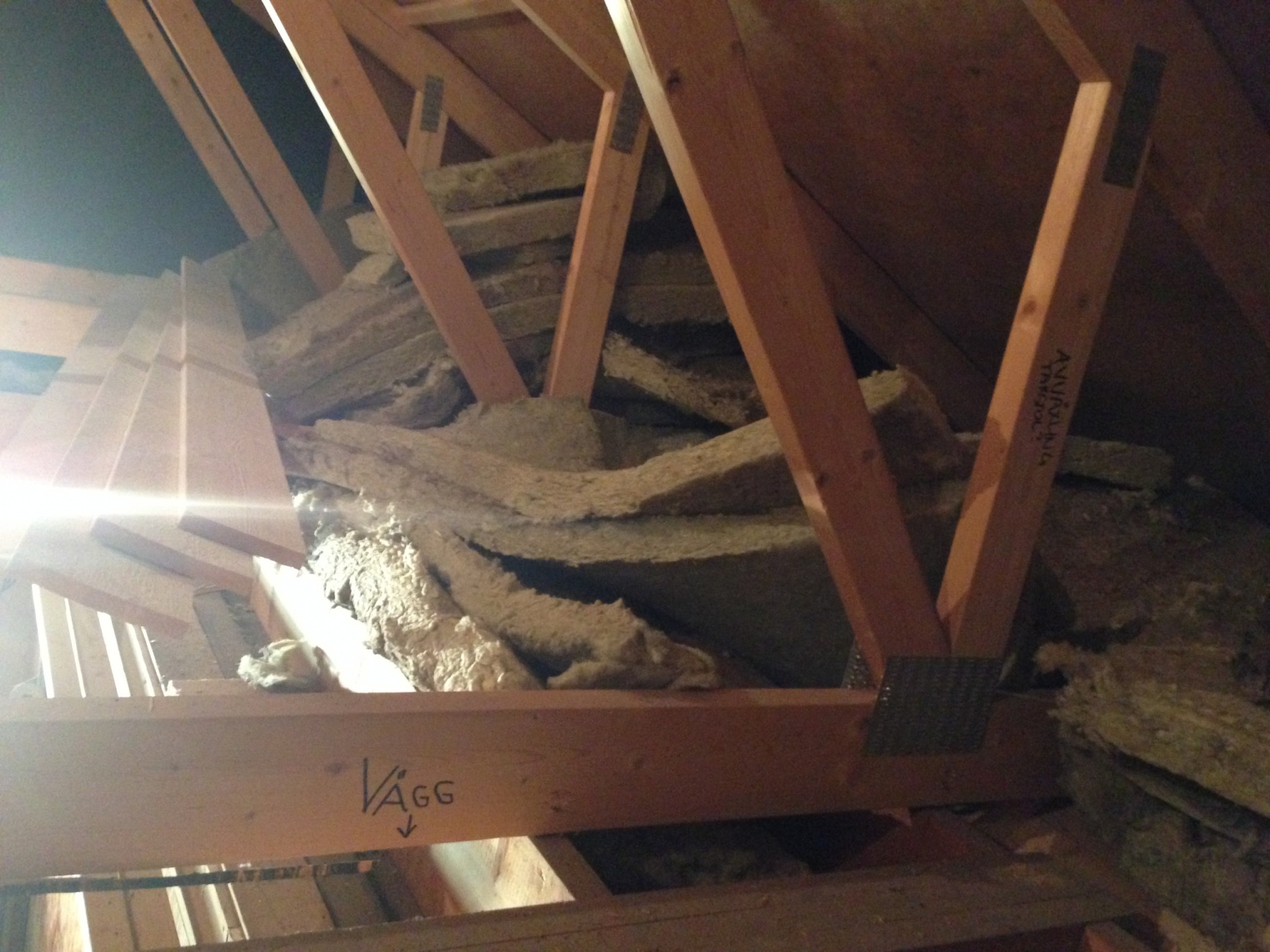
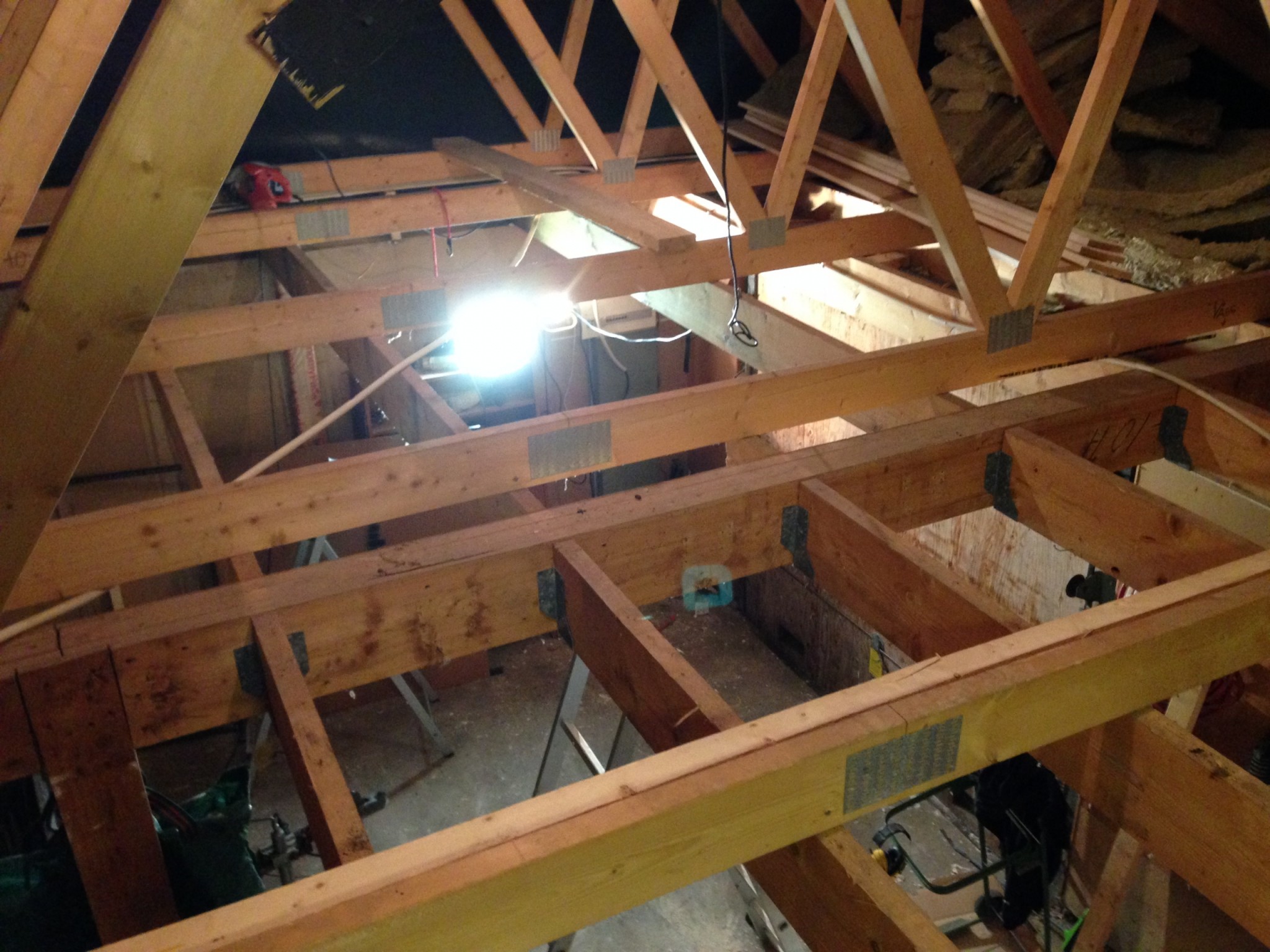
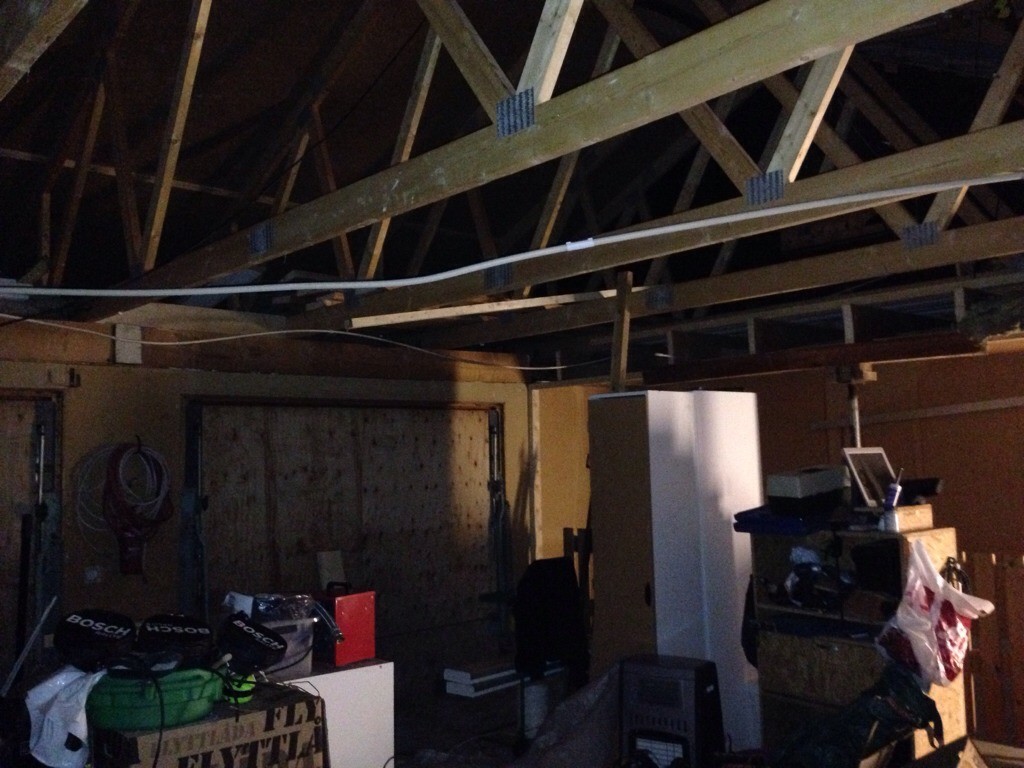
The new roof trusses were placed on top of the old roof joists. The old roof joists are 220 cm above the floor and have dimensions of 45x220. They are spliced in the middle against a transverse roof joist. See image:
Wooden rafters in a garage with dimensions 45x220 mm and 45x140 mm written on them, showing the current construction structure. Wooden roof trusses and old insulation material in a garage attic space under renovation.

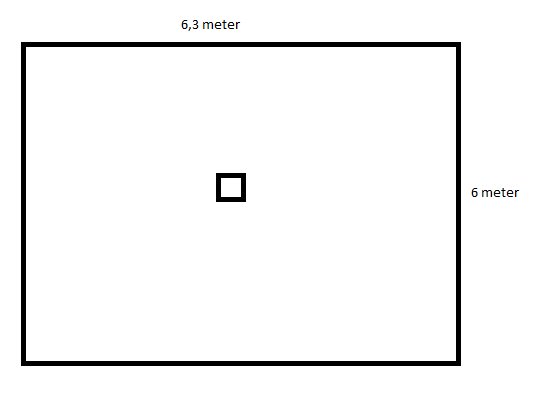
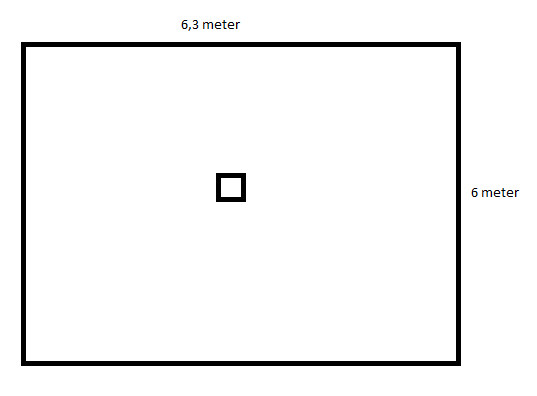
The garage has an interior depth of 6 meters, i.e., between the load-bearing walls, it is C/C 6200mm with a pillar in the middle of the garage. A simple plan sketch:
Simple sketch of a garage floor plan showing a 6 x 6.3 meter rectangle with a central square representing a pillar.

I want to remove this pillar and gain some extra ceiling height. Therefore, my thought is to completely remove the old flat roof. The only joists I believe I need to keep are those where the walls support the new roof trusses.

Namely, the following two joists:
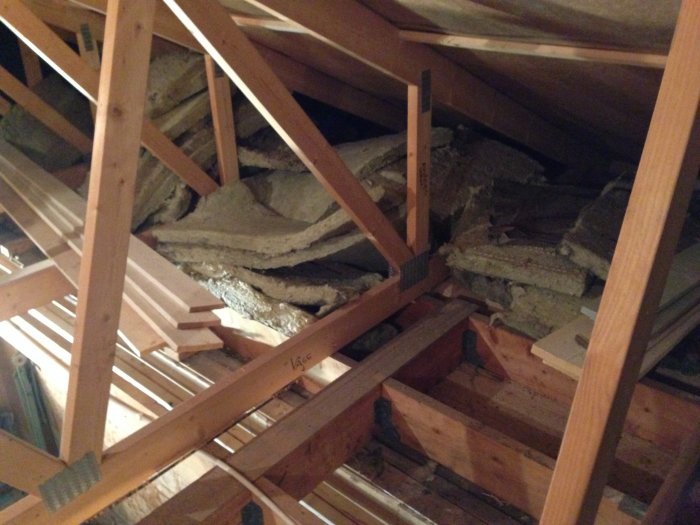
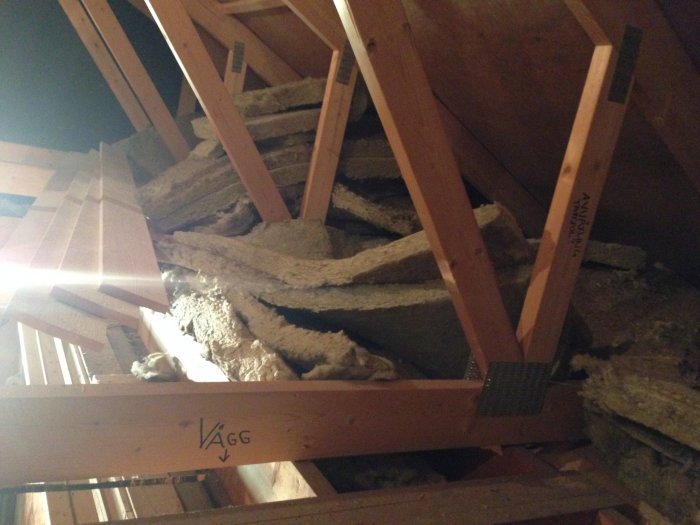
This one where I wrote 'wall' on the transverse joist of the old roof (and the one outside the garage as well) Wooden roof trusses and old insulation material in a garage attic space under renovation.

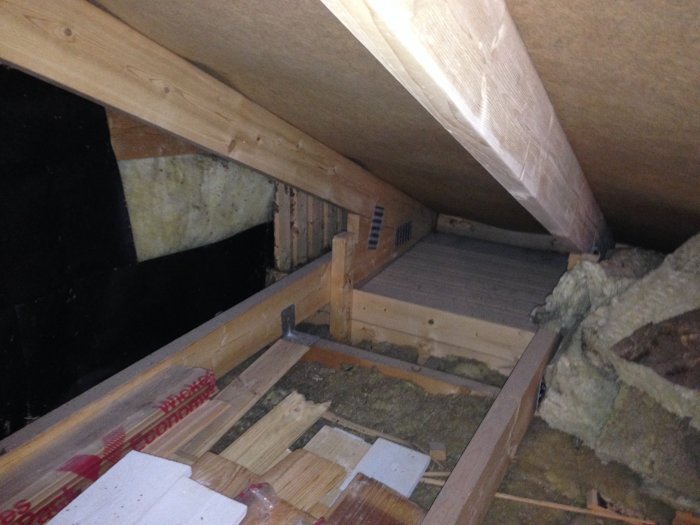
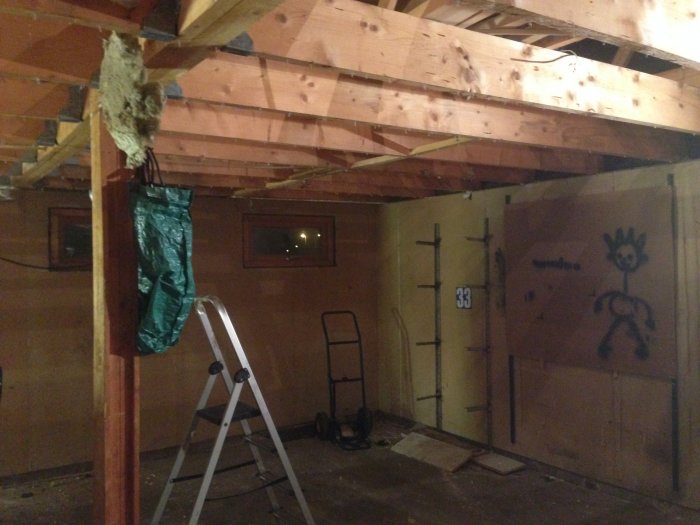
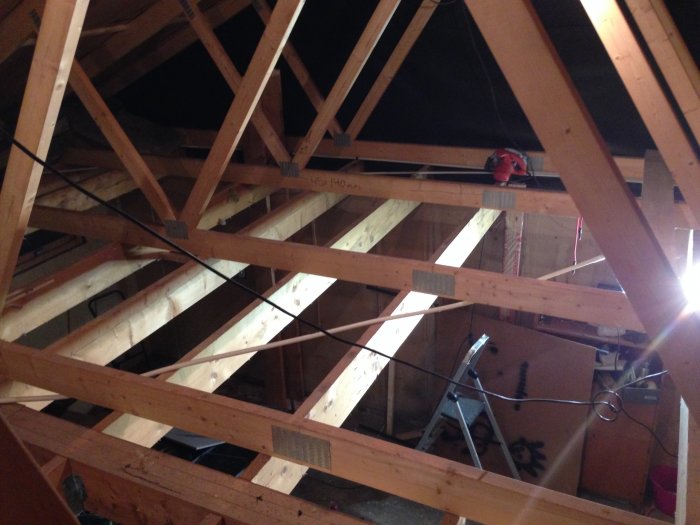
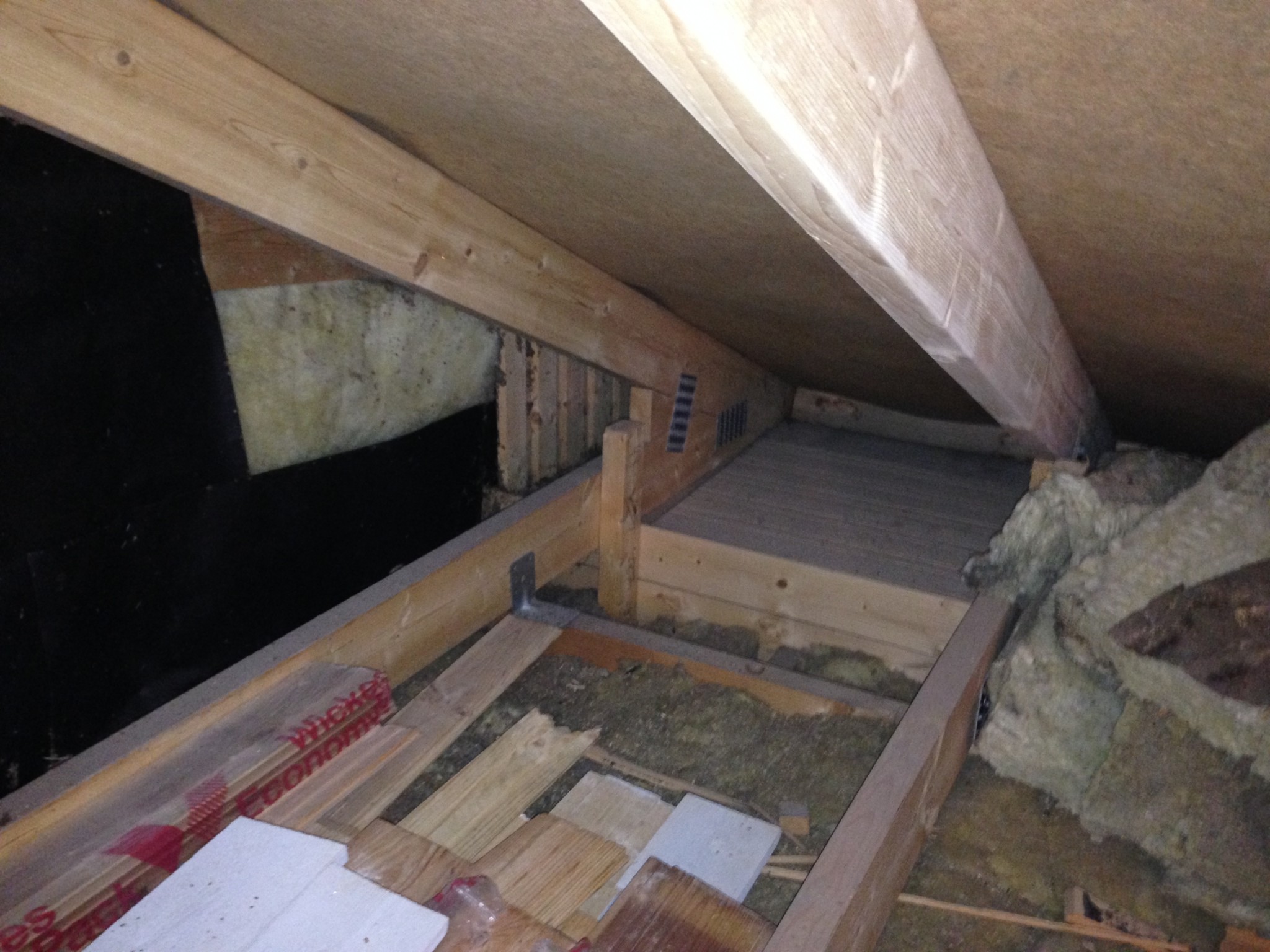
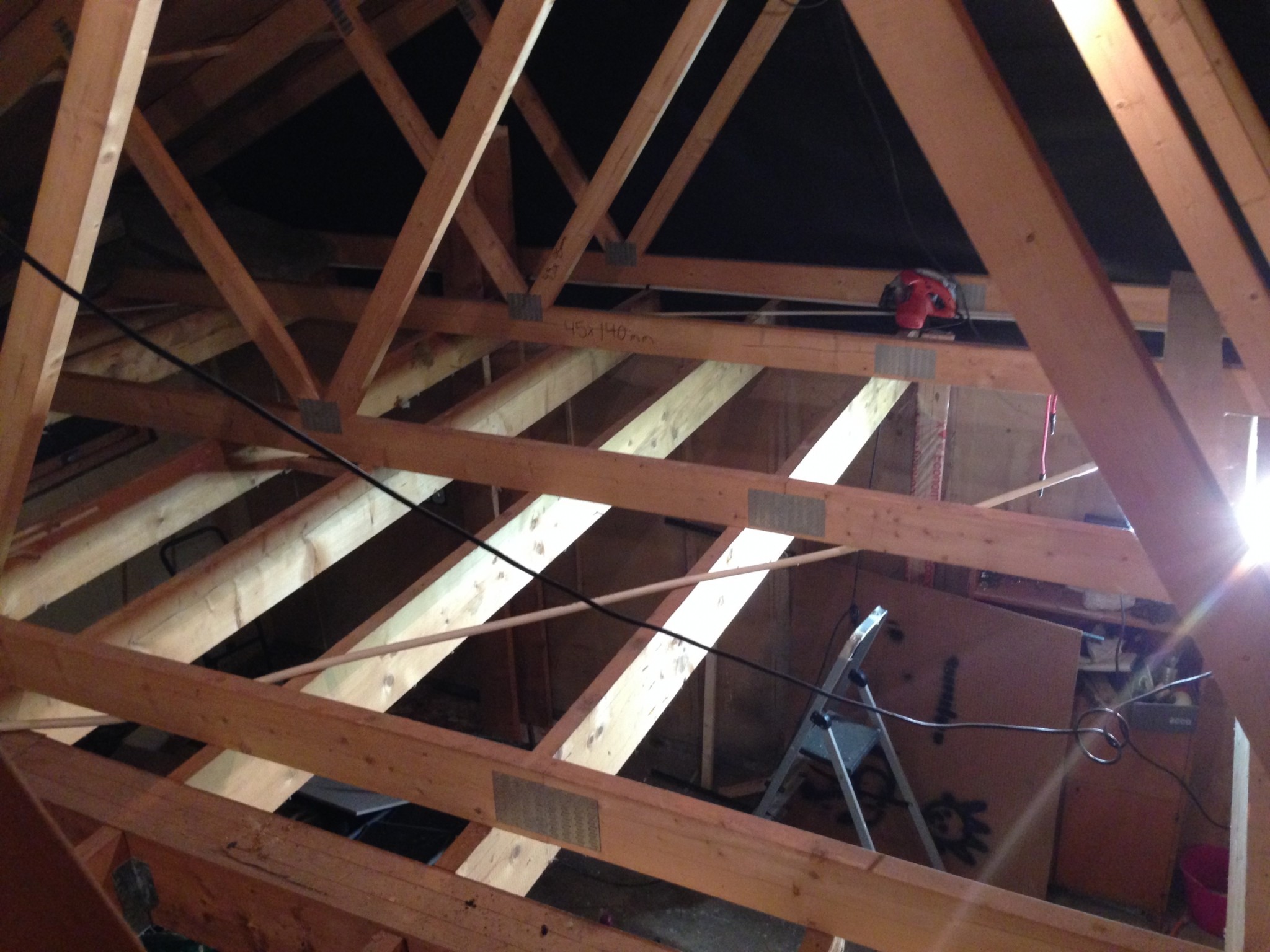
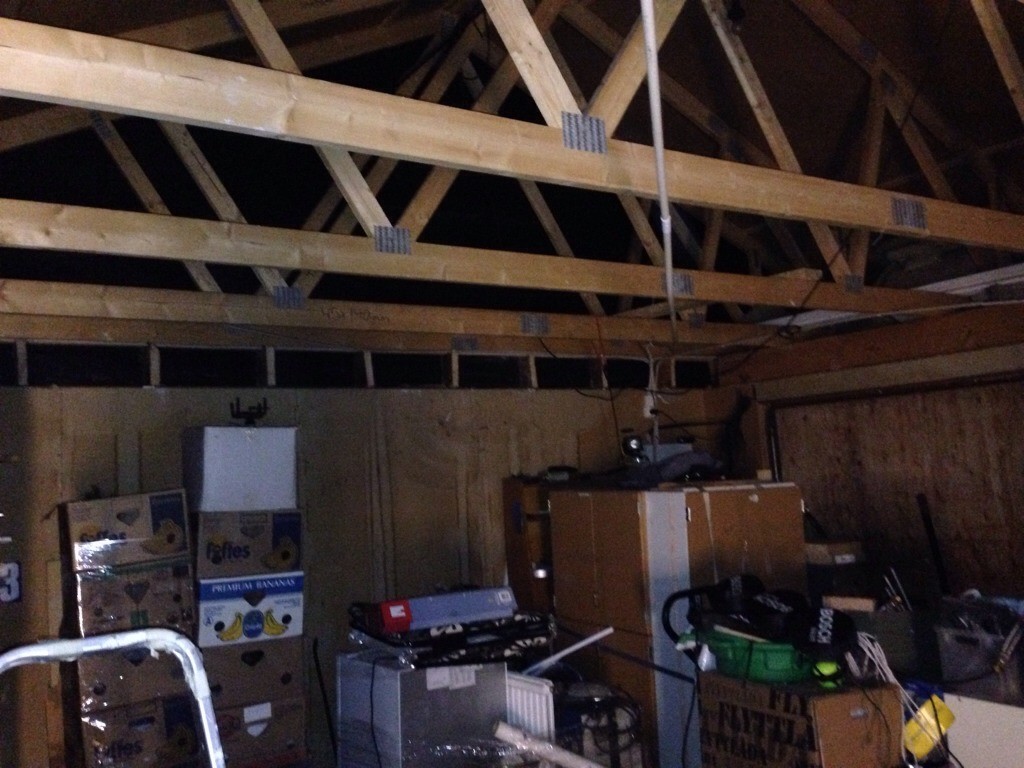
This one against the back of the garage: Inside view of a garage attic with wooden beams, thermal insulation, and a sloped ceiling. Construction materials and insulation visible on the floor.
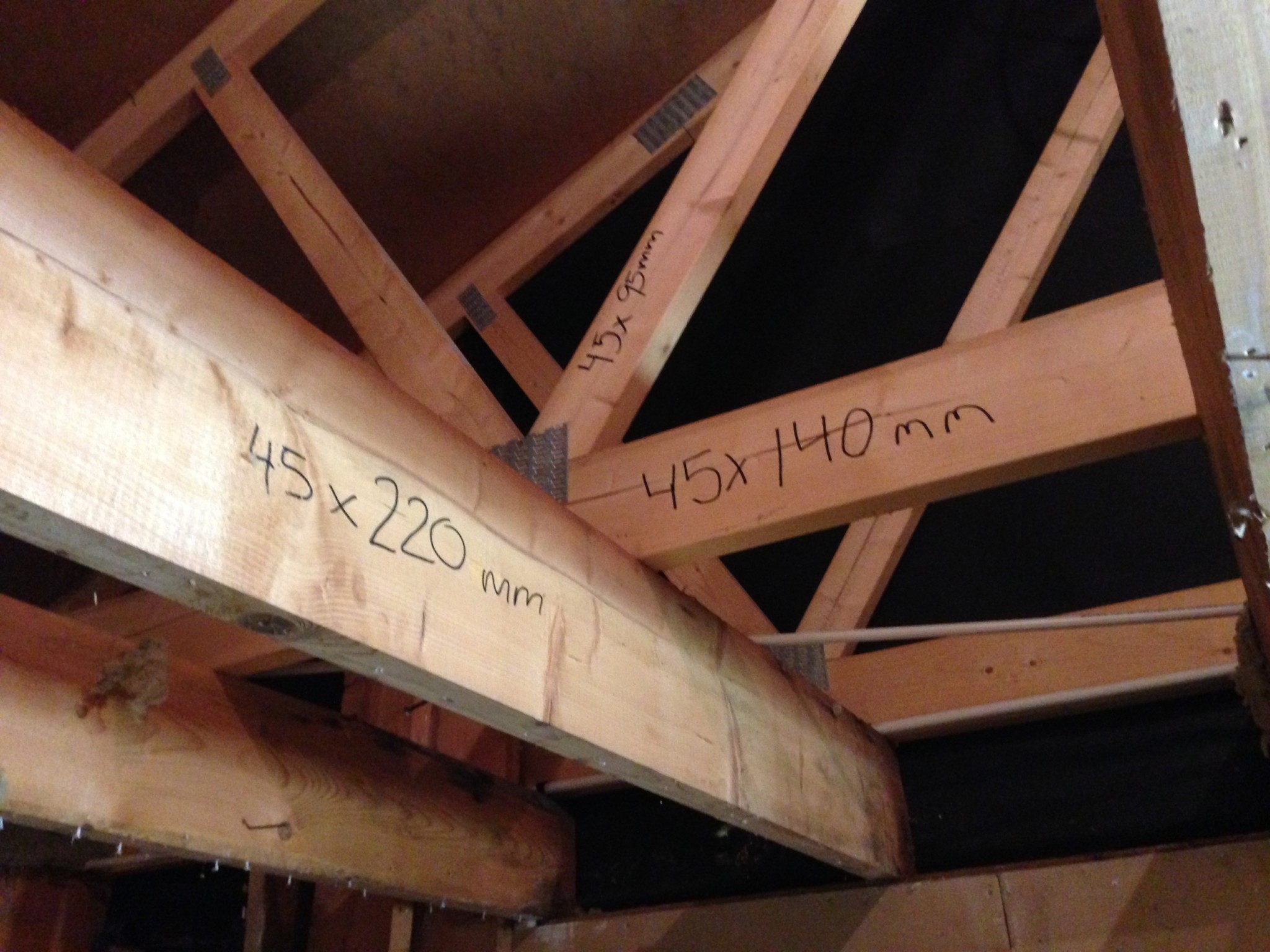
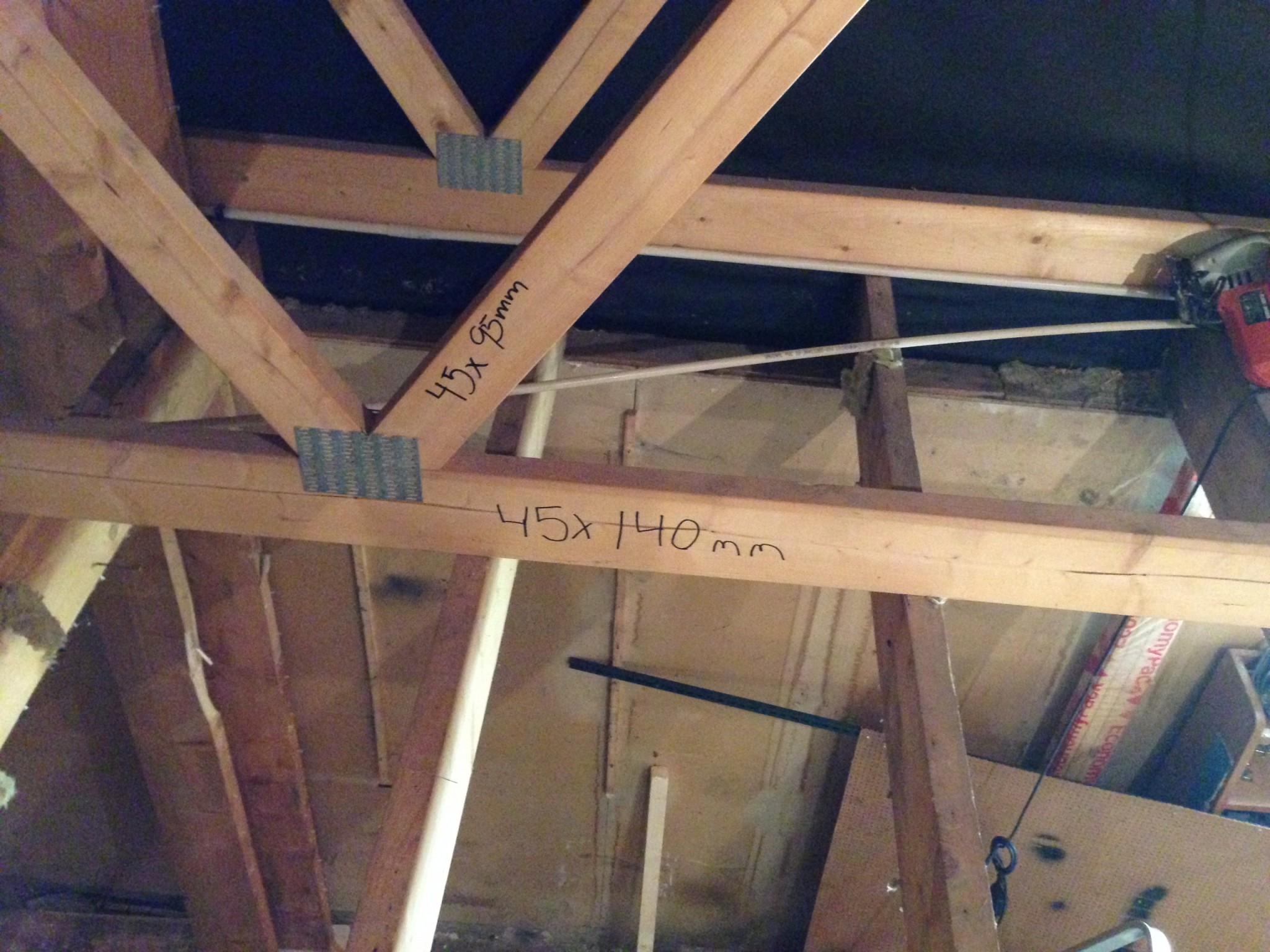
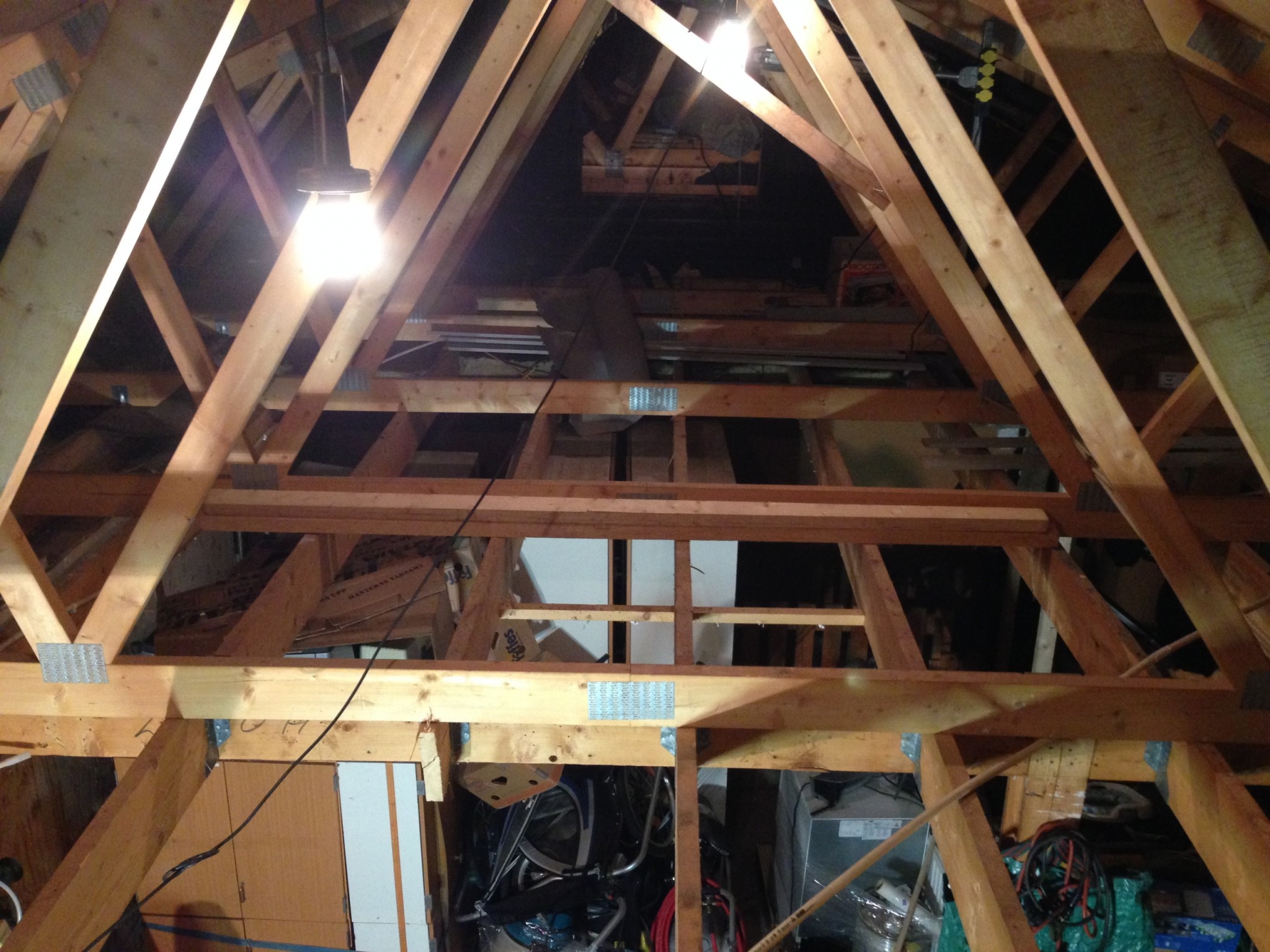
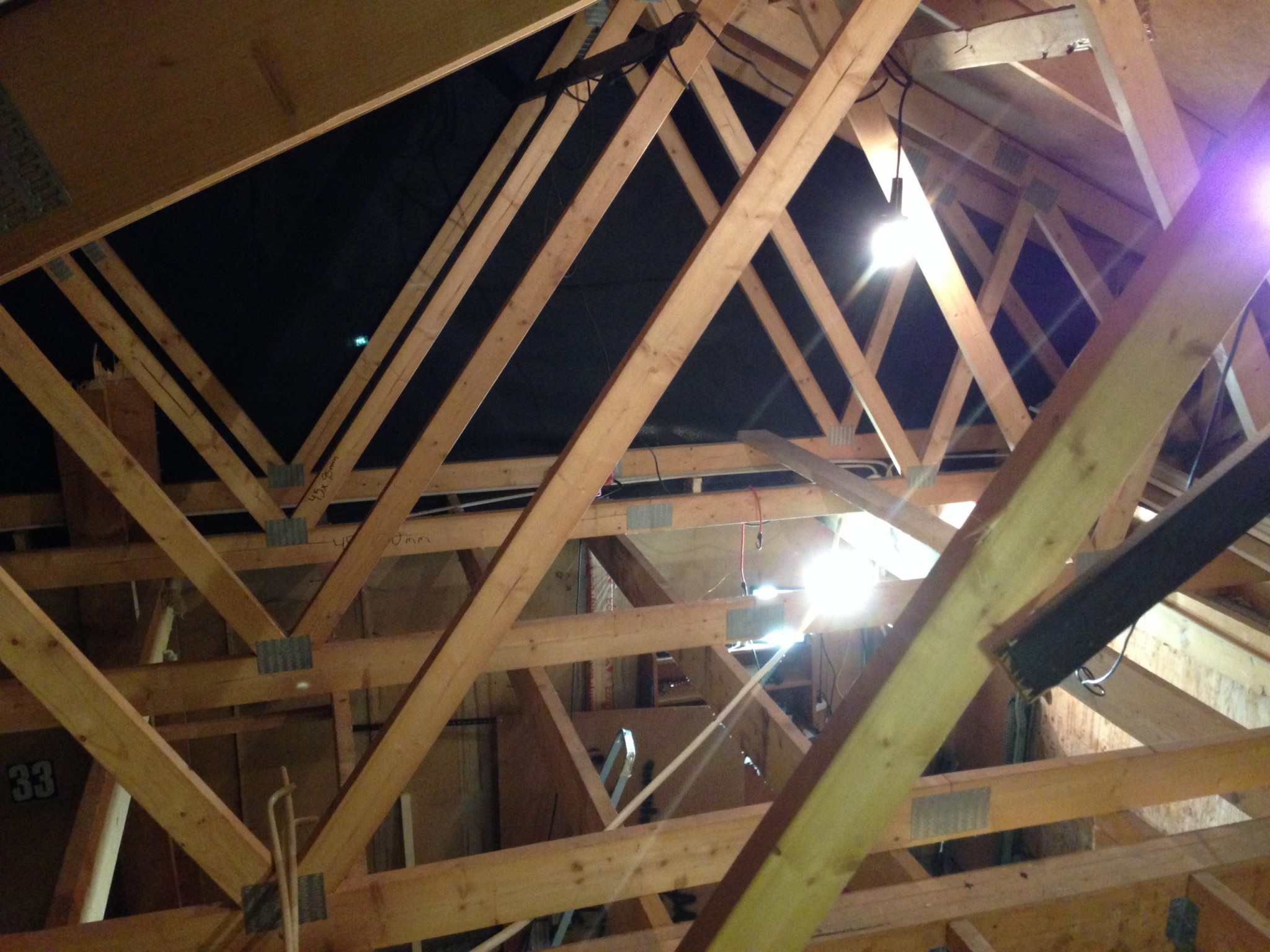
The roof trusses have the following dimensions: Length 10 meters
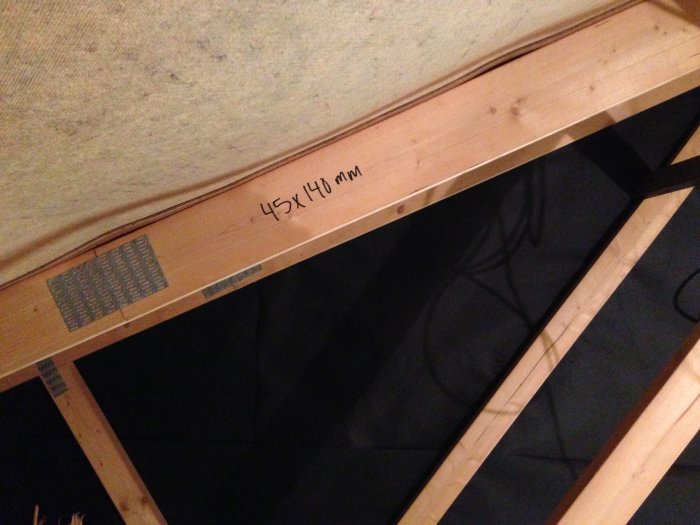
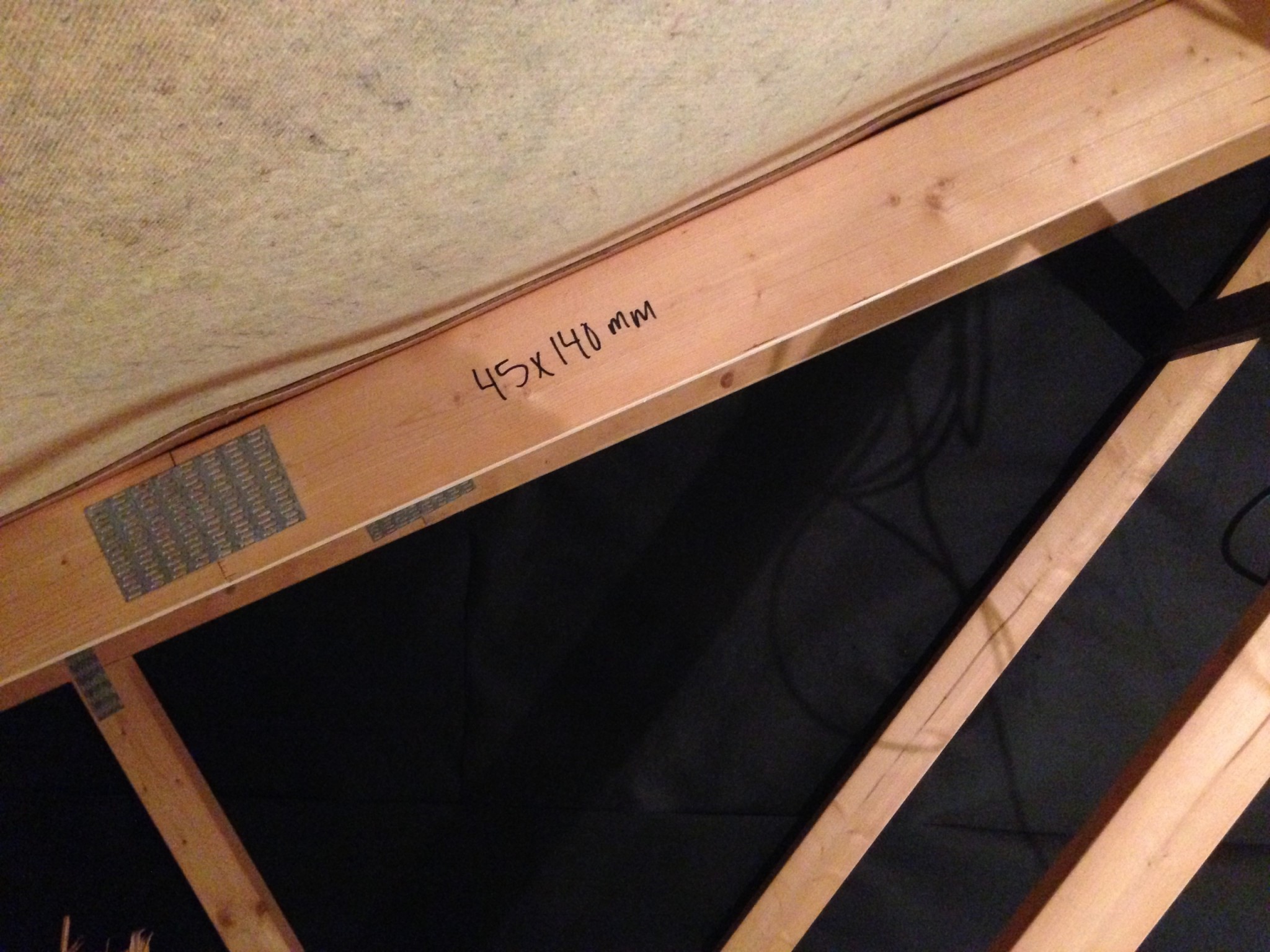
Top chord 45x140
Bottom chord 45x140
Brace (in the truss) 45x95
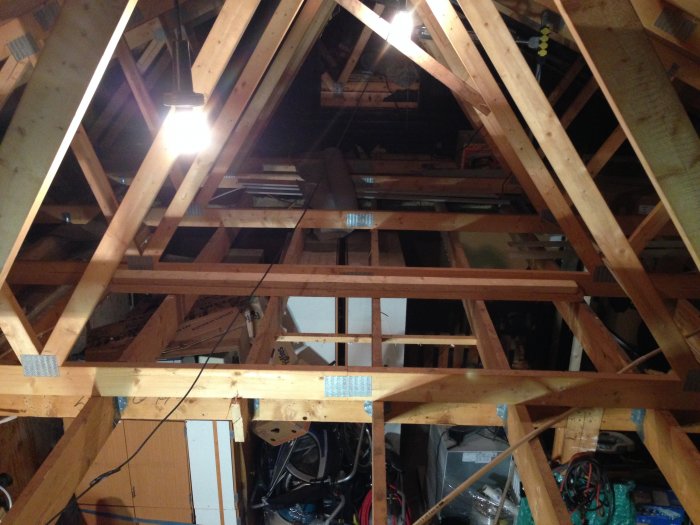
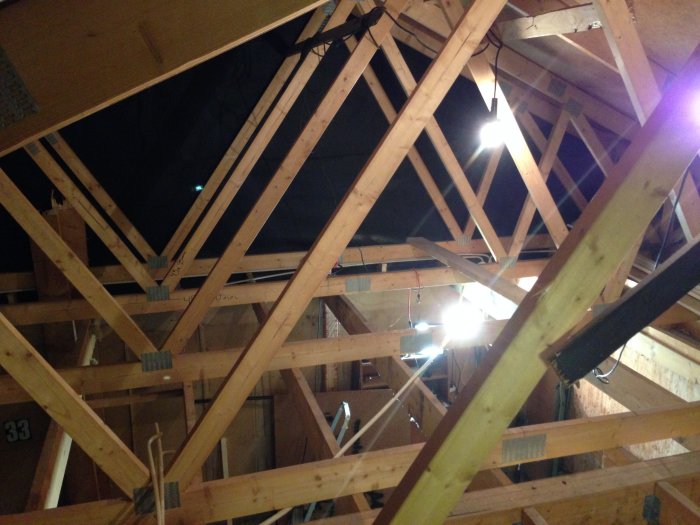
Wooden roof trusses in a garage, marked with dimensions 45x140 mm and 45x95 mm, supported by steel plates at connections. Wooden garage beam with dimensions labeled 45x140 mm, part of roof structure, with additional beams visible in background under ceiling material.

I have googled a bit and concluded that in my snow zone 1.5, my roof trusses are self-supporting up to a 10-meter span. So it seems I have good margins as it is built today. I should also be able to remove the old flat roof without risk and hopefully, in the future, move the wall with the doors outward to get a deeper garage.

What do you think?
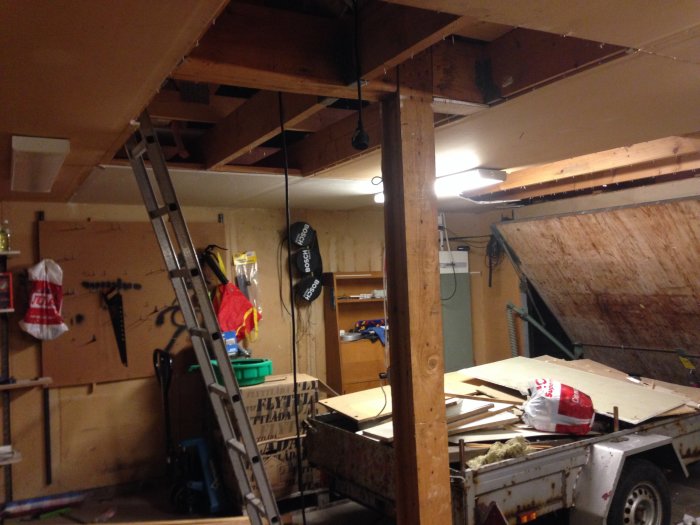
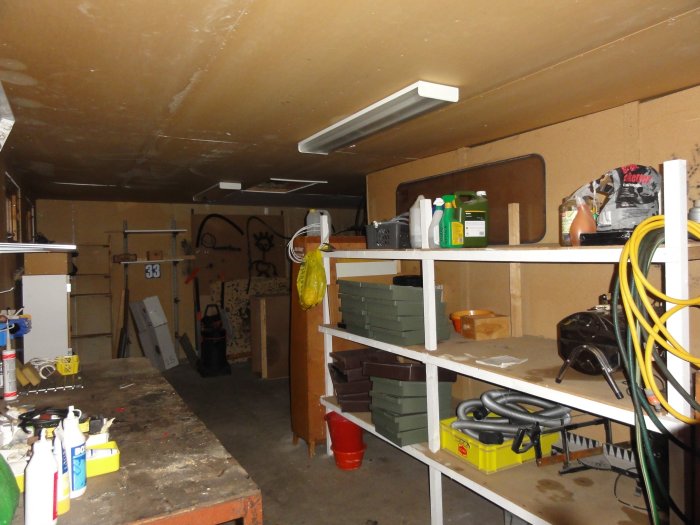
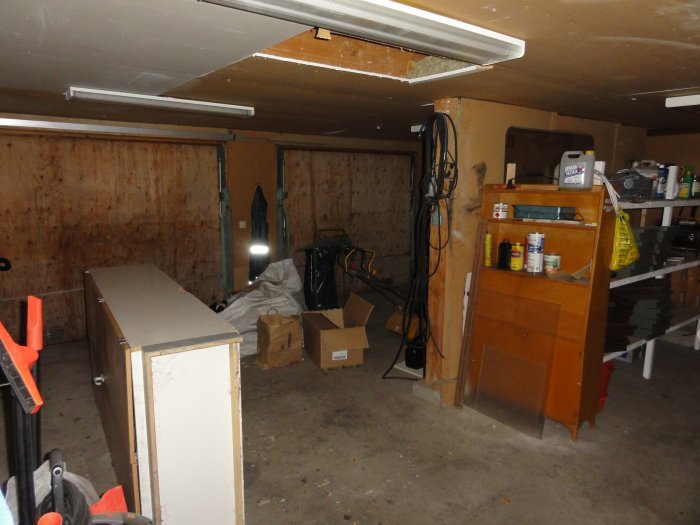
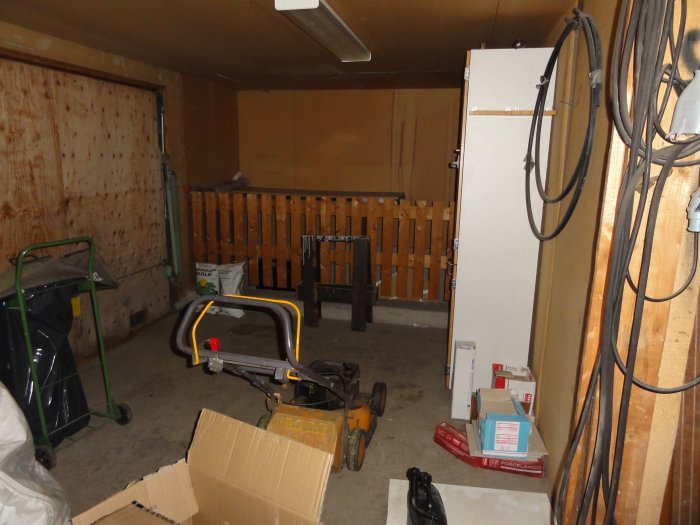
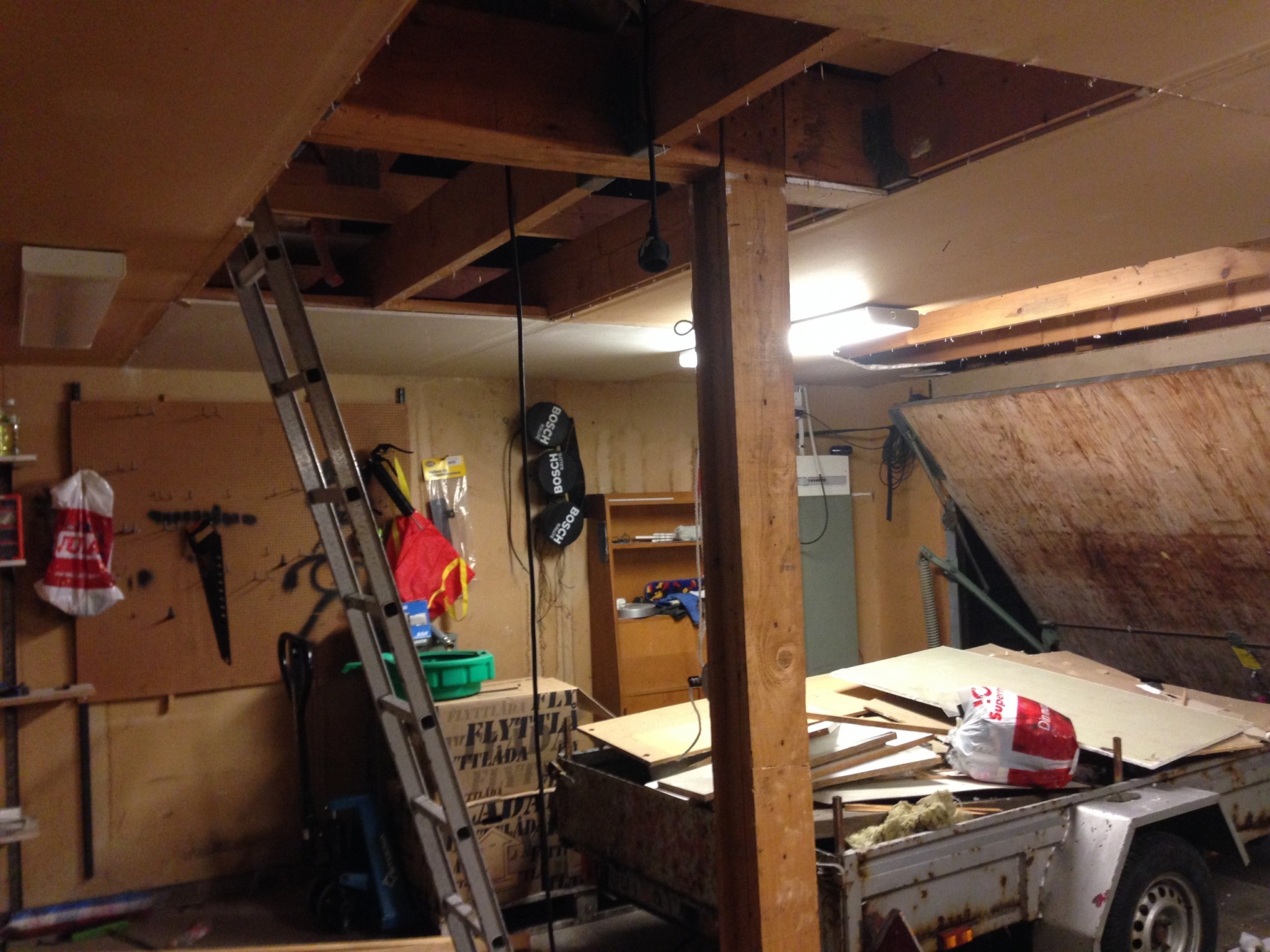
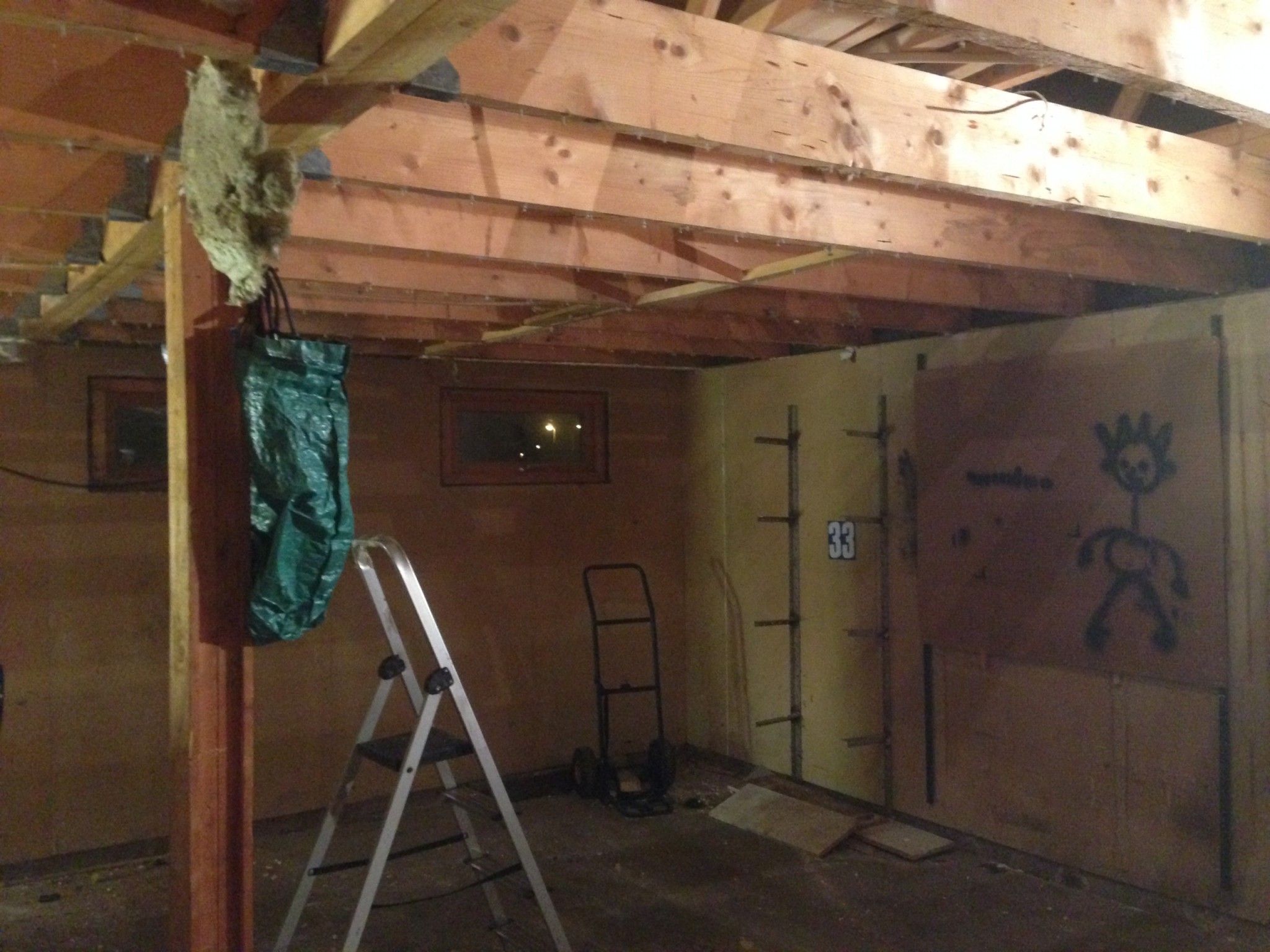
The following are more images to describe more how the garage looks (sorry for the mess):
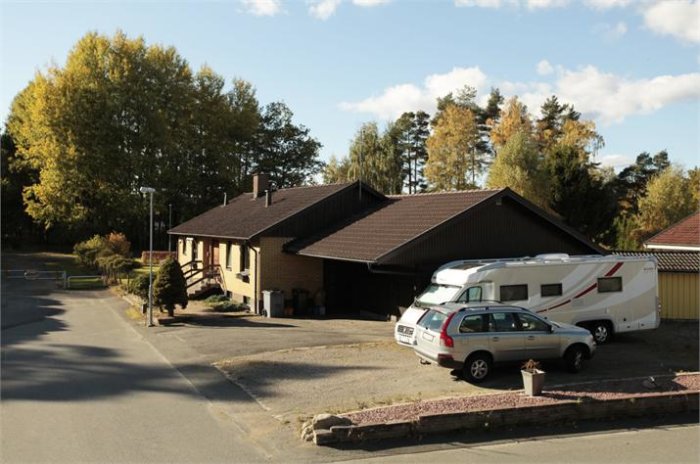
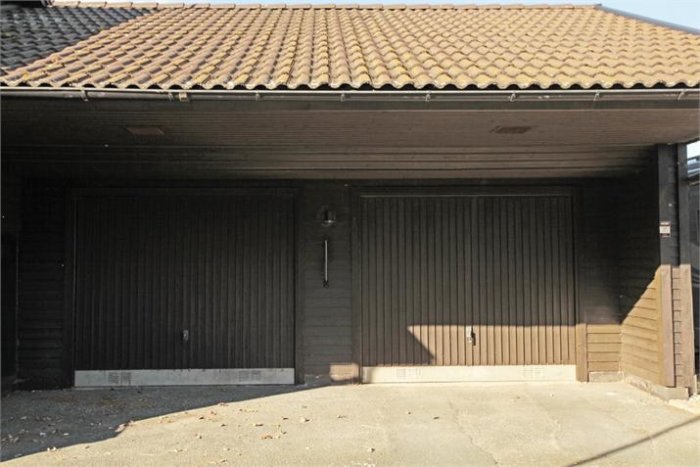
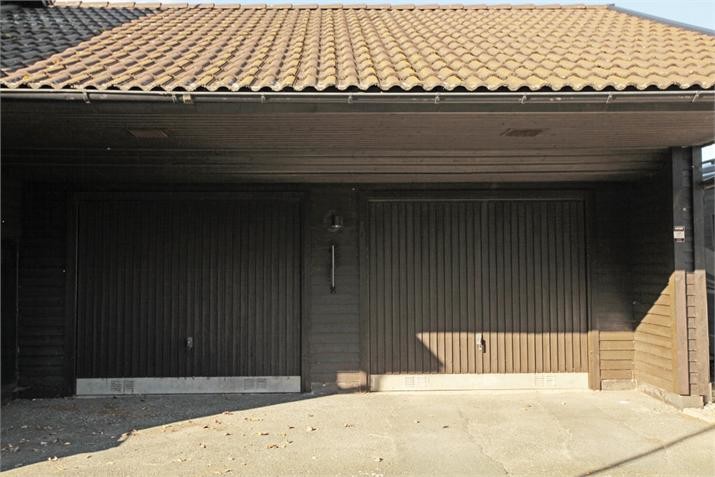
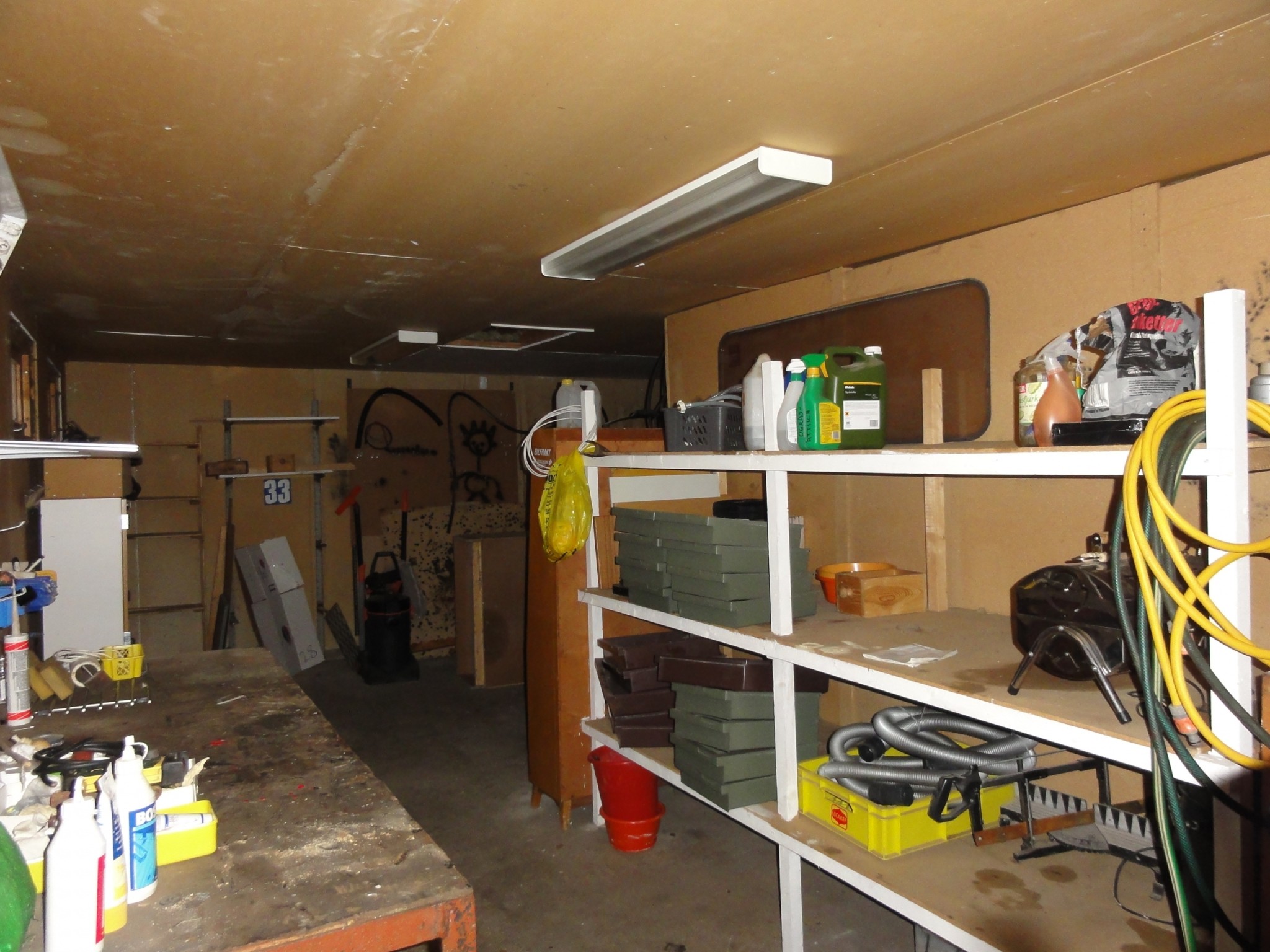
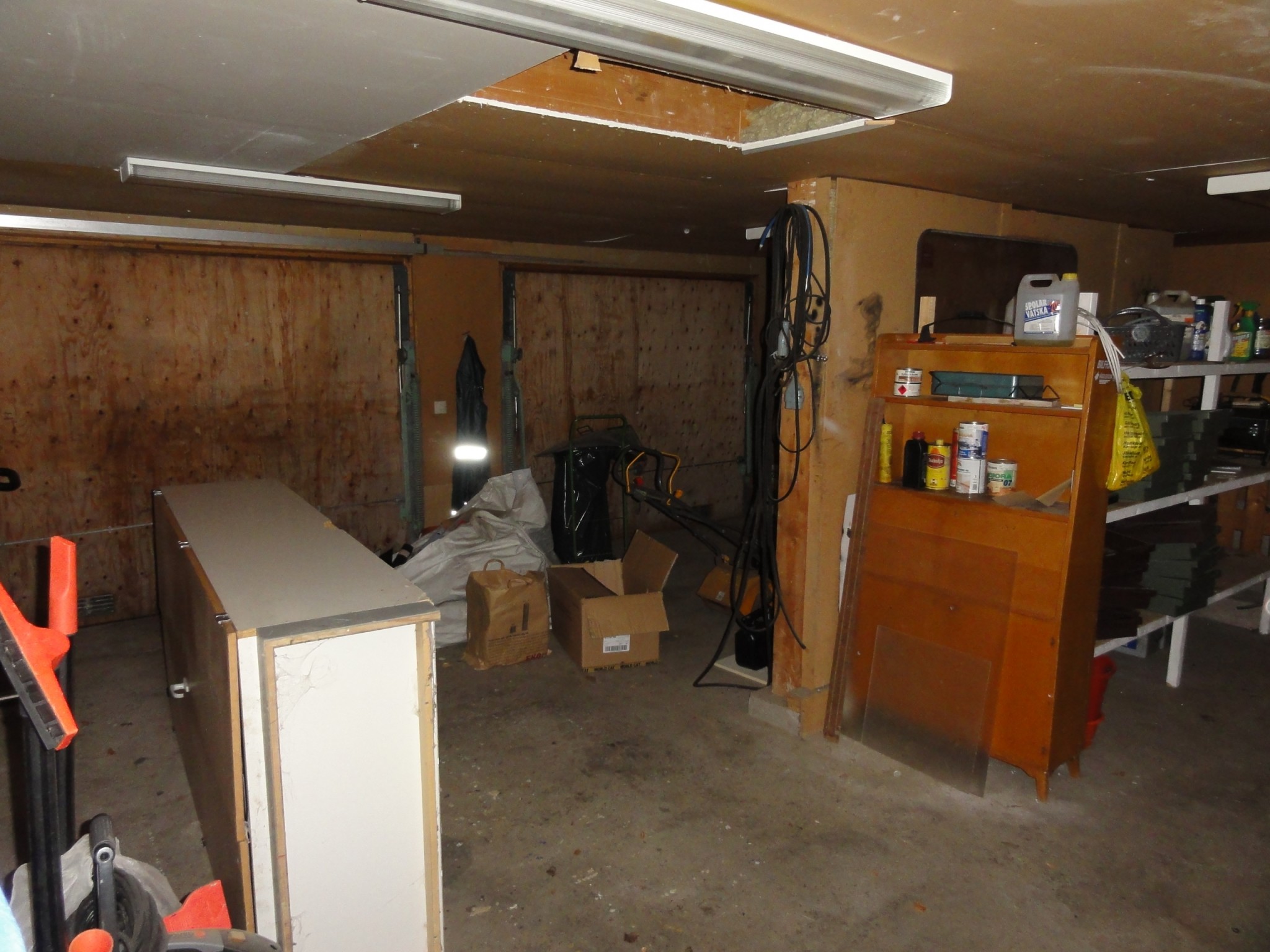
Interior of a garage showing wooden beams and a central support post, with a ladder leaning against a wall. Construction materials and tools are scattered around. Interior view of a garage with exposed wooden beams, a ladder, and wall art. A green tarp hangs from a central post, with construction materials around. Interior view of a garage attic showing wooden beams and trusses, with insulating materials and building supplies visible. View inside a garage attic showing new roof trusses resting on old wooden joists, with insulation material and marked beams labeled "VÄGG". Wooden trusses and beams inside a garage with visible metal plates connecting them; tools and materials scattered below. Wooden roof trusses in a garage, marked with dimensions 45x140 mm and 45x95 mm, supported by steel plates at connections. Wooden roof trusses and beams inside a garage attic with exposed framework and lighting. Construction materials and tools are visible below. Wooden roof trusses and beams inside a garage, showing a 27-degree pitched structure with light bulbs hanging from the ceiling. Wooden rafters and beams inside a garage under renovation, showing the structure and construction details mentioned in the forum post. A house with a pitched roof, a motorhome, and a car parked in the driveway, surrounded by trees and a clear sky. Two-door garage with a pitched roof matching the house. Dark wood siding; sunlight casting shadows on the ground. Interior view of a garage with shelves holding various tools, boxes, and household items. A workbench with bottles and cleaning supplies is in the foreground. Cluttered garage interior with wooden walls, shelves with cans, cardboard boxes, and tools lying around. A white cabinet is lying on its side. Wood-paneled garage interior with scattered tools and materials, a wood partition, boxes, and a lawnmower on a concrete floor under fluorescent lighting.
 
I would think those are self-supporting. Of course, you can calculate it or you can call a truss manufacturer and ask.
 
Suggestions on how I could increase the ceiling height over the parking space where it would be nice to have a lift?
 
Glued laminated beam in the ridge.
 
I have the answer now.
Wooden roof trusses in a garage, with stored boxes and equipment. The owner plans to raise the bottom chord for more car space height.
Attic space with visible wooden roof trusses and construction materials, indicating a renovation project for increasing ceiling height in a garage.

They carry ;)

I will soon move up the underbeam on two trusses to get a higher ceiling height above the car space. I will move it up about 0.5 meters.
 
I don't think there will be any problems, but you can keep an eye on the deflection if there should be half a meter of wet snow.
 
Then it's just a matter of gluing together a beam from the studs you removed ;)
 
Probably true, but keep an eye on the walls to ensure they don't buckle outward where there are no supports if there is a lot of snow. Possibly, a horizontal 45 x 220 (you have plenty of that dimension) on top of the wall, bridging the distance between the complete roof trusses, may be good.
 
That sounds good. I will naturally reinforce the taktass on the two modified chairs and also secure them so that they hold up properly.

Half a meter of wet snow never happens here in Skåne! But when you've modified something, you have to check under different conditions.
 
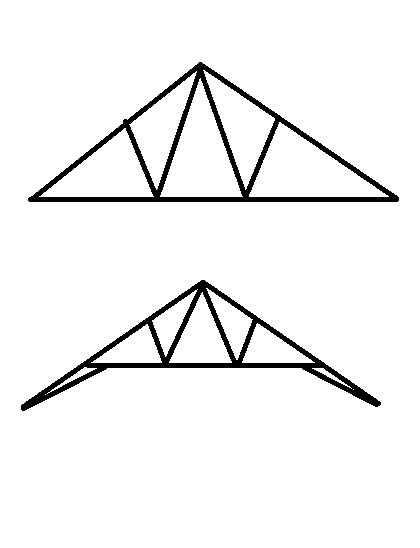
Two triangular roof truss designs with supportive diagonal beams.

Så här tänkte jag göra.
 
What benefits do you see in doing that instead of a ridge beam?
 
Less work and cheaper.
Since I'm not going to raise the entire roof, this method feels simpler. Also, I don't want it open up to the ridge, and I don't need to install posts for the beam to stand on.
 
Now, I am really not a roof truss designer, but it feels like the lower chord would need reinforcement when it is moved up. There will be more pressure on it from the upper chord because the framework becomes less(?) effective.

Easily done by screwing a 45 plank on each side.
 
Yes, it will be done. I will place a 220 rule alongside the overhangs, and when I have cut the old underlay, I will also move it up to between the overhangs. The 220 rule will be bolted through the overhang.

My friend did this on his barn roof and it still stands after many years, and it's both larger and more loaded.
 
MattisH said:
Less work and cheaper. Since I'm not raising the entire roof, this method feels easier. Additionally, I don't want it open up to the ridge, and I don't need to install posts for the beam.
My first impression was that the price difference wouldn't be significant, but after giving it more thought, you're probably right. Besides, it will be "easier" as you point out. I assume you're considering a wide door in the future since you don't want posts. I think you've thought this through well:thumbup:
 
Vi vill skicka notiser för ämnen du bevakar och händelser som berör dig.