
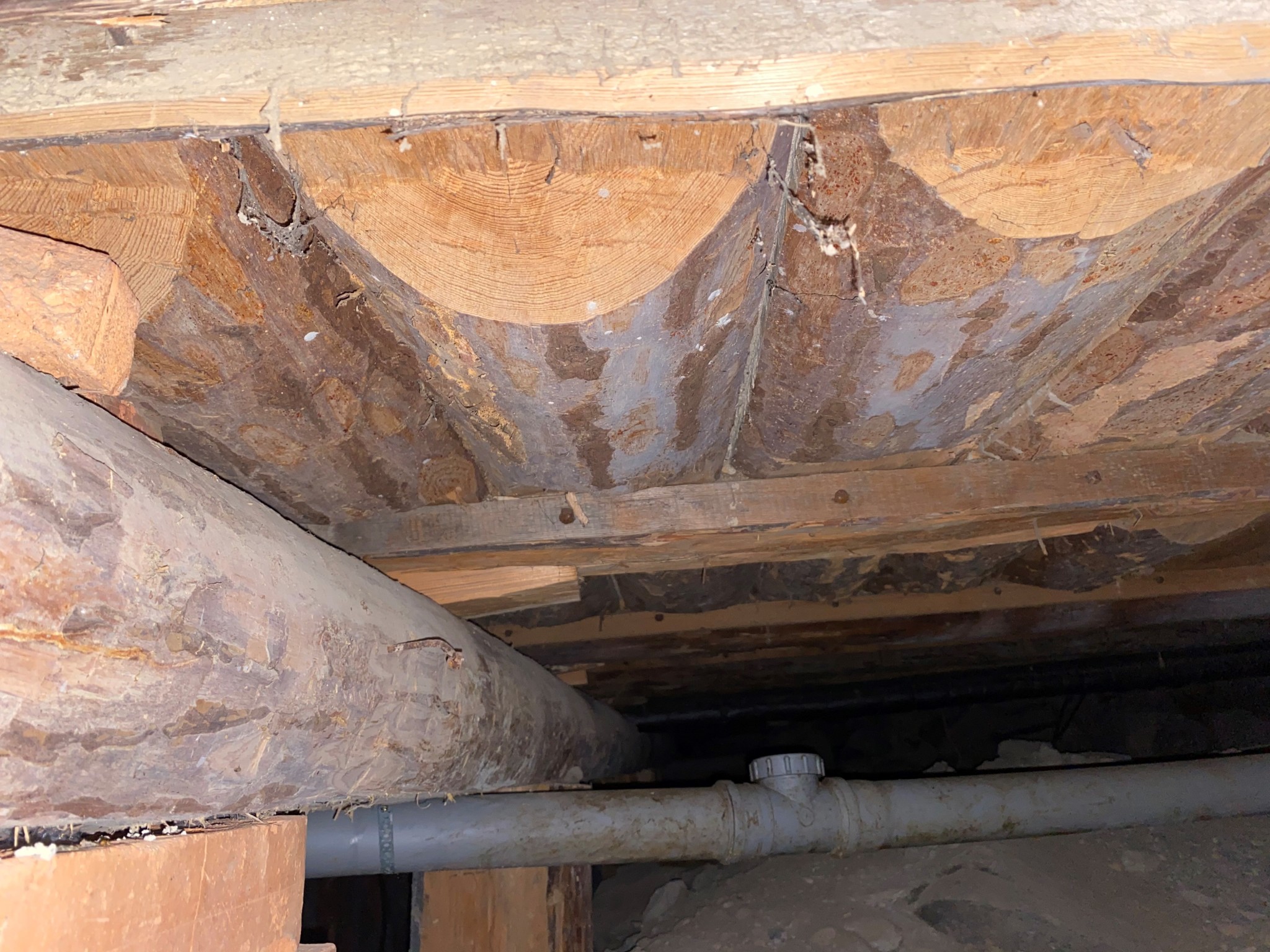
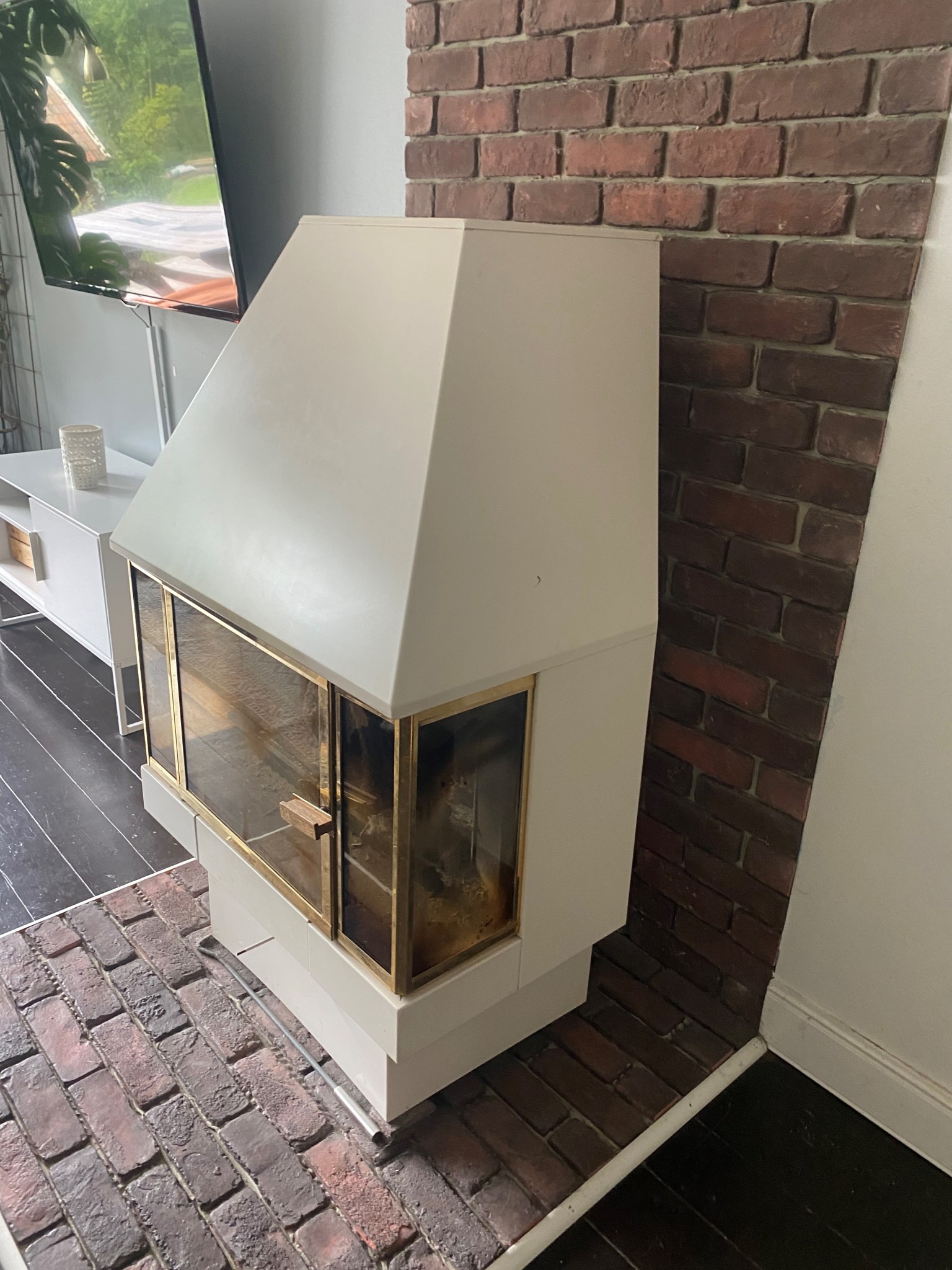
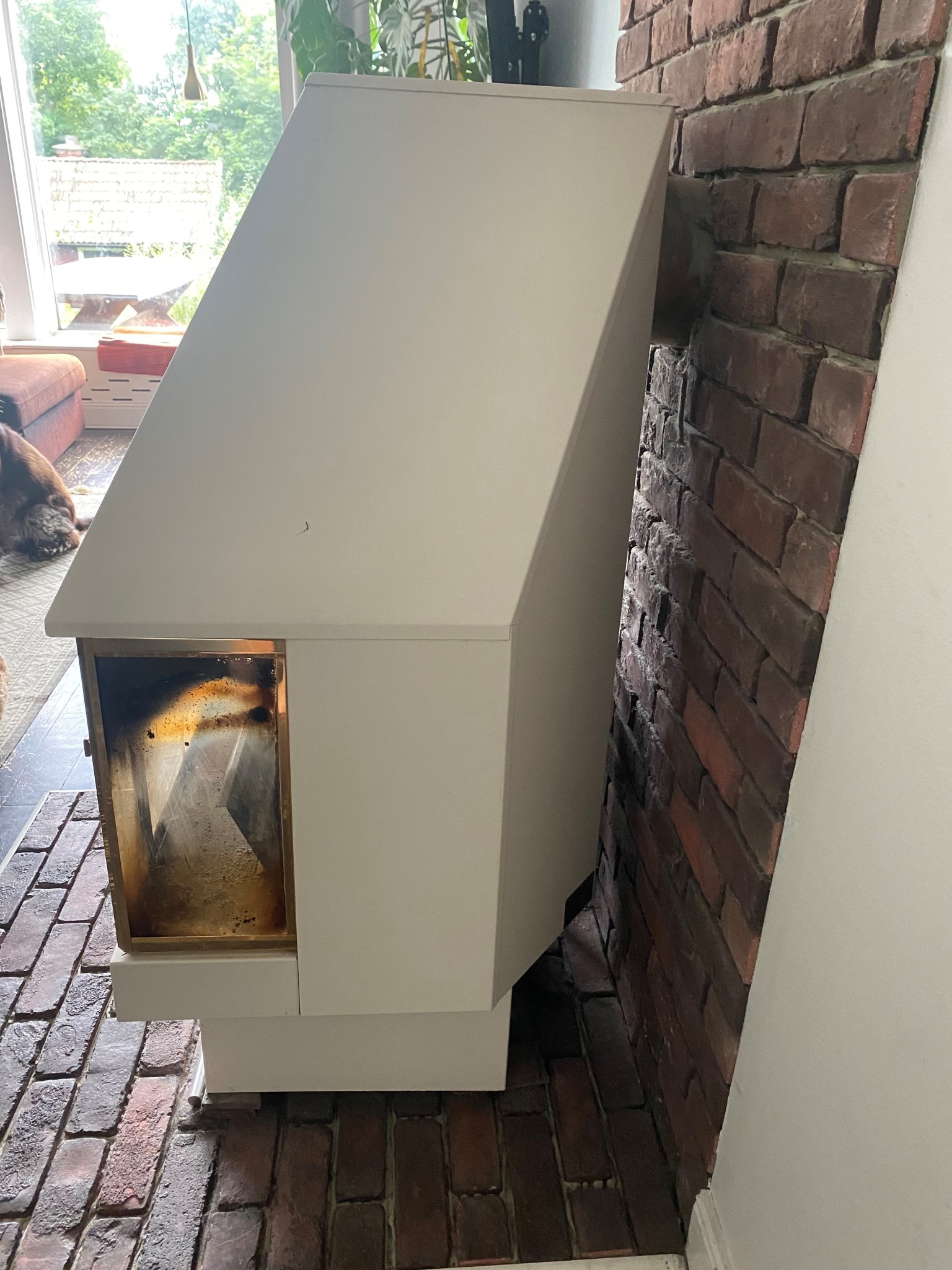
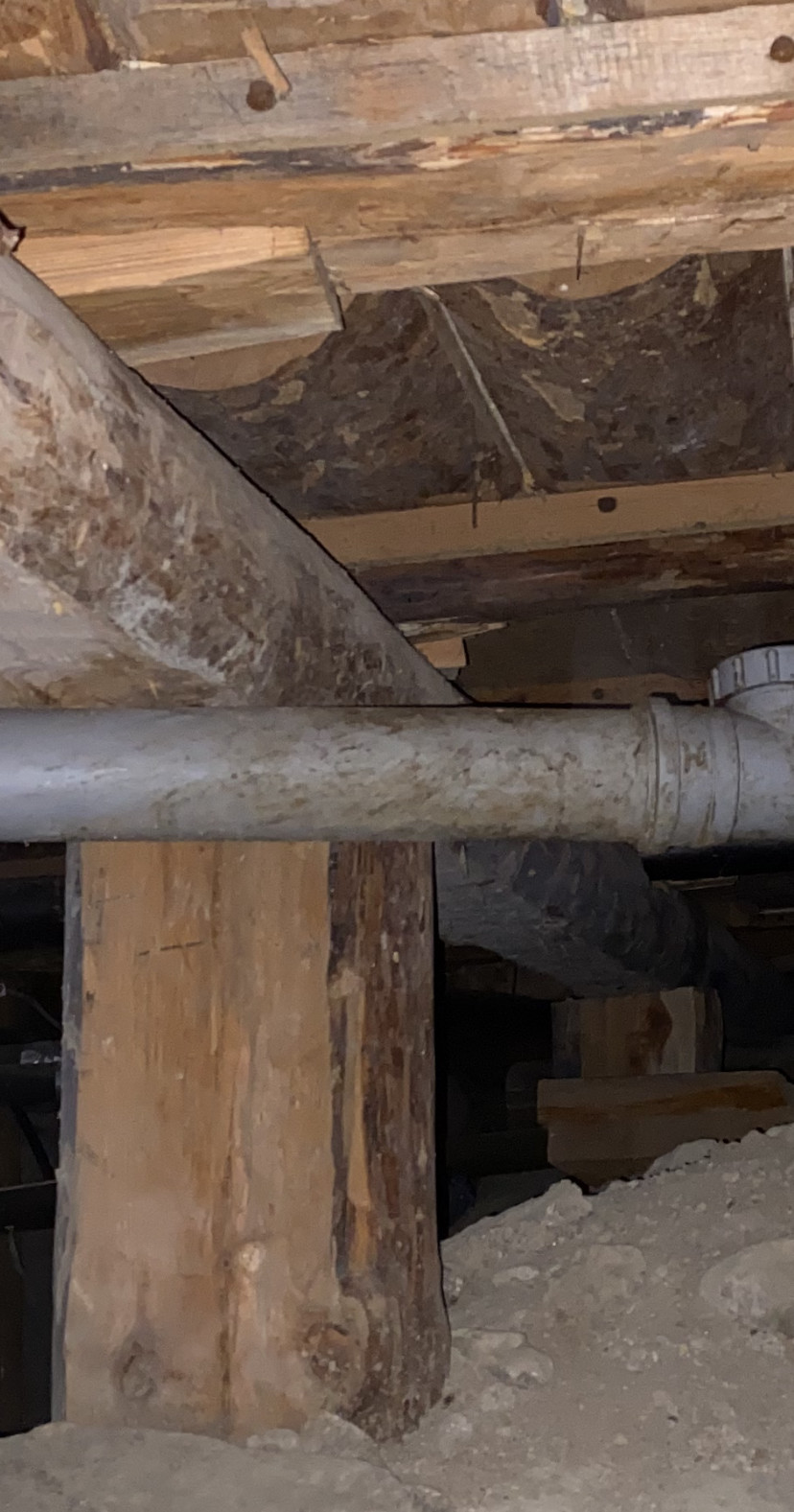
We are considering replacing our simple stove with a substantial soapstone stove (590 kg), and the supplier claims that it cannot be placed on a "normal" wooden joist floor. However, we live in an old school from the 1850s, where the picture below shows the floor joists seen from the crawl space. Sturdy logs (which will be directly under the stove), heavy "floorboards" and on top of that is a thin pine/spruce floor (which was previously a subfloor). Maybe there is also some layer in between that I can't see. Then the supplier says that it will probably be fine, maybe some small cracks in the joints between the decorative tiles if it moves in the future, but I can handle that (if it's going to stay).
What would you say about the stability of this construction?
/ Nicke
What would you say about the stability of this construction?
/ Nicke


Member
· Västernorrland
· 11 696 posts
Looks like it's dimensioned for tanks but how does it look directly underneath where the stove will stand? If there aren't any supports down to the ground right there, you can perhaps make sure that such supports are in place so it can't sink. The floor itself probably holds, but with weight on it, it will likely sink over time if there are no supports directly underneath.
Ha ha, yes, most things in the house feel like they're designed for tanks! It was amusing when they tried to install fiber and barely made it through the outer wall of 170-year-old timber. It's just a shame the previous owners' craftsmen weren't as meticulous...S Stefan1972 said:Looks like it's designed for tanks, but how does it look directly under where the stove will stand? If support down to the ground is missing there, maybe you can make sure it's there so it can't sink. The floor itself is probably sturdy enough, but with weight on it, it will likely sink over time if support is missing directly underneath.

Back to the question. As I measured in the crawl space and above the floor where the stove will stand, it will be right on one of the cross "300x300" beams/logs. I do not know if there is support down to the ground right there, but that should be possible to add in the crawl space using wedges.
I think it looks like the logs are resting on thinner boards, but the pictures might not tell the whole story...
But, as mentioned, it's at least equally important that the supports against the ground are sufficiently stable, so it might be an idea to add a small concrete footing on the ground and a support where the stove will stand?
But, as mentioned, it's at least equally important that the supports against the ground are sufficiently stable, so it might be an idea to add a small concrete footing on the ground and a support where the stove will stand?
Click here to reply
Similar threads
-
Golvbjälklag badrum (Gammalt hus) - 2 Alternativ
Badrum -
Floor Structure in Old House
Building Materials and Construction Technology -
Hållfasthet golvbjälklag badrum
Badrum -
New rooms in old house (floor structure, interior walls, ceilings)
Building Materials and Construction Technology -
Gammalt golvbjälklag
Grund & Markarbeten