Can I get a layman's answer on how much a rule of pressure-treated wood can withstand?
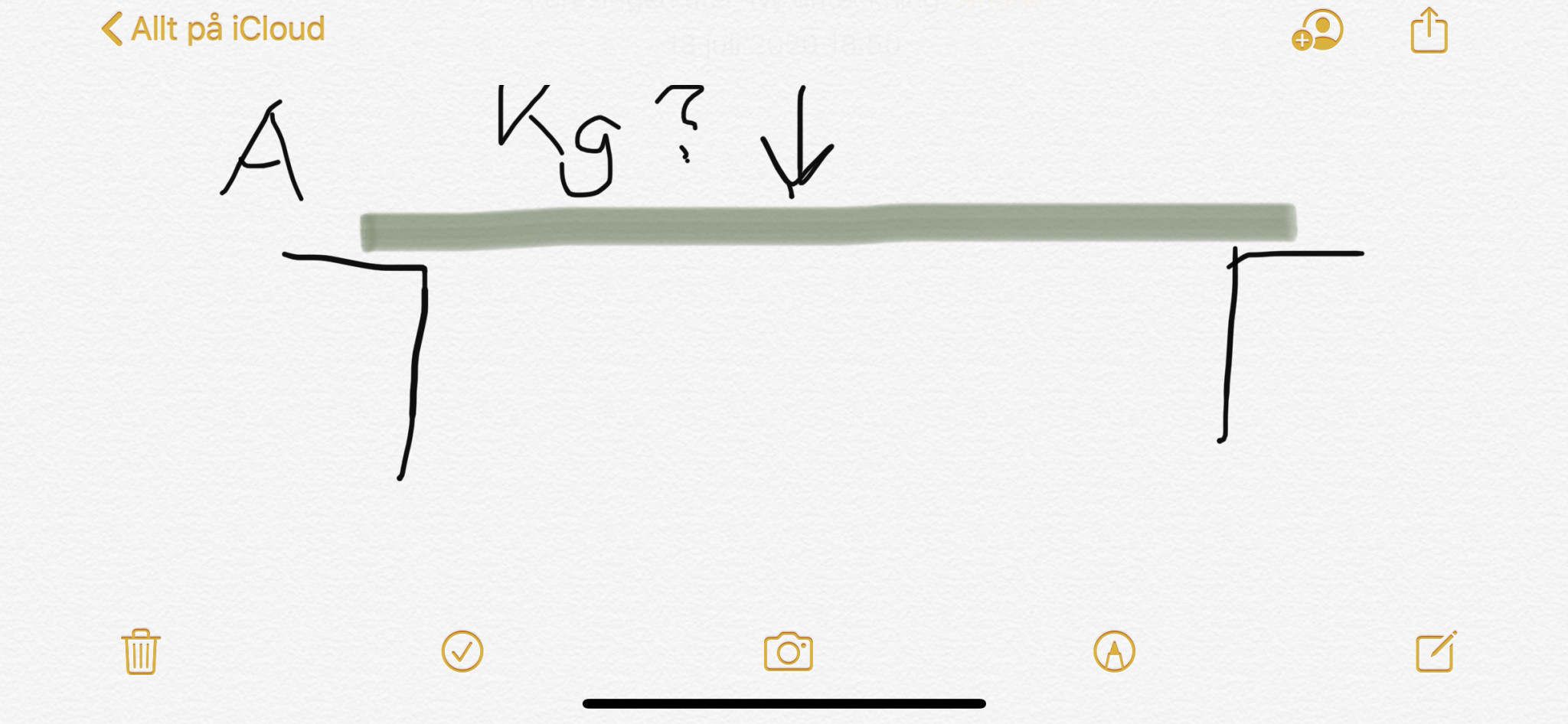
I wonder how much weight a board of 45x220, 4500 long (standing "on edge"), can handle.
If I attach it at each end, how many kilos can I then place in the middle before it starts to bend... and when does it break?
(Image A)
Another question...
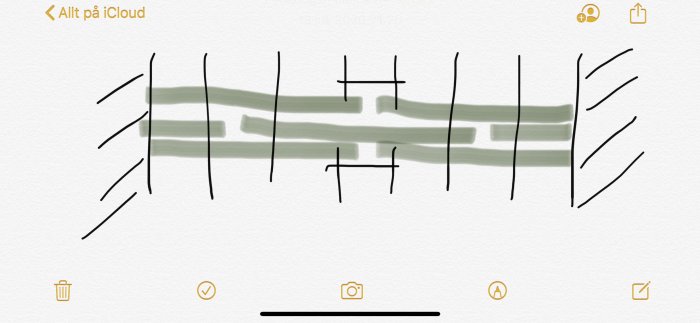
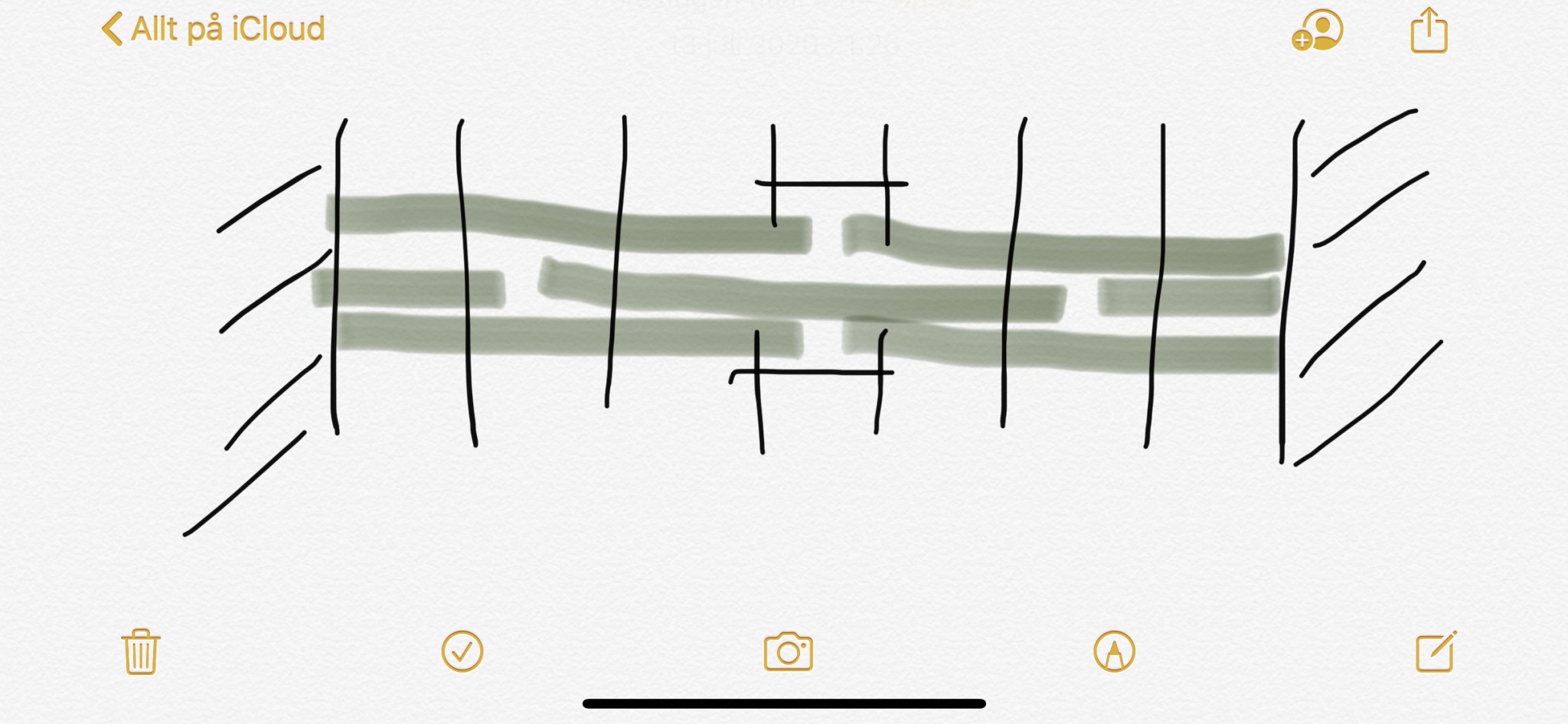
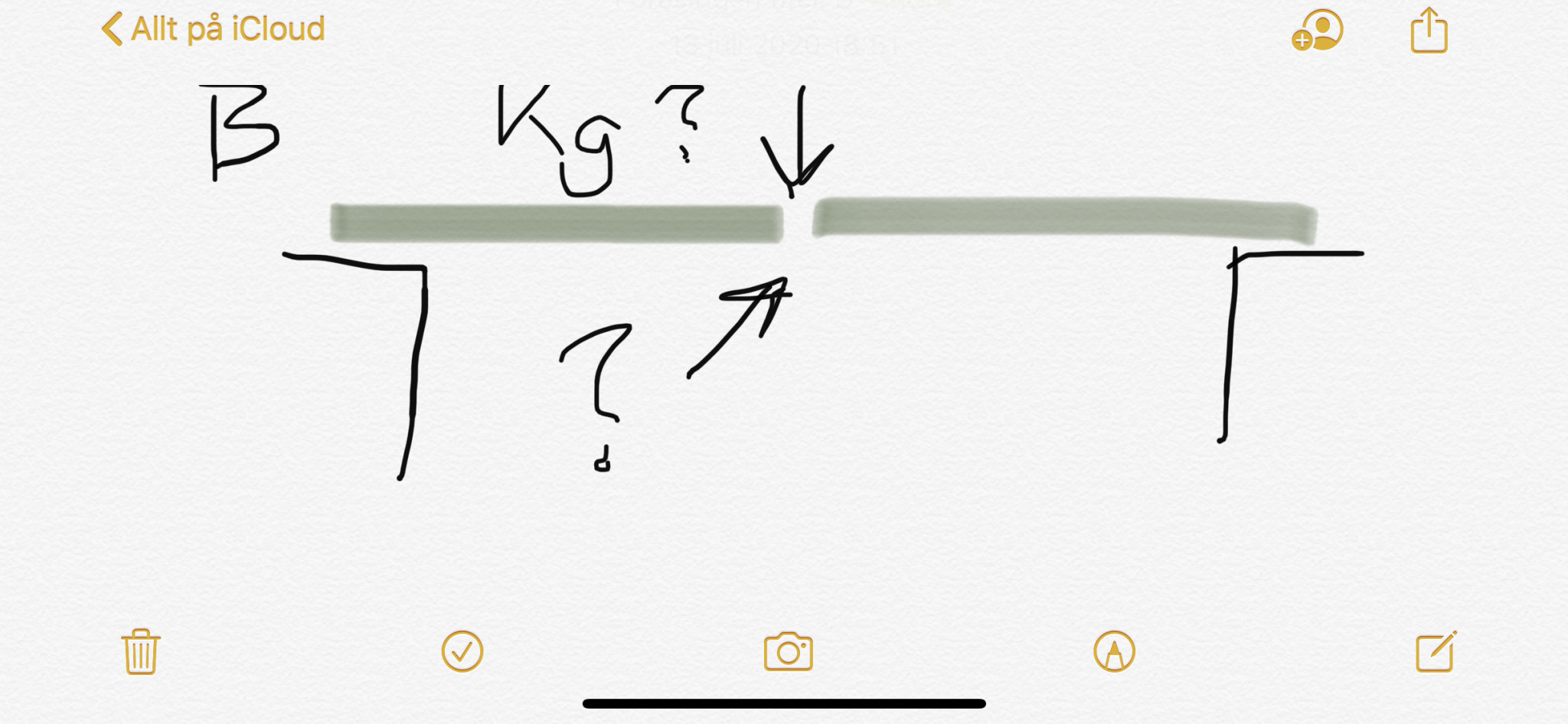
If I take two boards (same as above), about 3 meters long. Attach one on one side, the other on the opposite side... against each other so they meet. How do I best attach them in the middle (where they are joined) to withstand as much weight as possible?
(Image B)
No, a regular rule cannot be known, it depends on where in the trunk the rule is cut from, how many knots, etc.
If you need to know load-bearing capacity, glulam is what applies.
If one knows the attachment and pressure distribution and uses graded lumber C24, for example, it is absolutely possible to calculate it, but I have not found a formula...
Pressure-treated 45x220 is usually C24 graded. That means it's fully possible to calculate buckling and deflection under a certain load. Suggestively as a simply supported beam.
I don't remember how to calculate, but I know the theory behind it.
Pressure-treated 45x220 is usually C24 classified. That is, it's entirely possible to calculate buckling and deflection under a certain load. Preferably as a simply supported beam. I don't remember how to do the calculations, but I know the theory behind it.
Yes, my guess was that it can be calculated.
...but right now I've only gotten confirmation that it probably can be calculated.
Ok, but that's exactly what I was wondering if someone could help me with.
:/
In order to make a calculation, you need to know the timber quality, the climate where the beam is located (inside, outside, exposed to rain), and the load duration. Image B is not recommended.
My question about B was how to attach it in the best way...
The problem I have is that I want to put up a small roof, solely to protect against rain (e.g. plastic).
I want the roof over a corner of my deck, about 3x4 meters.
The places I have the opportunity to attach a beam to are a post on the edge of the deck and a house wall (wood).
The distance between these is about 6-7 meters.
I would preferably avoid a post in the middle of the deck...
This means that the roof would be on the far half of the beam (from the house wall perspective).
Can one make a construction according to the attached image (viewed from above), where the black lines are attachments?
Regarding A) it will start bending already due to the weight of the beam itself, so the question is how many millimeters of deflection you can accept? 5mm/7mm/10mm?
Unfortunately, I can't help you with the calculation though
Edit: Sorry, second to the ball
Of course, I want as little deflection as possible, as I plan to lay a simple plastic roof over half the span.
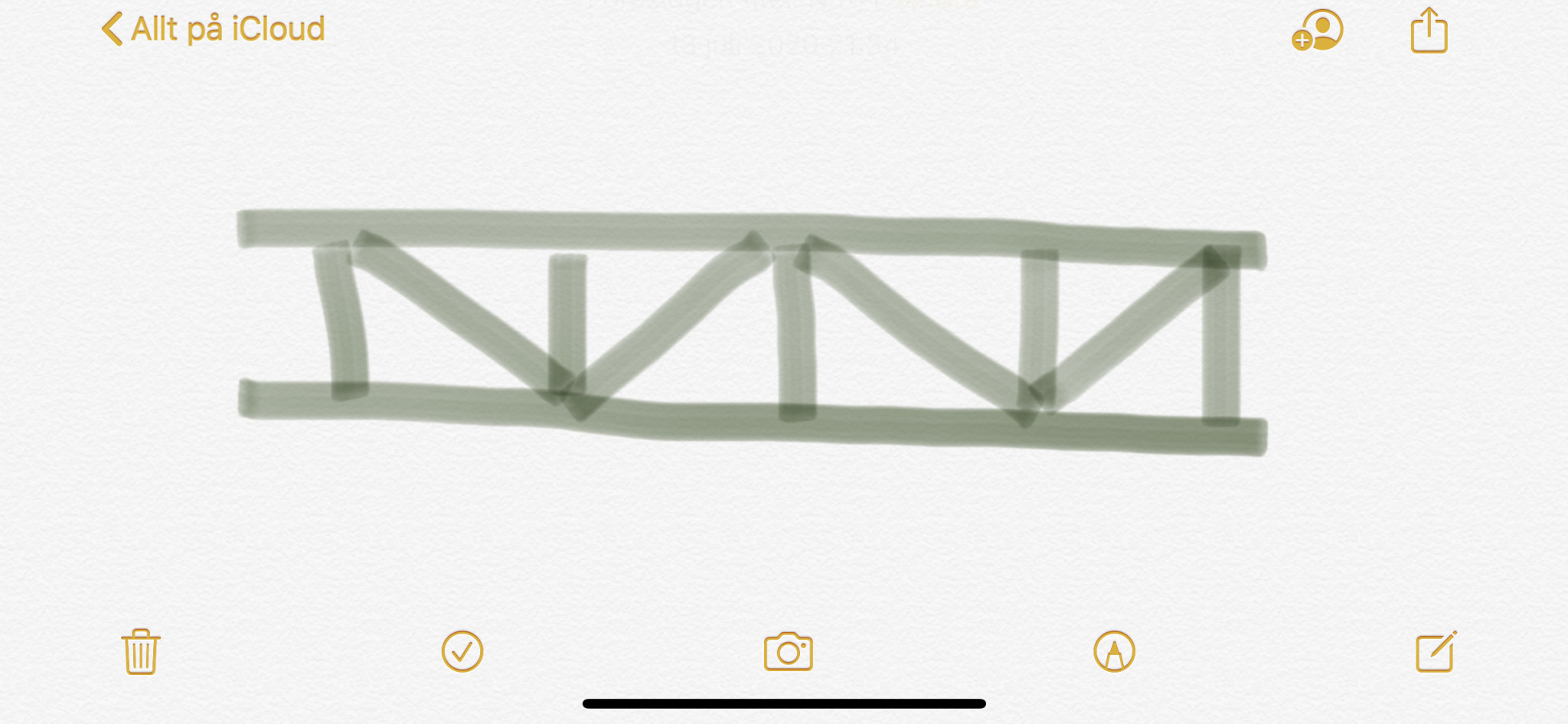
For spans of 6-7 m, glulam or steel beams are required (not least because regular joists are most commonly available in 5.2 m lengths). You could certainly build a truss construction, but it won’t be small and neat...
You should not splice two joists in the middle; it will not work.
The support points must also be considered. When you say post, what do you mean?
I don't understand a thing about that picture.
Take a photo and explain how and where you plan the roof.
But there are glulam beams that are much better for large spans. Regardless, it's the snow load on the roof that will determine your beam size.
Vi vill skicka notiser för ämnen du bevakar och händelser som berör dig.



GoC said: