
4,215 views ·
16 replies
4k views
16 replies
How to build a small terrace on an existing metal roof
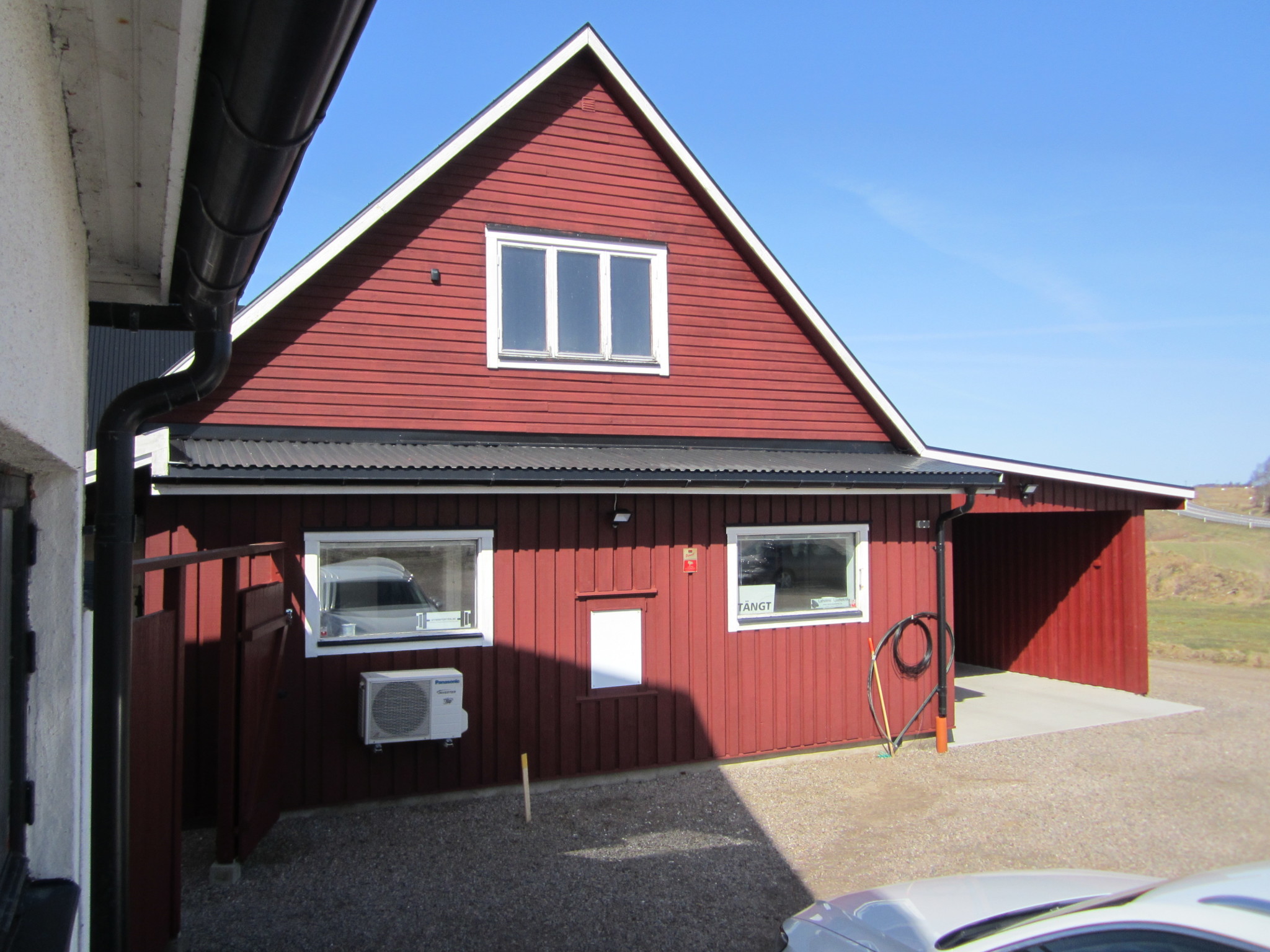
The idea is to build a small, small terrace on the existing sheet metal roof in the simplest way possible. The window in the picture will be removed, and a patio door + window will be installed next to it in the dimension 13x13, with the patio door being 8x22.
Can one use wedge-sawn pressure-treated joists, e.g., 45x145, which are then planed on the underside to fit into the valleys of the metal?
The terrace will only be on the middle section of the roof in the picture, so it won't cover the full width of the gable, meaning there won't be a significant weight to speak of.
Or is the only option to tear off the sheet metal + battens on the entire protruding roof and install a new felt roof, metal work, etc.?
As usual, very grateful for suggestions...
Can one use wedge-sawn pressure-treated joists, e.g., 45x145, which are then planed on the underside to fit into the valleys of the metal?
The terrace will only be on the middle section of the roof in the picture, so it won't cover the full width of the gable, meaning there won't be a significant weight to speak of.
Or is the only option to tear off the sheet metal + battens on the entire protruding roof and install a new felt roof, metal work, etc.?
As usual, very grateful for suggestions...
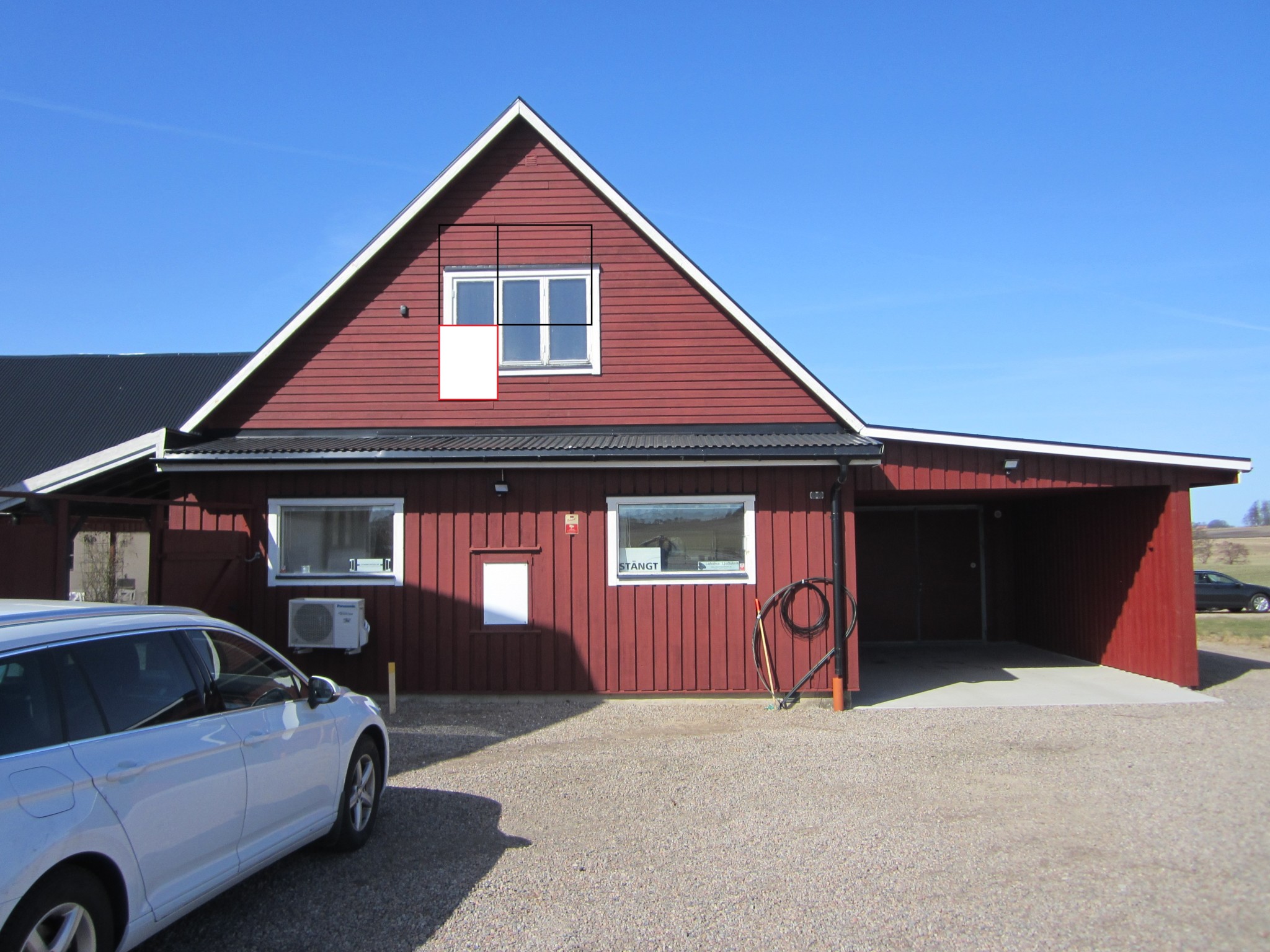

Before you start too much work, I think you should check if the roof can handle the extra load that will arise. I don't mean that you should do a full structural analysis, but find out the dimensions, length, and c/c spacing of the rafters. Cutting pressure-treated boards to fit in the metal valleys might work if the valleys are not also responsible for significant water drainage. At least you can test the concept that way. After that, you can complicate it as much as you want.
Lovely idea! The simplest way is probably to use slanted beams that rest over the existing roof beams. It's best if the slanted ones have their own bearing capacity so they can rest on the wall plate and the house facade. The decking can be sparse to reduce weight, and then it's a good idea to set strict limits on how much you can load on the deck. No heavy beer crates or granite flower pots.
I can't access the underlying joists in any way so I don't know the dimensions.T Thomas_Blekinge said:Great idea! The easiest is probably to use angled cut joists that rest over existing roof joists. It's best if the angled cuts have their own load-bearing capacity so they can rest on the wall plate and against the house facade. The decking can be spaced to reduce weight, and then it’s good to set strict limits on how much you can load on the deck. No heavy beer crates or granite flower pots.
What do you mean by "It's best if the angled cuts have their own load-bearing capacity so they can rest on the wall plate and against the house facade"?
Next problem, how do I know where the roof joists are?T Thomas_Blekinge said:Great idea! The simplest solution is probably beveled joists that lie over the roof joists that exist. It's best if the beveled joists have their own bearing capacity so that they can rest on the wall plate and by the house facade. The decking can be spaced to reduce weight, and then it's probably good to set strict limitations on how much you can load the deck with. No heavy beer crates or granite flower pots.
Expect that a balcony or a terrace should withstand double the load compared to a roof. If you cannot estimate the load-bearing capacity of the roof beams, I advise against the project.
Sometimes the beams peek out behind the gutter, and one can see their position and dimension.
Now I have checked the roof overhang, etc.
The roof joists are 45x145mm with 60cm spacing. The span is approximately 110cm.
Can you be sure that the battens under the sheet metal are nailed to the roof joists so that when I lay new treated battens in the valleys of the sheet metal, they are really on these?
Or how would you construct the whole thing with the above facts?
The roof joists are 45x145mm with 60cm spacing. The span is approximately 110cm.
Can you be sure that the battens under the sheet metal are nailed to the roof joists so that when I lay new treated battens in the valleys of the sheet metal, they are really on these?
Or how would you construct the whole thing with the above facts?
I would not make any assumptions about the placement of the ströläkt. If you use wedge-shaped battens that you place in the metal valleys (right over each roof rafter), they will rest on the bärläkten. I think they must be able to withstand that. With such a short span as 110 cm, the roof rafters can withstand the increased load.
Ok but how important is it that the joists are placed directly over the roof trusses?J justusandersson said:I wouldn’t make any assumptions about the placement of the battens. If you use wedge-shaped joists that you place in the metal valleys (directly over each roof truss), they will rest on the support battens. They must be able to withstand that, in my opinion. With such a short span as 110 cm, the roof trusses can handle the increased load.
Pretty important. Otherwise, it will be the bärläkten that supports the whole thing.
Well, but they do become moisture plugs and aren't so durable in the long run.