We have now started wavering in our decision and are considering an air gap instead.
The construction is in Skaraborg, the roof has a 45-degree angle and is barely 200m2 facing west/east. There is no shading from trees and the house is located in an open landscape, which means almost constant wind.
We are looking for input, what is a sensible construction solution based on these conditions? We have read various studies that point in all possible directions.
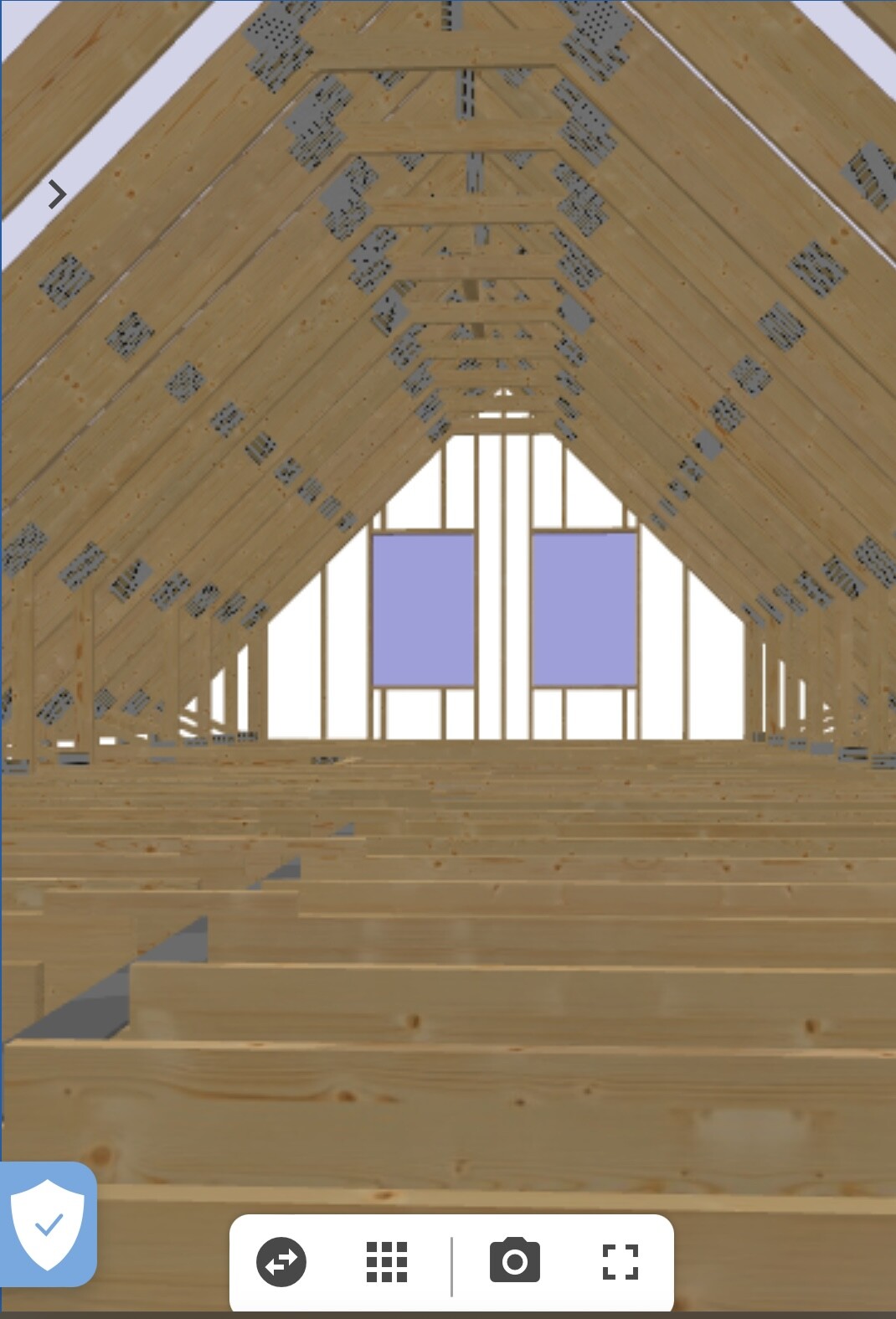
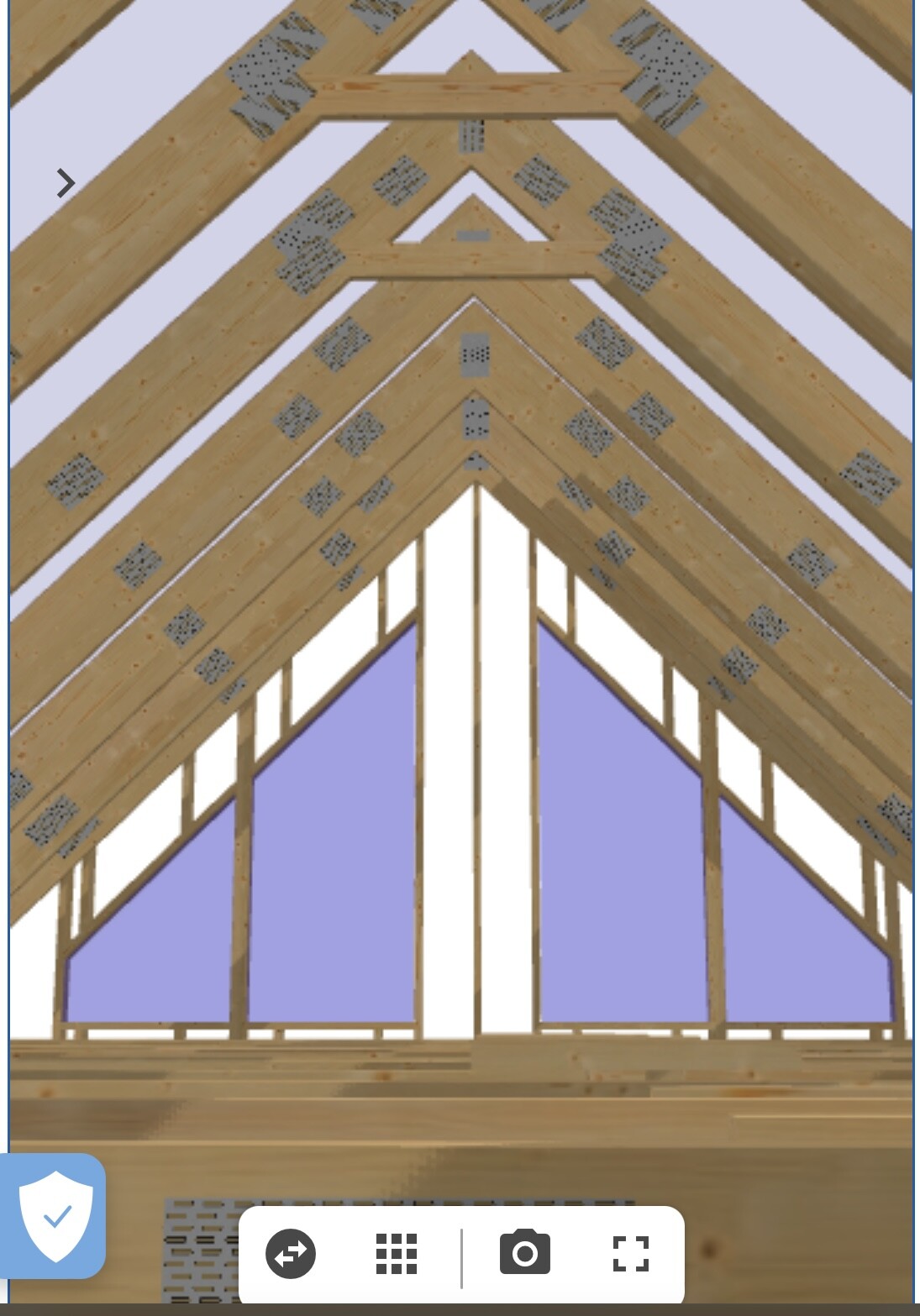
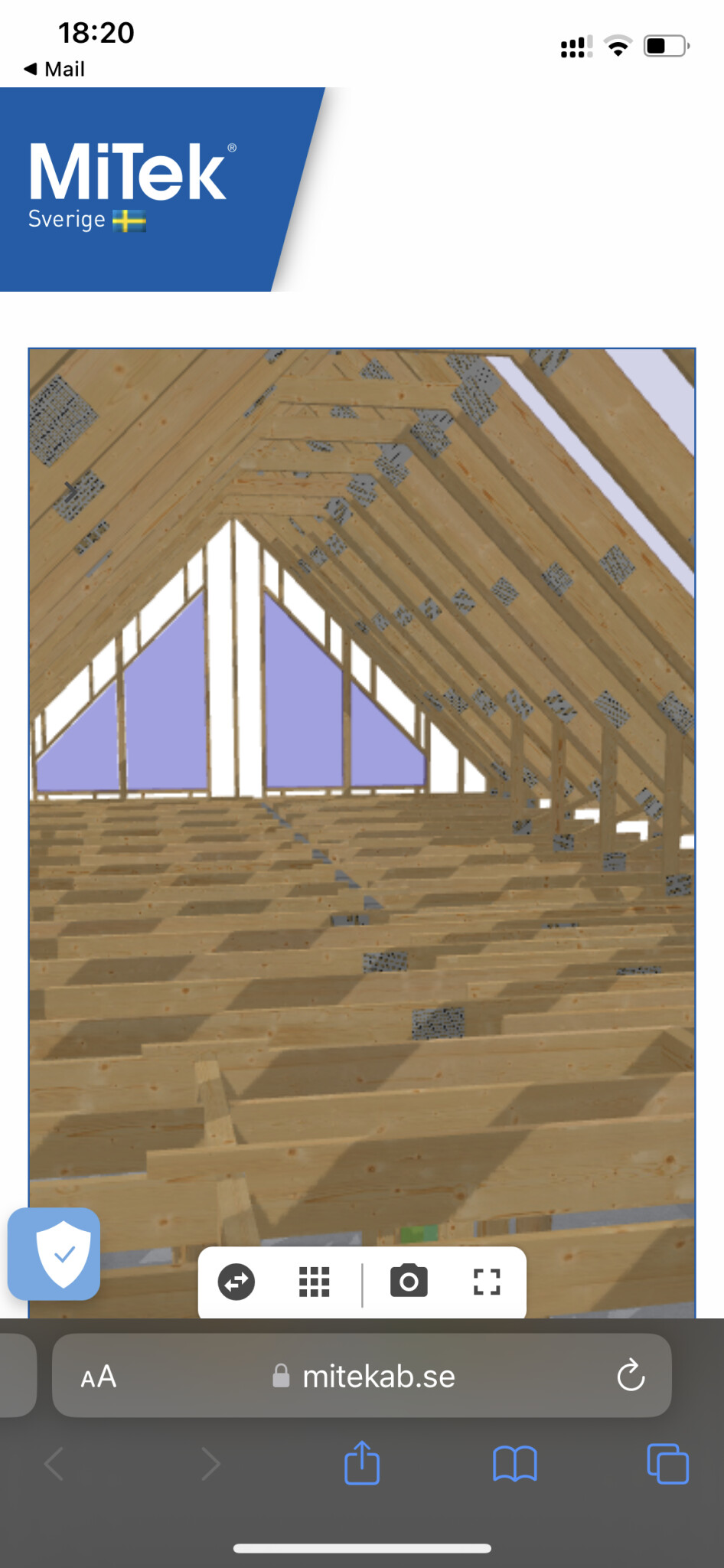
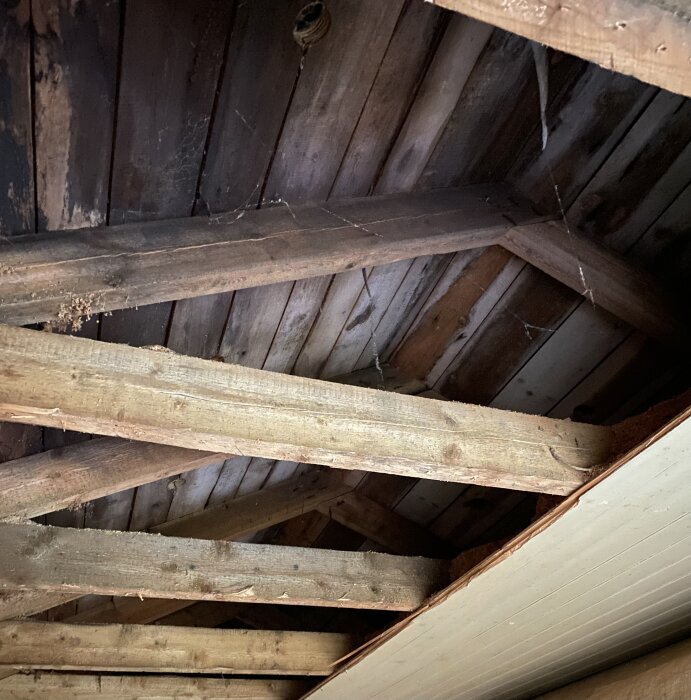
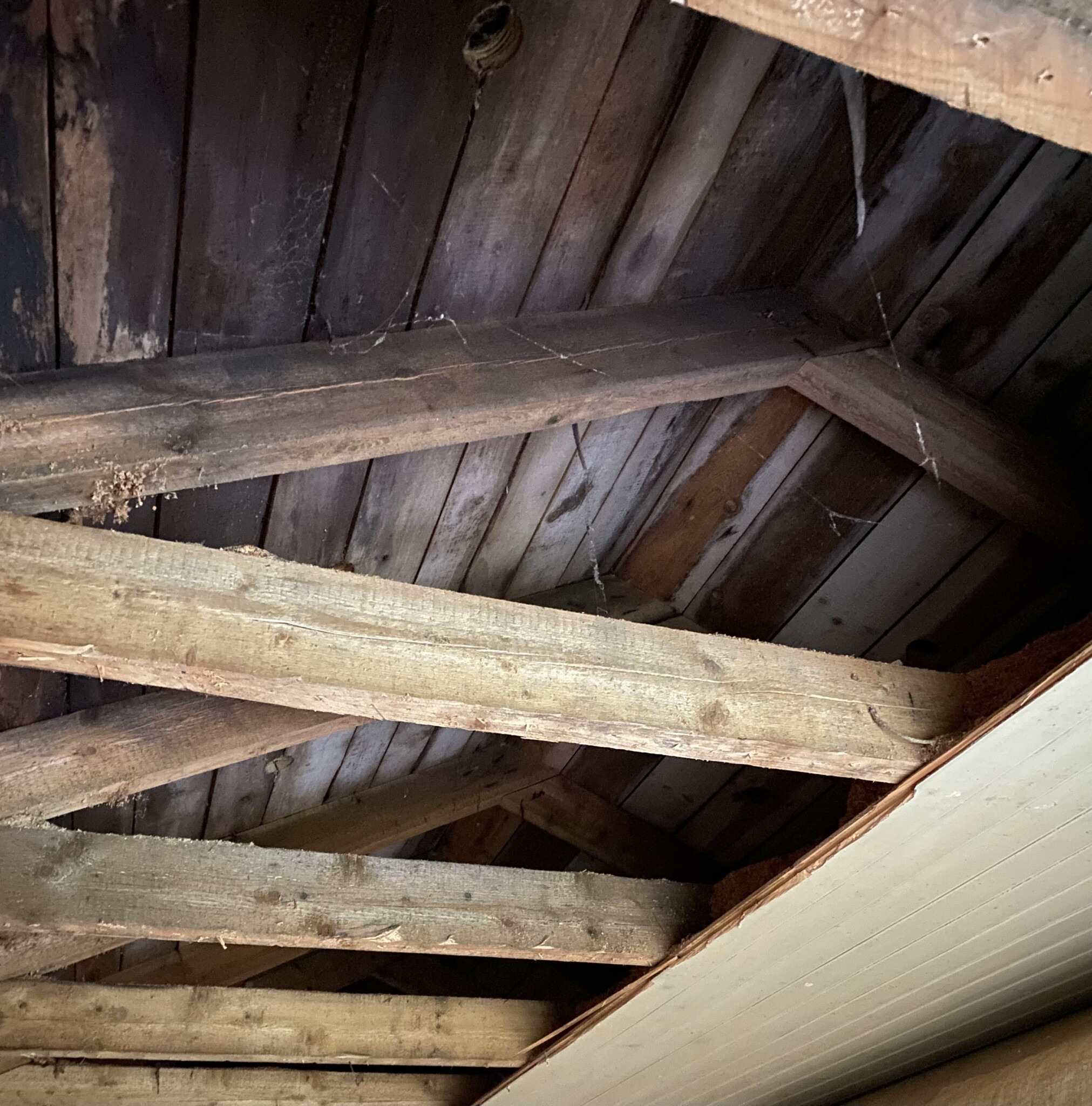
Attached are pictures of the roof trusses and their design.
we have just erected the frame of our house, the initial plan was to use Isover's unventilated roof construction with their variable vapor barrier Isover Vario Extra.
See solution: [link]
We have now started to doubt our decision and are considering an air gap instead.
The construction is in Skaraborg, the roof has a 45-degree angle, barely 200m2 facing west/east. There is no shading from trees, and the house is located in open countryside, which means almost constant wind.
Please provide input, what is a sensible construction solution based on the given circumstances? Have read various studies pointing in all possible directions.
Attached are pictures of the roof trusses and their design.
I have replaced insulation on a 70s house, used diffusion-open Isover vapor barrier, 400 mm of blown-in insulation and with a sealed eave (without air gap) but my attic is a cold attic.
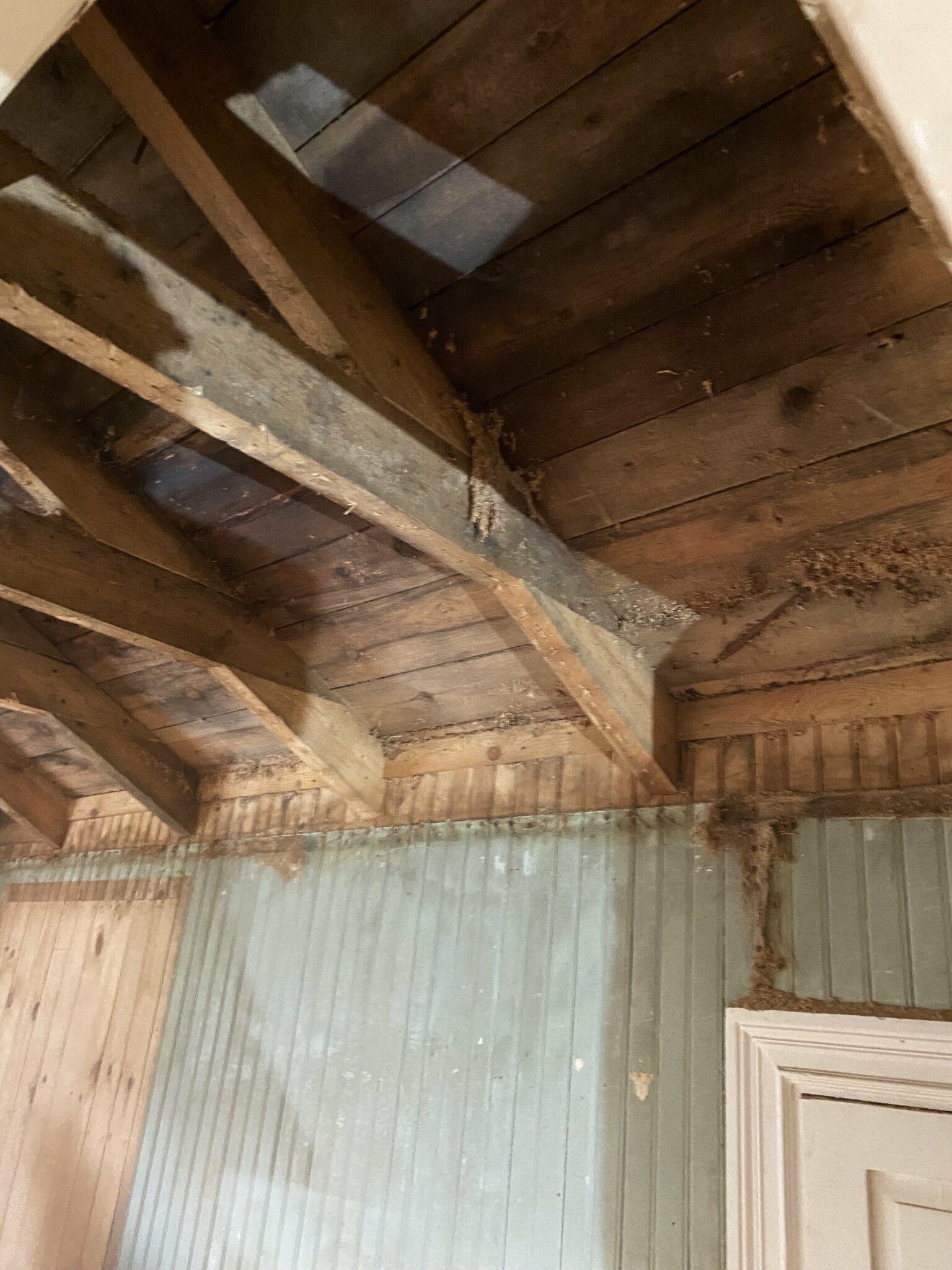
Tore down our ceiling and all the old wood chip insulation. In our house, there was a mold stopper in each rafter bay and then ventilation in the gable at the ridge.
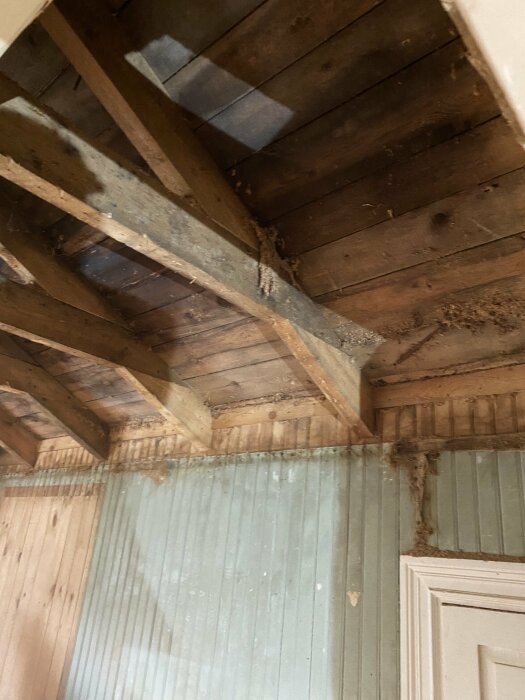
At the bottom by the eaves, the insulation was directly against the roof sheathing, meaning no air could circulate like in the rest of the cold attic. A lot of growth everywhere except where there was no air gap. However, nothing was rotten or smelled bad anywhere.
I am skeptical about the "excellence" of the air gap.
What I concluded was that the air needs to be able to circulate in the cold attic above the loose fill insulation, but the air gap can draw up moist air. But I will take a spot check.
Tore down our ceiling and all the old wood shavings insulation. We had mold stoppers in each roof truss section and then ventilation at the gable by the ridge.
At the bottom by the eaves, the insulation was placed right against the sheathing, meaning no air could circulate like in the rest of the cold attic. A lot of growth everywhere except where there was no air gap. However, nothing rotten or any bad smell anywhere.
I'm doubtful about the "excellence" of the air gap.
[image]
[image]
Those damages seem more like the result of humid indoor air meeting the cold sheathing... absence of vapor barrier/plastic?
The damage looks more like it's caused by moist indoor air meeting the gypsum sheathing.. lack of vapor barrier/plastic?
Yes, well, it was built at the turn of the century, so no plastic at all. It's above a hallway on an upper floor that is the worst, so I don't know how significant the moisture load is from inside. It looks better above the bedrooms, which should be worse. The bathroom has been in the basement.
But the fact remains that there is no growth at all where the air gap was missing.
It can be considered relatively unproven in our regions, right? Has it been on the Swedish market for about 10 years? Hopefully, the house should stand for at least 50 years, how does the age affect the function of the variable vapor barrier? Carpenters who wrinkle their noses at the solution, I don't want to build a solution that turns out to be the roof's equivalent to a single-stage sealed facade🫣
I ran dense eaves, 500 mm Insulsafe (Isover) on top of Isover's diffusion-open variable vapor barrier. Above the insulation, I have a vent on three gables. Very satisfied so far.