
33,943 views ·
30 replies
34k views
30 replies
Benders roof tiles or Vittinge?




Sitting & pondering ... ??? good friends put on a (single-paned?) gorgeous yellow clay tile with the name Heidelberg on an old 18th-century house here in Skåne. It's only been a couple of years but I can't find it despite diligent searching online. The tile was German but purchased through a Swedish company. Anybody?
We have purchased Vittinge T11 2-cup and it seems there are quite a few air bubbles or "air glands" as it's nicely called in the brochure. It is claimed that this is normal, but how many are considered normal? Did we receive a second sorting? I tapped on one such bubble and it broke quite easily and was very porous underneath. How much frost can such an air bubble withstand before it cracks?

Bubbles are never good. The tile should feel even and homogeneous.
Therefore, it's good to have a few spares. Try to lay them out so they age the same way as those on the roof.
It's perfect if you have some kind of side building where you can place them. That way, you avoid the replaced, more colorful tiles on the "main house."
This is not entirely abnormal. There are almost always small anomalies in certain tiles, which result in a good number of broken tiles after the first and maybe second year. It could be built-in defects, careless handling, or someone applying too much pressure during installation or chimney work...
Therefore, it's good to have a few spares. Try to lay them out so they age the same way as those on the roof.
It's perfect if you have some kind of side building where you can place them. That way, you avoid the replaced, more colorful tiles on the "main house."
I have just installed a Vittige tile roof and in the side light, I can see there are many air bubbles in it. The bubbles are as large as 50-öringar and you can see there's air in them if you break the tile. Approximately 50% of the tiles have bubbles. Should one accept this?
Recently installed Vittinge's 2-pan clay tiles. I'd like to share some of our experiences from then. In the manufacturer's brochure, it states that the tiles can vary in size by up to 2%. That's all well and good, as it's a natural material and so on. However, this doesn't quite align with their installation instructions, which state they accept up to 30 mm gaps in the chamfered corners once the roof is laid. If they had included this latter information in their product brochure, Vittinge wouldn't have been such an obvious choice for me. Vittinge's tiles have a fixed batten distance, and with their acceptable margin of error, this risks unnecessary weather impact on both the subroof and battens. I've managed to resolve this fairly well, but it involved a lot of additional work for the carpenter. Perhaps Vittinge should alter the fixed batten distance, as no row had gaps smaller than 10 mm? Besides the aforementioned "margin of error," they also have both belt and braces in their documentation; one is supposed to lay out a few rows for testing, despite the fixed batten distance, and mix tiles from different pallets, etc. Any complaints are only met with these arguments.
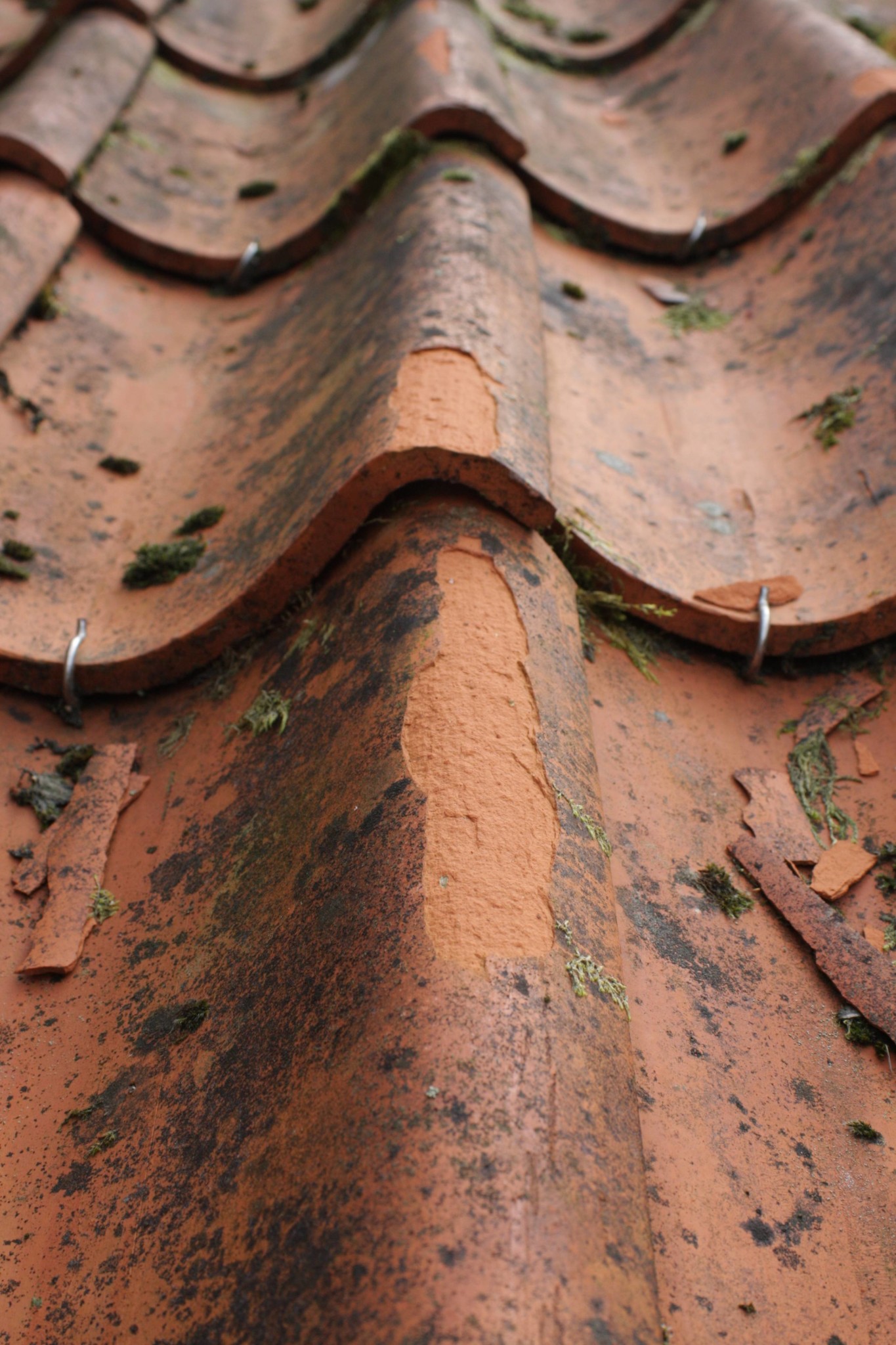
A few years ago, my old condominium association replaced the roof with new tiles - our consultant said at the time that Vittinge had changed clay pits and that the new ones did not maintain the same quality. The choice then fell on Höjslev, which had been mentioned earlier, cost more but turned out well and was nothing that had gone bad before I moved out several years later.
Hi PatrikP patrikd84 said:A few years ago, my old housing association redid the roof with new clay tiles - our consultant back then said that Vittinge had changed clay pit and that the new ones didn't hold the same quality. The choice then fell on Höjslev as mentioned earlier, it cost more but turned out well and there was nothing that became bad before I moved out several years later.
That could explain why my in-laws' Vittinge clay tile roof looks good after all these years but ours is crumbling after not even 10 years.
We wanted a roof for 30-40 years ahead at least, not 10 years as it seems now.
As I wrote in my previous post
Moniers Vittinge E13 single lap = avoid!
/Fredrik