4,533 views ·
16 replies
5k views
16 replies
Do I need to support the ceiling (interior wall removed)?
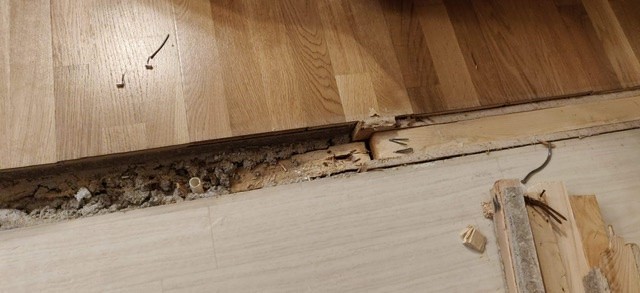
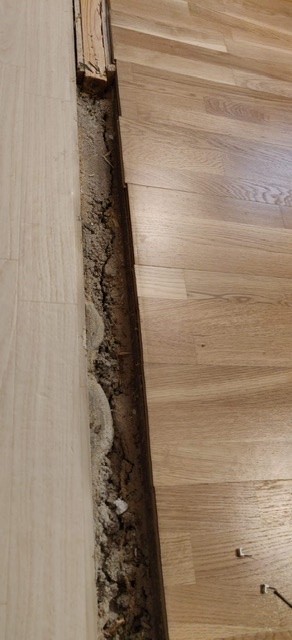
As the title says, we are in the process of removing a wall between the large room and a bedroom to get more light and make the large room airier.
We have removed the chipboards that were on the walls between the rooms but left the frame/studs they were attached to.
Each board had its own "frame" with three studs they were nailed to, and we have removed the stud in the middle of each "frame."
Measured the height between the ceiling and floor before and after, the ceiling dropped 5mm when we removed a center stud in each "frame," so to speak, I can't recall exactly now, but say it was 2360mm and then 2355mm (in each frame).
That made me a little puzzled and I stopped there.
So the question is whether I need to install a beam in between, or if it might be risk-free.
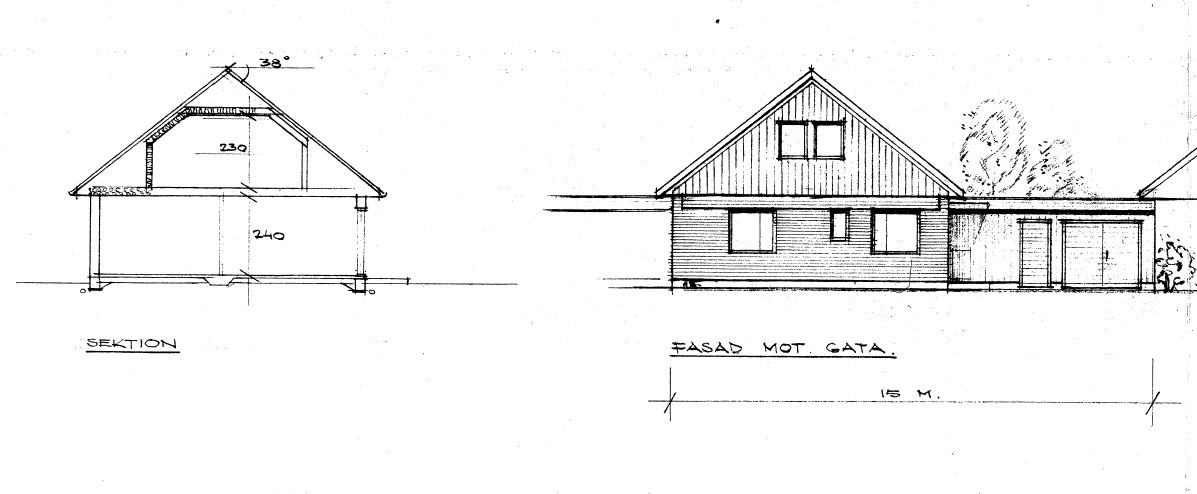
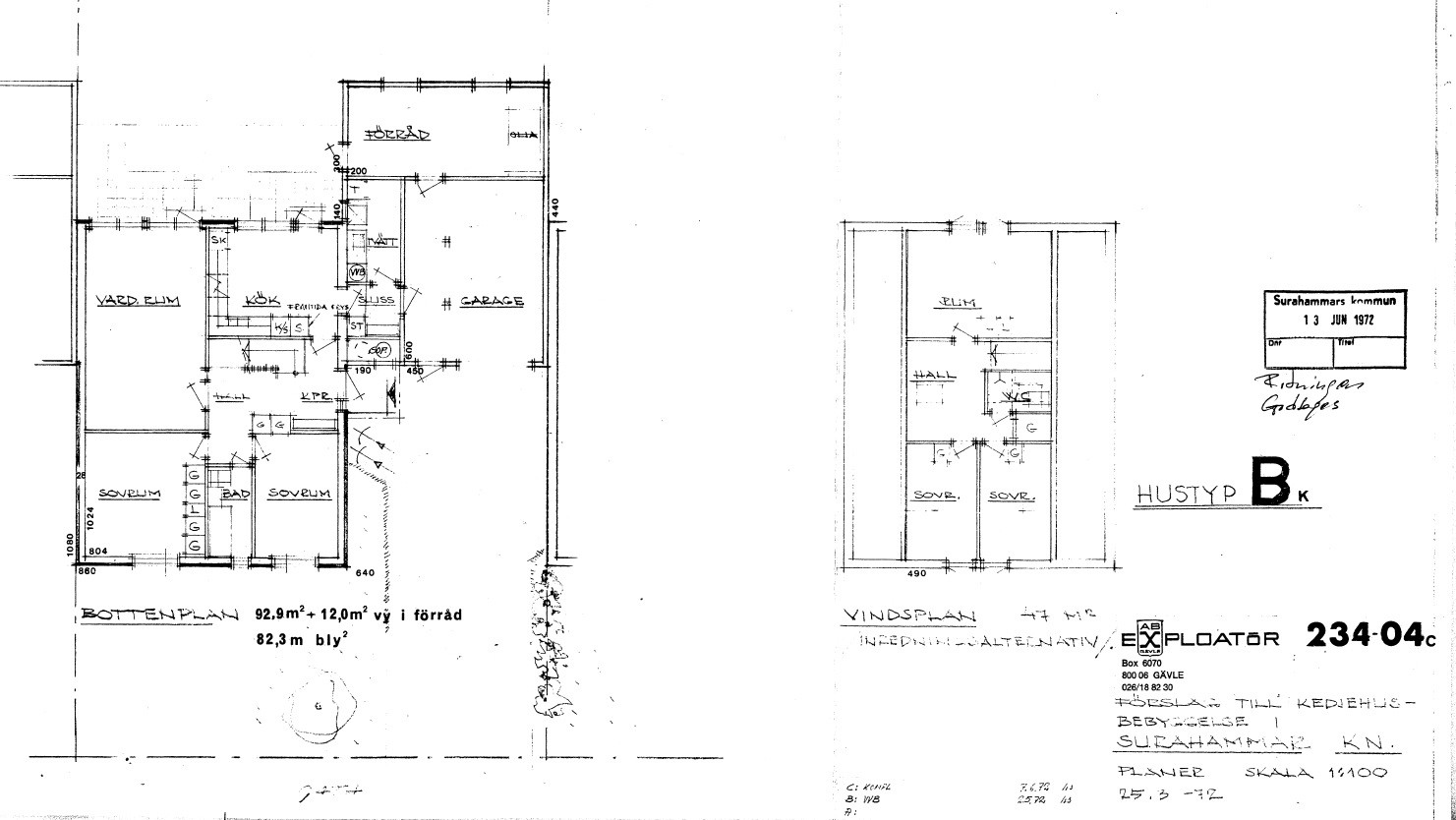
The house is a 1½-story from '73, I am attaching drawings of the house and the wall itself.
We have removed the chipboards that were on the walls between the rooms but left the frame/studs they were attached to.
Each board had its own "frame" with three studs they were nailed to, and we have removed the stud in the middle of each "frame."
Measured the height between the ceiling and floor before and after, the ceiling dropped 5mm when we removed a center stud in each "frame," so to speak, I can't recall exactly now, but say it was 2360mm and then 2355mm (in each frame).
That made me a little puzzled and I stopped there.
So the question is whether I need to install a beam in between, or if it might be risk-free.
The house is a 1½-story from '73, I am attaching drawings of the house and the wall itself.
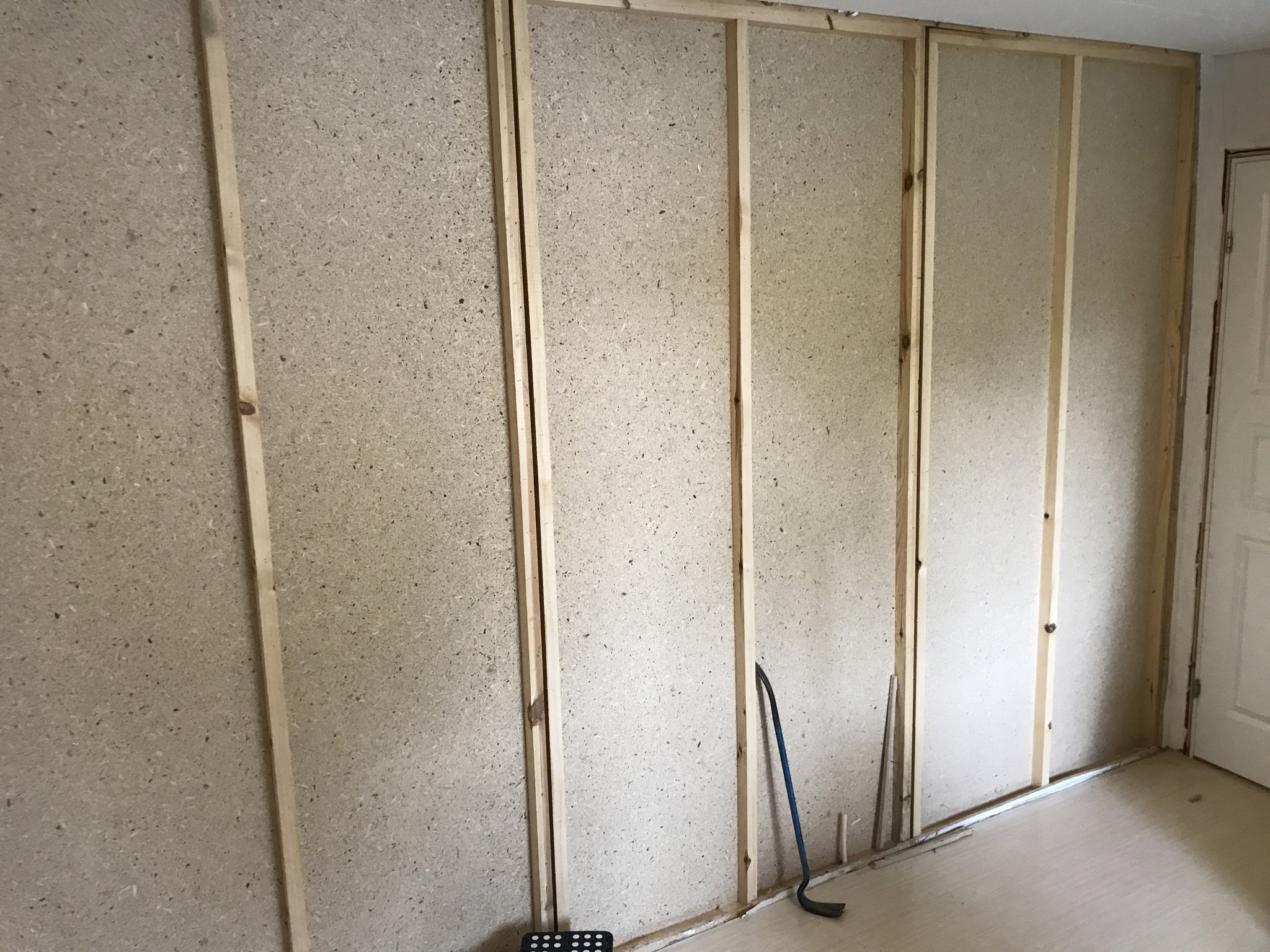
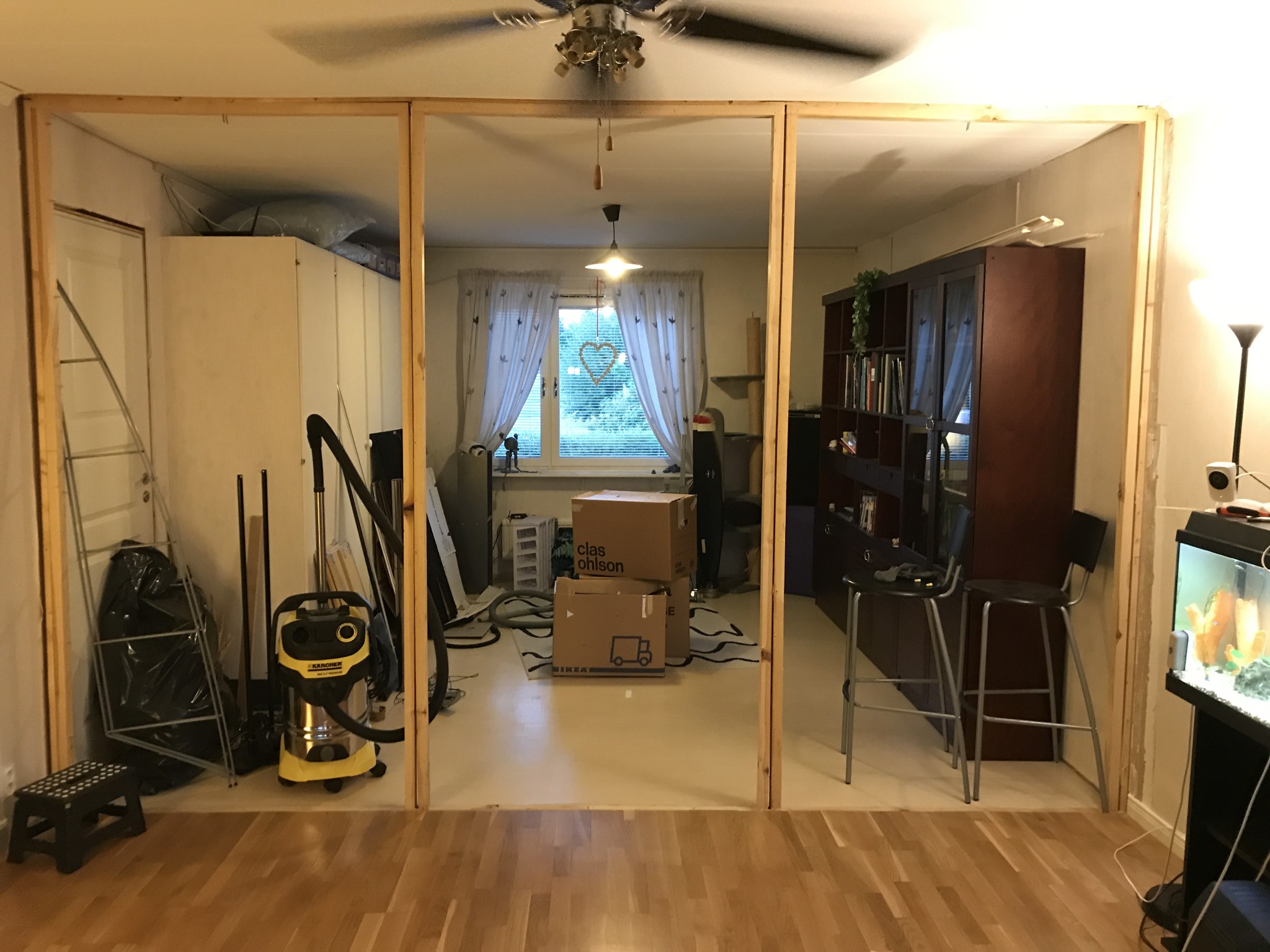

F finntrollet said:As the title says, we are in the process of removing a wall between the living room and a bedroom to let in more light and have a more airy living room.
We have removed the chipboards that were on the walls between the rooms, but left the frame/studs they were attached to. Each board had its own "frame" with three studs they were nailed to, and we have removed the middle stud in each. Measured the height between the ceiling and floor before and after, the ceiling dropped 5mm when we removed a middle stud in each "frame" so to speak, I don't remember exactly now, but let's say it was 2360mm and then 2355mm (in each frame).
It got me a little curious and I stopped there.
So the question is whether I need to fix a beam in between, or if it might be risk-free.
The house is a 1½ story from -73, attached are drawings of the house and the wall itself.
If I understand you correctly, is the lintel in each frame now bent downward? So you have two different measurements in each frame, a lower in the middle and a higher at the edge?
The construction itself doesn't look load-bearing imo.
No, it does not appear to be load-bearing.
Isn't the aquarium against an exterior wall? The wall opposite the aquarium, i.e., between the kitchen and living room, is likely load-bearing, isn't it?GoC said:
The wall with the aquarium is the outer wall, yes, and opposite is the middle of the house.
Yeah, it was just that the roof sank a bit that made me wonder... But now that I think about it, I measured against the frame from which we removed a stud. Maybe it was just under tension?
Maybe remove another one in the middle and measure between the floor and the ceiling then. ♂️
Yeah, it was just that the roof sank a bit that made me wonder... But now that I think about it, I measured against the frame from which we removed a stud. Maybe it was just under tension?
Maybe remove another one in the middle and measure between the floor and the ceiling then. ♂️
Yes, now you have to measure again. The suspense is unbearableF finntrollet said:The wall with the aquarium is an outer wall, yes, and opposite is the middle of the house.
Yeah, it was just that the roof sank a bit that made me wonder... But now that I think about it, I measured against the frame where we removed a stud. Maybe it was just under tension?
Maybe remove another one in the middle and measure between the floor and the ceiling then. ♂️
F finntrollet said:The wall with the aquarium is an exterior wall, yes, and opposite is the middle of the house.
Well, it was just the roof dropping a bit that made me puzzled... But now that I think about it, I measured against the frame from which we knocked out a stud. Maybe it was just under tension?
Maybe book another one in the middle and measure between the floor and the ceiling then. ♂️
That could be it. Go for it!
Then we have loosened three of the four that were left in the middle, measured before and after between the floor and the ceiling, 2385mm before and only sank 1-2mm.
I sneaked on the upper floor while my sister measured downstairs, couldn't see the ceiling moving, not even when I did a little gymnastics with small jumps.
I sneaked on the upper floor while my sister measured downstairs, couldn't see the ceiling moving, not even when I did a little gymnastics with small jumps.