
Hello,
I recently moved into a house from the 1960s and have noticed a strange smell in certain rooms. It smells very musty and reminiscent of old dust or sawdust. I have started to suspect that the smell is coming from the walls and am now trying to identify how they are constructed.
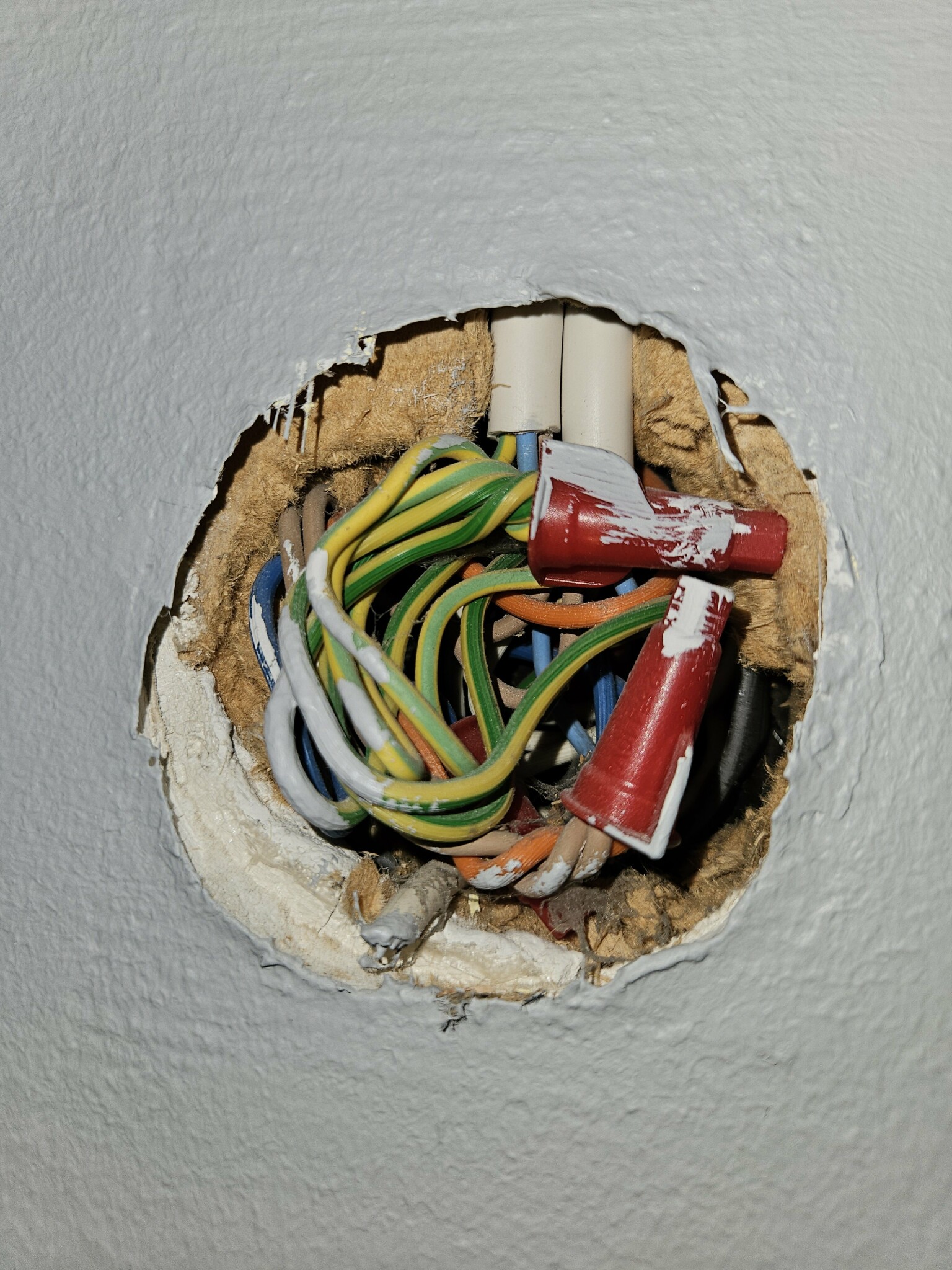
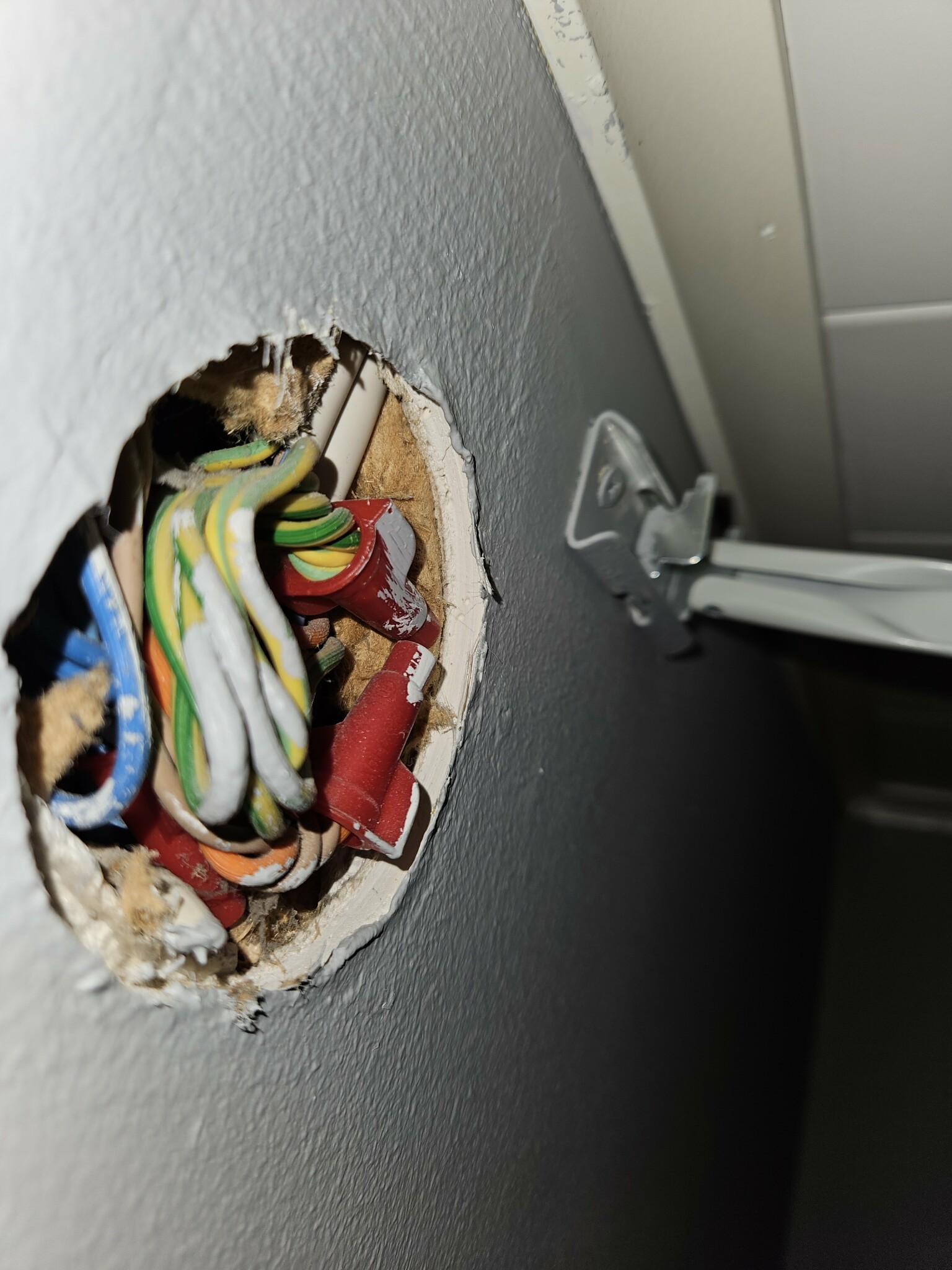
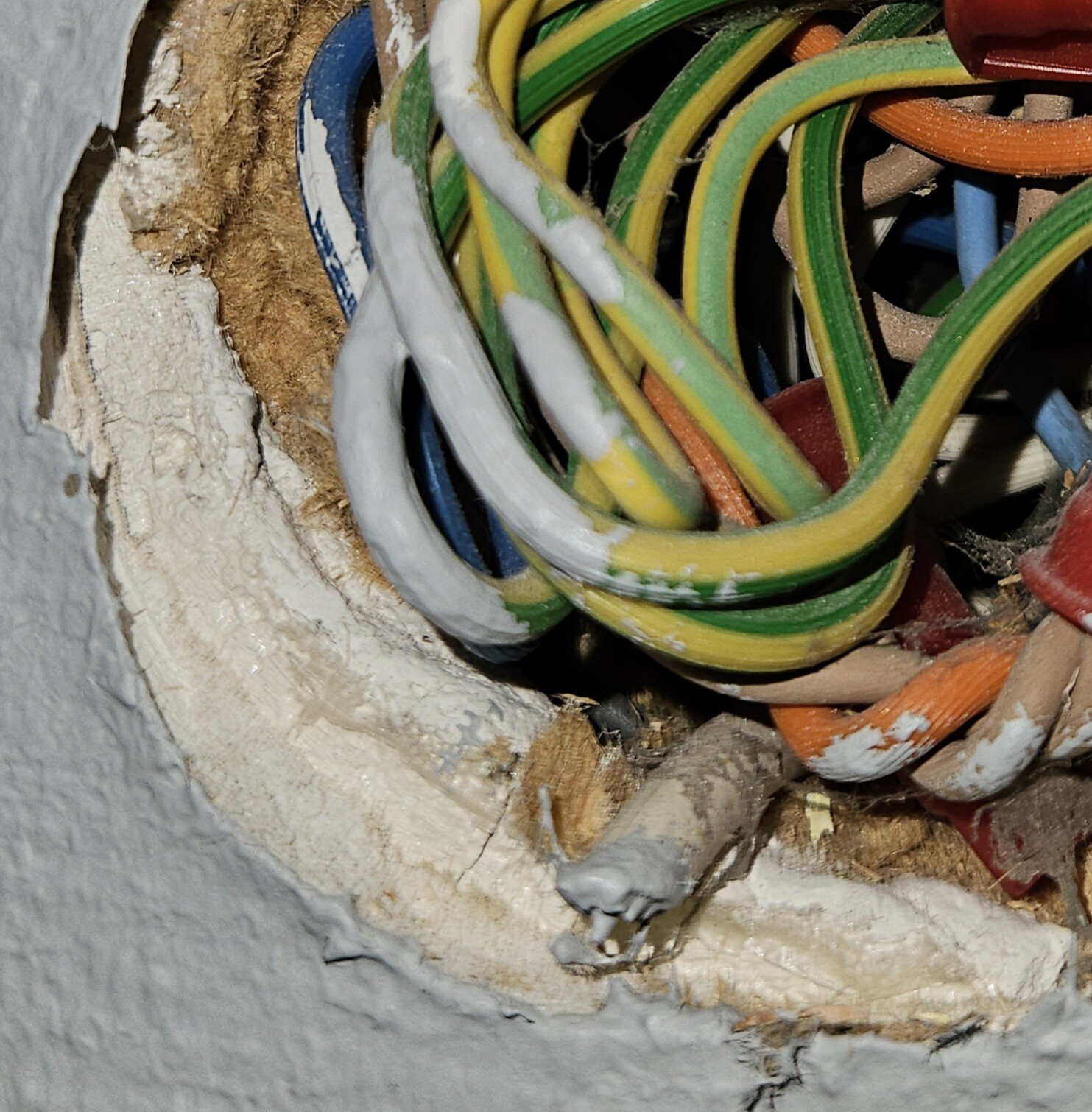
I’m attaching a couple of pictures below. I suspect that the brown material is masonite or tretex. Can that be right? But what could the white material on the outermost part be?
The wall is an exterior wall (brick), and I suspect that the smell is coming from the masonite/tretex boards. After reading a number of threads here on the forum, I've understood that old masonite/tretex can emit an old musty smell. I have ordered a moisture meter to ensure I don't have any moisture damage.
Grateful for any help!
I recently moved into a house from the 1960s and have noticed a strange smell in certain rooms. It smells very musty and reminiscent of old dust or sawdust. I have started to suspect that the smell is coming from the walls and am now trying to identify how they are constructed.
I’m attaching a couple of pictures below. I suspect that the brown material is masonite or tretex. Can that be right? But what could the white material on the outermost part be?
The wall is an exterior wall (brick), and I suspect that the smell is coming from the masonite/tretex boards. After reading a number of threads here on the forum, I've understood that old masonite/tretex can emit an old musty smell. I have ordered a moisture meter to ensure I don't have any moisture damage.
Grateful for any help!

Eternit panels were of uniform thickness and were used where extra fire protection was needed, such as in boiler rooms and garages. They weren't something you used liberally as they were not cheaper than other materials.
Could one have attempted to apply joint compound to the Treetex panels but when unable to make it even, put up renovation plasterboard on top?
Regarding the smell of being closed in, many houses from that time have inferior ventilation compared to today's standards. In summer, the windows were cracked open when you were home and it wasn't raining much.
Could one have attempted to apply joint compound to the Treetex panels but when unable to make it even, put up renovation plasterboard on top?
Regarding the smell of being closed in, many houses from that time have inferior ventilation compared to today's standards. In summer, the windows were cracked open when you were home and it wasn't raining much.


Looks like treetex, renovation plasterboard, and filler.
That sounds like a reasonable explanation. Thanks!BirgitS said:
Eternit boards were of uniform thickness and used where additional fire protection was needed, such as in boiler rooms and garages. It wasn’t something you sprinkled everywhere as they were not cheaper than other materials.
Could it be that an attempt was made to putty the treetex boards but when they couldn’t get it even, renovation plasterboard was put up on top?
Regarding the smell of being shut in, many houses from that time have inadequate ventilation compared to today's standards. In the summer, the windows were slightly open when you were home and it wasn’t raining much.
Yes, I have poor ventilation. However, the smell remains even though the windows are open all day. The reason I suspect the treetex boards is because the smell is strongest near the baseboards and in the junction box hole I photographed. I found this thread where people seem to have had similar issues with treetex.
https://www.byggahus.se/forum/threads/renovera-innervaeggar-60-tals-hus-masonit-lukt.377675/

Click here to reply
Similar threads
-
Kan detta vara asbest eller vad för väv?
Färg, Måla & Tapetsera -
Är detta ovanligt/farligt eller något jag bör vara orolig för?
Grund & Markarbeten -
Kan detta vara asbest, eller vad är det för material?
Gifter, farliga byggmaterial & skadedjur -
Vad kan detta vara för toalettstol? Tillverkare
Badrum -
Vad är detta för slamavskiljare och hur ska den vara monterad
Vatten & Avlopp