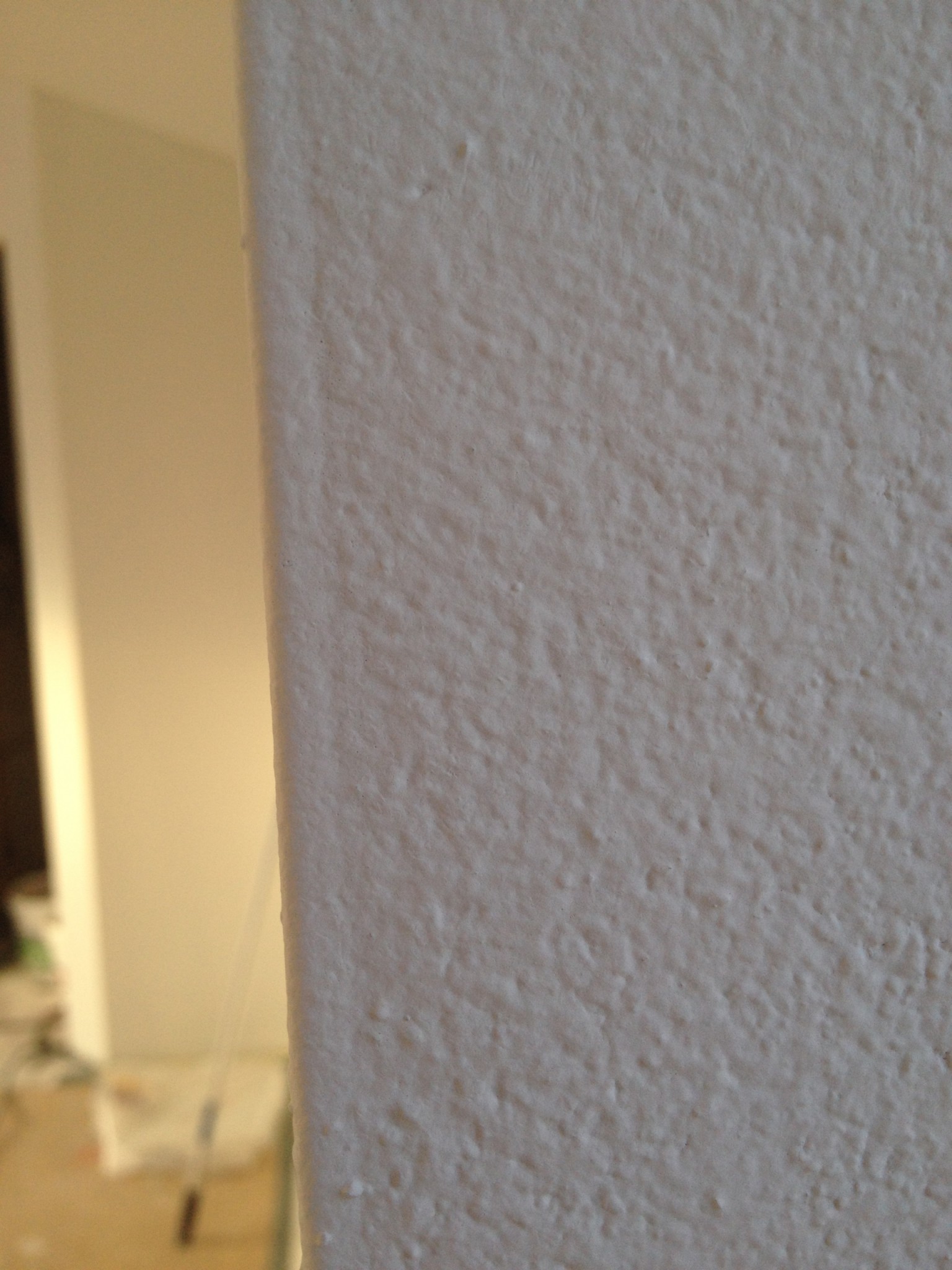
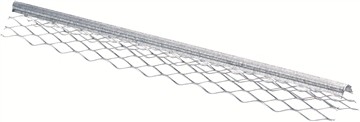
In our new extension with Leca walls, our builder has plastered the indoor walls with Gypsum natural plaster and we are now going to paint directly on them. We do not want to fill the walls before painting.
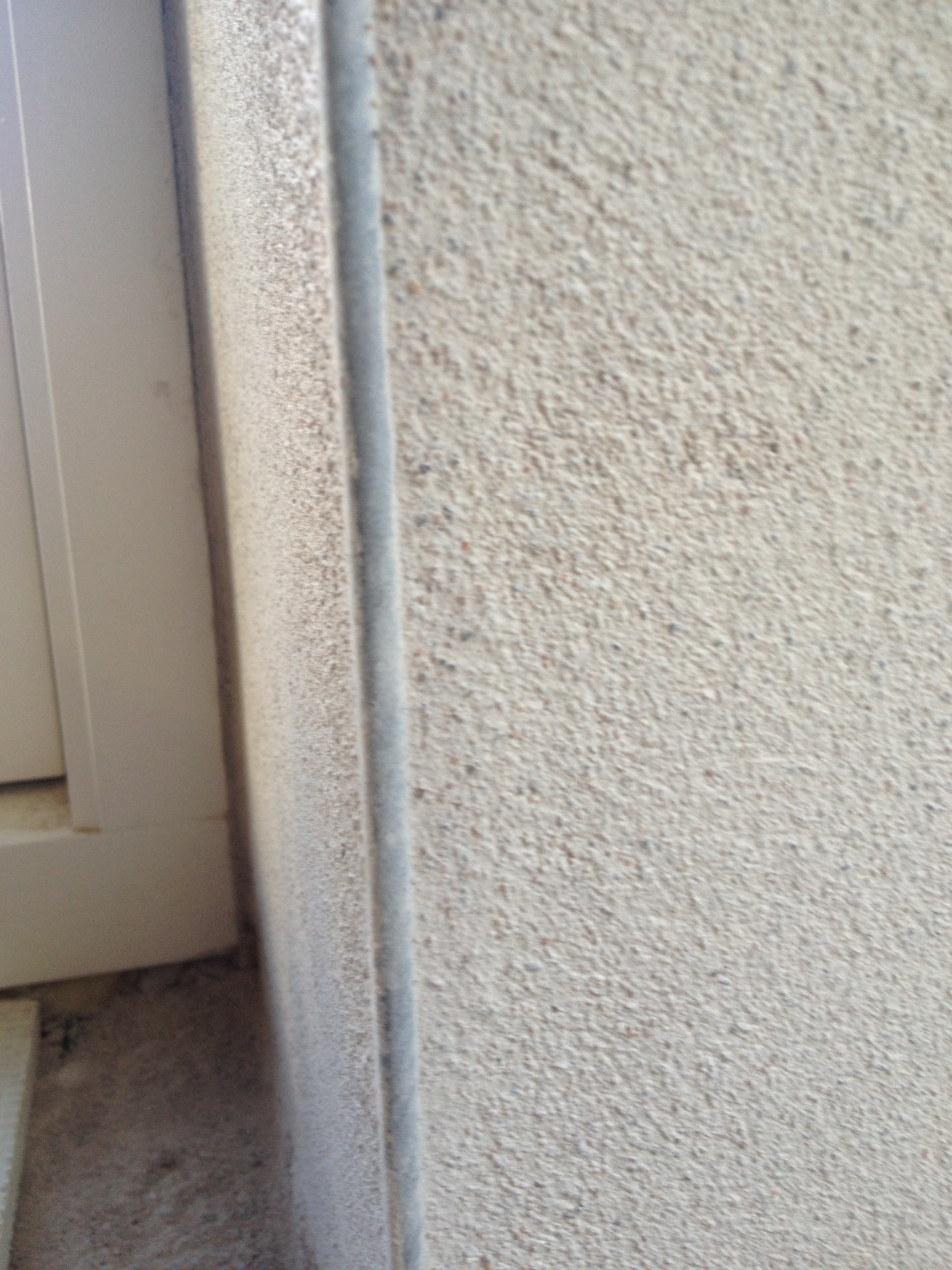
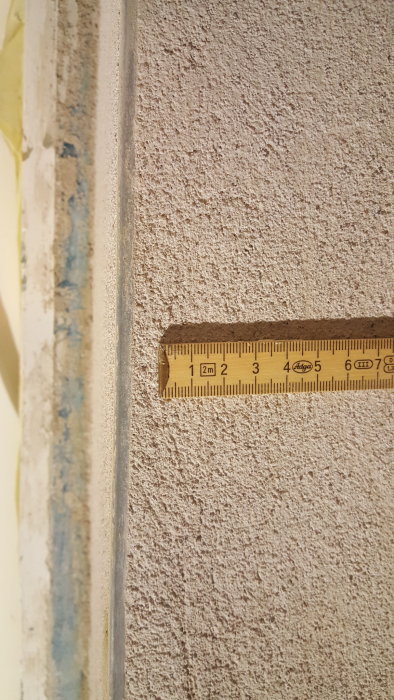
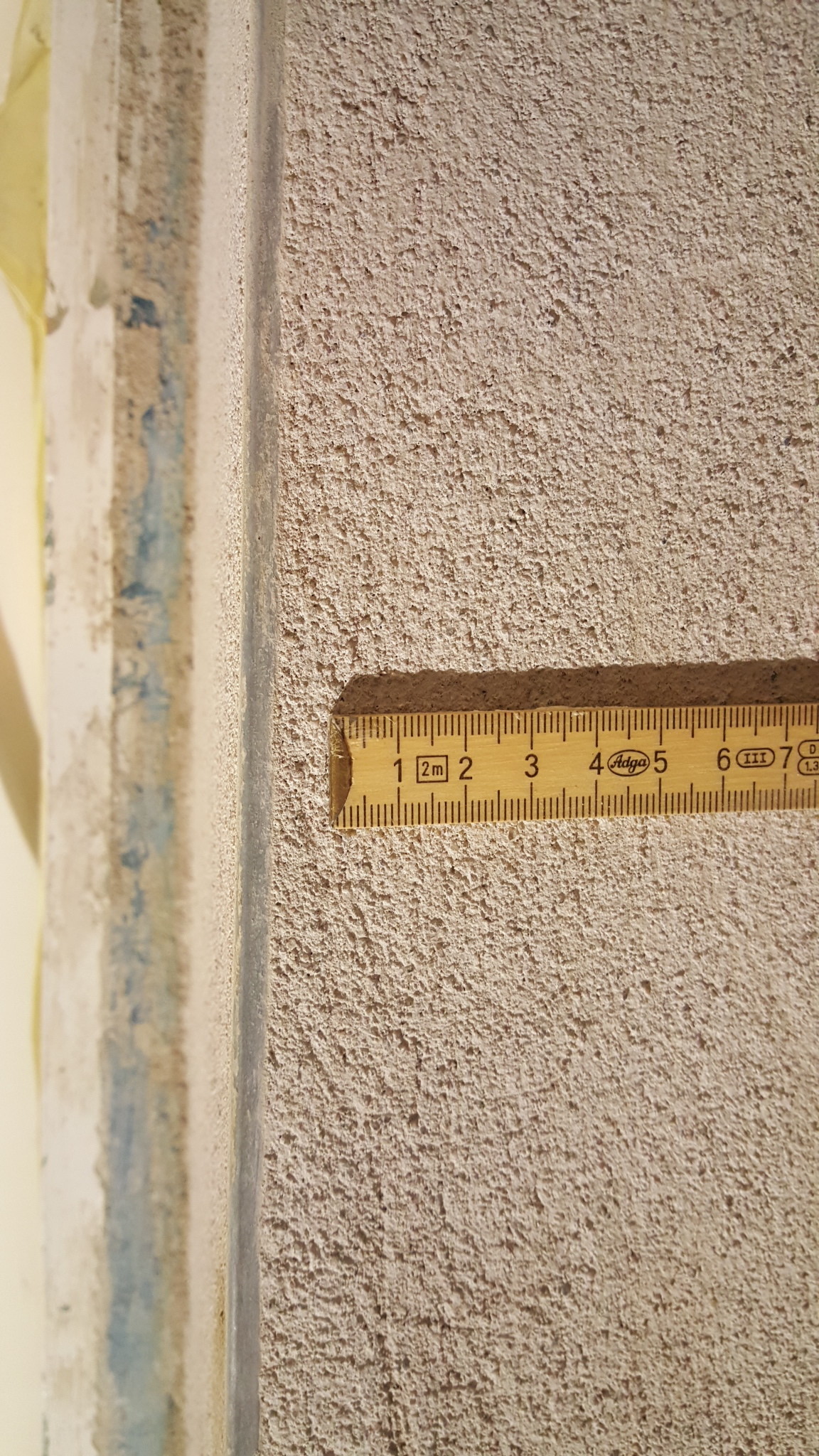
They have used metal corner profiles, which I don't mind. Our problem is that these corners are now very visible and we feel it gives an "industrial" impression instead of a residential one, i.e. really ugly.
Weber doesn't seem to have a proper document with work instructions but says this in a brochure
Straight corners: It is easy to create straight inner corners using a special gypsum planer. You can also use a paint scraper. Outer corners are often exposed to knocks and bumps. Therefore, install Gypsum corner profile that provides straight and strong corners. The corner profile is embedded in the gypsum plaster.
Does this look normal and something we should accept (or alternatively pay to tidy up) or has the builder removed too much plaster so the profile isn't hidden and they should fix it at no cost to us?
Sigh, it turns out the builder didn't use natural plaster at all, but rather Weber's KC-render "Base 133 render mortar B hand". You shouldn't use corner profiles with it, at least if you want to keep the rendered surface.
I initially thought we could apply 2-3 mm of Base 133 render over the corner profiles, but according to Weber, the render won't hold, so it's not suitable.
Our options now seem to be:
Have the builder fill over the render so we get a smooth surface.
The corner won't be visible.
At the same time, we lose the charm of the finely rendered surface...
Have them remove all corner profiles and render without them.
Apparently not so simple since they used render panels in the window recesses to fill the space, and these need to be removed and replaced with a thick layer of mortar/render.
The advantage of the end result is that we get to keep the rendered surface.
Prime the render and apply a layer of natural plaster that is then finished.
According to the builder, the surface texture won't be as nice as the one we currently have, and you'll see more "brush strokes". I haven't been able to verify this as manufacturers don't show much of the surface textures on their websites. But it seems reasonable.
Is there anyone who happens to have a nice "rendered surface" based on natural plaster or perhaps even has another solution than the ones above?
That looks like a regular plaster corner. They have a relatively large diameter. When I was plastering at home, I thought they were so ugly, so I chose regular "drywall corners" instead, which have a smaller diameter.
I would probably say it looks like the right corner for plaster...
You will never be able to achieve the surface you have today with plaster. The texture you see in your pictures depends on the size of the sand grains (aggregate), and in plaster, you don't have that kind of aggregate.
Plaster will have a smoother surface texture.
It's fine to plaster corners with lime-cement mortar without using corner beads. A plastered corner is admittedly a bit more fragile if, for example, you bump into it with something hard; you might then chip off a piece of the corner. The corner bead prevents this to some extent.
If you ask the mason to remove the corner bead to plaster the corner, it will always be noticeable as they won't achieve the exact same texture, and no matter how skilled they are, they can't invisibly blend the hard part with new plaster, and you will also get a micro crack between the new and old plaster.
I think it looks better if you leave it as it is rather than trying to "patch up" something afterwards. Apply a bit more paint to the bead so that it blends well color-wise with your painted wall. Unfortunately...
I am in the same situation now after craftsmen have plastered my interior wall. It feels so-so, even if that's maybe how it's supposed to be?
I believe the craftsmen have used corner profile/corner strip/corner guard as a guide. But I would think that the whole corner should be covered with plaster and that one should still use a "support board" to make it look nice?
I read in Weber's (somewhat sparse description):
"Exterior corners are often exposed to blows and bumps. Therefore, install the weber.gypsum corner profile which provides straight and strong corners. The corner profile is embedded in the gypsum plaster."
A follow-up question I have is whether a corner profile for "gypsum plaster" also works with/in regular base plaster and C-plaster?
That is correct, Weber confirmed that the wrong method was used and my builders had to replaster those walls with gypsum so that the corner beads could be covered. It is possible to achieve a very similar surface texture with the gypsum plaster, the builder tested three different spots with various techniques and we were able to approve one of them.
Those corners cannot be used with regular plaster as it cannot hold over the edge and thus becomes visible.
The image is a bit unclear, but I usually use regular metal corners for gypsum boards. If the coating is a bit thicker (>6-7mm), I tend to bend the profiles a little so they are properly buried in the gypsum plaster. I usually screw the corner in first (if possible); otherwise, attach the corner with mortar and let it dry and set. Use a laser or level to ensure it's completely straight! Once the corner is set, you can plaster without a support board as the steel edge of the corner gives you a straight and sharp edge.
It doesn't matter what type of mortar you use, it works with all of them. Just make sure the metal in the corner comes out and isn't over plastered.
Those corners should not be used with regular plaster as it doesn't hold when plastered over the edge and then it becomes visible.
anders07 said:
When the corner is in place, you can plaster without a support board as the steel edge on the corner gives you a straight and sharp edge.
It doesn't matter what type of render, it works with all. Just make sure that the metal in the corner comes out and doesn't get over-plastered.
Ehhm. If I mix your opinions, one believes it should only be used with gypsum plaster because then it can be completely covered, which is the intention according to the manufacturer? But if you use it with, for example, cement-based plaster, the edge should not be completely covered?
isn't the whole point that the edge should be visible and thereby protect the corner? Surely, one can choose a product with different radii to achieve the desired result, but plastering it in entirely would somewhat destroy the idea at least.
isn't the whole point that the edge should be visible and thus protect the corner? Sure, you can choose a product with different radii to get the desired result, but plastering it completely would somewhat defeat the intention.
I have used that on my indoor walls, and yes it is visible before you paint with the finish paint.
I have used that on my indoor walls, and yes, it is visible before painting with the topcoat
Yes, that's my impression too, but if you read here, you get the impression that some people want it completely filled in. Now, I'm not a mason or plasterer in any way, but if I were to install such things, I would probably use them as a guide edge purely reflexively.
As I said, I use "gipshörn" and not "putshörn" because gipshörnen have a smaller diameter on the corner, so you get a nicer angle, I think...
The corner shouldn't be plastered over, it can never work. If you bump into it with something, the plaster that sits on the metal is likely to fall off directly. Possibly if you apply fiber cloth/wallpaper on it, then it might work...
Vi vill skicka notiser för ämnen du bevakar och händelser som berör dig.