Hello!
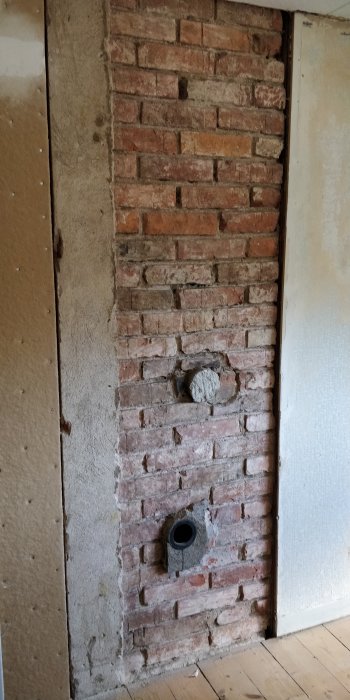
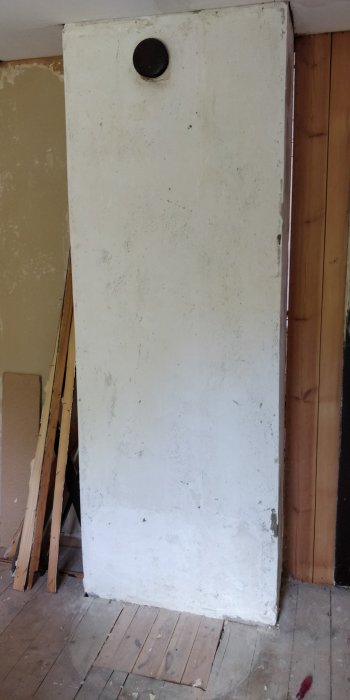
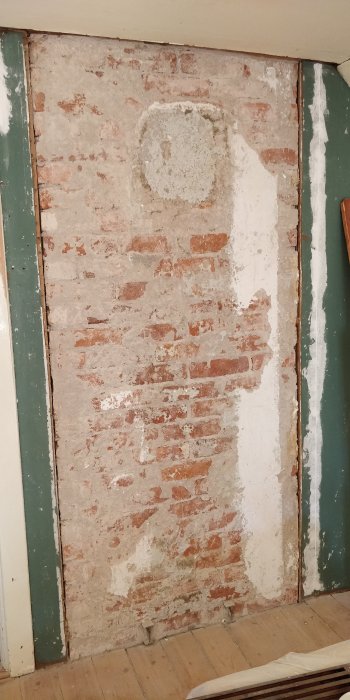
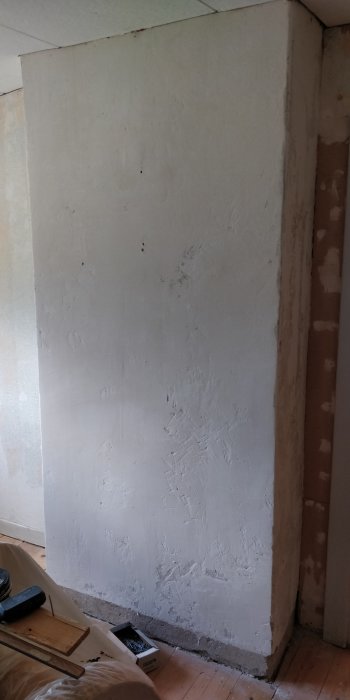
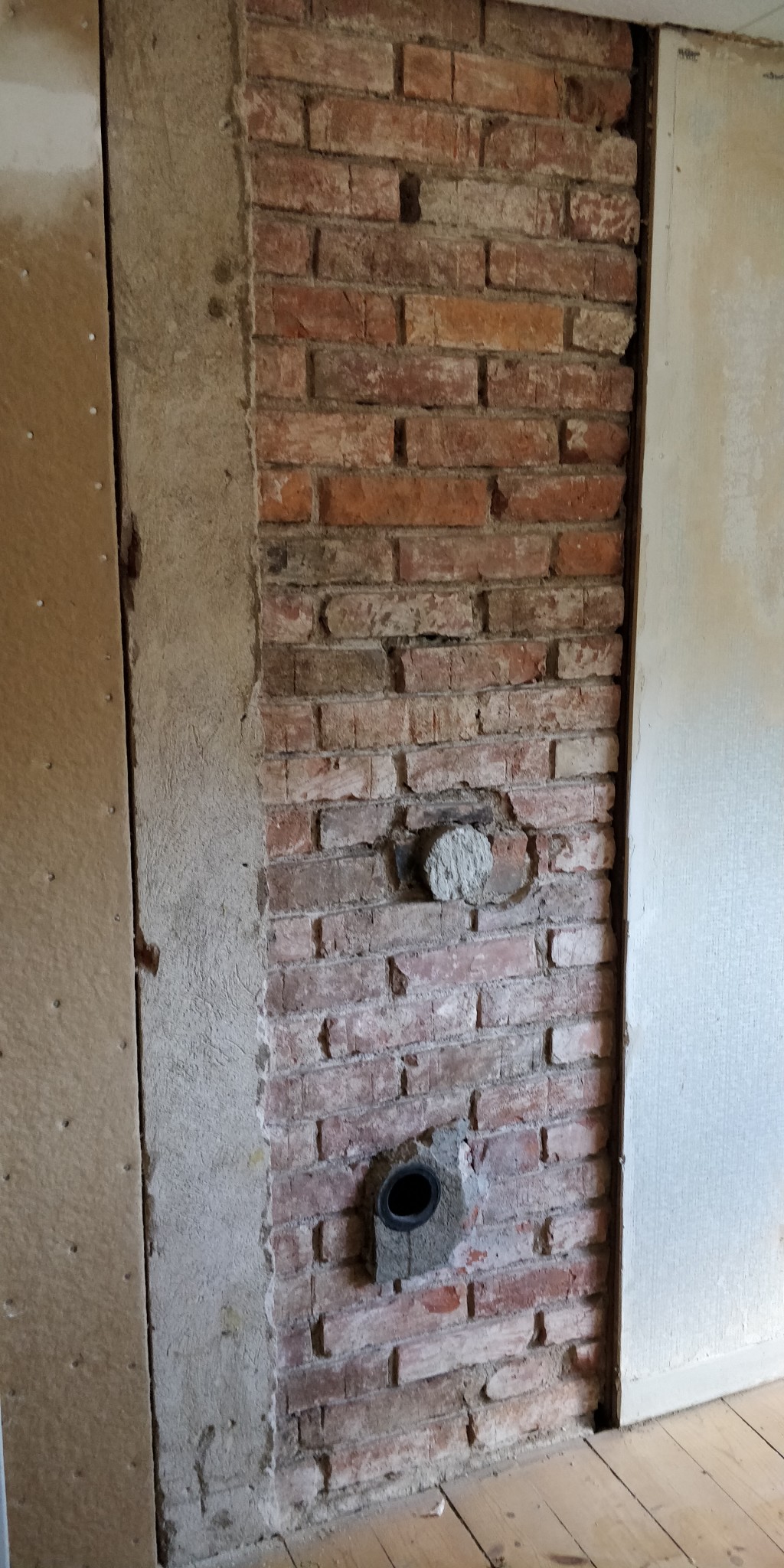
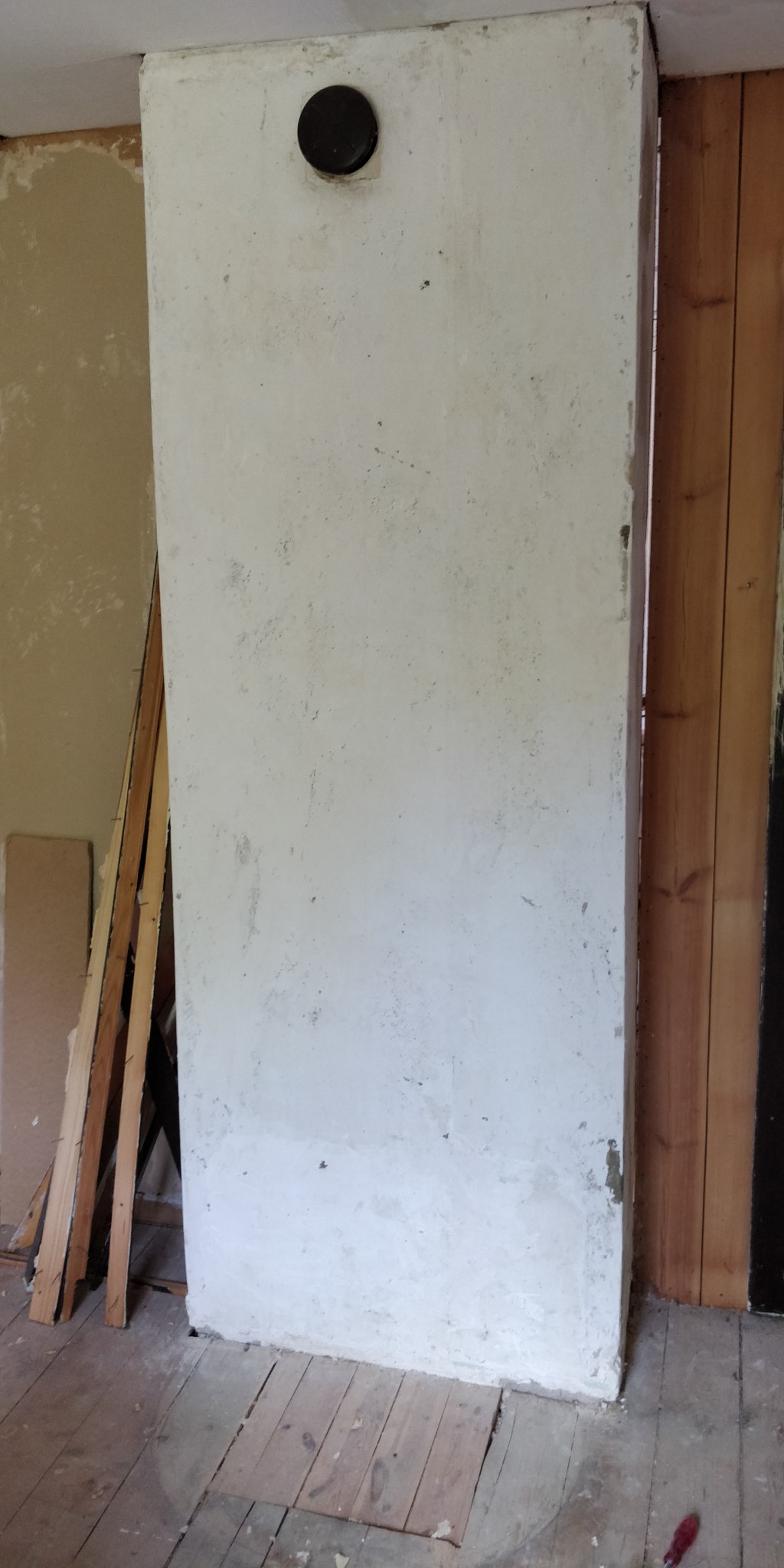
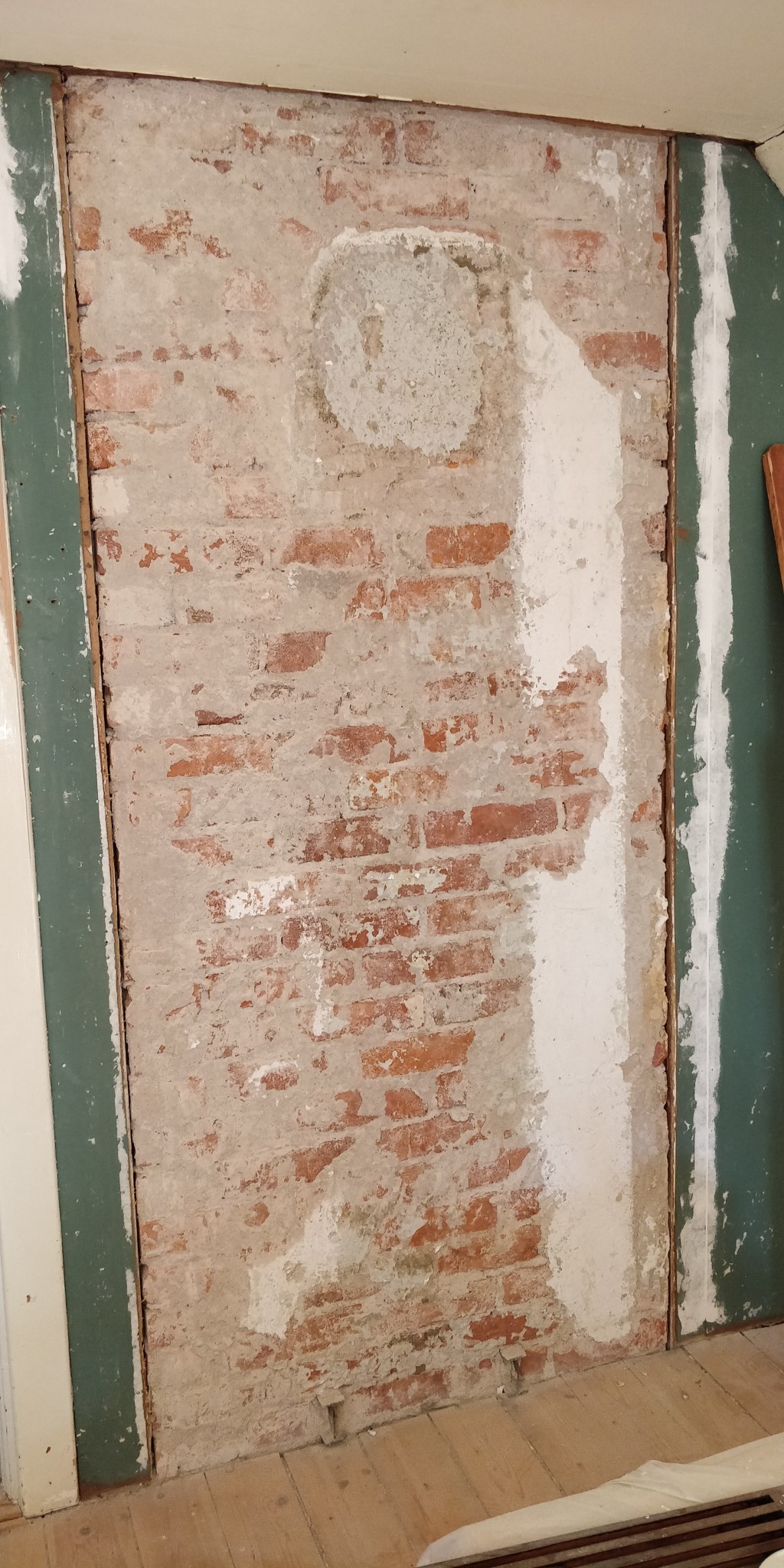
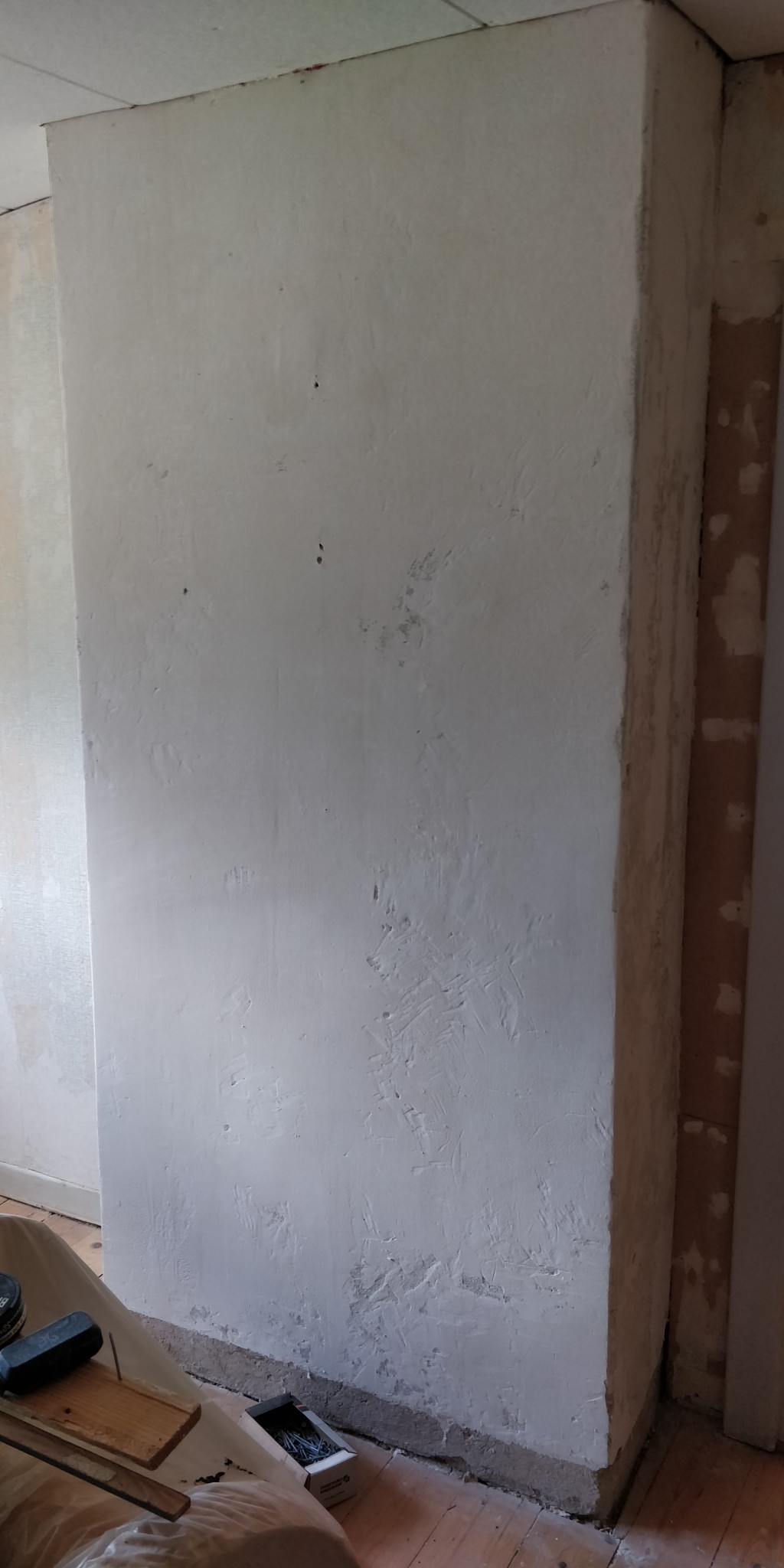
We have two exposed sides of two separate chimneys in the house and are planning to plaster them. The house was built in the 1920s.
We are considering whether to use clay mortar or lime mortar, but we don't know which is best suited.
On their backsides, there is lime mortar—which should also be improved.
Does anyone have any thoughts on this—or should we consult a mason/chimney sweep directly?
Lime mortar definitely with that year, I would say. You can use hydraulic lime mortar in a bag or lime mortar that you mix from lime paste and sand, like 1:5 volume parts.
The advantage of the latter is that it doesn't set, so you can store it under plastic for a long, long time. I've mixed lime paste from regular mortar lime E and a mixer. If you let it sit nicely for a few days/weeks under plastic, it becomes a good lime paste for mixing lime plaster. Very easy to work with, except that it is very corrosive, so dry gloves that are changed immediately upon contact are recommended. And safety goggles.
Lime mortar for sure with that year I would say. You can use hydraulic lime mortar in a bag or lime mortar that you mix from lime paste and sand, like 1:5 volume ratios.
The advantage of the latter is that it doesn't set so you can store it under plastic for a long time. I have mixed lime paste from regular murkalk E and a mixer. If you let it sit a few days/weeks under plastic it becomes a good lime paste to mix lime render with. Very easy to work with except it is very caustic so dry gloves that are changed immediately if messy is recommended. And safety goggles.
Thanks Claes! I'll look further into your tips and see where we end up.
Click here to reply
Vi vill skicka notiser för ämnen du bevakar och händelser som berör dig.


Claes Sörmland said:
Lime mortar for sure with that year I would say. You can use hydraulic lime mortar in a bag or lime mortar that you mix from lime paste and sand, like 1:5 volume ratios.