I am in the process of removing wallpaper in a room that is being prepared for the oldest daughter. The room had water damage that came from the chimney/duct from the roof due to plates that are not correctly installed at the roof and water entering during strong wind + rain. The plates will be fixed within a month. Therefore, I plan to do most of the preparatory work now, but the wallpaper will not go up until the plates are fixed.
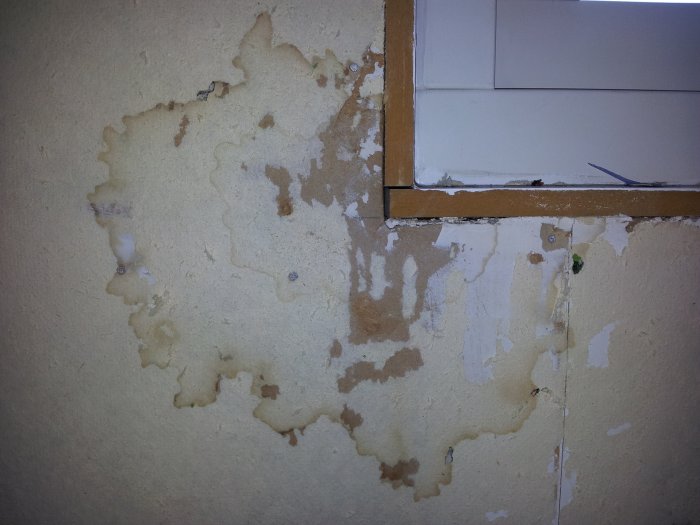
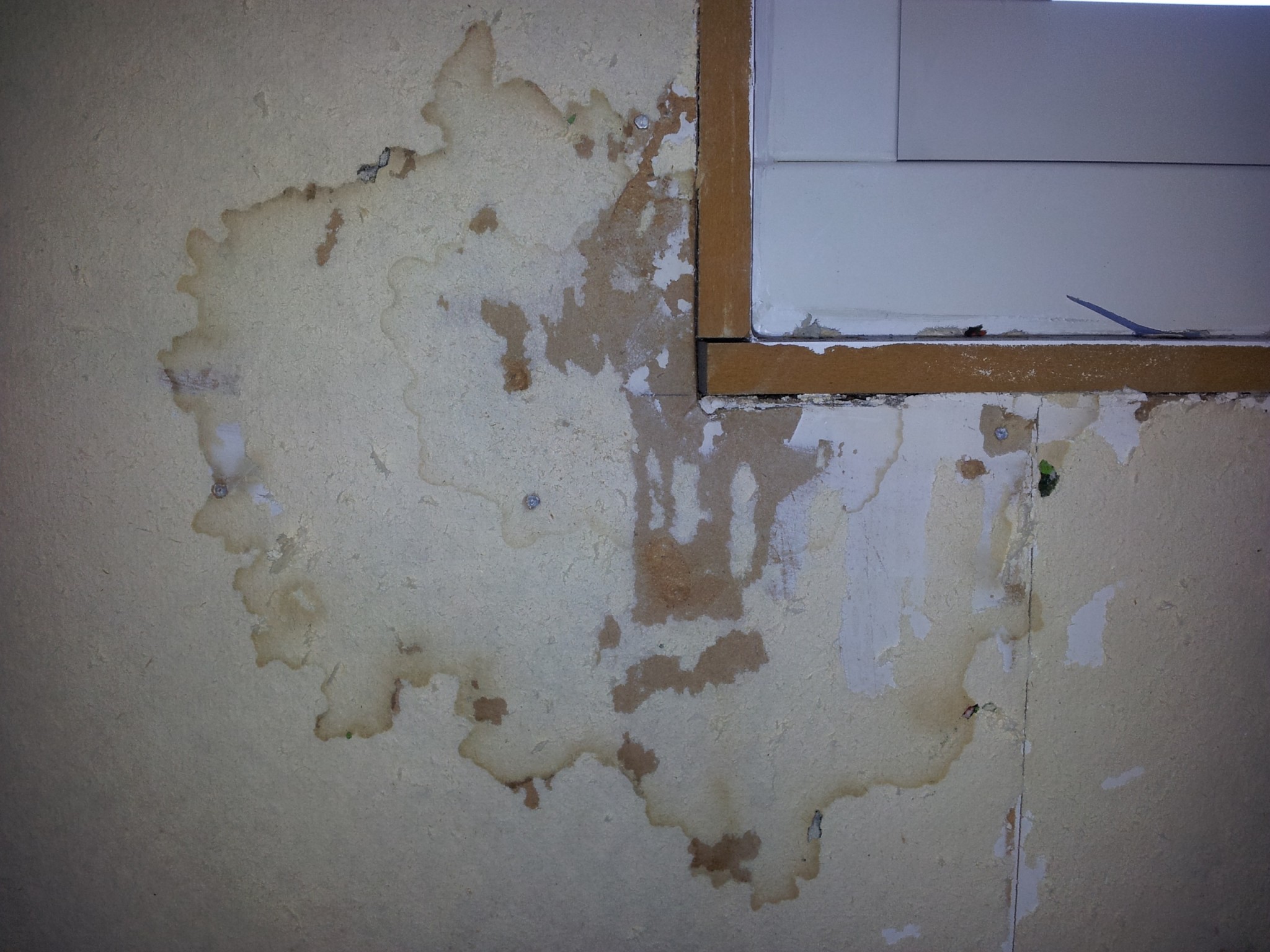
When I removed the wallpaper around the window, I noticed that there had been water damage previously. Right now, it is dry, but I do not know if it is old or new damage. You could not see anything on the wallpaper itself, only underneath.
1) What should I do? Tear off the damaged board and see what it looks like underneath, or is it okay to wallpaper over it?
2) What do you think the cause of the water damage could be? How do I find out?
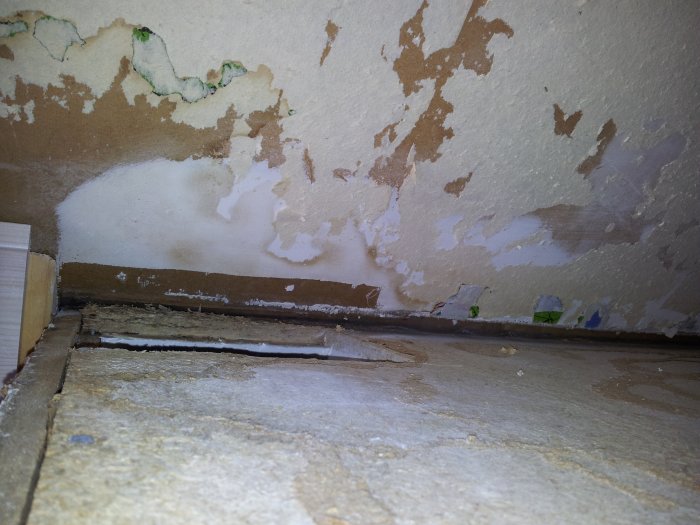
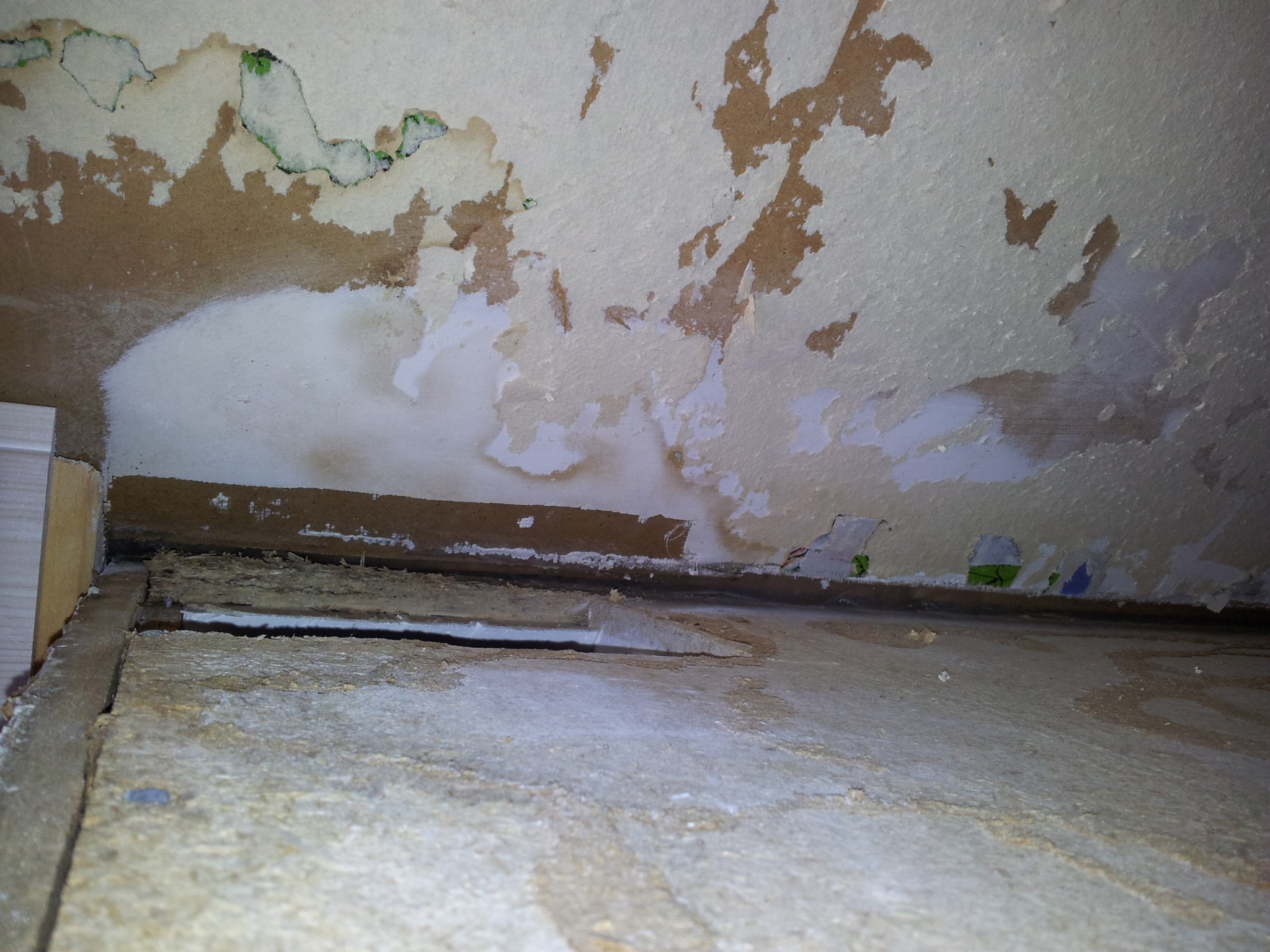
At the duct, we had a moisture technician measure, but it was dry then. However, when I removed the wallpaper, I also noticed that the slanted ceiling had sustained water damage.
3) Same situation there, what should I do? Remove the board and check what it looks like underneath or just fix the damage on the ceiling?
The picture is taken at the duct/"chimney", from the floor along the duct wall up to the ceiling). The water damage at the top of the picture is on the slanted ceiling.
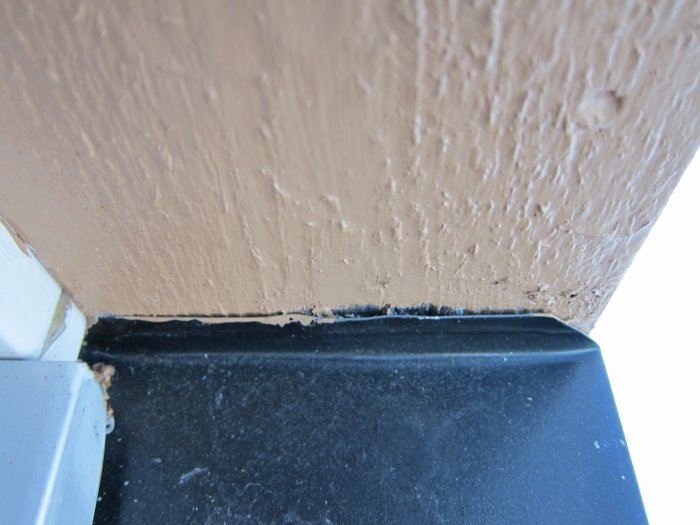
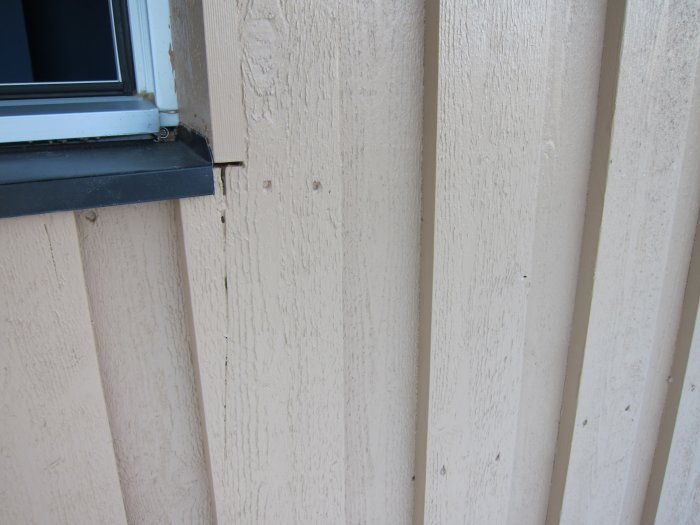
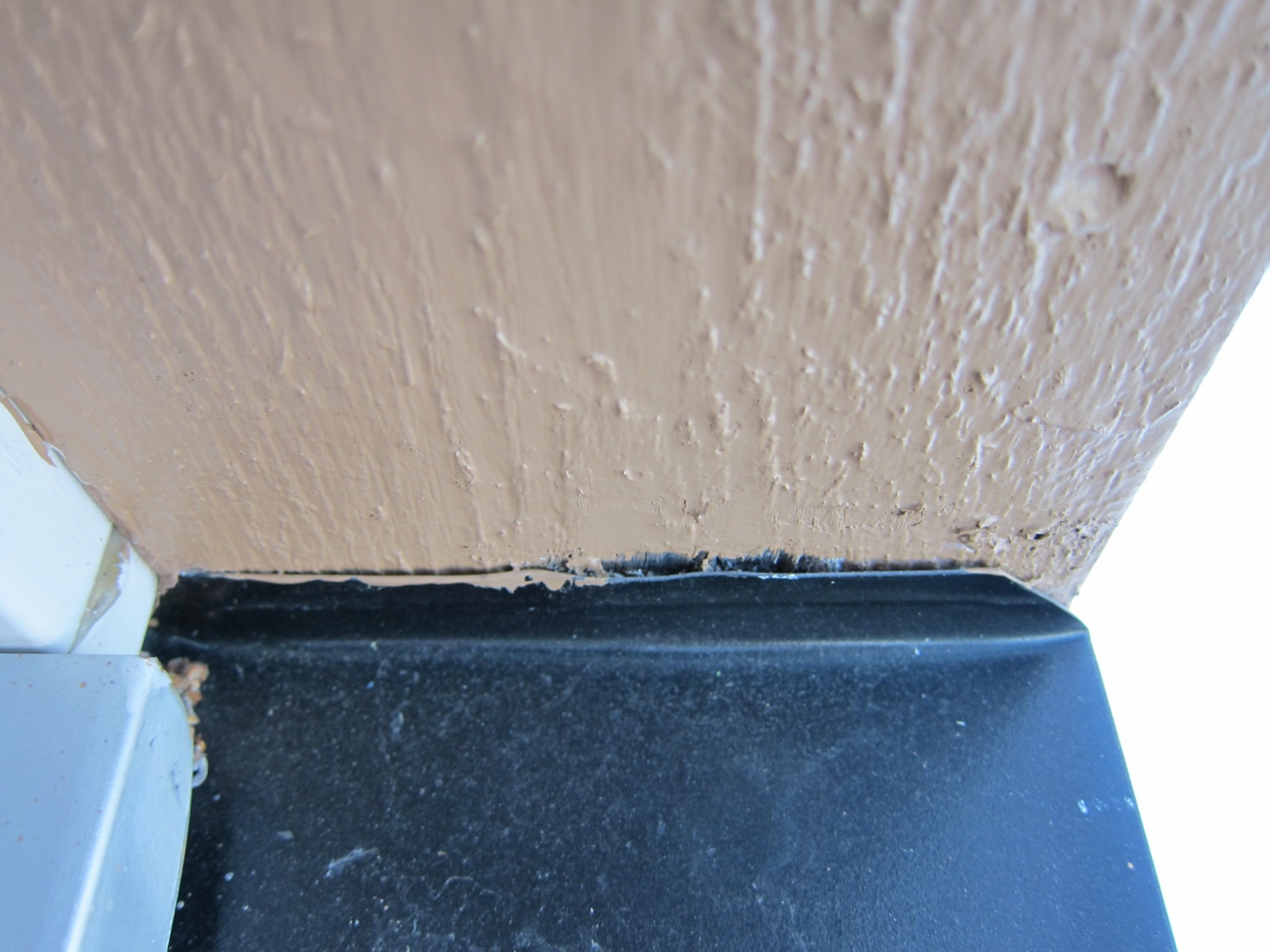
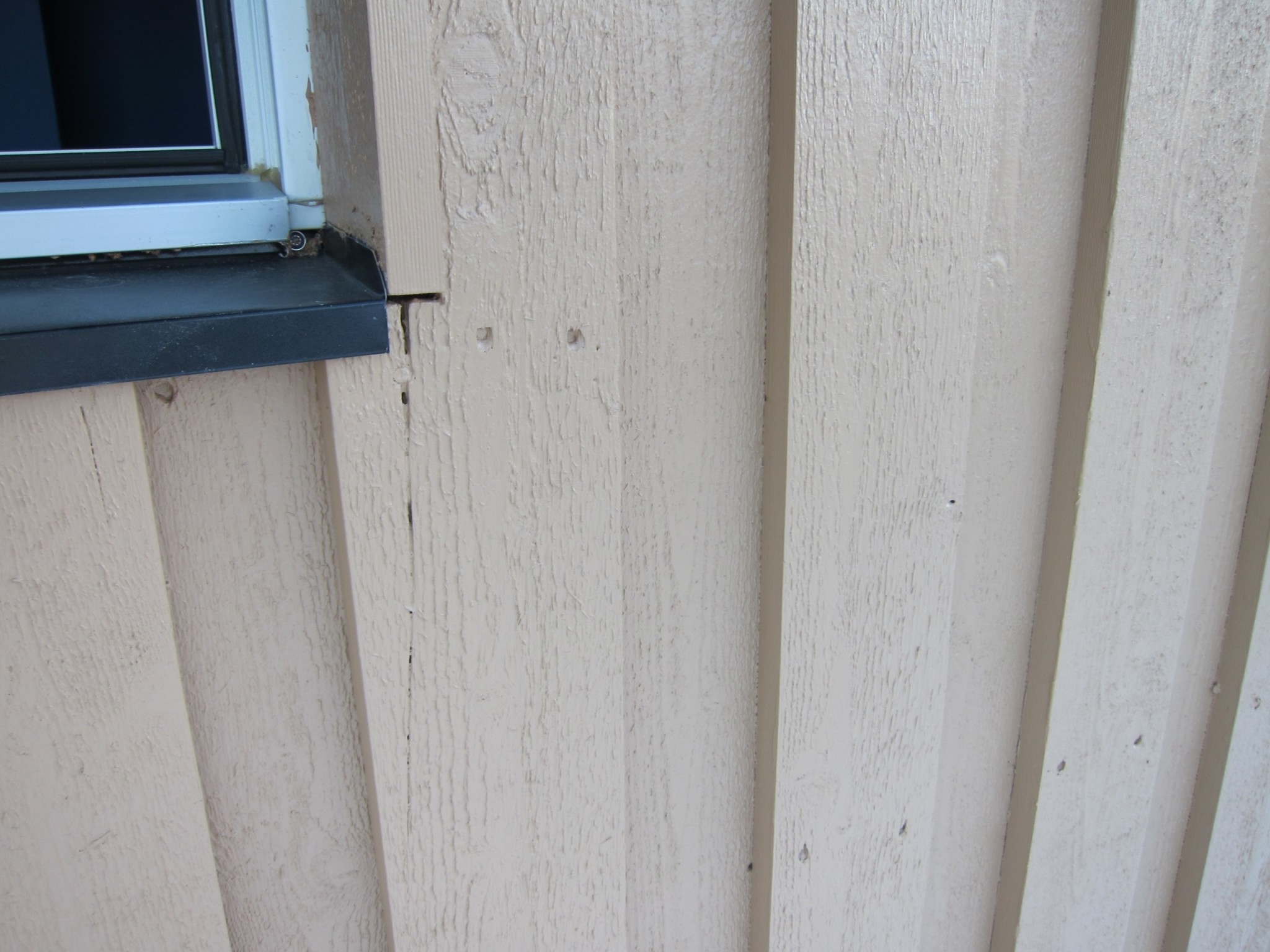
apply some barrier, shellac or some oil paint or similar on the spots before you putty so they don't come through later, otherwise, it's probably best to just leave it. it's dry now, so why tear it up unnecessarily, if it had happened now it would have been wet! instead, check the outside and see if you can find any issues there that need fixing so it doesn't happen again...
Electric cushion: Utefog was a good tip! Not so easy to figure out if you don't know what it's called, even if it's obvious in hindsight
However, I suspect the seal doesn't breathe? I'm wondering if it's the case that moisture has been trapped in the insulation as RFC writes... Maybe I should go ahead and open up the wall anyway...
Heating pad: Exterior sealant was a good tip! Not so easy to figure out if you don't know what it's called, although it's obvious in hindsight
However, I suspect that the sealant doesn't breathe? I'm wondering if it's the case that moisture has been trapped in the insulation as RFC writes... Perhaps I should go ahead and open up the wall anyway...
Make sure the moisture comes out first, open it from the outside,
If you have had wallpapers sitting without showing the moisture damage, it is old and dried out for a long time. Block it according to what mångstekta wrote. Also use exterior joint sealing as per Elkludde.
Well, there's battens behind it so it probably ventilates anyway, even if you seal that little gap... option 2 is to use a wider sheet and place the casing board on the outside of the sheet and 2cm up in case you're for some strange reason hesitant to seal it... it's definitely dry behind it anyway... the wallpaper would have fallen off by itself otherwise, besides it can dry inward, you're not blocking the whole wall but just that spot so it can dry as much as it wants on the rest of the wall... don't make this any more complicated than you have to is my advice!
Click here to reply
Vi vill skicka notiser för ämnen du bevakar och händelser som berör dig.