
Hello!
We are planning to take down the wall between the kitchen and the living room and are unsure whether it is load-bearing or not. We had a carpenter on-site who concluded with a maybe and would investigate further. Do you have any opinion on the matter? Should I contact a structural engineer? Is there a digital solution where you can send drawings, or does it always require a site visit? We have carpenters who can help us with support if needed, but it would be nice to avoid it.
Thanks for the help!
We are planning to take down the wall between the kitchen and the living room and are unsure whether it is load-bearing or not. We had a carpenter on-site who concluded with a maybe and would investigate further. Do you have any opinion on the matter? Should I contact a structural engineer? Is there a digital solution where you can send drawings, or does it always require a site visit? We have carpenters who can help us with support if needed, but it would be nice to avoid it.
Thanks for the help!
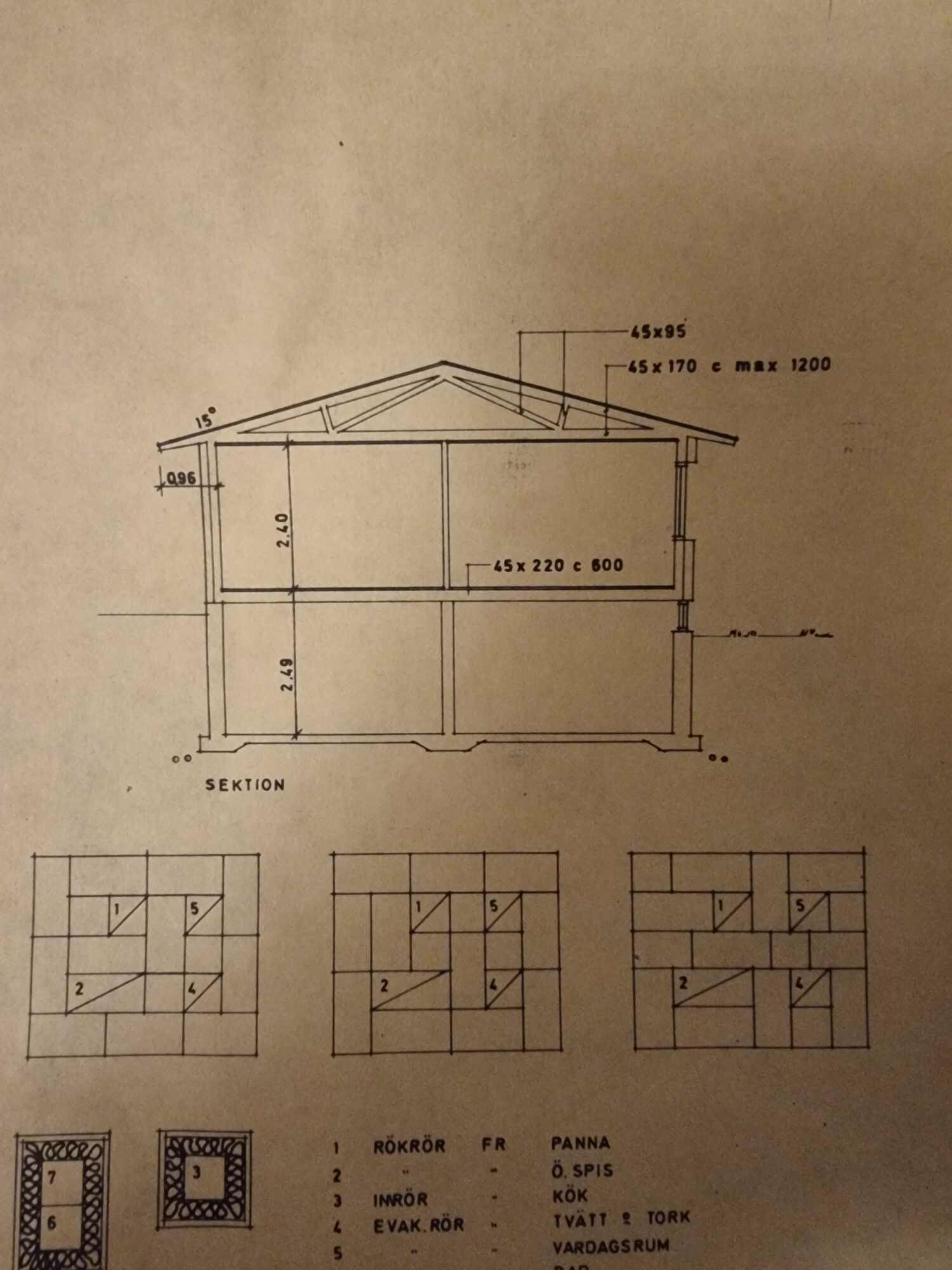
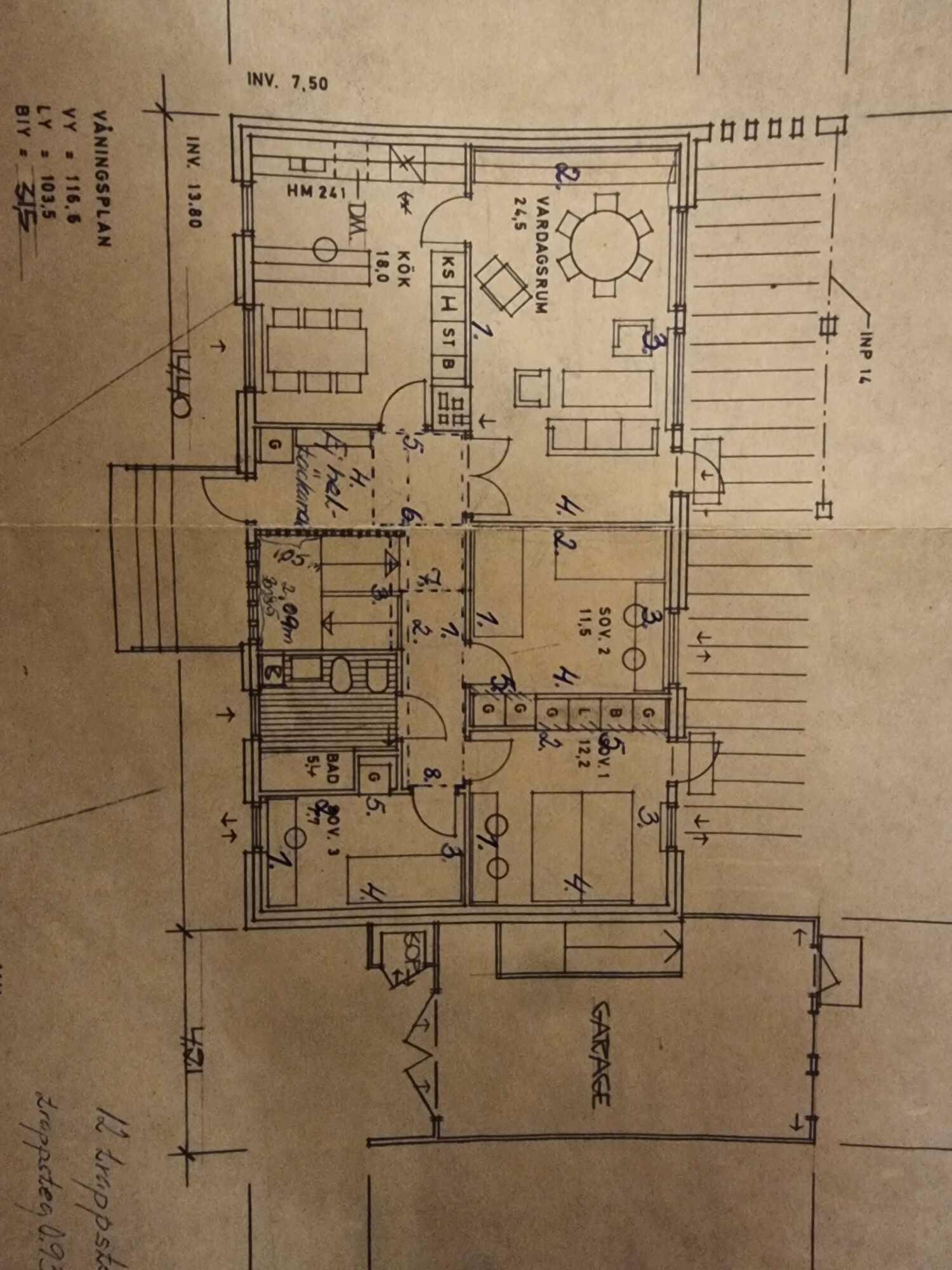
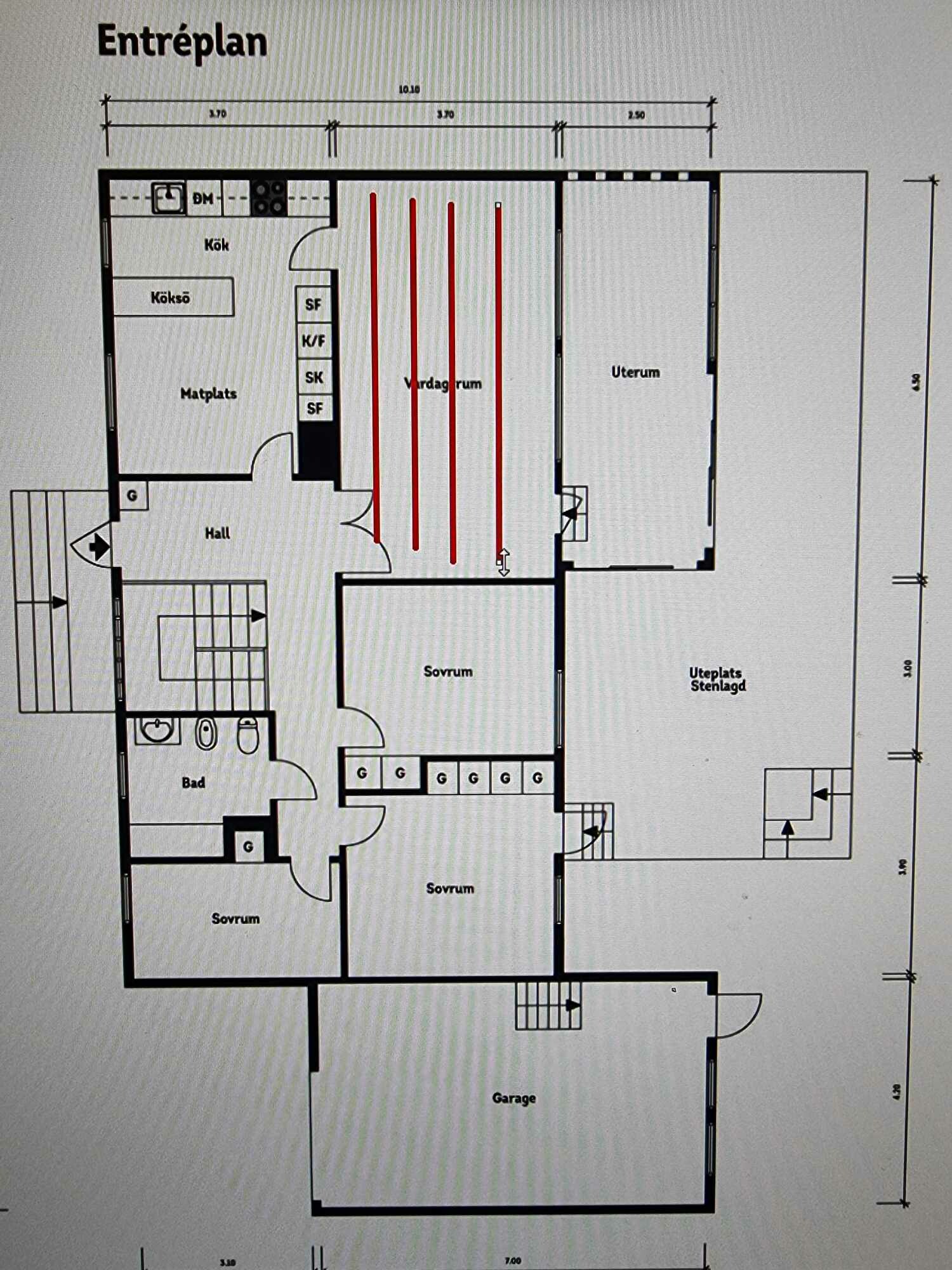
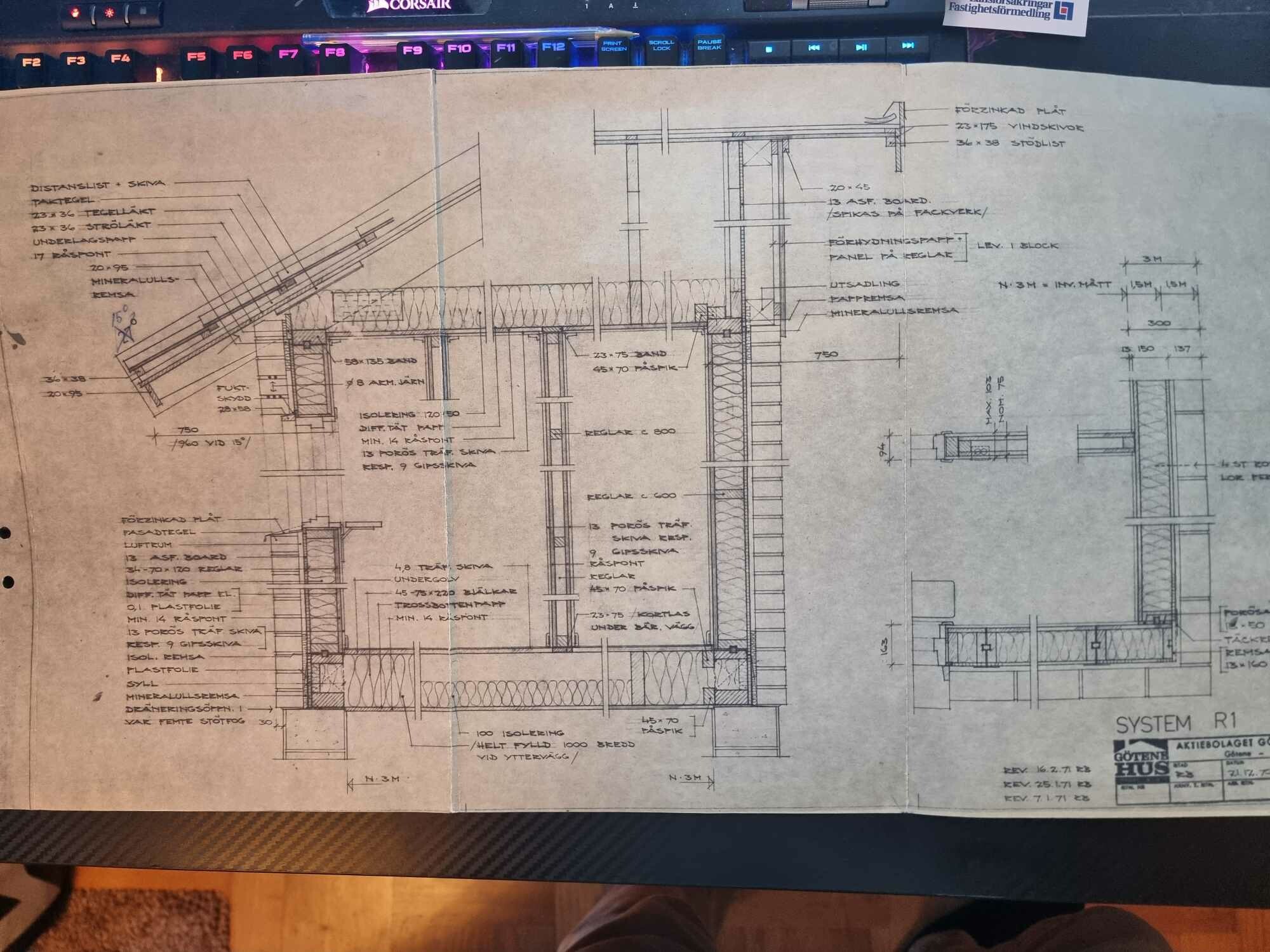


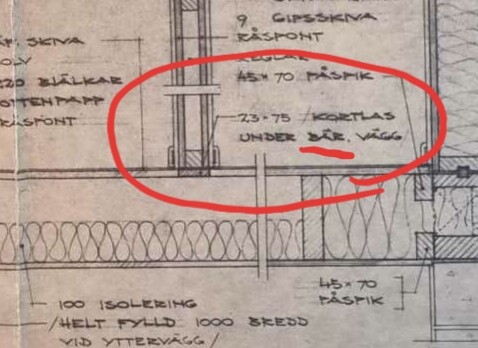
Yes, it is load-bearing - this is mainly evident from the fact that the slab is reinforced underneath it. Hire a structural engineer.
Structural engineers often want to see it on-site, especially in older houses and if drawings are missing. But simpler measures can sometimes be handled remotely.
It's a bit difficult to see in the pictures, how large do you expect the opening to be?
Structural engineers often want to see it on-site, especially in older houses and if drawings are missing. But simpler measures can sometimes be handled remotely.
It's a bit difficult to see in the pictures, how large do you expect the opening to be?
That's not true for everyone, at least not in the walk-out basement house we have.Violina said:
Apologies for the low resolution, but the width of the house itself is about 8 m (between the outer walls on which the roof trusses rest). We have been able to remove the middle wall on the upper floor without any problem.
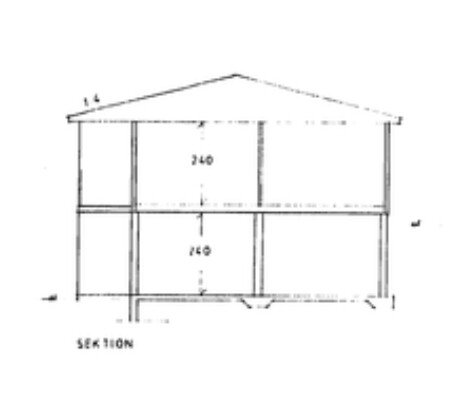
One way to get a hint is to feel if the studs in the wall are tight or easy to loosen. If they sit loosely without any pressure from the roof trusses, then it is likely not a problem to remove them. But if they are tight, it may very well be that they are load-bearing. Note that I am referring to the upper floor, the one on the lower level is definitely load-bearing.
And who calculated that?Walle85 said:
Not true for everyone, at least not in the suterränghus we have.
Apologies for the low resolution, but the width of the house itself is about 8 m (between the exterior walls that the roof trusses rest on). We have been able to remove the central wall on the upper floor without any problem.
[image]
One way to get a hint is to feel if the studs in the wall are tight or easy to loosen. If they are loose without any pressure from the roof trusses, then it's likely not a problem to remove them. But if they are tight, it could very well be that they are load-bearing. Note that I am referring to the upper floor, the one on the lower floor is definitely load-bearing.
What snow load did you have on the roof when you checked if the studs were "loose"?
Thanks! Good and very logical tip.Doesn't apply to everyone, at least not in the split-level house we have.
Excuse the low resolution, but the width of the house itself is about 8 m (between the outer walls that the roof trusses rest on). We have been able to remove the middle wall on the upper floor without any problems.
[image]
One way to get a hint is to feel if the studs in the wall are clamped or are easy to loosen. If they sit loosely without any pressure from the roof trusses, then it's likely not a problem to remove them. But if they are clamped, it could very well be that they are load-bearing. Note that I'm referring to the upper floor, the one on the lower floor is guaranteed to be load-bearing.
Oh, I just realized I mistook the basement for the entrance floor. Disregard my post.
The trusses suggest that it is not a load-bearing wall, but their span is long, so it should be checked. It is primarily the snow load that is troublesome. You cannot determine this by seeing if the saw binds when cutting into them.
Is there a drawing of the trusses?
The trusses suggest that it is not a load-bearing wall, but their span is long, so it should be checked. It is primarily the snow load that is troublesome. You cannot determine this by seeing if the saw binds when cutting into them.
Is there a drawing of the trusses?
Nothing I calculated, conversations with the previous owner and neighbors with similar houses. Then a bit of common sense and the knowledge that it was 70s original wall modules with spliced joists at several points in height and their thickness (or lack thereof). I sleep peacefully anyway 😉


It's only logical if you check for pressure when there's a maximum amount of wet snow on the roof.C cola88 said:
Another thing to consider is that during one decade (the 80s?), many roofs collapsed in a snowy winter because the snow zone map was incorrect, which had led to a lot of truss roofs being under-dimensioned.
Click here to reply
Similar threads
-
Load-bearing basement interior wall in poor condition
Building Materials and Construction Technology -
Is the firewall load-bearing?
Building Materials and Construction Technology -
Bärande vägg i lägenhetshus?
Utbyggnad och tillbyggnad -
Bärande vägg. Riva eller öppna upp
Planlösningar -
Är någon vägg bärande?
Planlösningar