

Self-builder
· Stockholm
· 8 227 posts
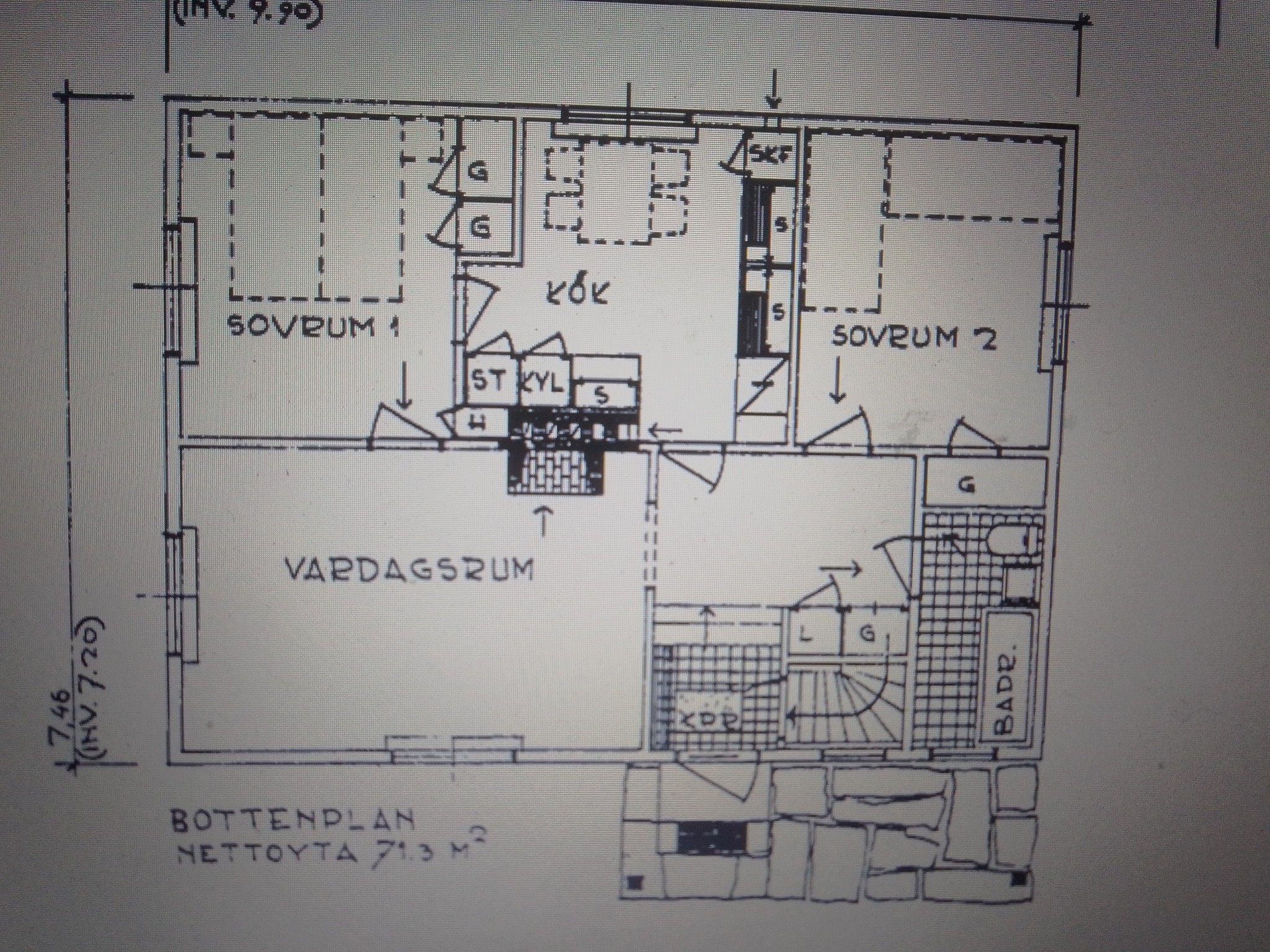
It was a bit unclear in the picture and drawing which wall it concerns?Sommarstuga 2017 said:
But in a house with a reasonable width and W trusses, the outer walls are usually the load-bearing ones. There could be a load-bearing wall in some cases though.
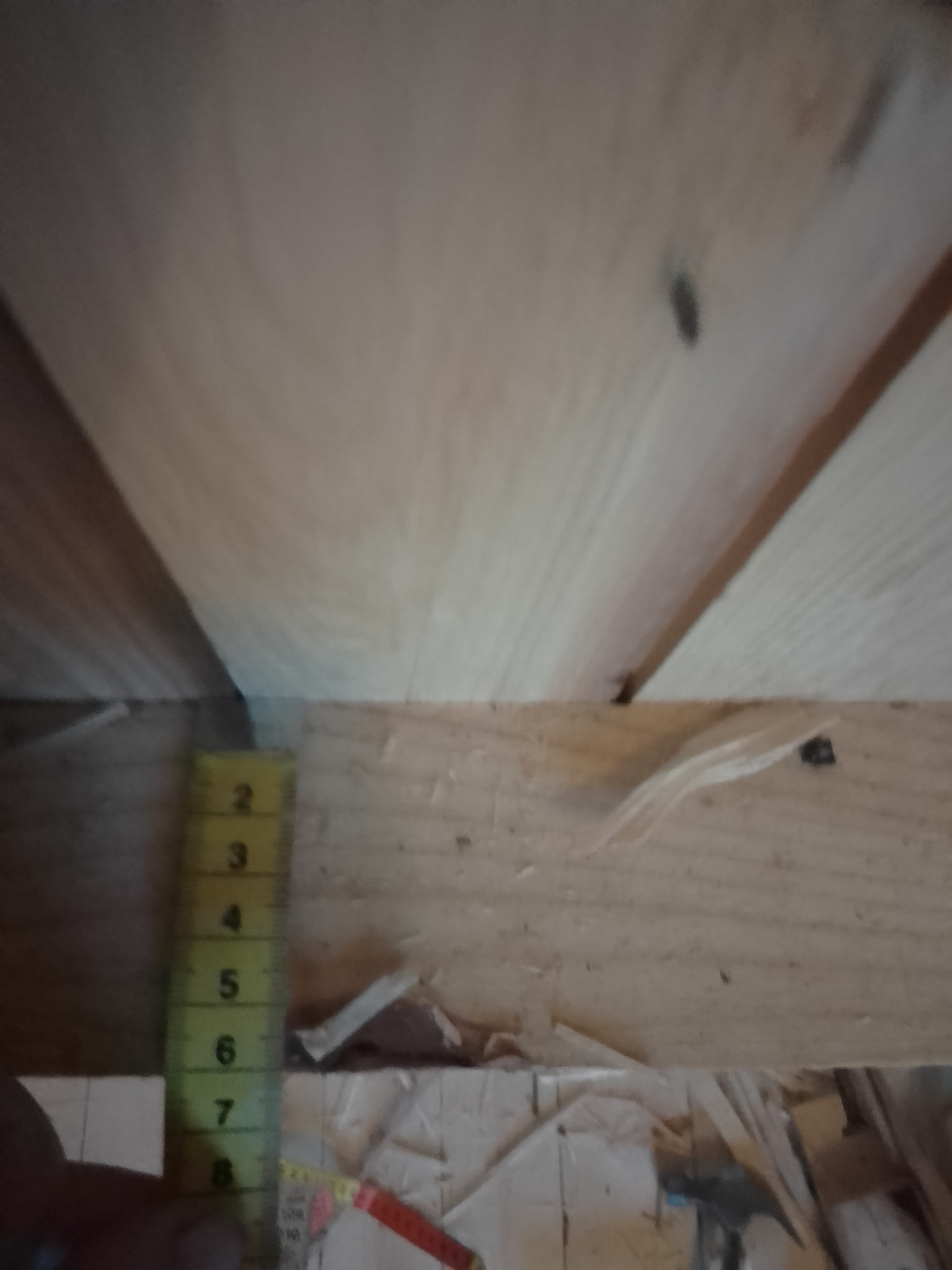
60mm isn't that big for studs, 95x45 is common. Or do you mean it's 95x60mm?
Hi, it's the wall behind the closets in the left bedroom.It was a bit unclear in the picture and drawing which wall it concerns?
But in a house with reasonable width and W trusses, it is usually the outer walls that are load-bearing. There can be a hjrätväg in some cases, though.
60mm are not very large studs, 95x45 is the usual. or do you mean it's 95x60mm?
I've also read that it's usually outer walls and possibly then a hjärtvägg that are load-bearing.
No, it's 60 wide, that is the largest dimension of the stud.
Self-builder
· Stockholm
· 8 227 posts
It doesn't seem likely that the wall would be load-bearing. Partly because it runs along with the roof trusses and partly because it's only 60mm studs.

Probably not load-bearing but I wouldn't take a chance.
If you can access the roof trusses, I would take dimensions of the truss and the type of truss and call an engineer or similar or Google it. Getting that info is probably almost free and takes no time at all.
Then you can definitely let go of any worries about taking a chance.
I did so when I had a similar project.
all the best
Tomas
If you can access the roof trusses, I would take dimensions of the truss and the type of truss and call an engineer or similar or Google it. Getting that info is probably almost free and takes no time at all.
Then you can definitely let go of any worries about taking a chance.
I did so when I had a similar project.
all the best
Tomas

Hi! Do you mean I should look at the truss to read about it?T tomas123 said:Probably not load-bearing but wouldn't take a risk.
If you can access the trusses, I would take measurements of the truss and its type and call a structural engineer or something similar, or even Google it. Getting that info is probably nearly free and takes no time at all.
Then you can definitely let go of any worry about taking a chance.
I did so when I had a similar project.
all the best
Tomas
 , maybe I need to contact a structural engineer to be on the safe side
I took a picture as well as the measurements of the upper and lower frame and the struts. The total length you seem to have on the drawing as well as the roof angle. Then I think those who can can determine what the load-bearing capacity is. Snow zone they can probably figure out too. They can certainly at least determine whether the wall you are wondering about is load-bearing or not. Tomas



Exactly, they are not truss rafters and you have a load-bearing heart wall.
I'm not an expert when it comes to plank walls, but as I understand it, the planks themselves are an important part of the wall construction.
I'm not an expert when it comes to plank walls, but as I understand it, the planks themselves are an important part of the wall construction.

The drawing you attached here shows that the walls between the kitchen and bedroom are not load-bearing.
Click here to reply
Similar threads
-
Can you tell if the wall is load-bearing?
Building Materials and Construction Technology -
Beam for load-bearing wall?
Building Materials and Construction Technology -
Bärande vägg? W-takstolar
Planlösningar -
Load-bearing walls in 70s house
Building Materials and Construction Technology -
Är det bärande väggar i min kattvind?
Lösvirke & Timmerhus