
2,047 views ·
6 replies
2k views
6 replies
load-bearing wall in newly bought house?

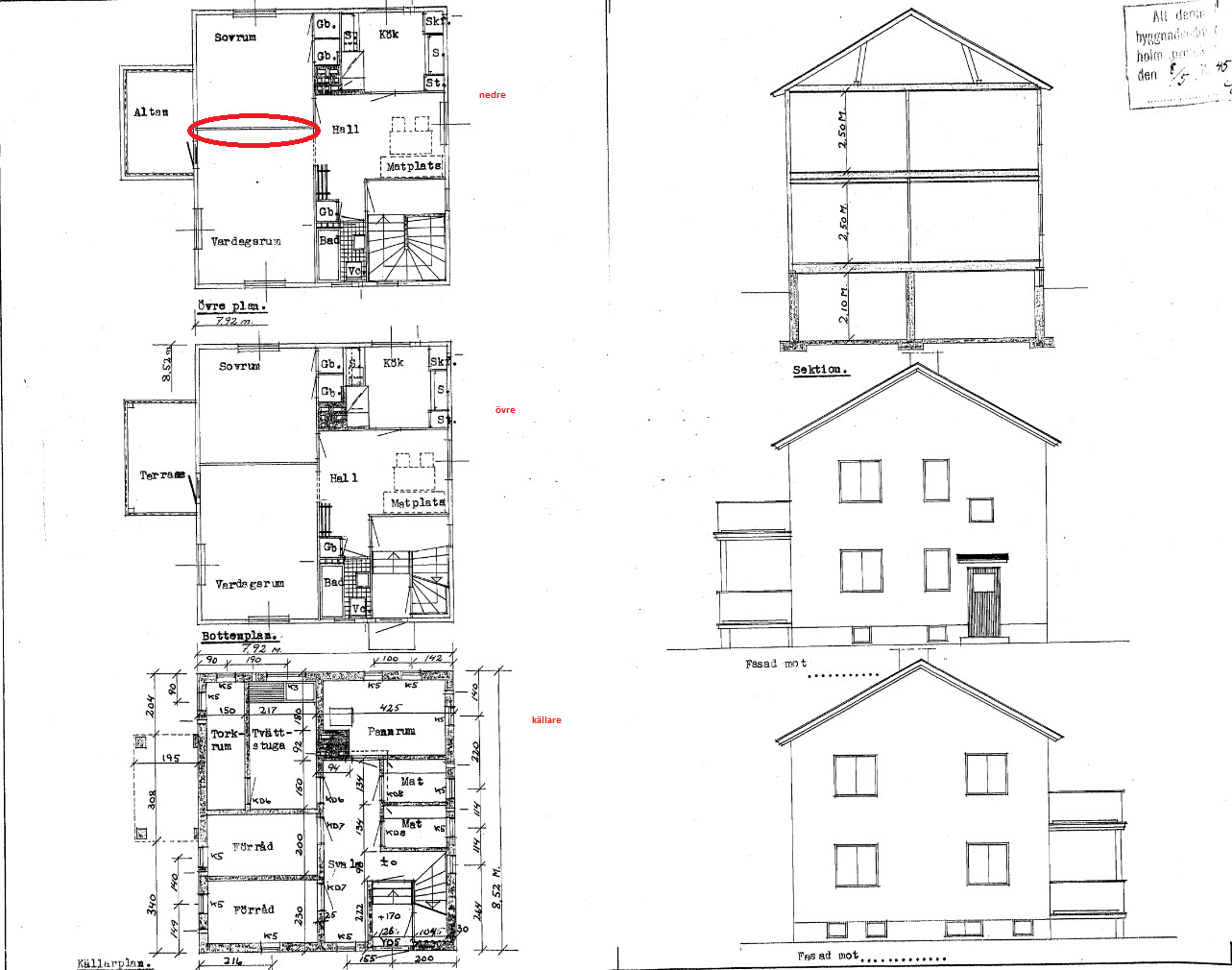
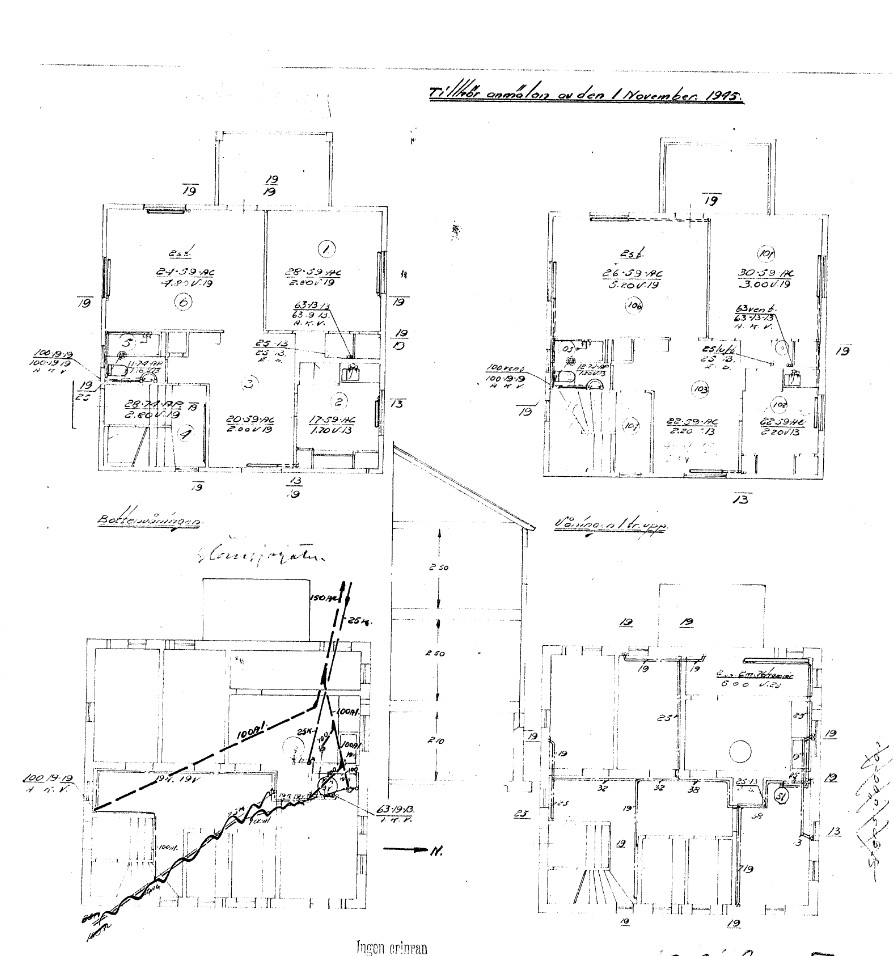
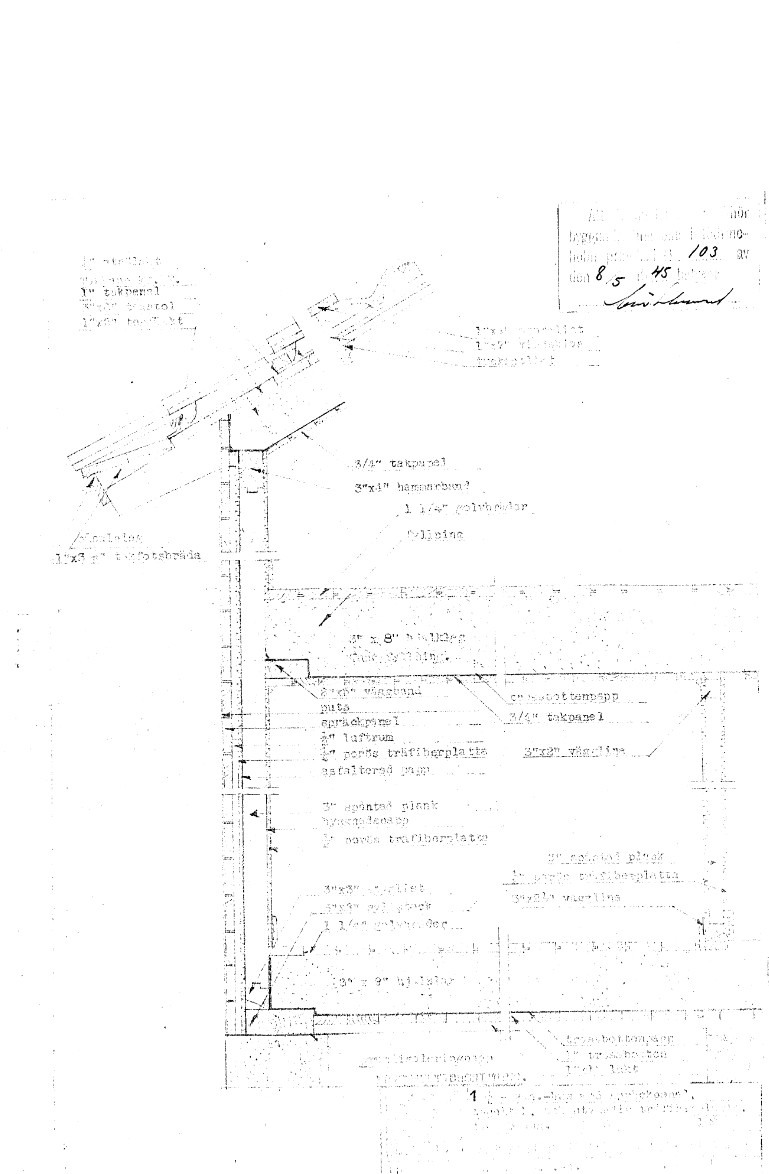
Acquired a house and planning renovations before moving in. My question is whether the red-circled wall is load-bearing in any way. Built in '46. I've received some original plans from the municipality; there is now also a basement staircase from the outside, and the house has been additionally insulated and bricked.
Is any more information needed?
Is any more information needed?
Best answer

The trusses run in the same direction as the wall and support on the center wall and outer walls to carry the roof, and in that case, it is not load-bearing. As can be seen, there is a center wall running straight through the house to support all the beams.
Thank you for the quick response! That was my suspicion after studying the forum about load-bearing walls for a few days while waiting for the drawings.J jonaserik said:
Just keep in mind that there might be issues with electricity if you tear down that wall. Normally, electricity comes from above to switches and wall outlets + junction boxes in the wall. And to make it work with electricity, you might need a beam where any junction box can be placed. It's not just about tearing down a wall.
Absolutely. The plan is to completely rewire the house in stages, of course with the help of electricians since a lot of the electrical work is of the older type with some DIY fixes here and there. New outlets/connectors/ethernet. Might as well take the opportunity if the walls are going to be re-plastered, etc.J jonaserik said:Just keep in mind that it can be problematic with electricity if you tear down that wall. Normally, electricity comes from above to switches and wall sockets + boxes in the wall. And to get it together with electricity, you might need a beam that a box can sit in. It's not just about tearing down a wall.
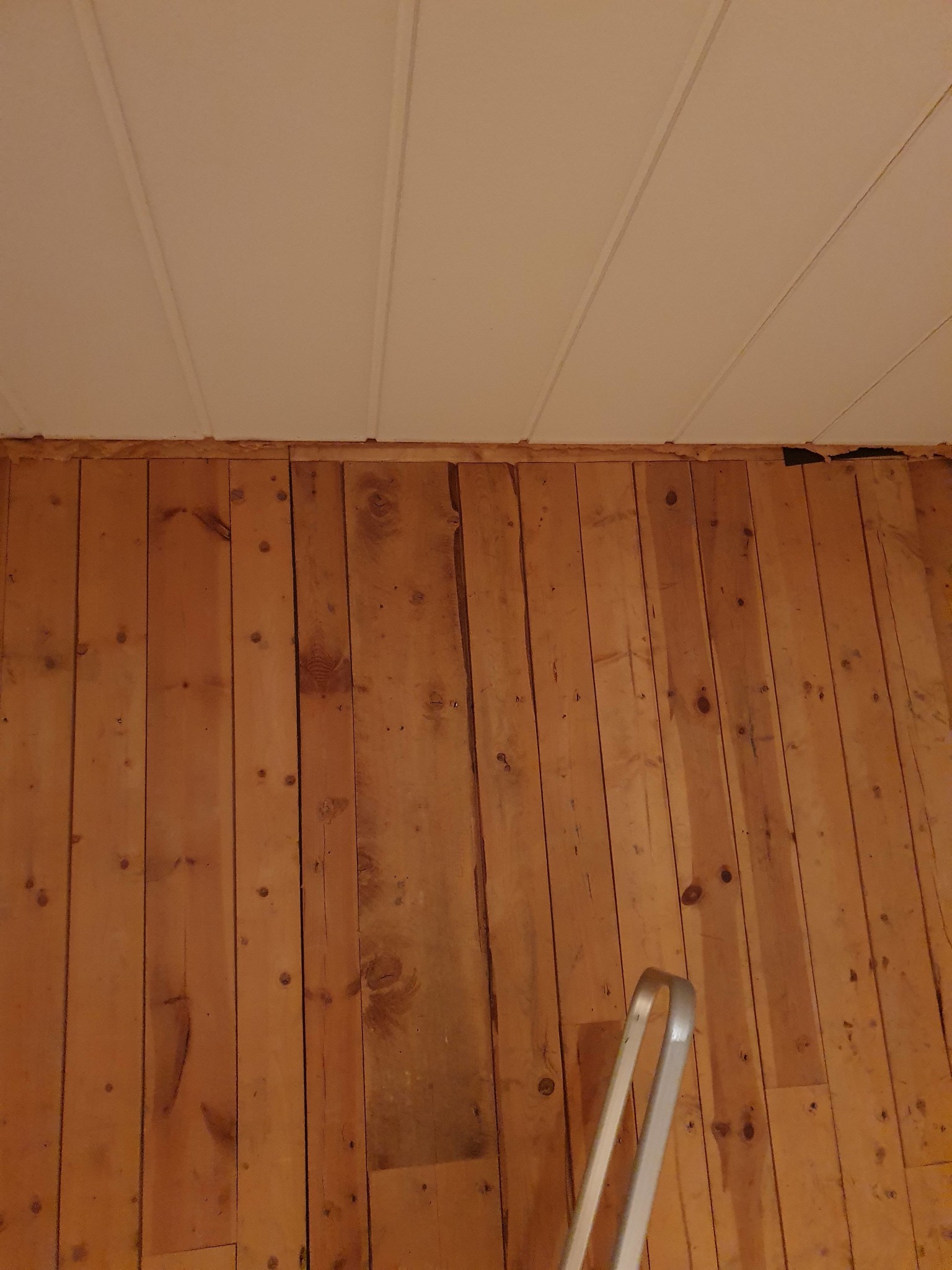
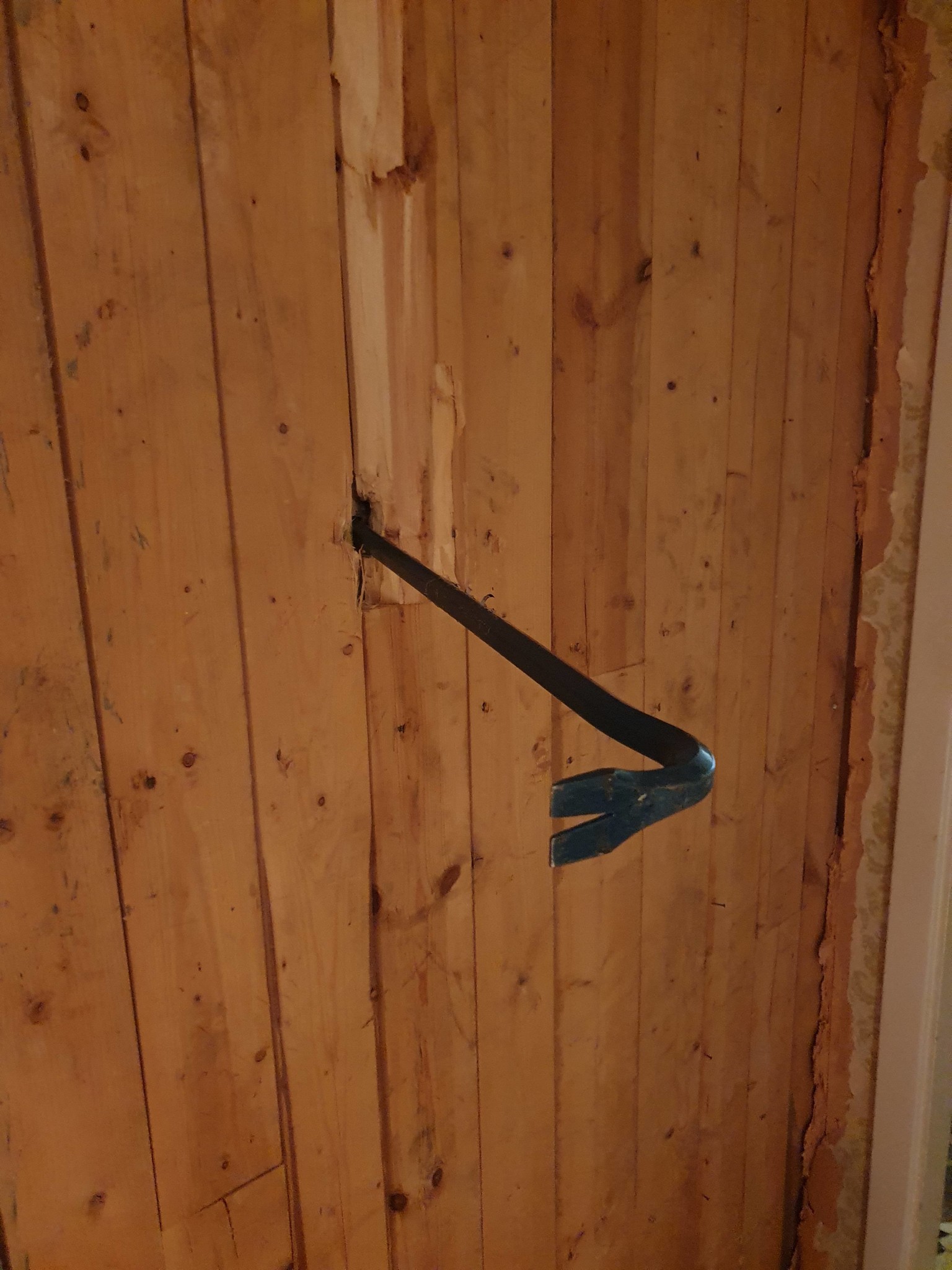
Still non-load-bearing? Stripped down the mentioned wall now, seems to consist of thicker planks in 2 layers, haven't been able to see any studs whatsoever yet, made a hole straight through, not many cm thick. The whole wall sways if you yank it with the crowbar.
Everything still points to non-load-bearing for me, but I thought I'd double-check anyway.
Everything still points to non-load-bearing for me, but I thought I'd double-check anyway.

Click here to reply
Similar threads
-
Rev en icke bärande vägg, ska nu sälja huset.
Utbyggnad och tillbyggnad -
Can you tell if the wall is load-bearing?
Building Materials and Construction Technology -
Beam for load-bearing wall?
Building Materials and Construction Technology -
Bärande vägg? W-takstolar
Planlösningar -
Load-bearing walls in 70s house
Building Materials and Construction Technology