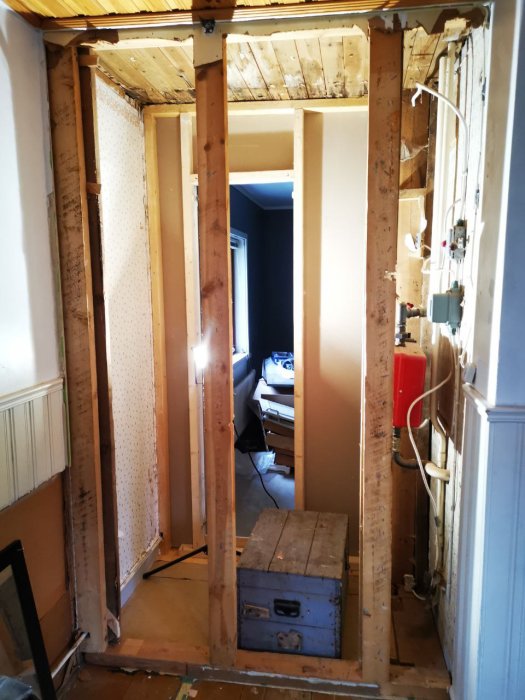
Opened up a wall in the kitchen down to the studs and want to remove them as well. I've decided that this wall is not load-bearing, but I'm wondering if any of you see any indications that it might be? I understand it's difficult to answer without a construction drawing (which I don't have) but those of you with more experience definitely see things I don't.
Here's what I'm thinking:
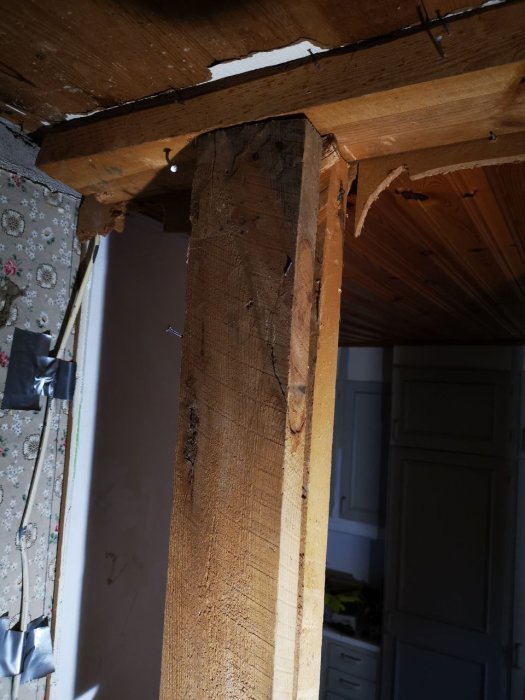
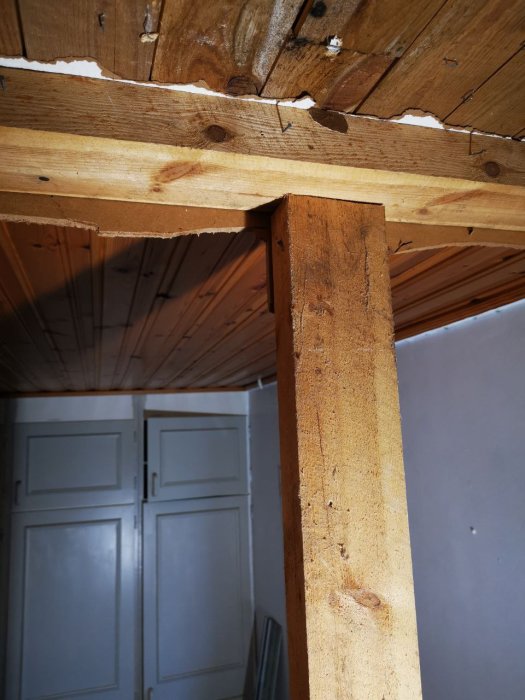
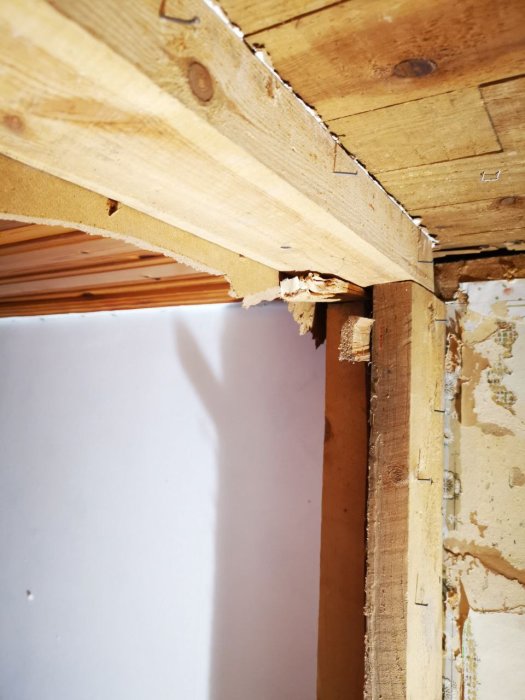
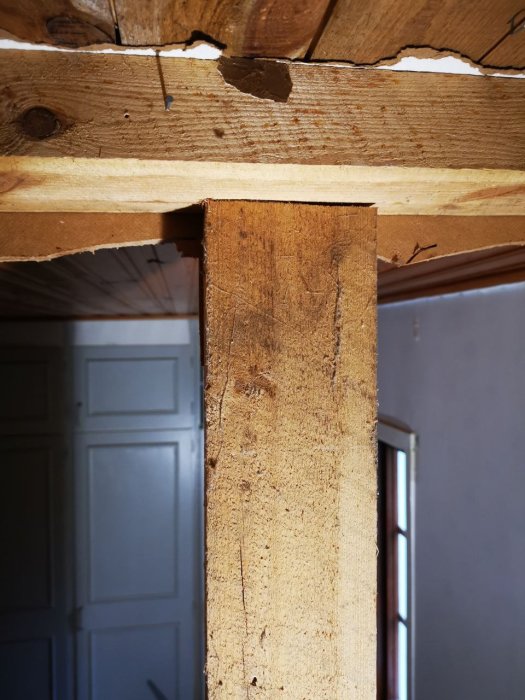
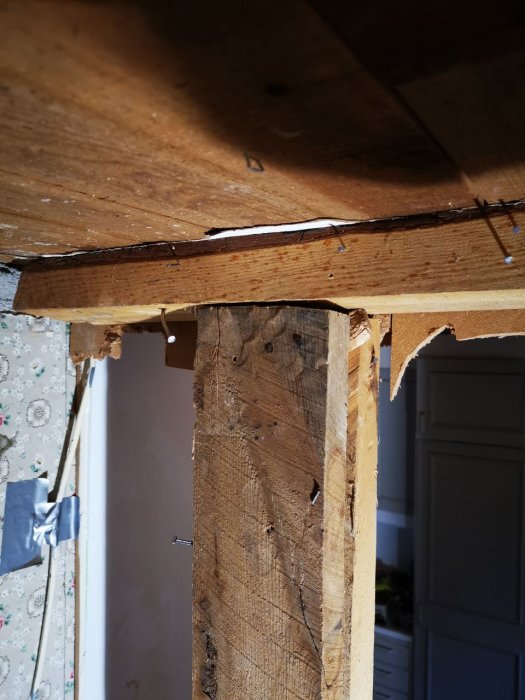
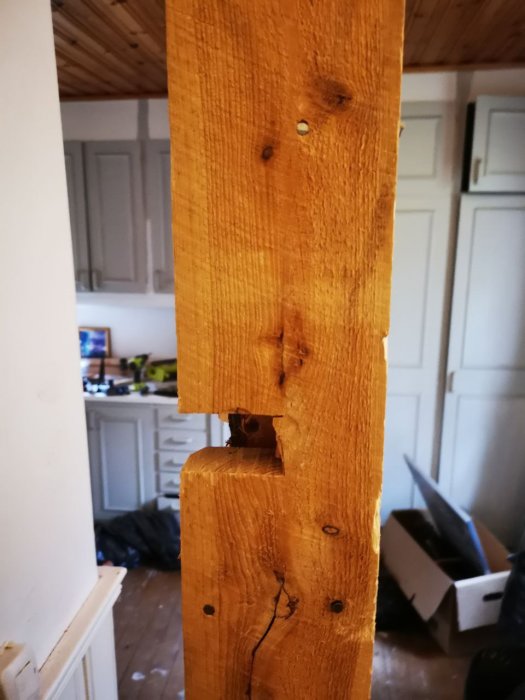
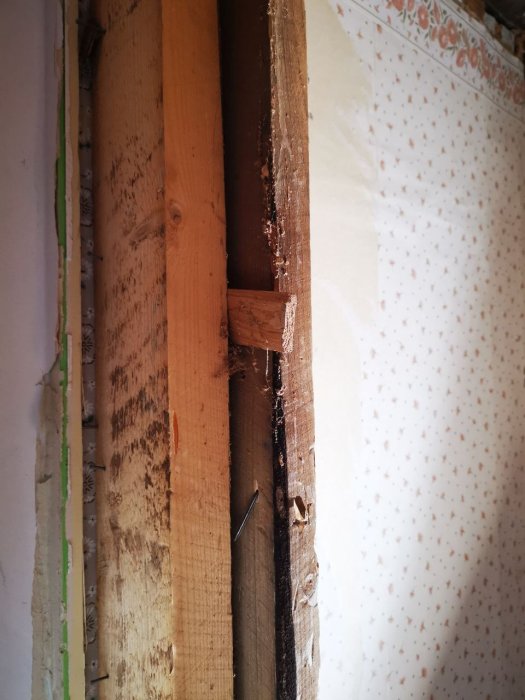
Gaps between the studs and the top plate should indicate that there is no load on the studs except from the top plate.
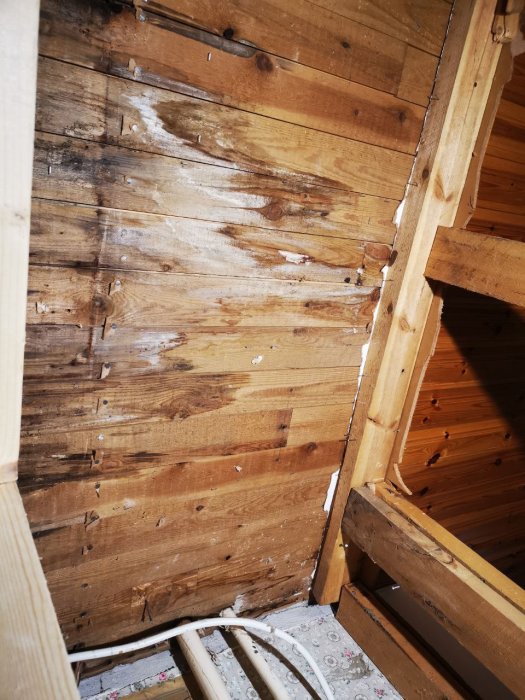
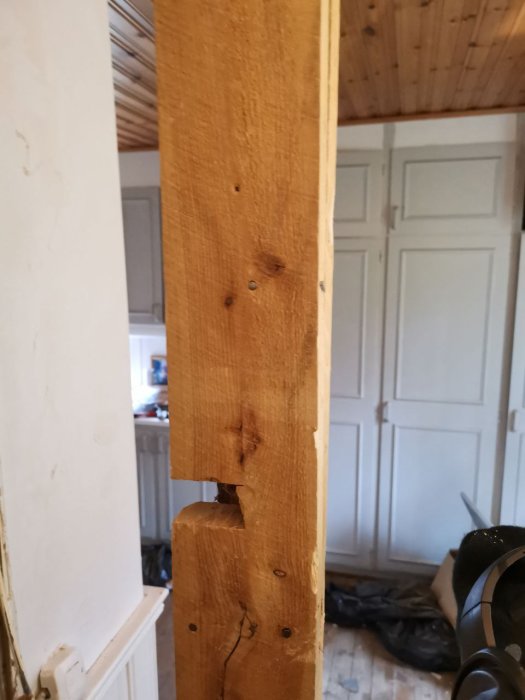
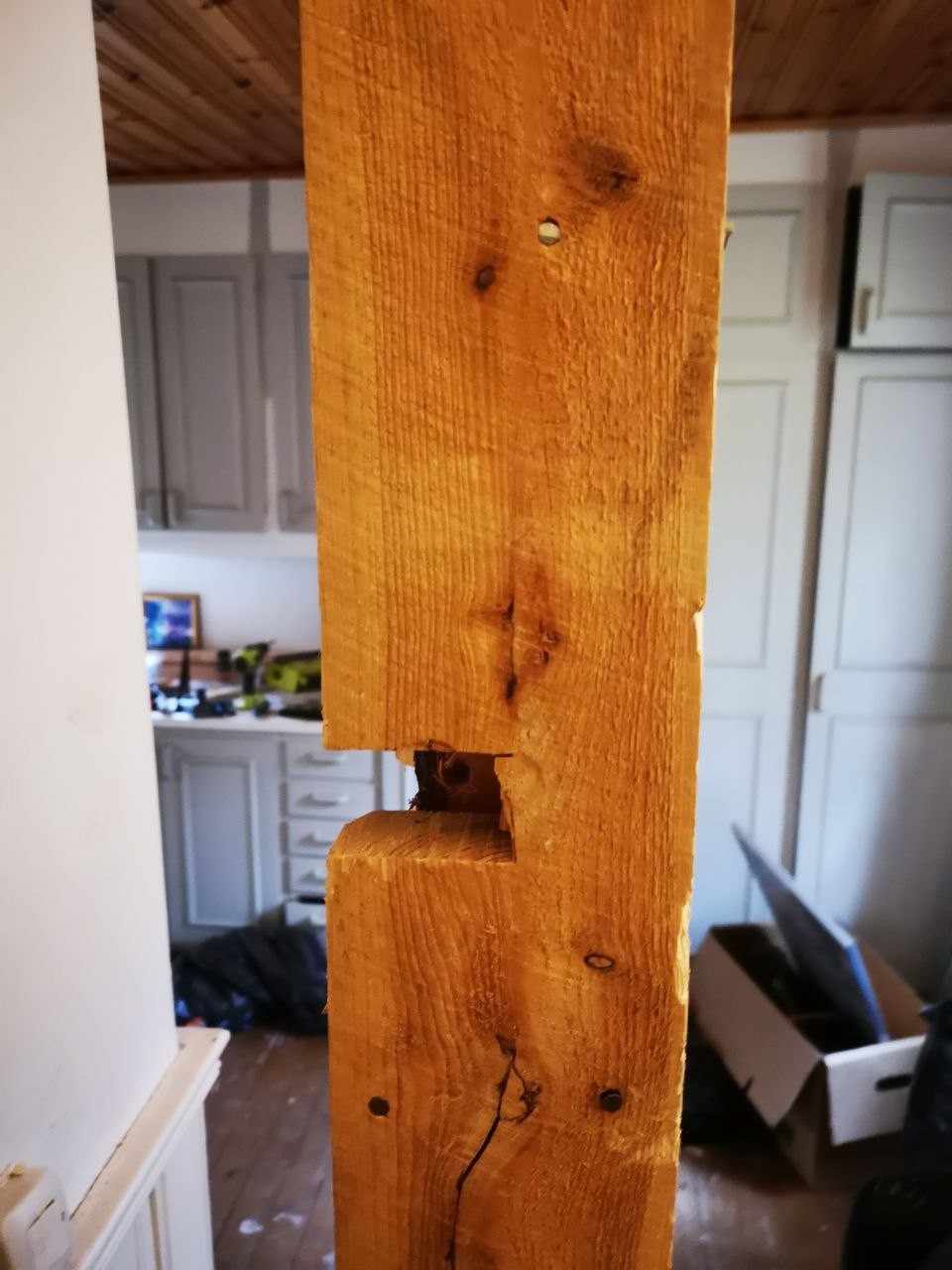
Fairly large grooves have been routed into one of the studs to run a cable to a thermostat that was mounted on the wall.
Different ages of the studs, which indicates that it has been built on over time.
What do you think?
Not much suggests that it is load-bearing, but blueprints are much better than photos when assessing that! You need to be able to see the whole picture. Walls are part of the building's load-bearing system. I avoid judging whether they are load-bearing or not based on their appearance.
Not much suggests that it is load-bearing, but drawings are much better than photos when assessing this! You need to see the whole picture. Walls are part of the building's structural system. I avoid judging if they are load-bearing or not based on how they look.
Sounds wise. I'm not there right now to draw it to scale, but would the floor plan help somewhat? The wall in the picture is circled in the floor plan. If a more scaled drawing is needed, I'll get back to it The house is 1.5 stories with a gable roof from left to right and walls made of blåbetong. The entire living room is an extension, so it doesn't affect the original part of the house.
The bathroom has been expanded to the left, and the carpenter mentioned that wall was load-bearing, so they reinforced it with a glulam beam when it was moved.
Another realtor's drawing (sigh)! The circled wall can reasonably not be load-bearing, but it's impossible to understand the structural system based on the "drawing." If you want to know which walls are truly load-bearing, more information is required. One of the most important details is always the year of construction.
Click here to reply
Vi vill skicka notiser för ämnen du bevakar och händelser som berör dig.





 The house is 1.5 stories with a gable roof from left to right and walls made of blåbetong. The entire living room is an extension, so it doesn't affect the original part of the house.