2,272 views ·
17 replies
2k views
17 replies
Is this a support leg?
Hello!
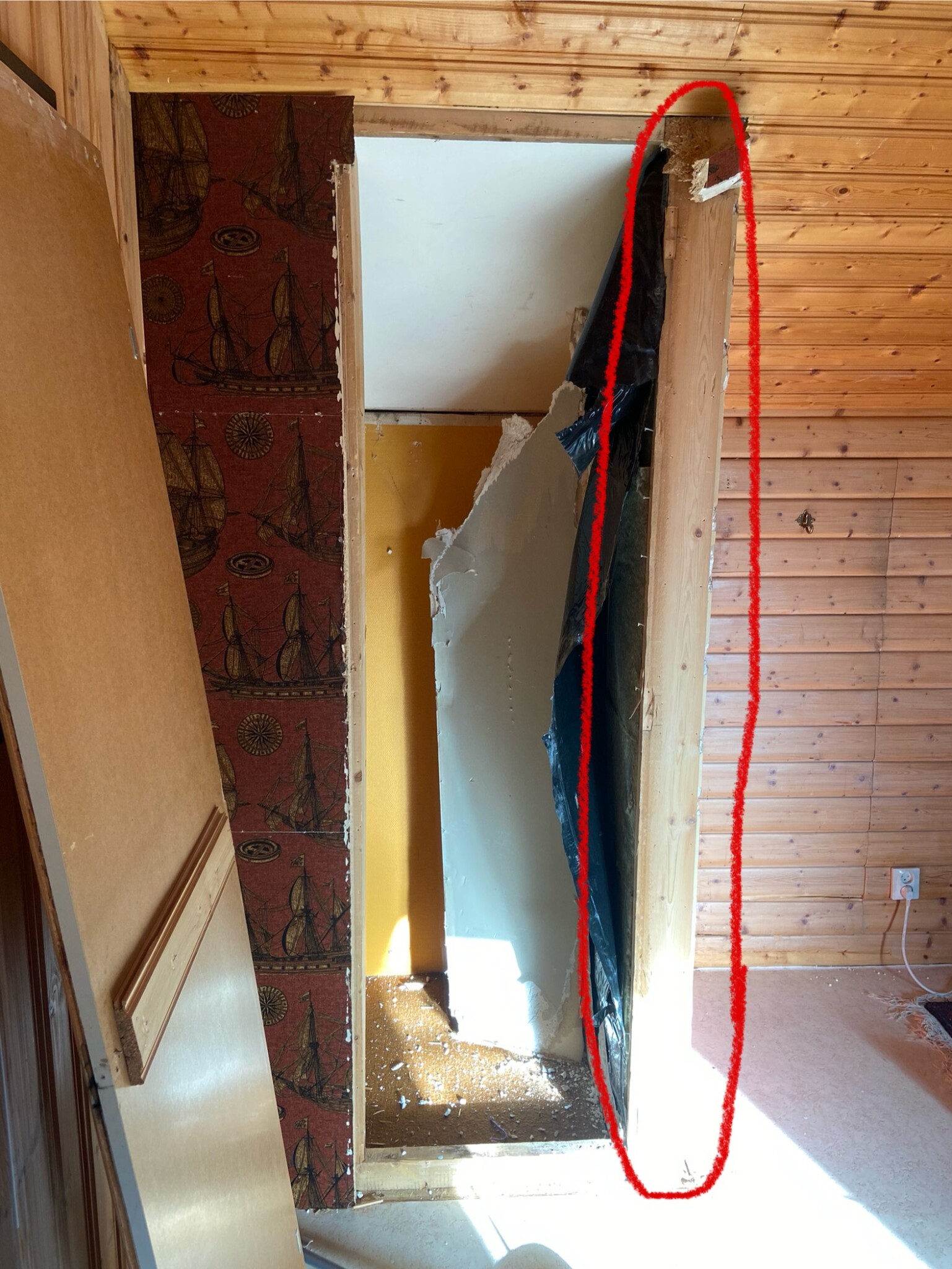
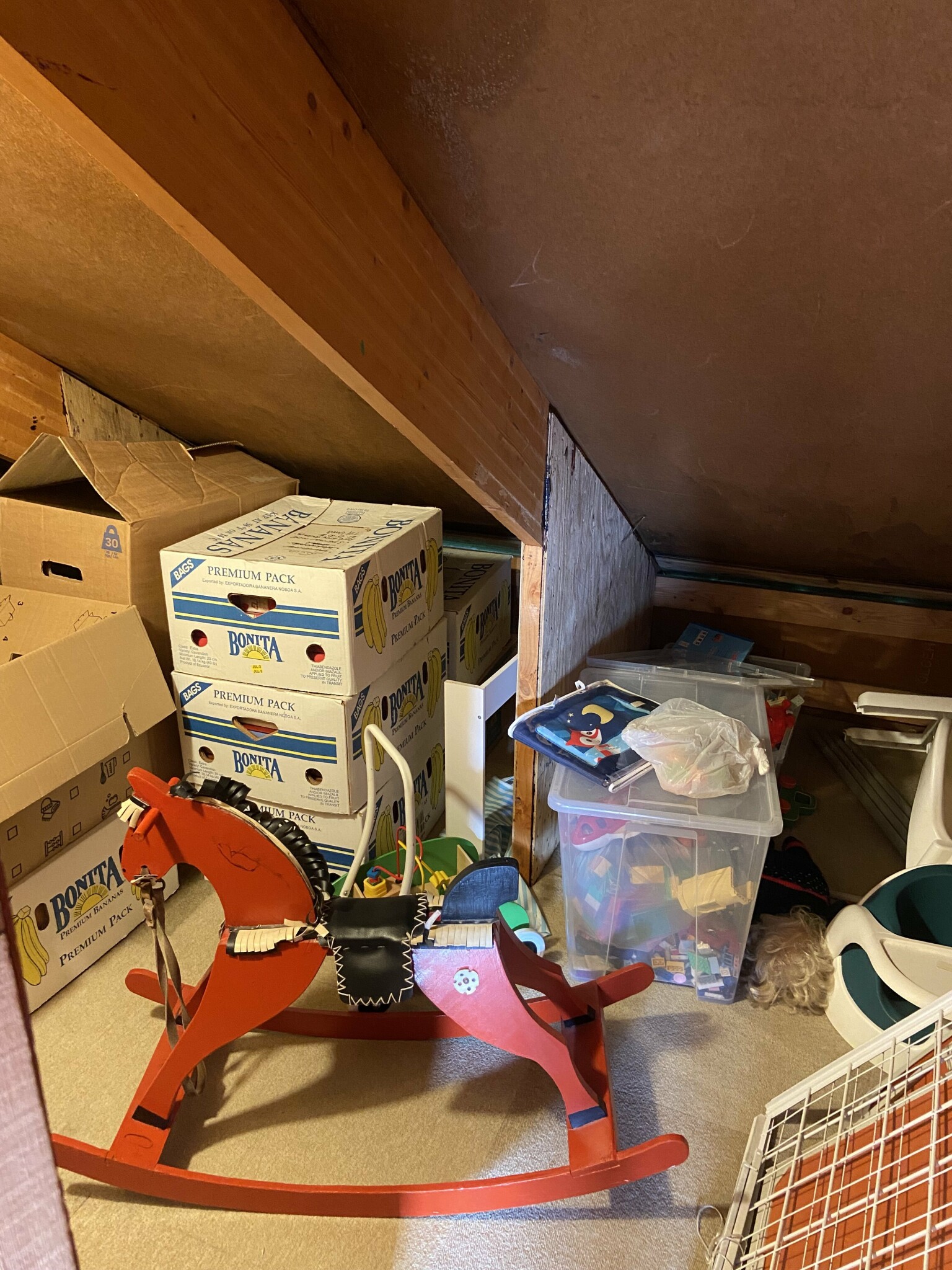
In the attic, I plan to tear down a wall according to the picture to create more space. When I started the demolition, I realized it's under a roof truss and likely acts as a brace. But several questions arose now:
- Is it really a brace? The other supports are probably in the knee wall, so why have a separate protruding support?
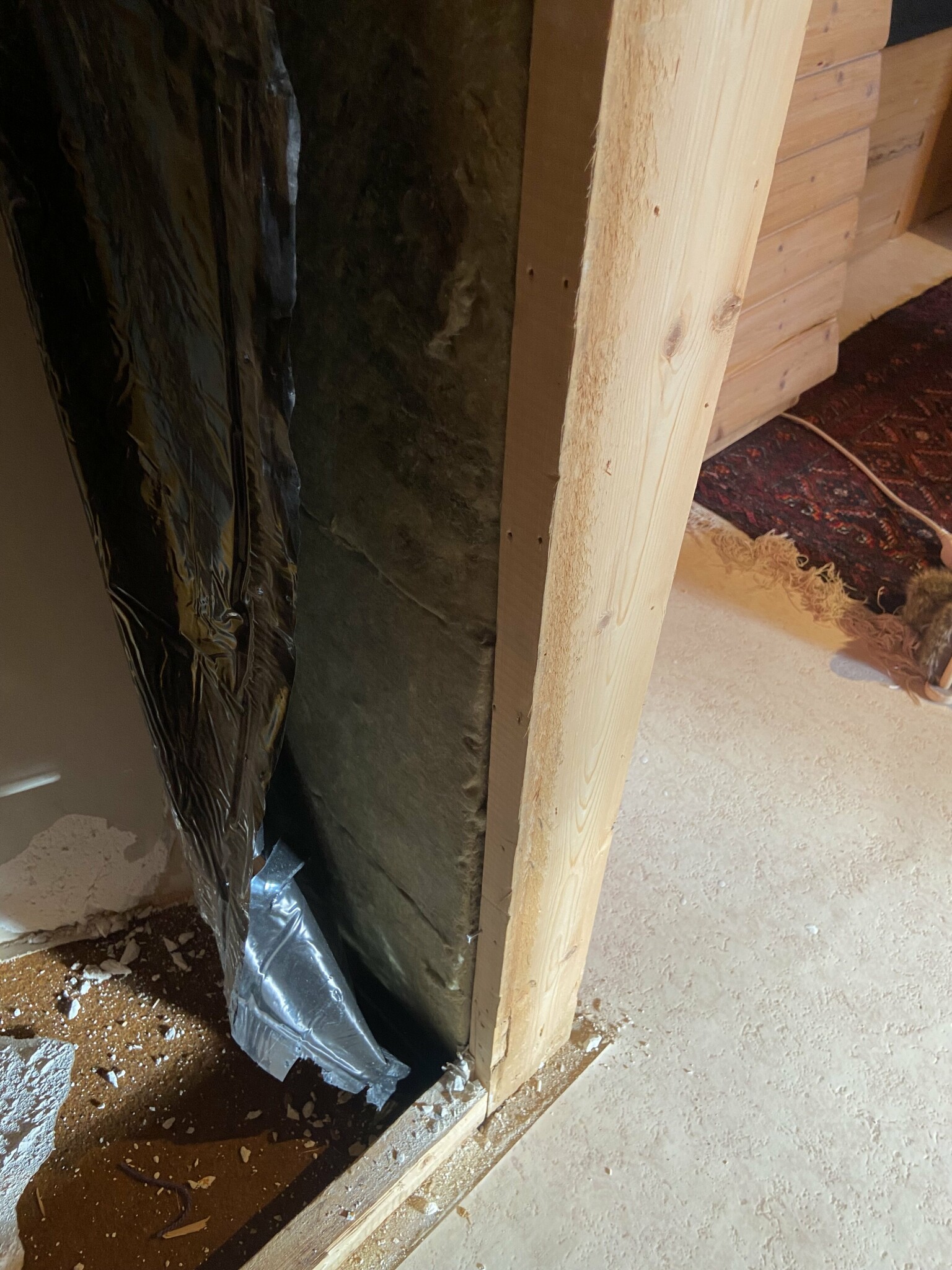
- Why is there insulation and plastic in the wall?
My guess is that a previous owner of the house remodeled here, but I can't come to any logical conclusion.
The house is from the 1970s
The studs are about 30x120mm and there are 2 in the wall
The small space has been a closet where only the wall I have circled is insulated.
In the attic, I plan to tear down a wall according to the picture to create more space. When I started the demolition, I realized it's under a roof truss and likely acts as a brace. But several questions arose now:
- Is it really a brace? The other supports are probably in the knee wall, so why have a separate protruding support?
- Why is there insulation and plastic in the wall?
My guess is that a previous owner of the house remodeled here, but I can't come to any logical conclusion.
The house is from the 1970s
The studs are about 30x120mm and there are 2 in the wall
The small space has been a closet where only the wall I have circled is insulated.

I think someone looked at how you normally build a wall (where you have insulation) and simply did it that way..Sambar911 said:
There's really no reason to have either plastic or insulation in that wall, but there it was anyway..
Is the plastic behind the surface layer on all the walls in the "garderob"?
No, just that wall. The part of the wardrobe wall facing the camera has neither insulation nor plastic.
It's a townhouse so I've checked how a neighbor has it. They have a wall in the same place that continues into the room, so I wasn't any wiser...
I also think it shouldn't be load-bearing, but you don't want to be there tearing it down when you're not sure.
It's a townhouse so I've checked how a neighbor has it. They have a wall in the same place that continues into the room, so I wasn't any wiser...
I also think it shouldn't be load-bearing, but you don't want to be there tearing it down when you're not sure.

It could have been built as a wall at your place before and insulated for sound etc. It's more reasonable than insulating a closet. Unless they had the moonshine still in it? 
What does the knee wall look like in the construction?
Don't you have any drawings for the house?
But as I said, I don't think you need to worry about removing the wall, but you can't be 100% sure without checking the drawings for the house/trusses.
Don't you have any drawings for the house?
But as I said, I don't think you need to worry about removing the wall, but you can't be 100% sure without checking the drawings for the house/trusses.
Hello again and thank you for the responses!Violina said:
I have now received the drawings from the municipality.
According to the drawing, there was no wall there previously, so that feels good.
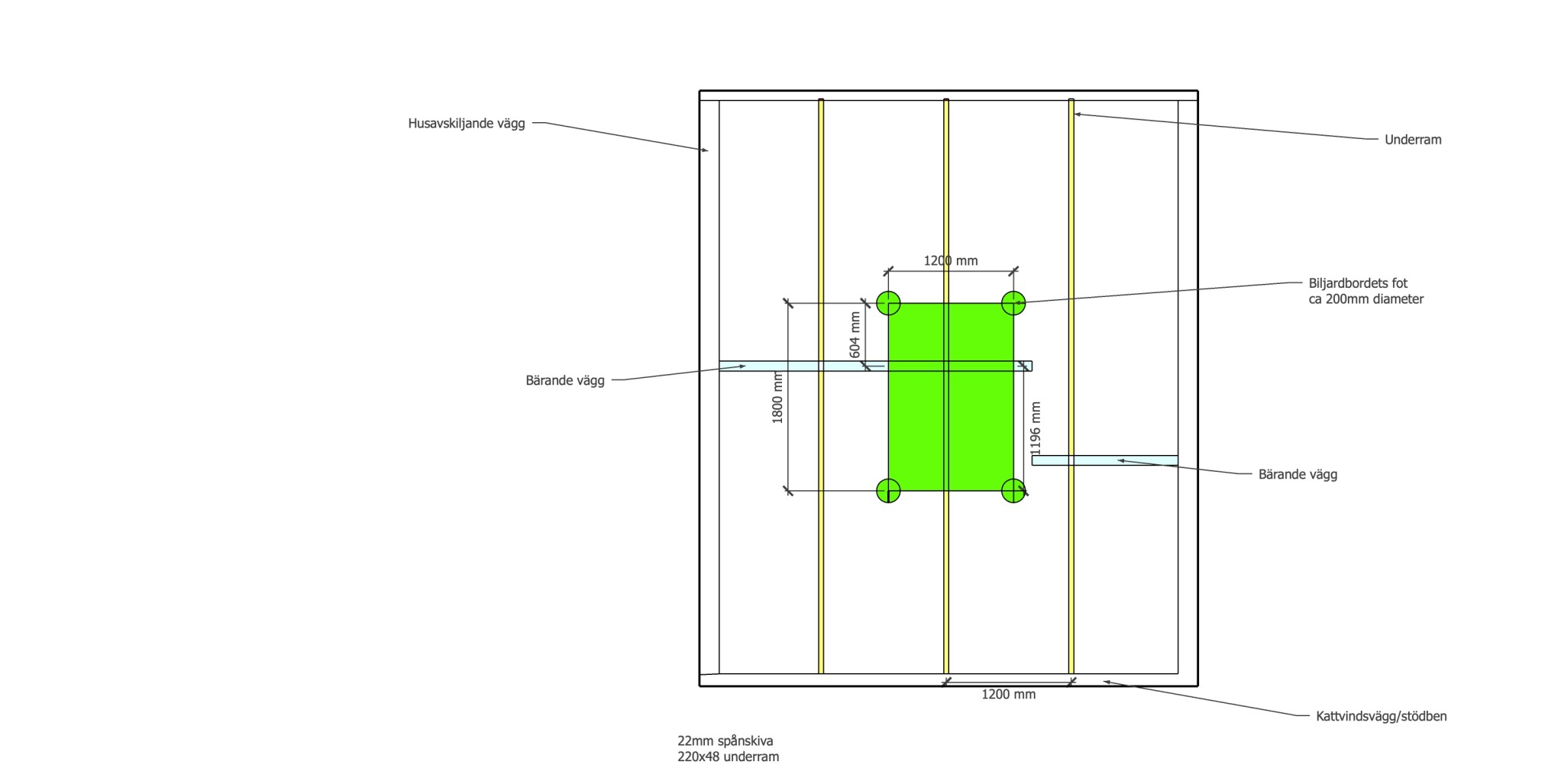
Now to another question. There will be a pool table with legs that exert a point load of 130kg each. According to the technical description, it is 48x220s underarm that is likely supported from below according to the floor plan. Do I need to make a precise calculation, or can I assume the underarm can handle those point loads? Is there a risk of bending?
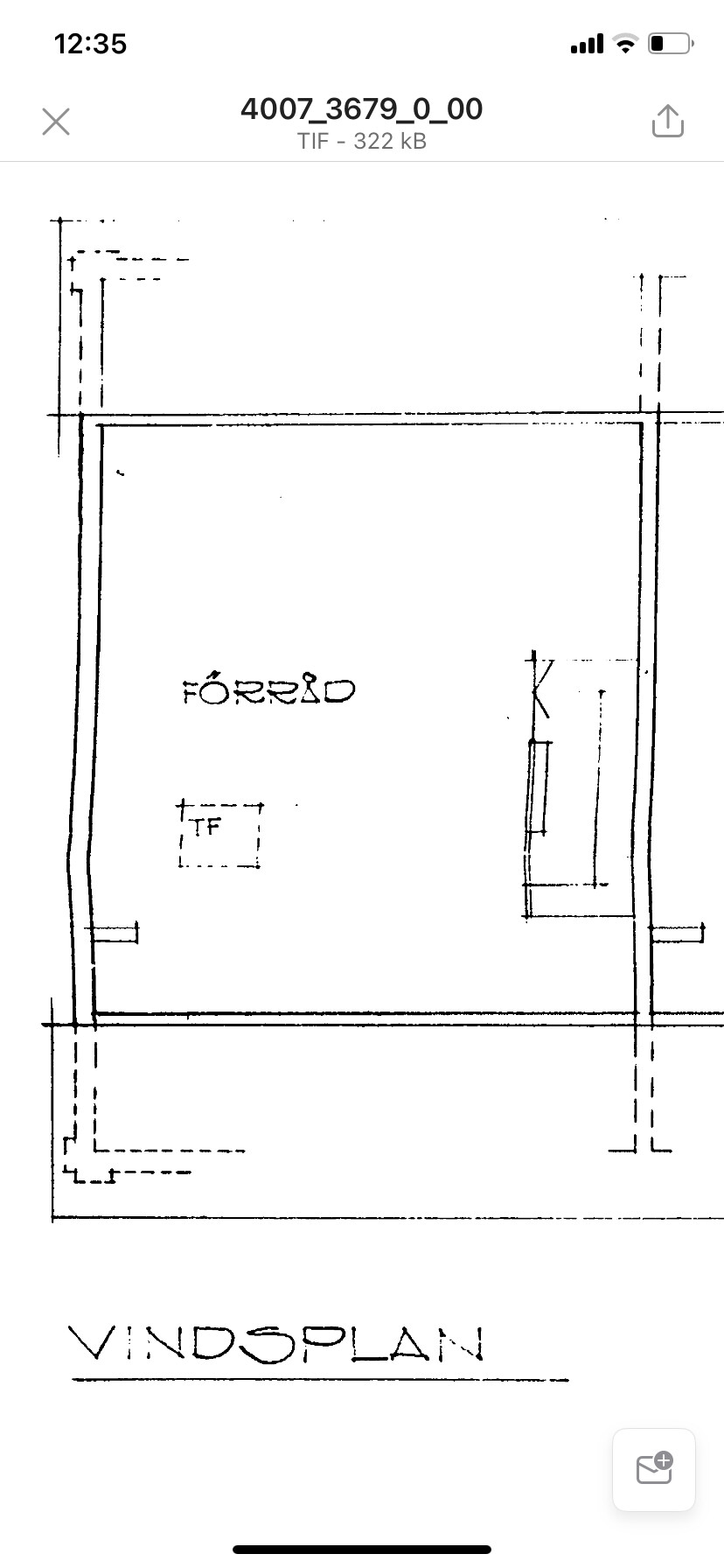

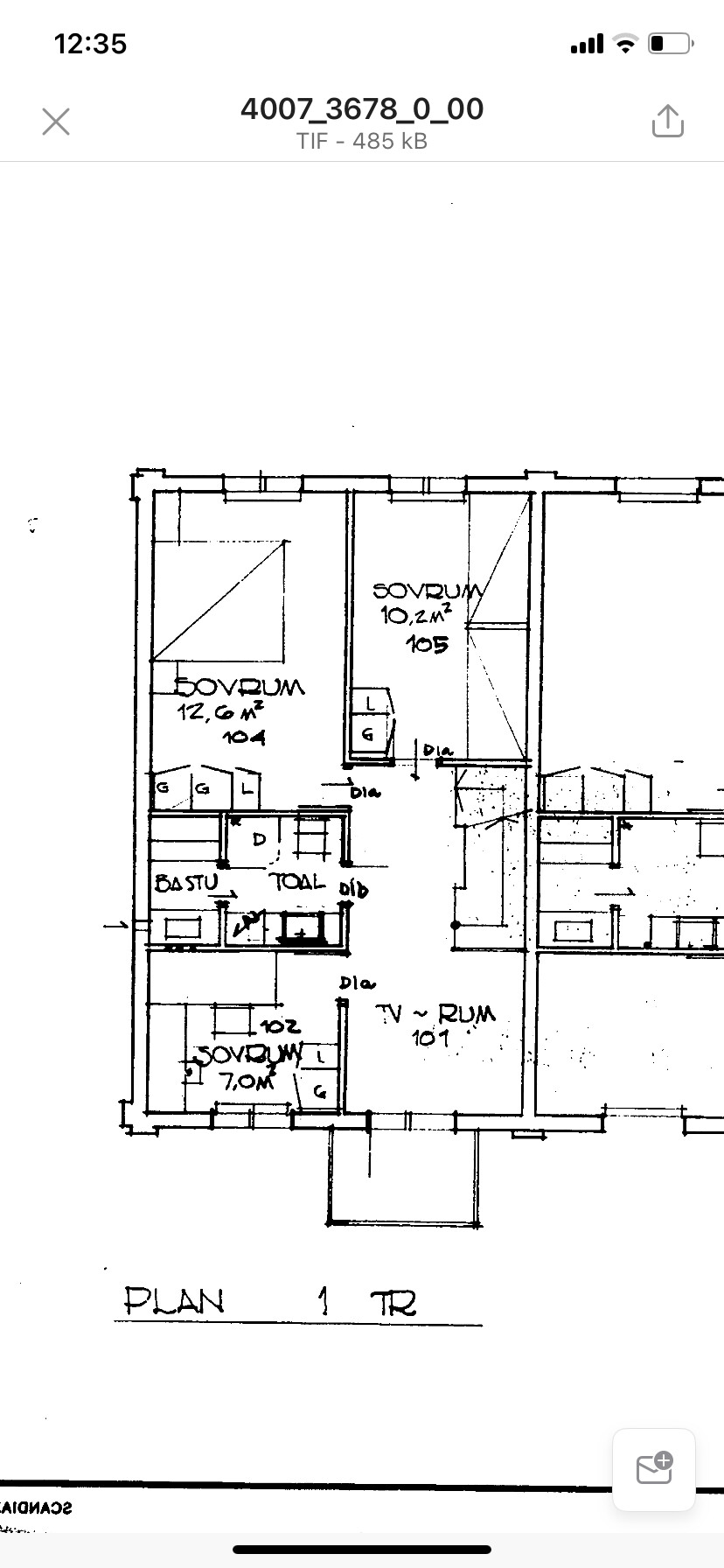
I would say that as long as you place the pool table so that it stands perpendicular to the rafters with the long side (i.e., along the ridge), there's probably no risk of any significant sagging..
But it will be quite a hassle to get the table up there 😅
But it will be quite a hassle to get the table up there 😅
Menar du att benen på bordet blir närmare de bärande väggarna då?Skulle säga att så länge du placerar biljardbordet så det står vinkelrätt mot takstolarna med långsidan (alltså jäms med nocken) så är det nog ingen risk för nån direkt nedböjning..
Men kommer ju vara rätt jobbigt att få upp bordet där
Skulle säga att så länge du placerar biljardbordet så det står vinkelrätt mot takstolarna med långsidan (alltså jäms med nocken) så är det nog ingen risk för nån direkt nedböjning..
Men kommer ju vara rätt jobbigt att få upp bordet där
Den kommer bara få plats om jag ställer den parallellt med takstolarna…
Det har du rätt i! Jag har planerat att lyfta upp den med kranbil och genom ett fönster. Många hinder innan jag är i mål
In this case, the legs of the table will be placed between the underframes, which should distribute the load better. Would it be necessary to make a, for example, 220 bracket that I attach between the underframes where the legs are, or fix a 22mm particle board to support the table and distribute the load?