I'm thinking of tearing down the wall between the kitchen and living room in my newly purchased apartment.
I've had trouble finding an architect/engineer who can provide input, even for payment...
Condominium built around 1958, on the 4th of 8 floors, 57 sqm, two-room apartment.
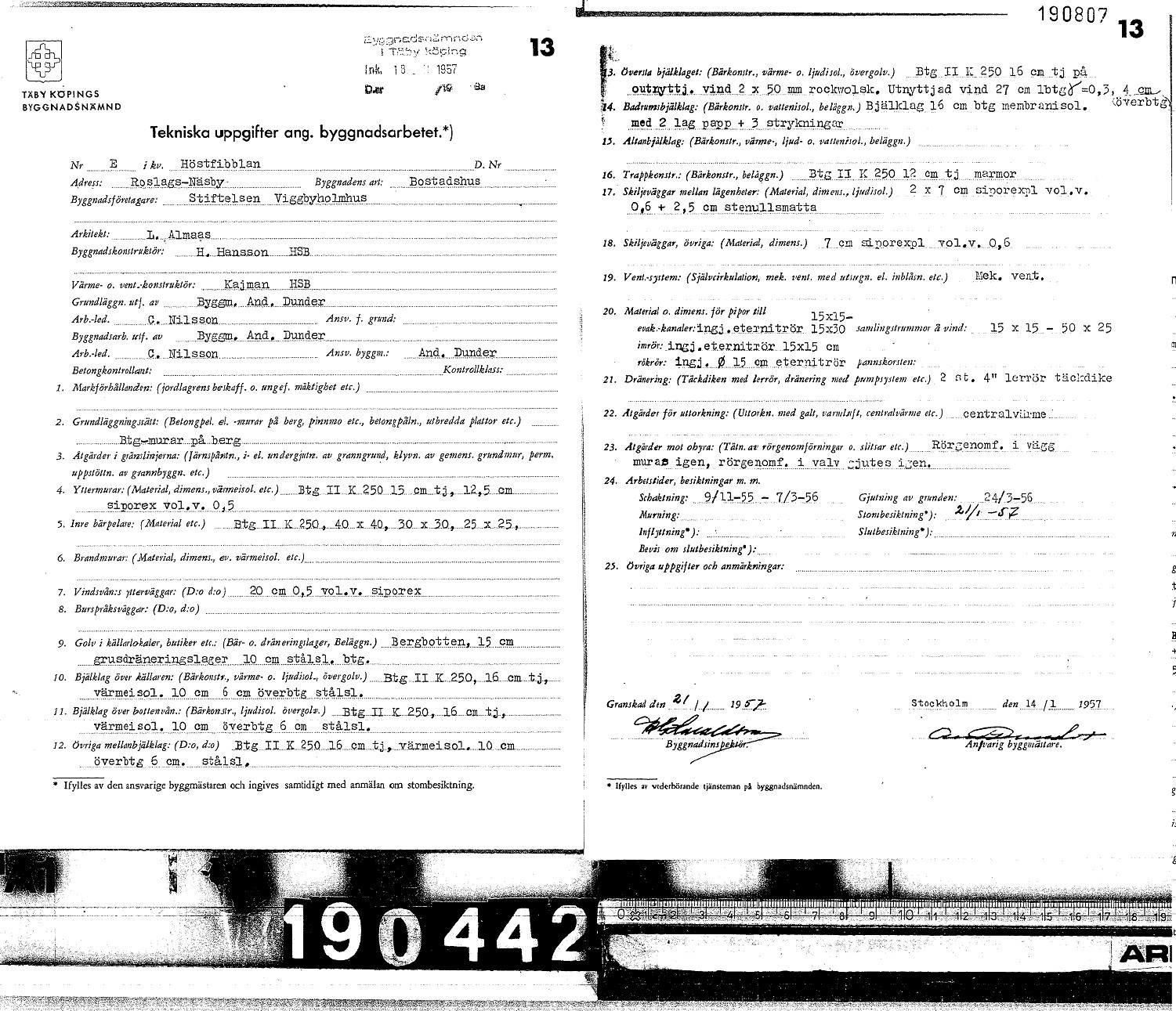
The wall is 10 cm thick, almost 2 m long. It's easy to drill through the entire wall with a screwdriver, as porous as a sandcastle, sounds hollow when you knock on it. I suspect it might be lightweight concrete all the way through(?). In the technical description, I believe it says that load-bearing interior walls are 20 cm thick, so I feel that it should be safe... but I'm not the only one who would be affected if I mess it up.
I've been in contact with the housing association board, who unfortunately have nothing to contribute. It's entirely up to me to investigate whether the wall is load-bearing or not and ensure that cutting/demolition is done safely.
VERY grateful for help in assessing whether the wall is load-bearing or not, or alternatively, getting tips on where I can turn to get an assessment without going broke.
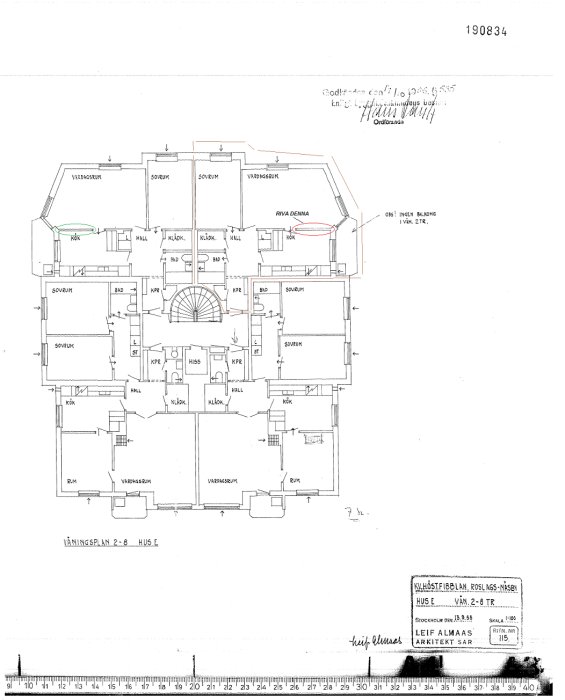
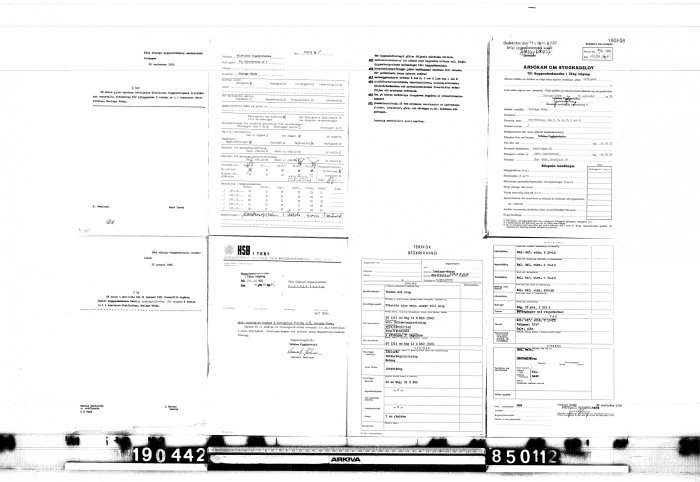
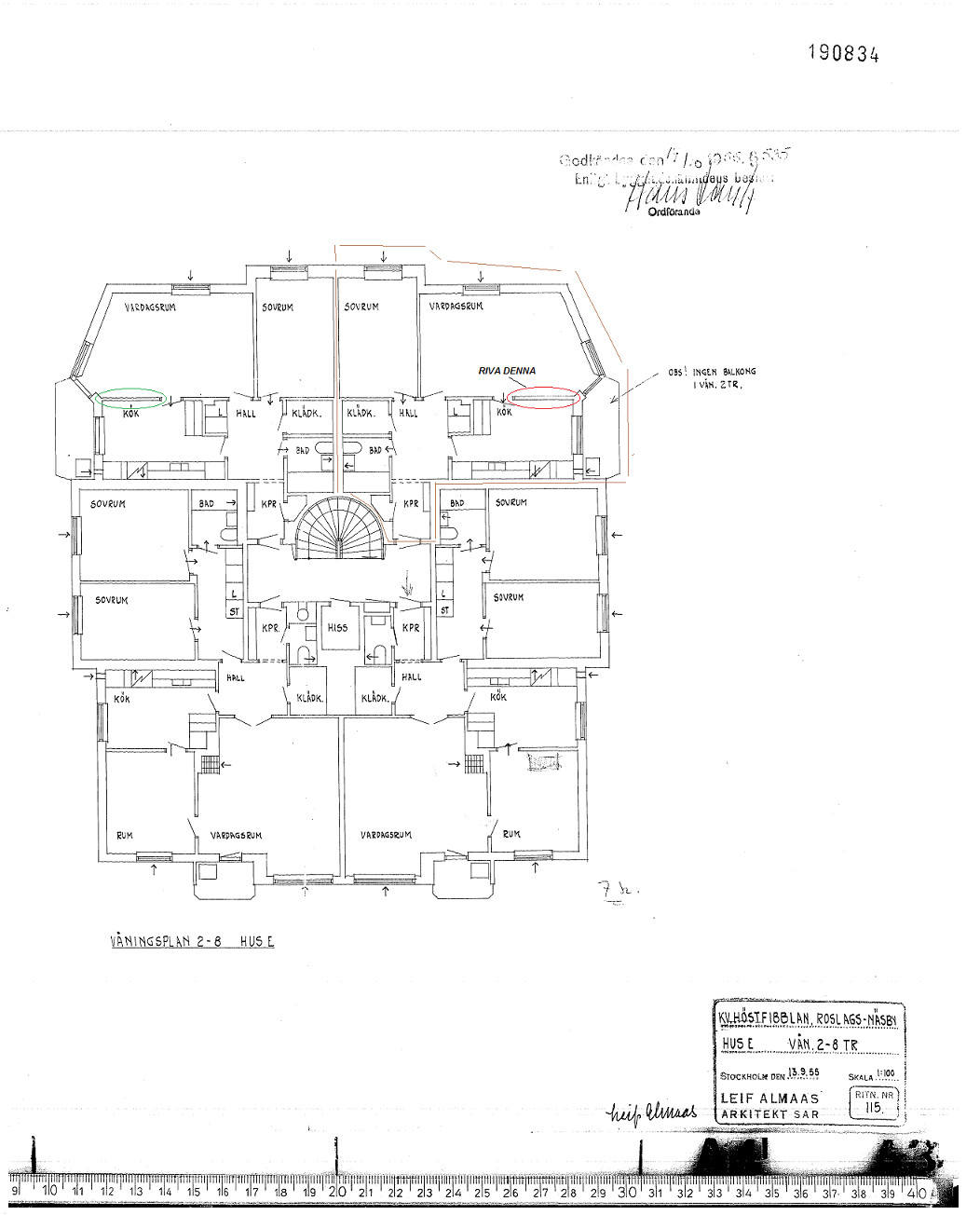
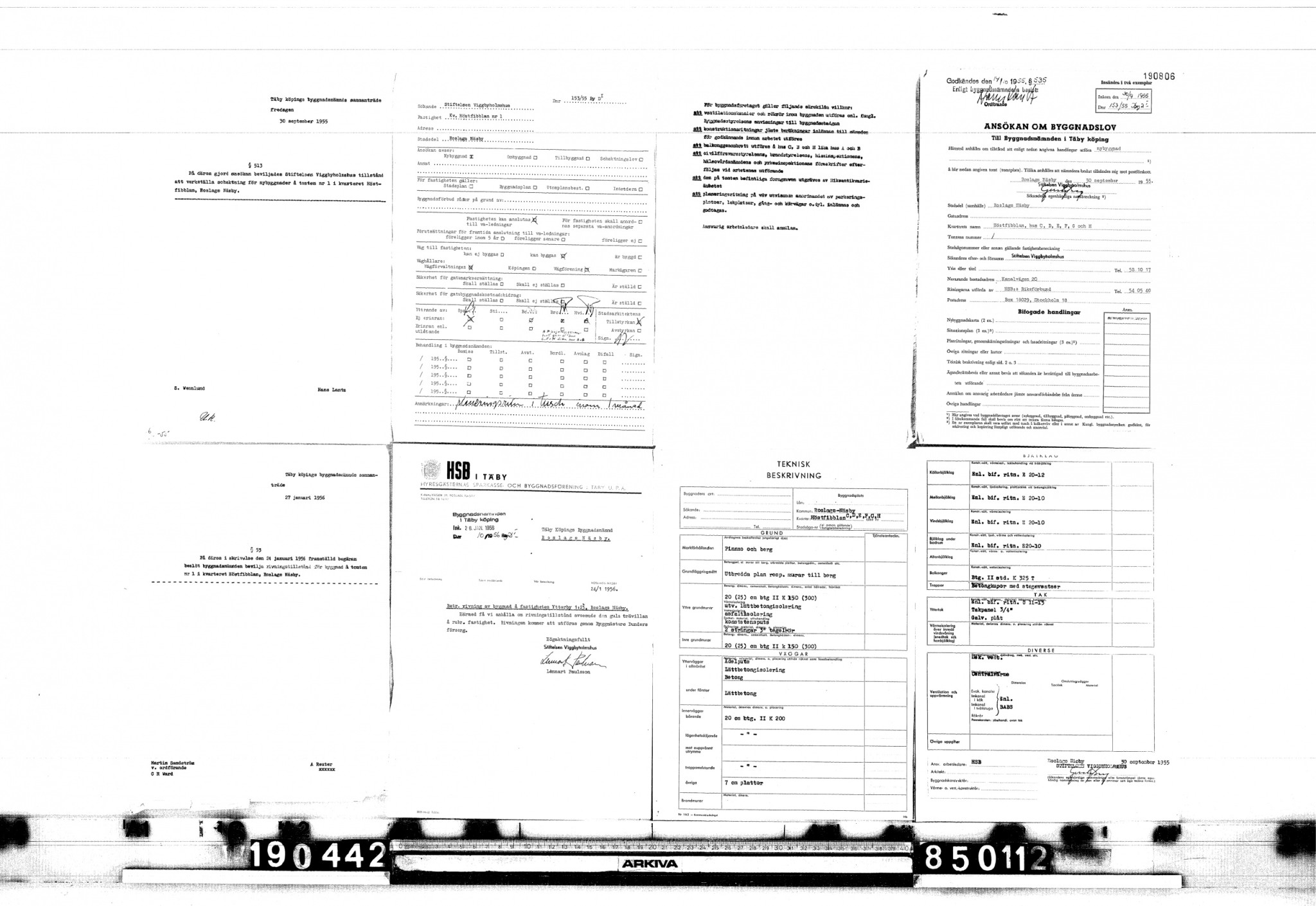
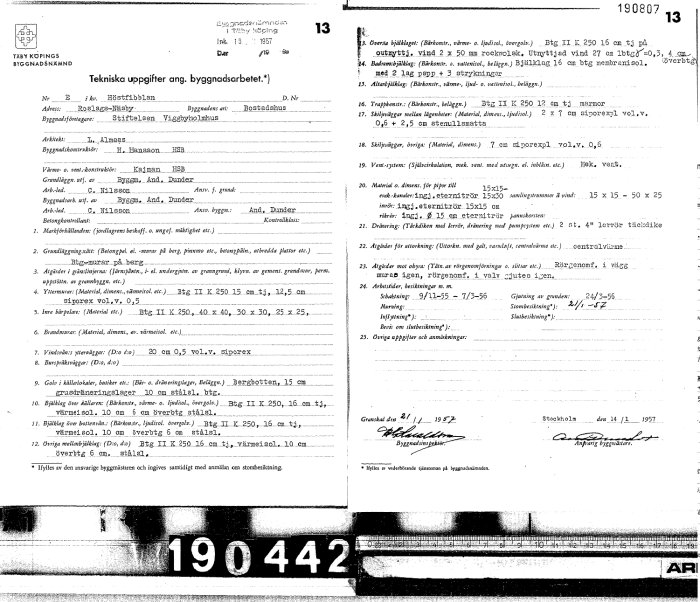
Below is the drawing and technical description I received from the city planning office in Täby municipality.
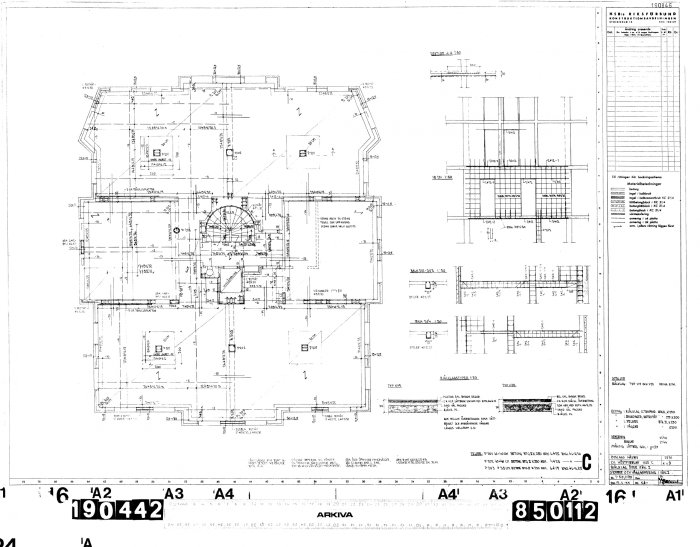
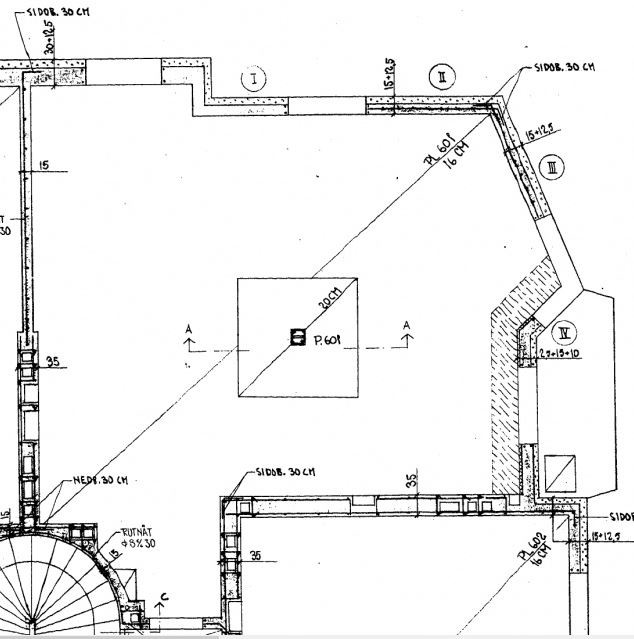
Drawing (I have circled the apartment and the wall I plan to tear down):
Get in touch with a structural engineer to conduct calculations on the wall's load-bearing capacity. I would assume it is load-bearing! Otherwise, there are many meters between the walls with no support.
I believe that the walls between the kitchen and living room and between the bedroom and living room are non-bearing.
That is, what is referred to in the description as
"Inner walls, others, 7 cm plates", which are not counted as
"Inner walls, bearing, 20 cm btg II K 200".
Measure the wall thickness and you'll know!
But I agree with thomas33, why not consult an expert who can confirm this on-site?
PS
Welcome to the Building Houses forum NordBo!
It's amazing. It seems no one can resist tearing down a wall and completely remodeling the kitchen in their new apartment. The new national sport
(Yes, I've remodeled and renovated a kitchen twice too, but not until after 8 years)
To determine if the wall is load-bearing from the drawings, the construction drawings mentioned in the text are also needed. They should be available at the municipality.
Then it doesn't sound like it would be load-bearing, because it is weak with a 10cm load-bearing wall made of lightweight concrete in an 8-story building.
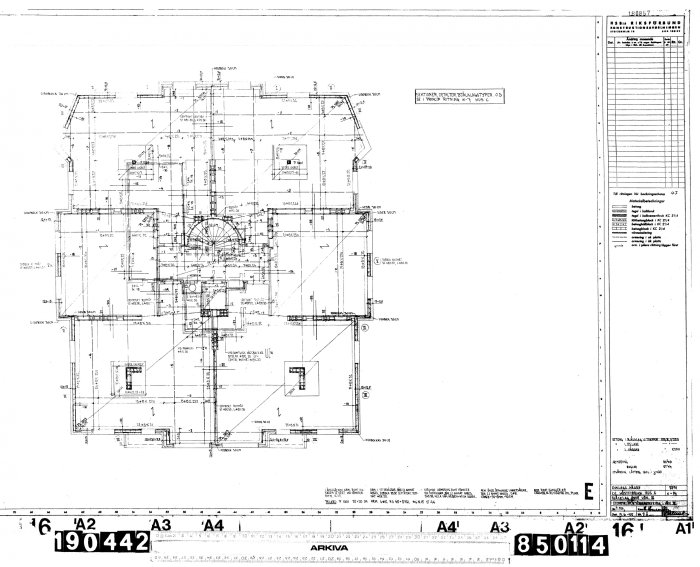
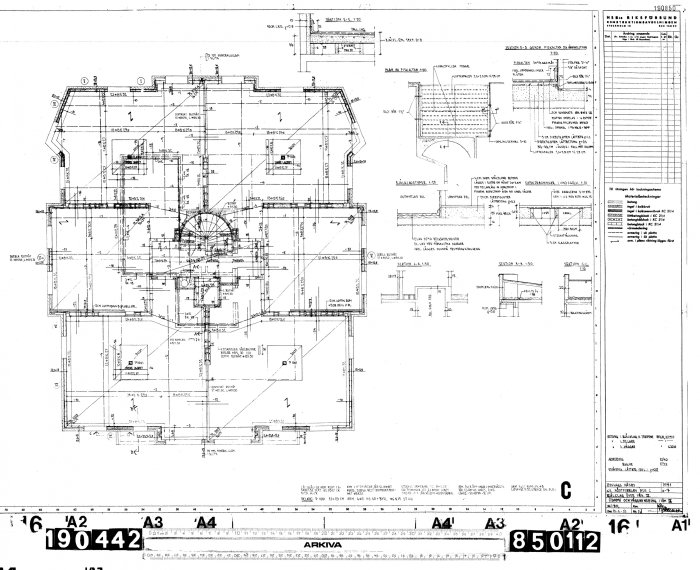
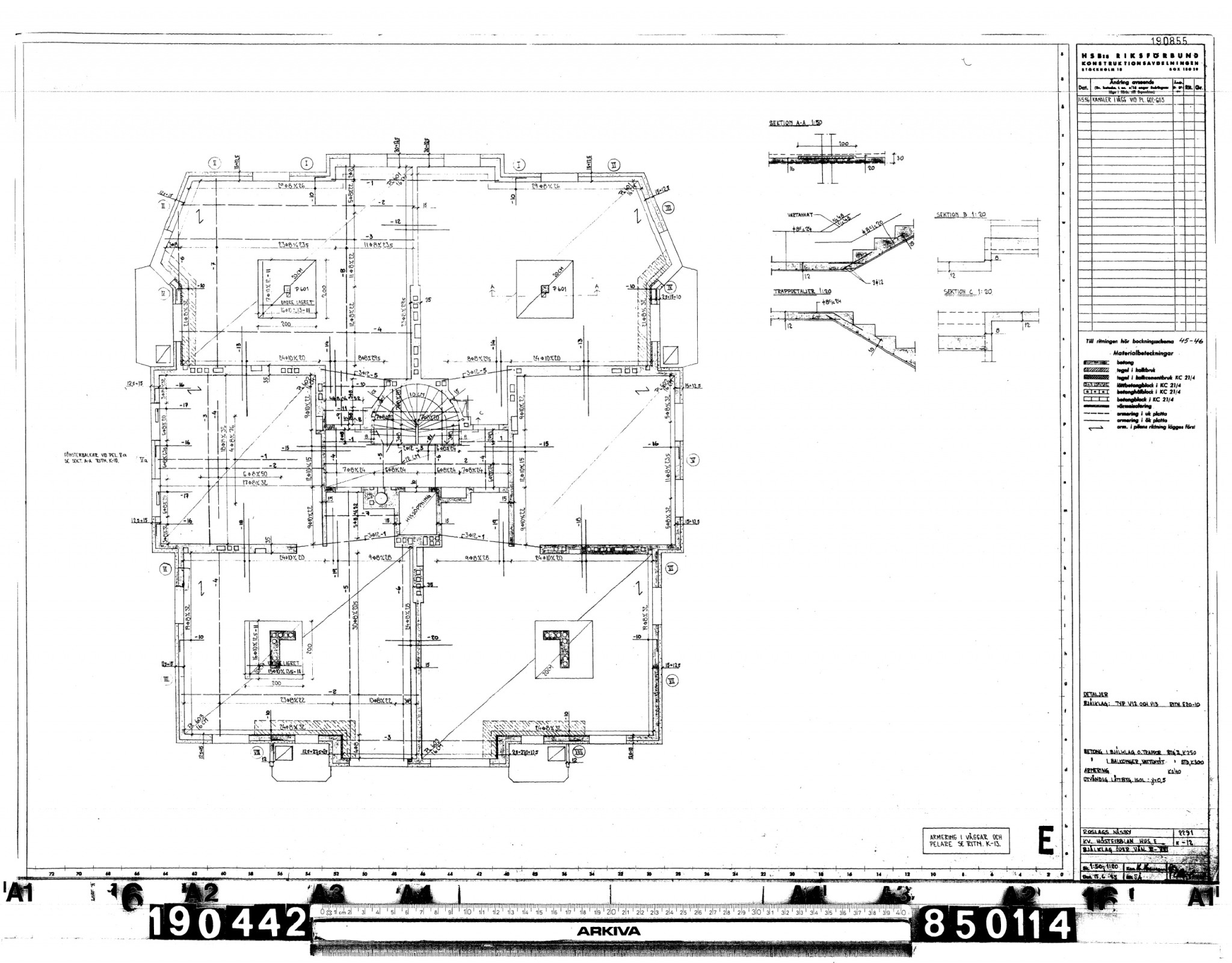
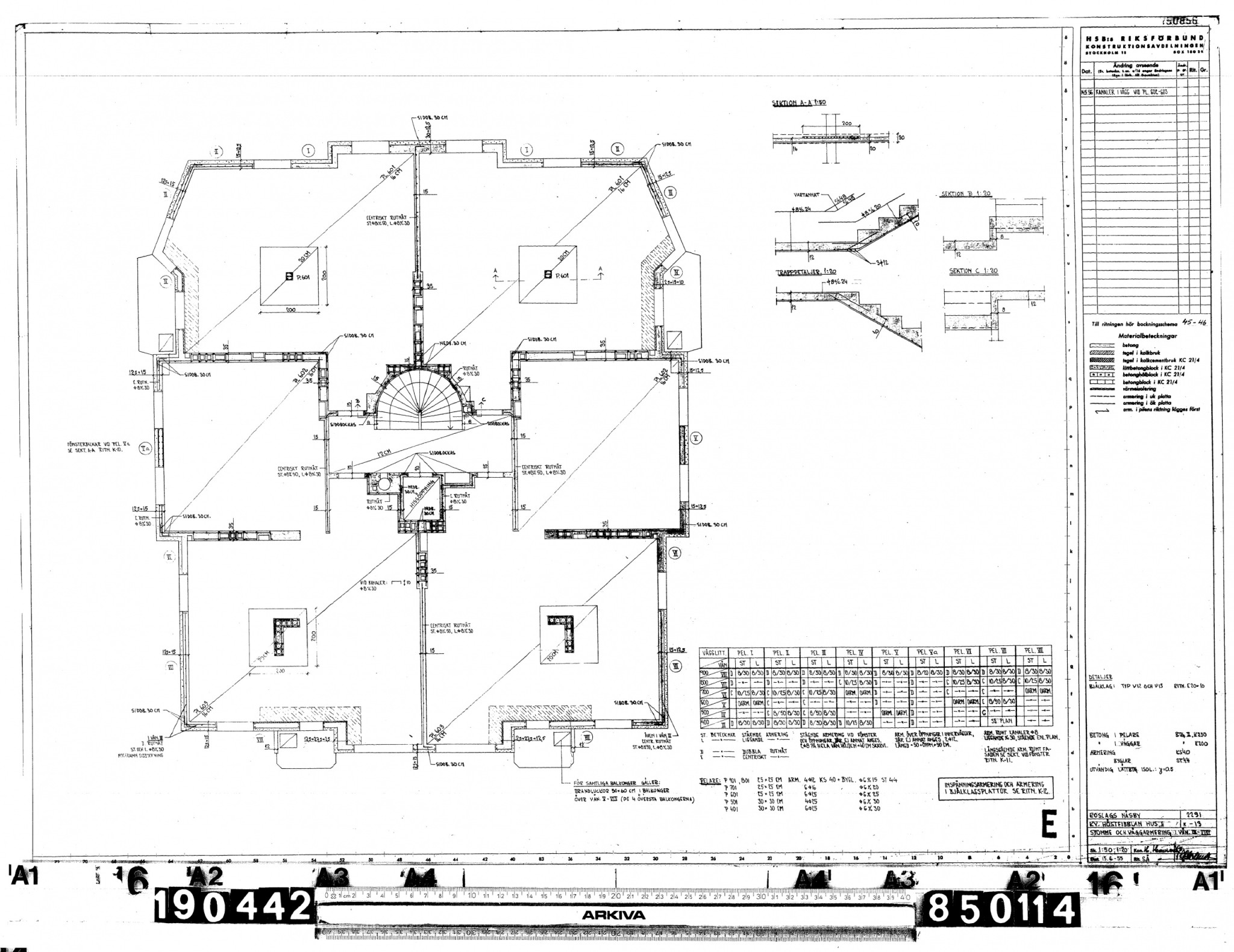
Received over 80 drawings from the city planning office. Have converted and filtered out those that are not construction drawings. Is there anyone who understands these? (see original post for details about my apartment and which wall I want to demolish).
Technical Information:
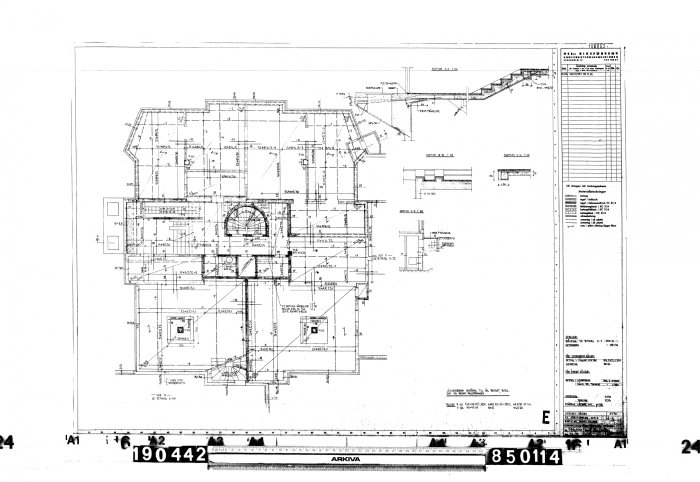
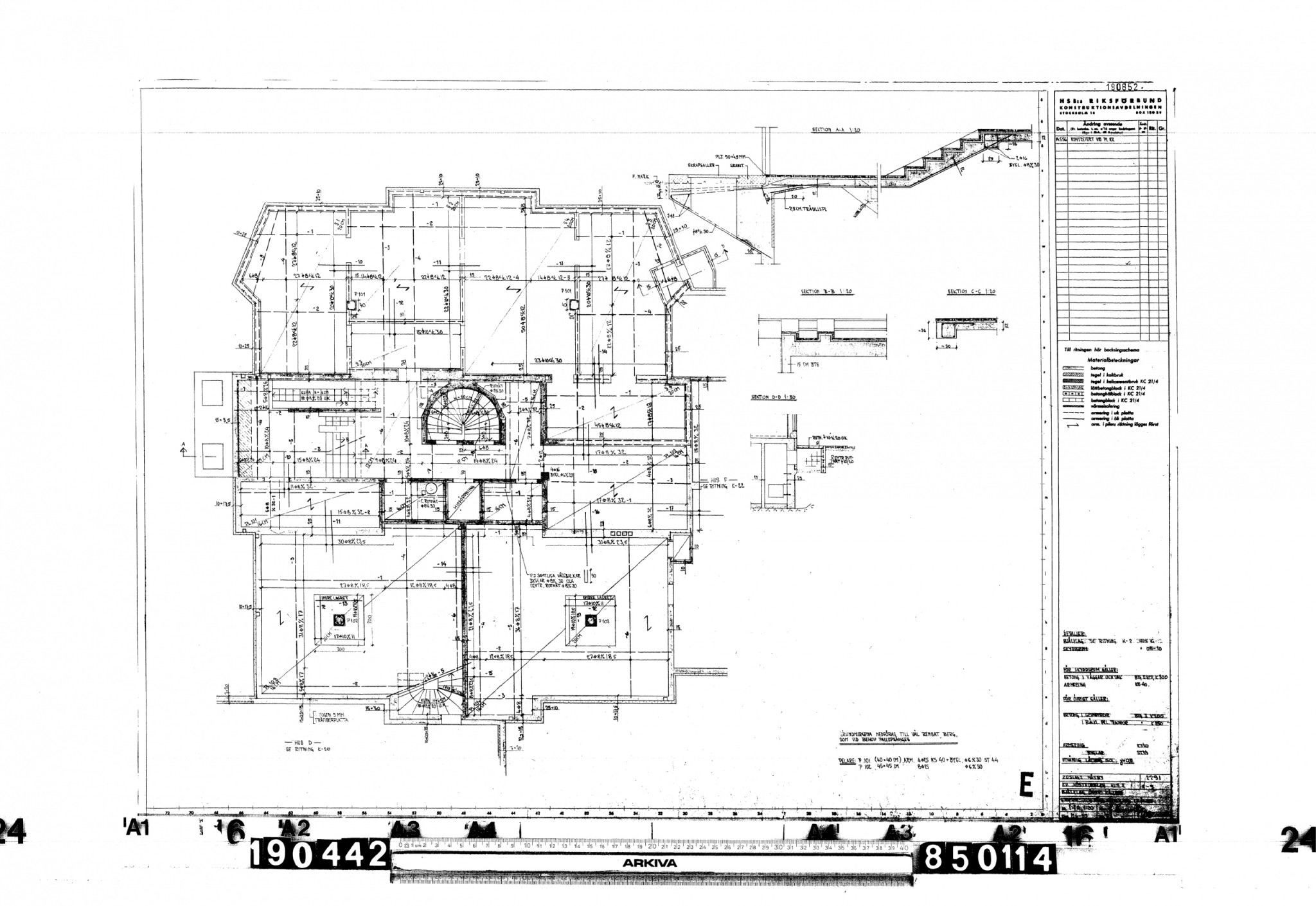
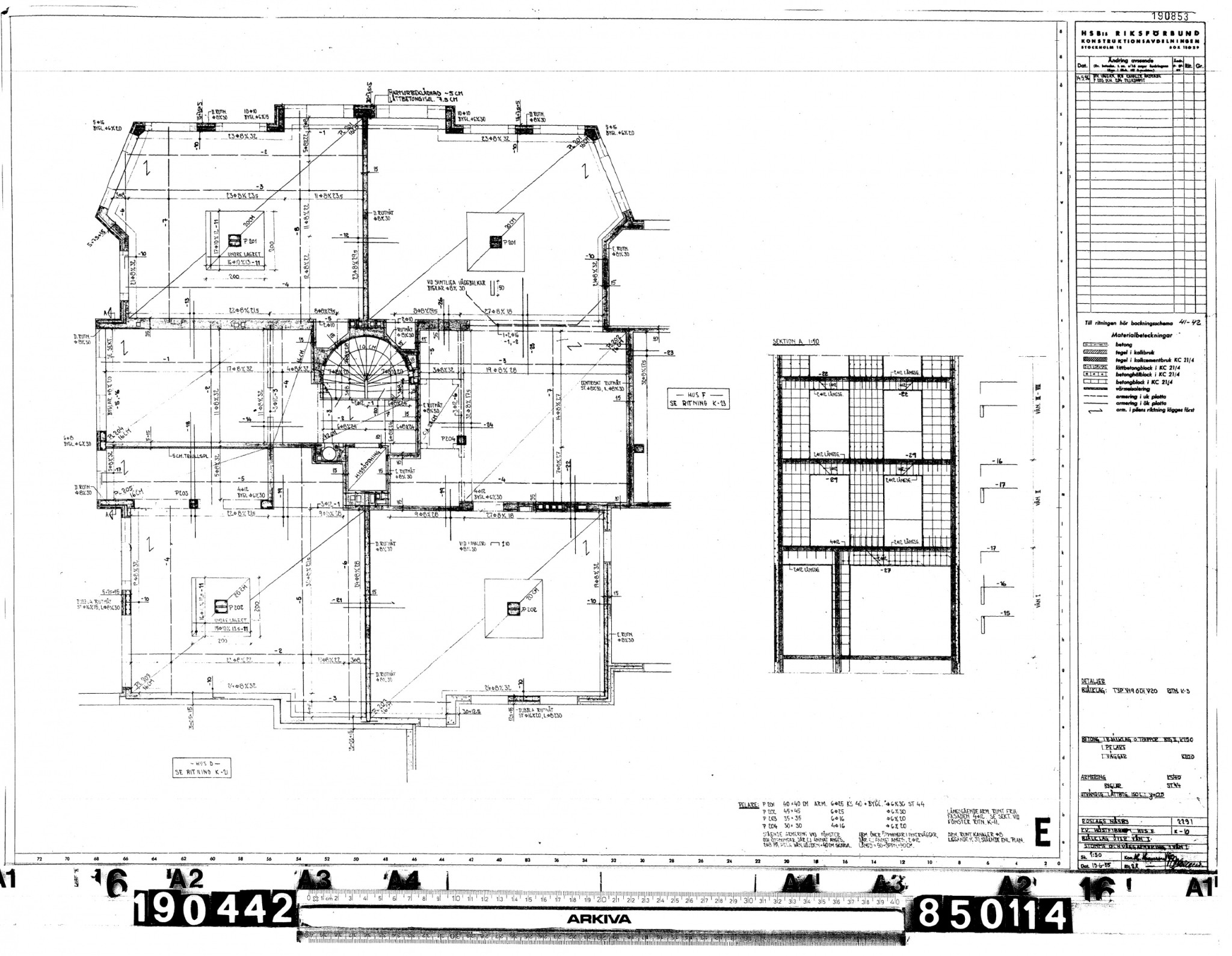
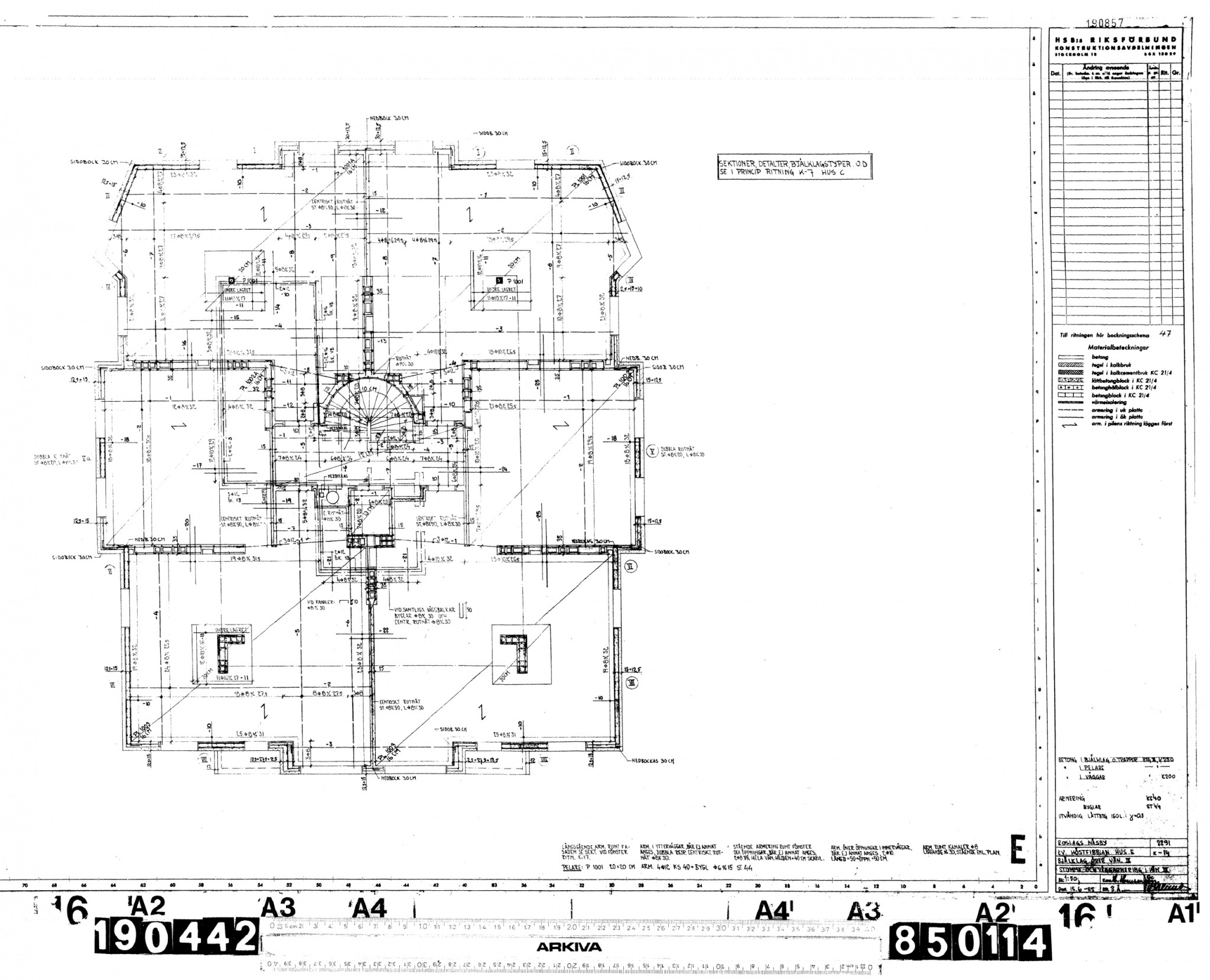
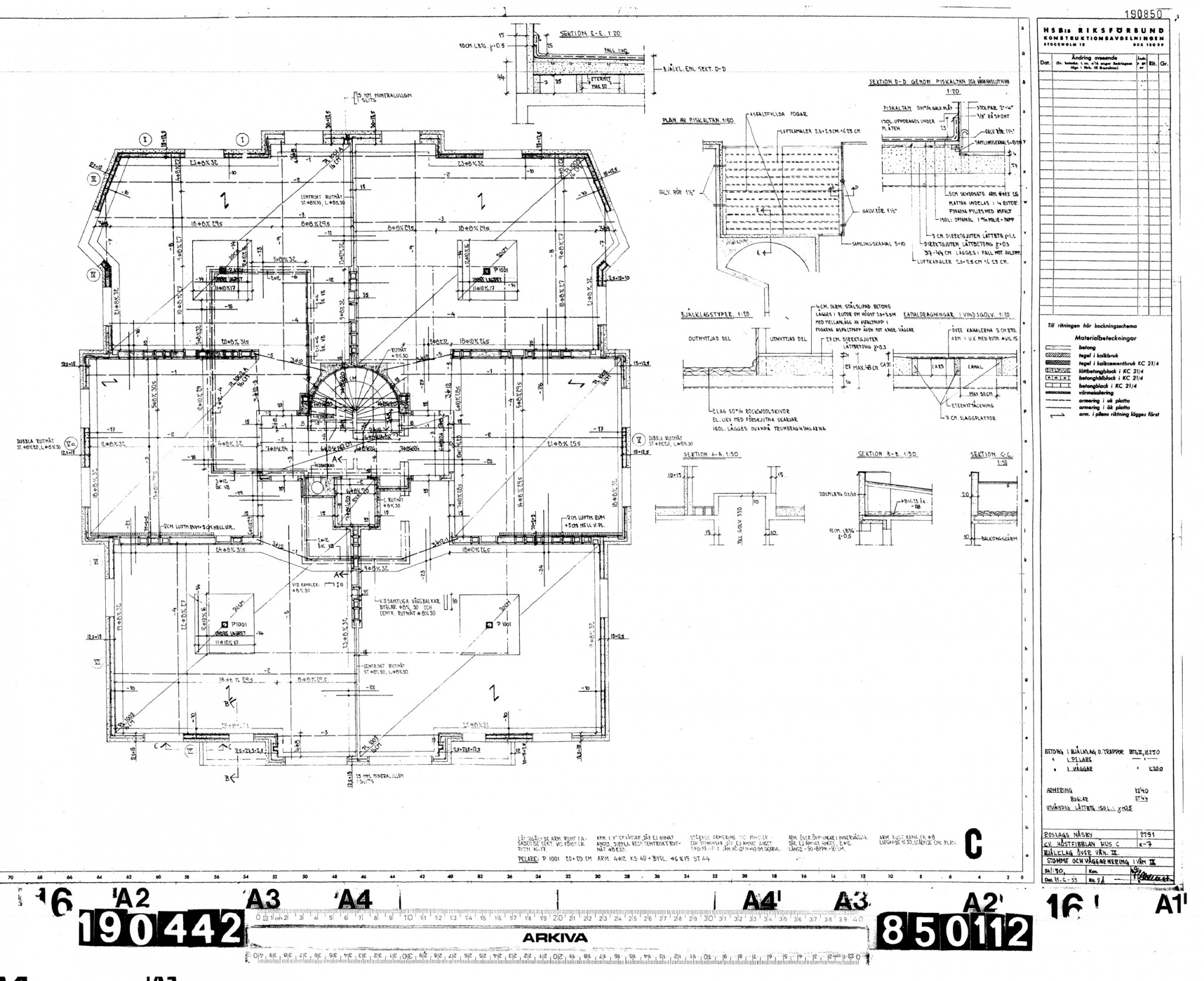
Drawing K-9: building E, technical drawing, basement joists
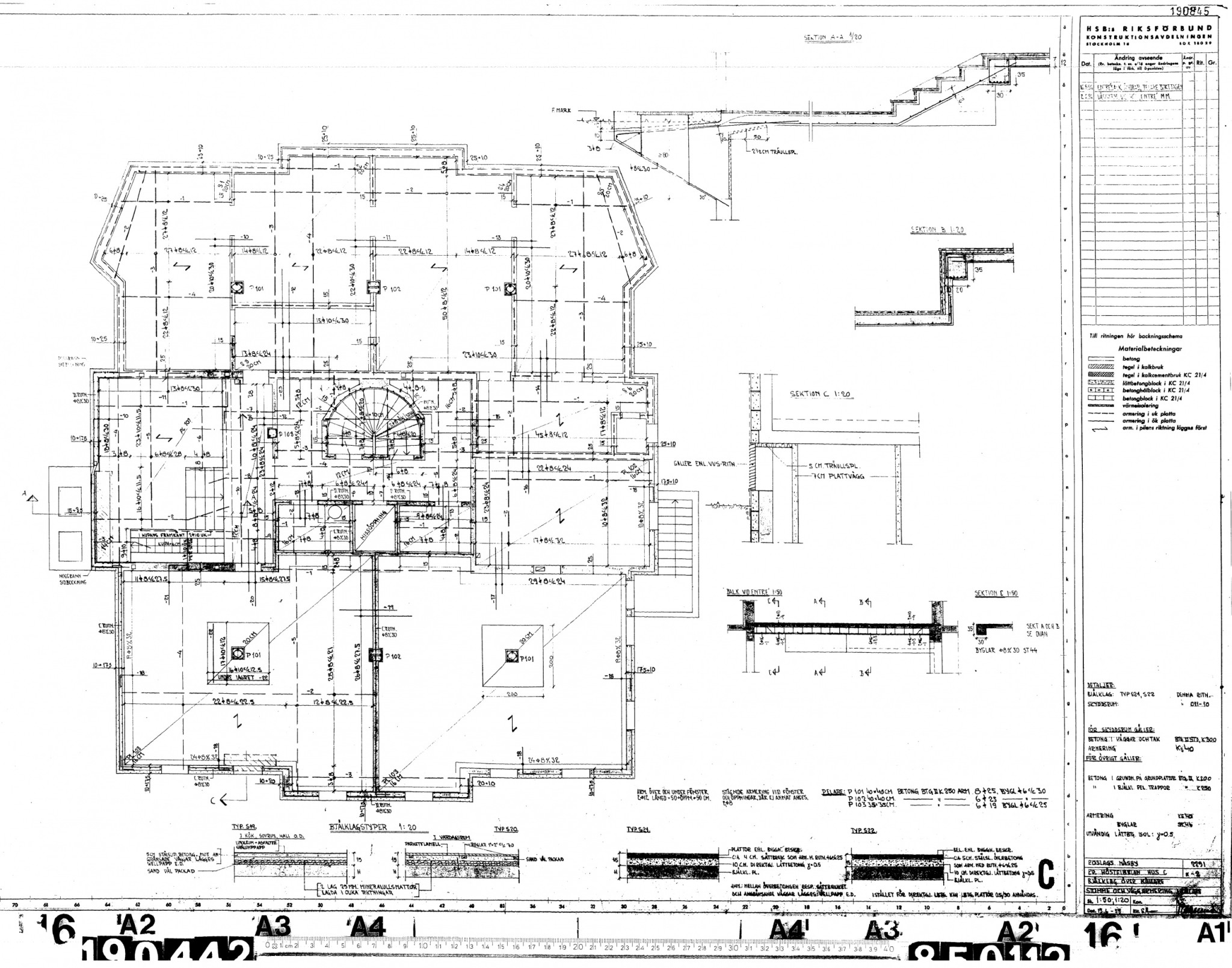
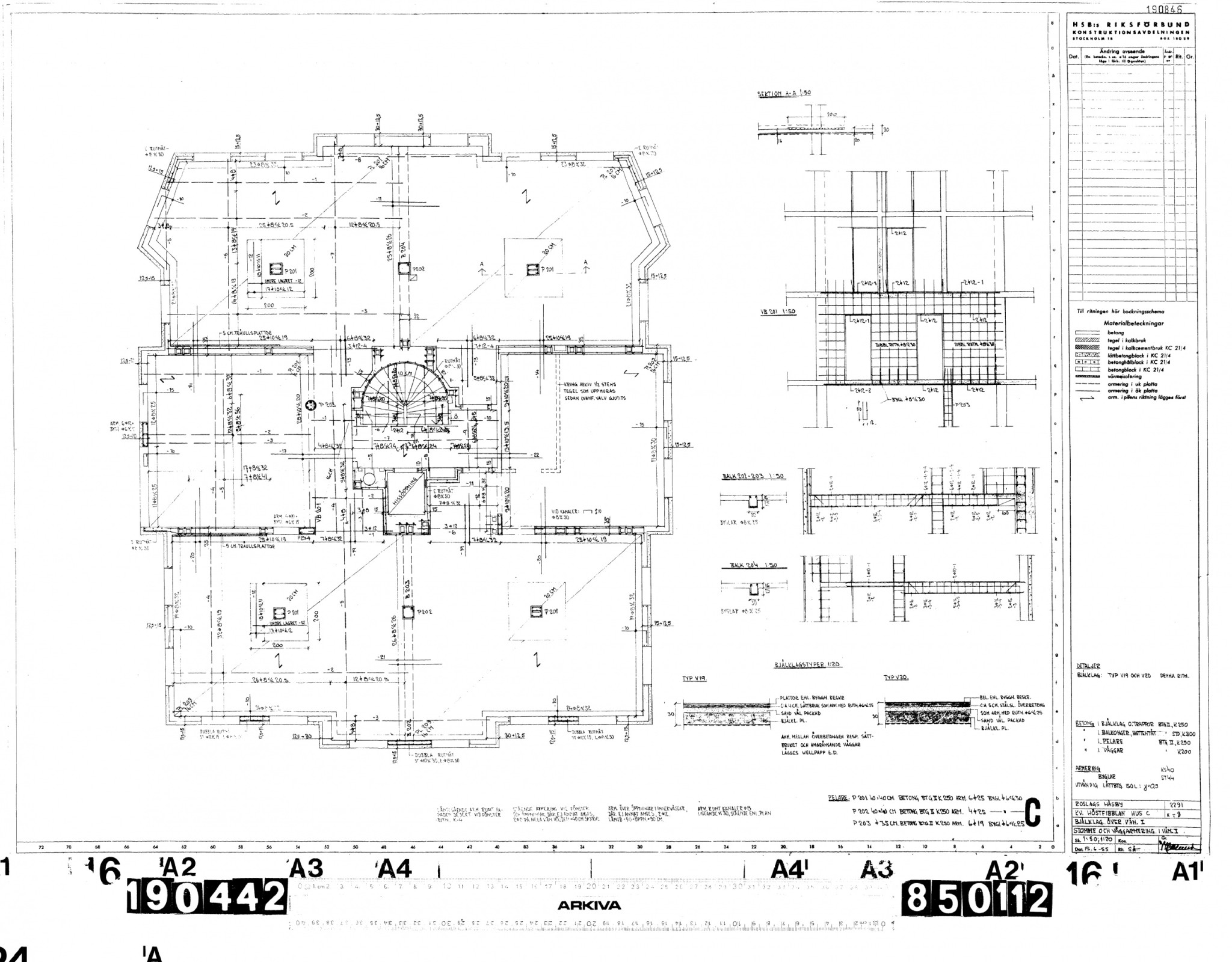
Drawing K-2: building C but referenced in drawing K-9 for basement joist details
Drawing K-10: building E, floor 1 joists
Drawing K-3: building C, referenced in drawing K-10 for floor 1 joist details
more drawings to come in supplementary posts soon.
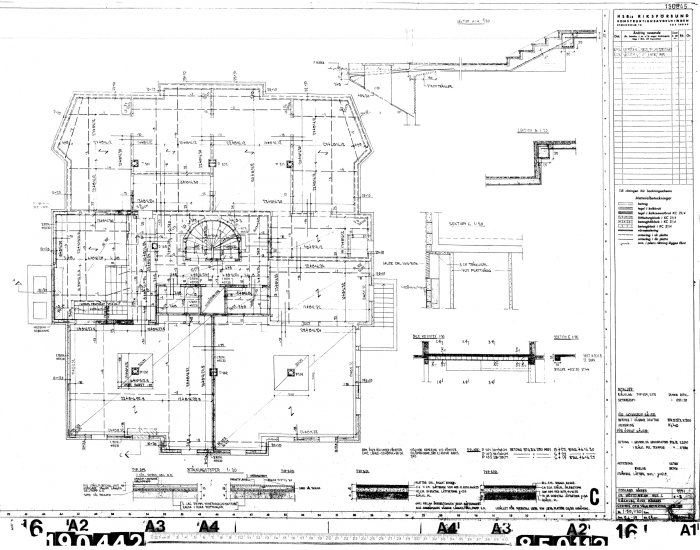
Here are more construction drawings. However, I cannot find drawing 20-10, which is referenced in several other drawings and the technical description. I hope it can still work out.
So can someone from this material assess whether I risk collapsing the entire building if I remove the wall between the living room and the kitchen? (see the original post)
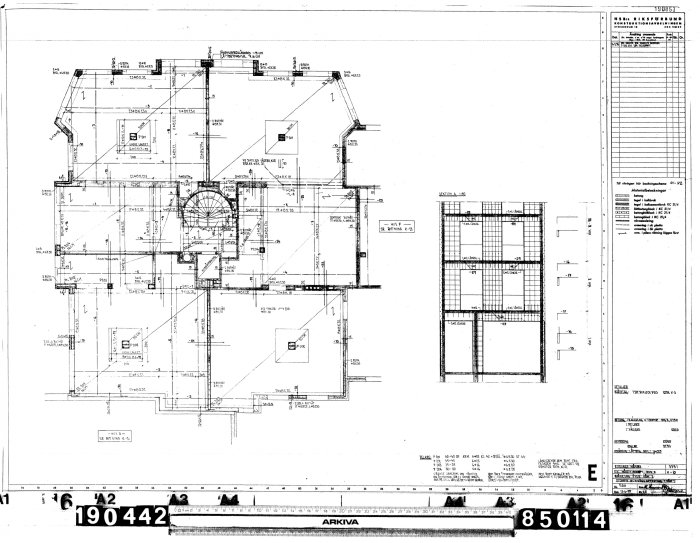
K-12: building E, Floor over level 2
K-13: building E, Frame and Wall Reinforcement levels 4-7
K-14: building E: construction drawing.
K-7: building C, complements drawing K-14 (building E)
To determine if the wall is load-bearing based on drawings, the construction drawings mentioned in the text are also needed.
They should be available at the municipality.
Then it doesn't sound like it would be load-bearing, because a 10cm load-bearing wall of lightweight concrete in an 8-story building seems too weak
I have uploaded drawings that I got from the municipality (see separate post). Do you think they would be useful?
From this drawing, it is clear that the vertical load-bearing parts are:
stairwell,
apartment separating walls,
exterior walls
and a column between the living room and kitchen.