Had an acoustics consultant here on Friday. One of the two rooms he examined and designed is in the basement. His idea was to insulate the front and left side walls with 95 mm glass wool, and the back wall with 195 mm. I have almost finished two of the walls and now my friend claims that you absolutely should not insulate basements internally with glass wool.
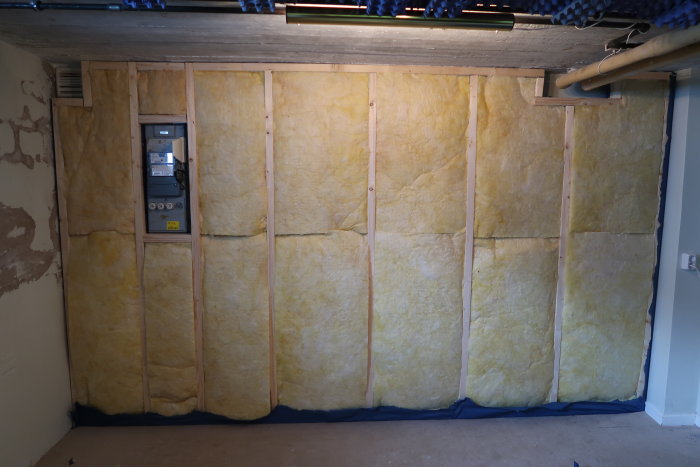
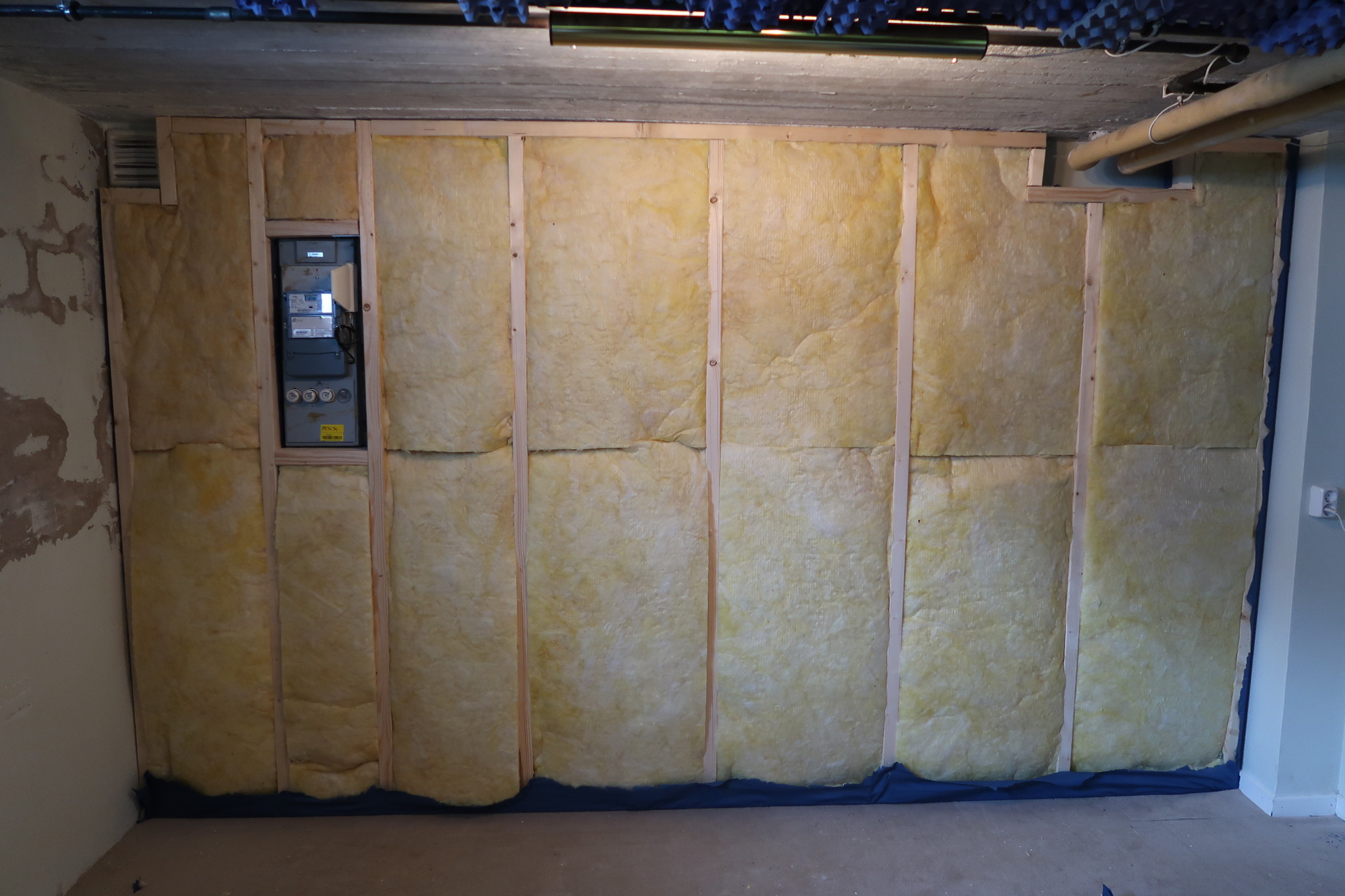
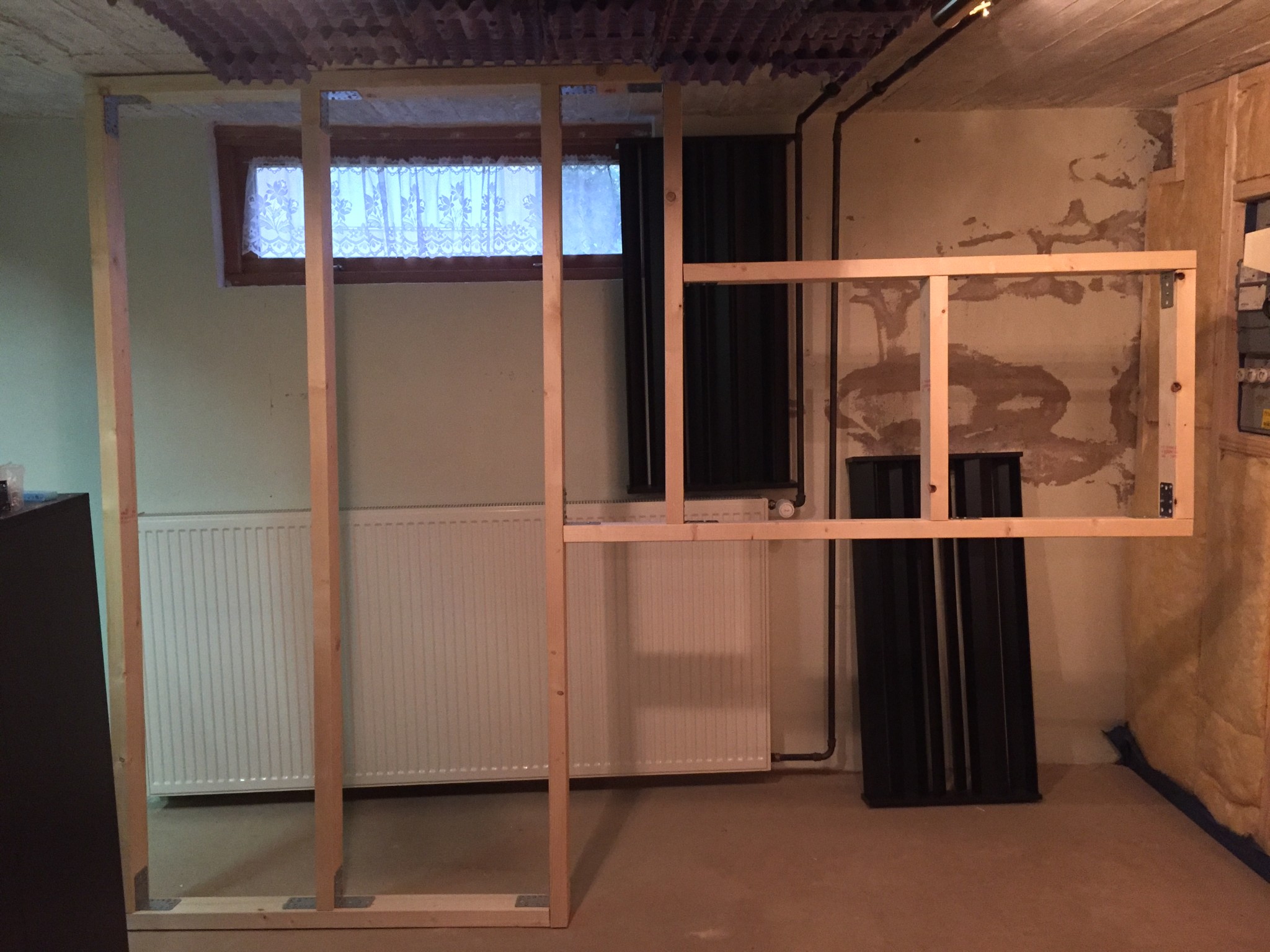
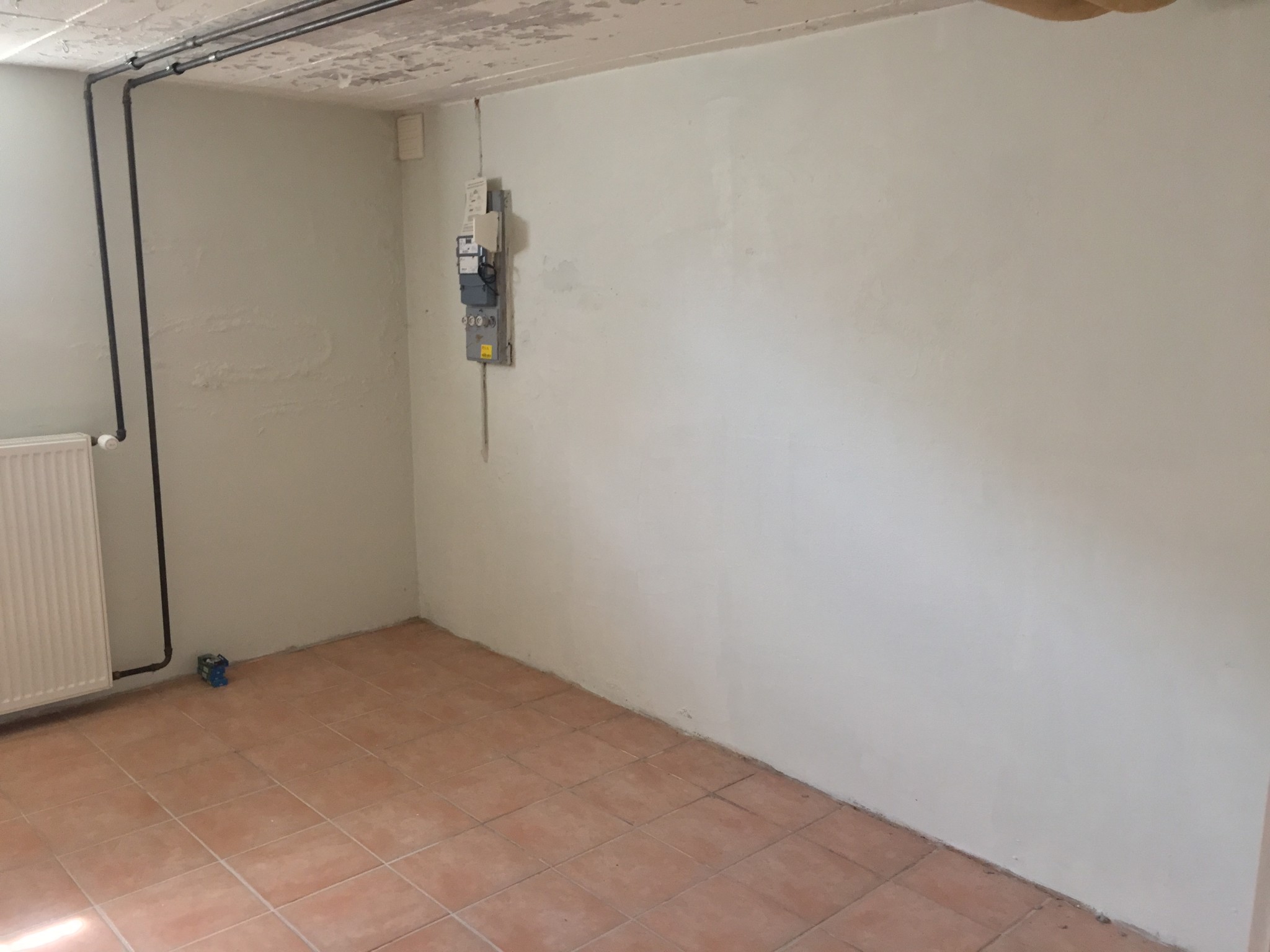
This is how it looks now:
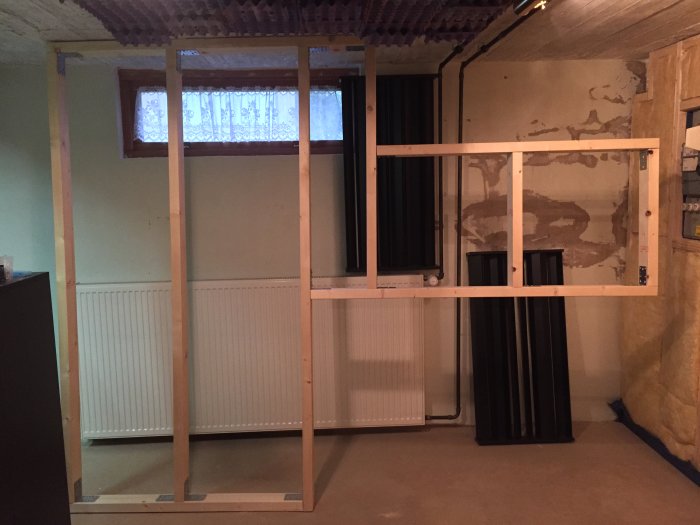
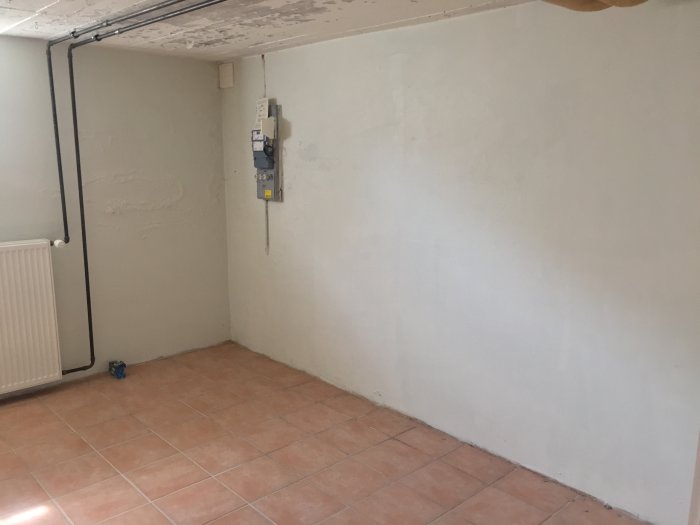
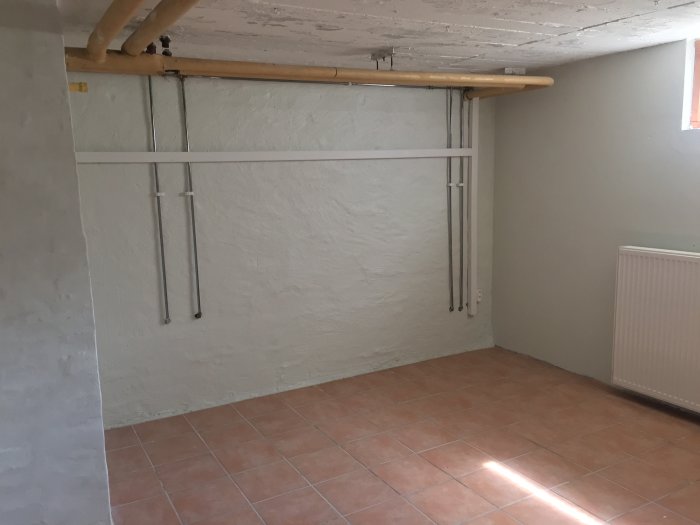
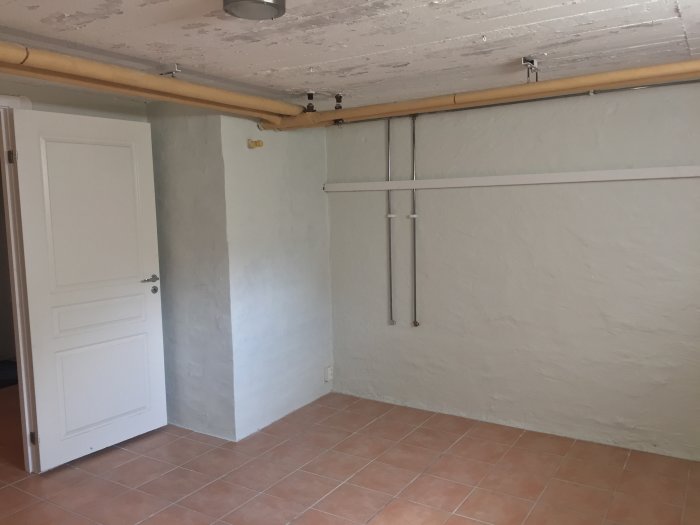
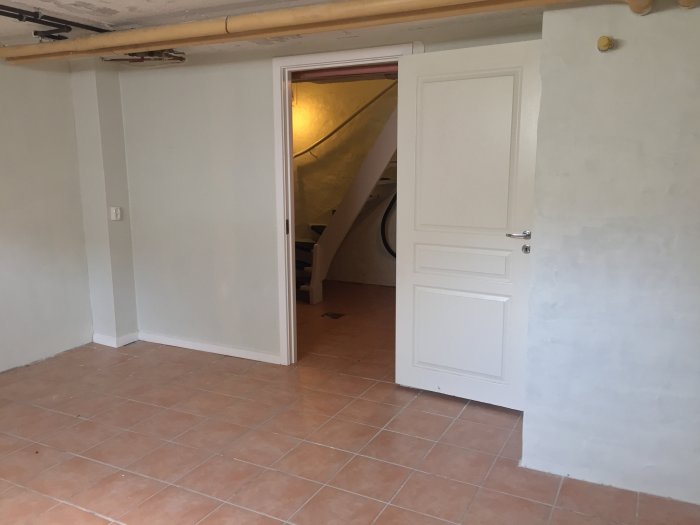
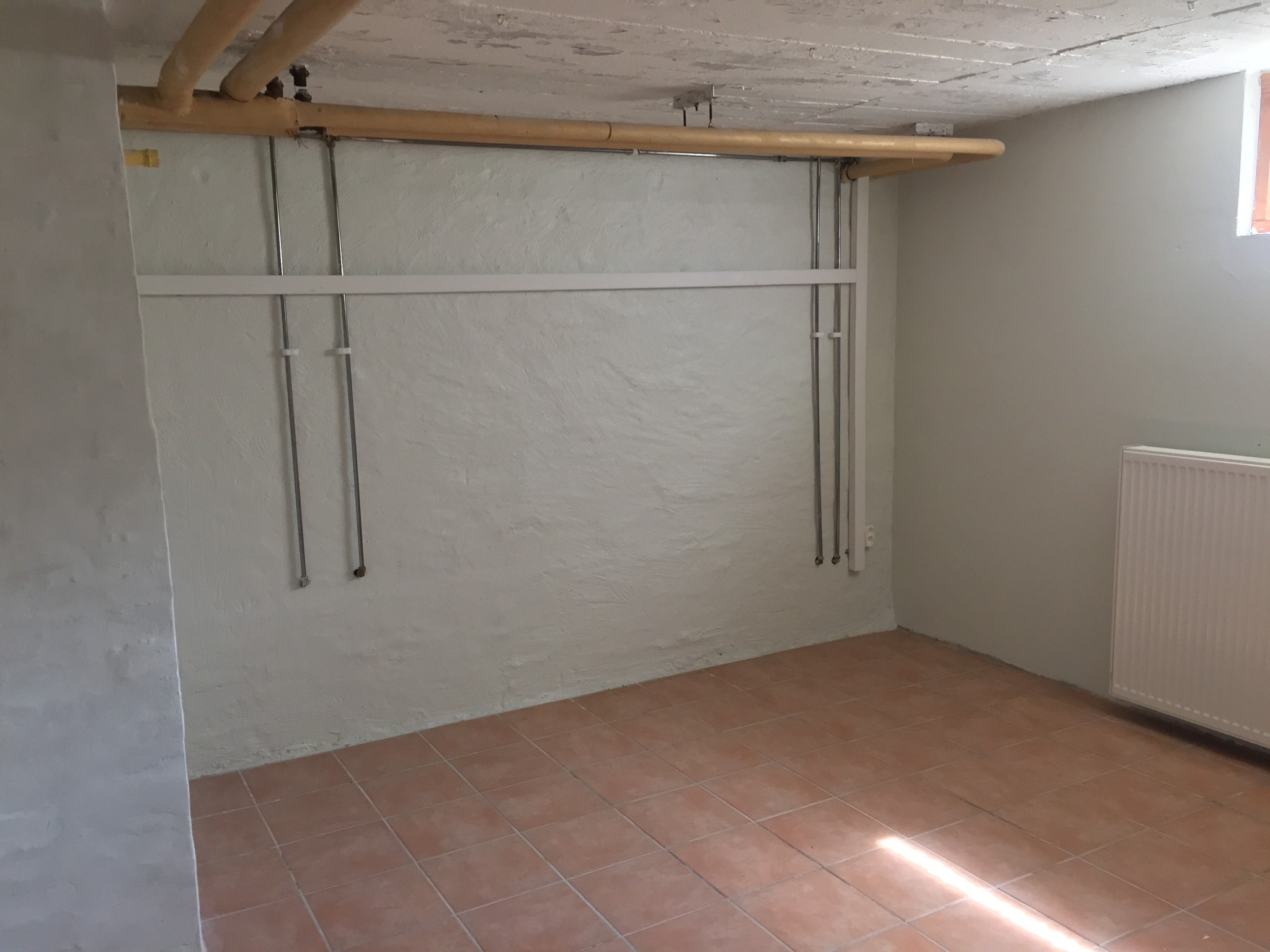
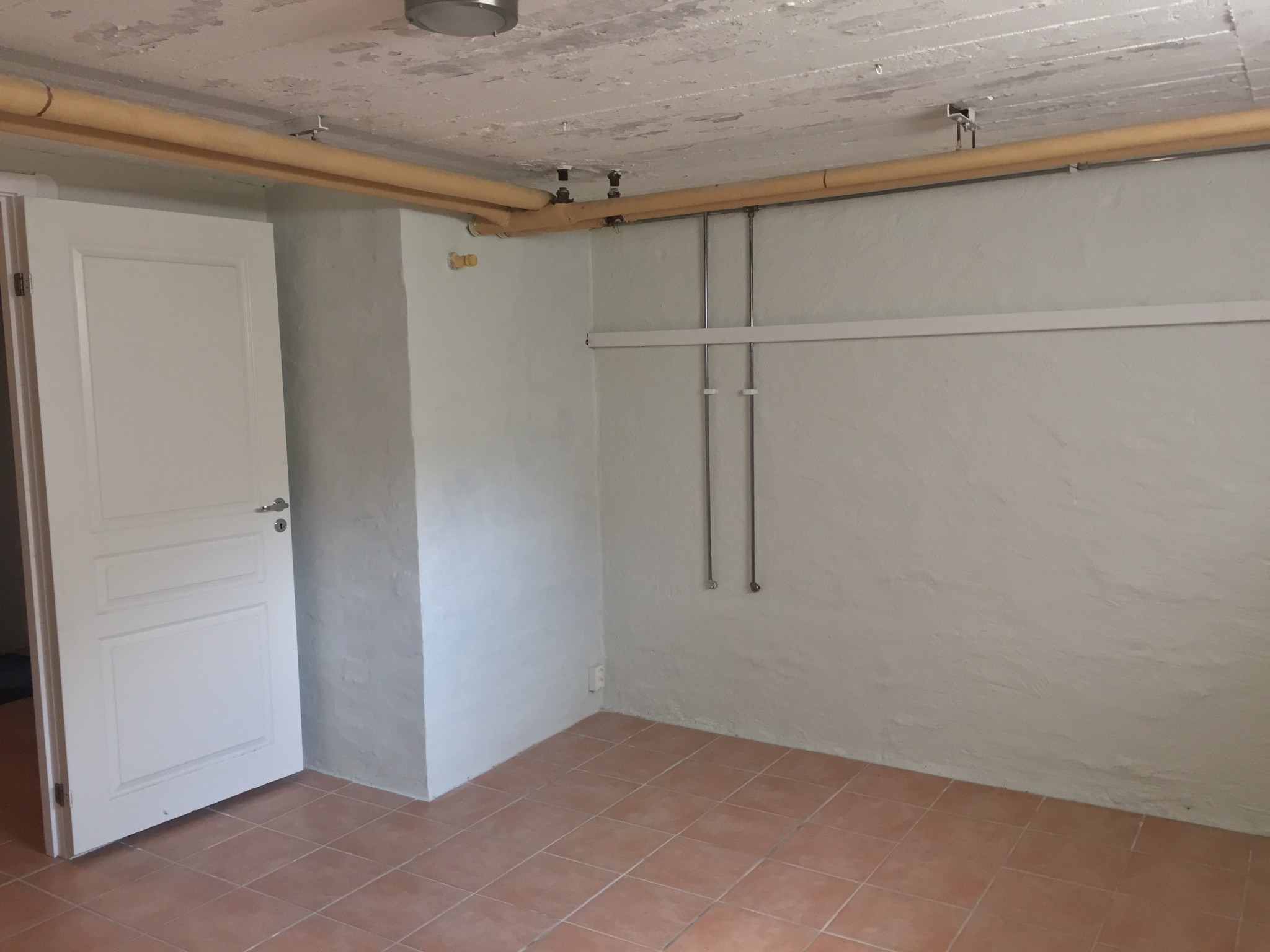
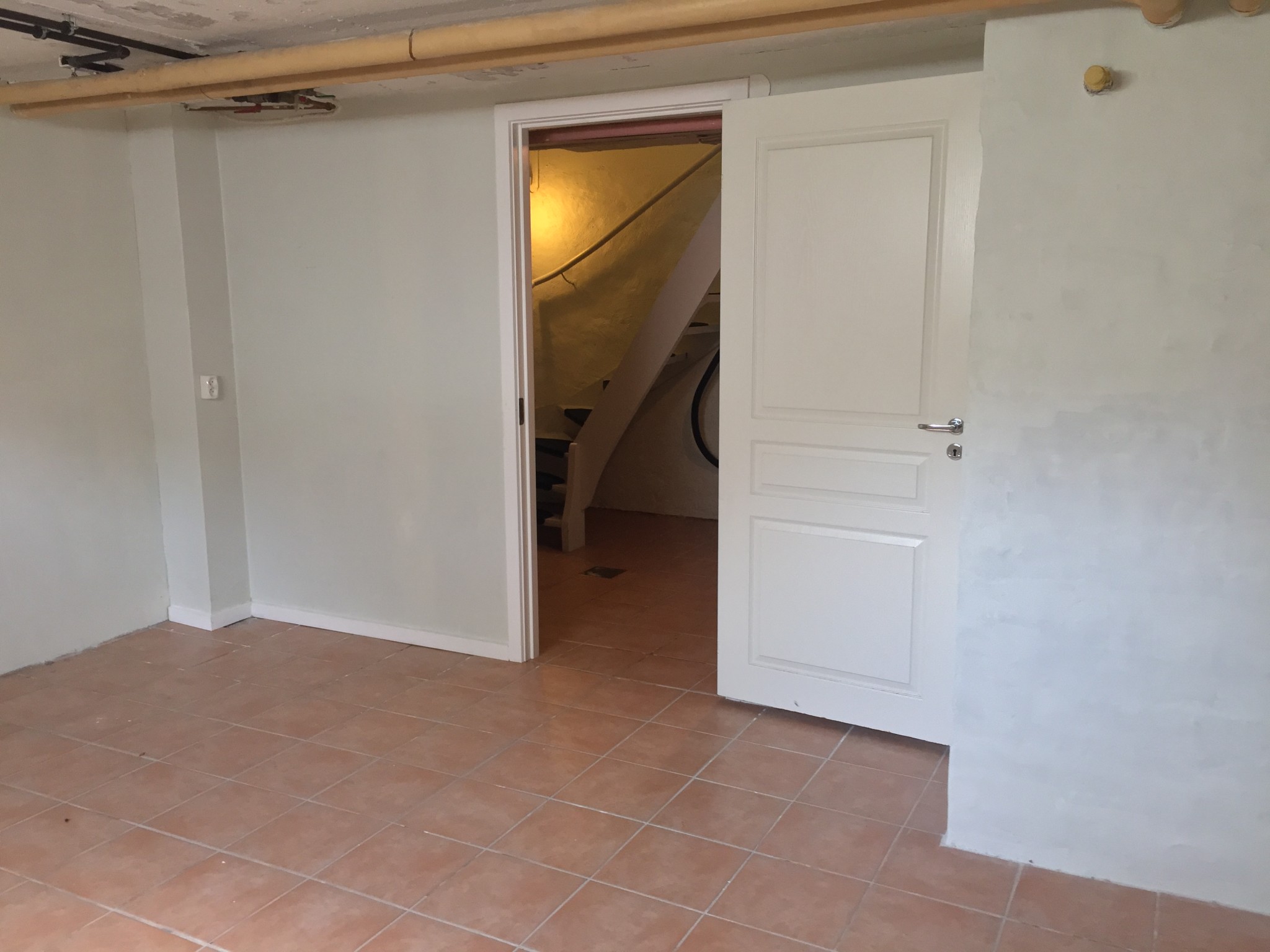
This is how it looked:
Is it just a matter of tearing it down?! The acoustic engineer didn't mention anything about potential moisture problems, so I haven't even thought about it.
I assume the insulation is for room acoustics and will be covered with fabric later. You should have a ventilated air gap when building against the outer wall. What you can do is remove the insulation and shave down the panels by a third (does not significantly affect absorption in the low end if you maintain the construction depth). Then ensure the gap is ventilated, either mechanically or with slots.
There is a vent at the top left on the front wall (image 1)
unfortunately, I've bitterly experienced that ventilation of that intermediary layer is never enough unless you step it up. So, for instance, a humidity-controlled bathroom fan that can handle a basement environment. It's important that the space behind the insulation is dry. External drainage and insulation can help a lot, but moisture often gets in anyway. How is it supposed to disappear? Usually, by being ventilated away. Either it's taken into the basement to then be ventilated out or removed directly.
Click here to reply
Vi vill skicka notiser för ämnen du bevakar och händelser som berör dig.