In our house built in '73, there is a plastic vapor barrier in the walls and ceiling. The problem, as I see it, is that it is incorrectly installed.
The plastic in the ceiling does not overlap the plastic in the wall, creating an open gap. The risk of moisture getting into the cold attic is, of course, a possibility, but since the house has mechanical exhaust ventilation, there is constant negative pressure inside. This causes "attic smell" to be drawn into the house.
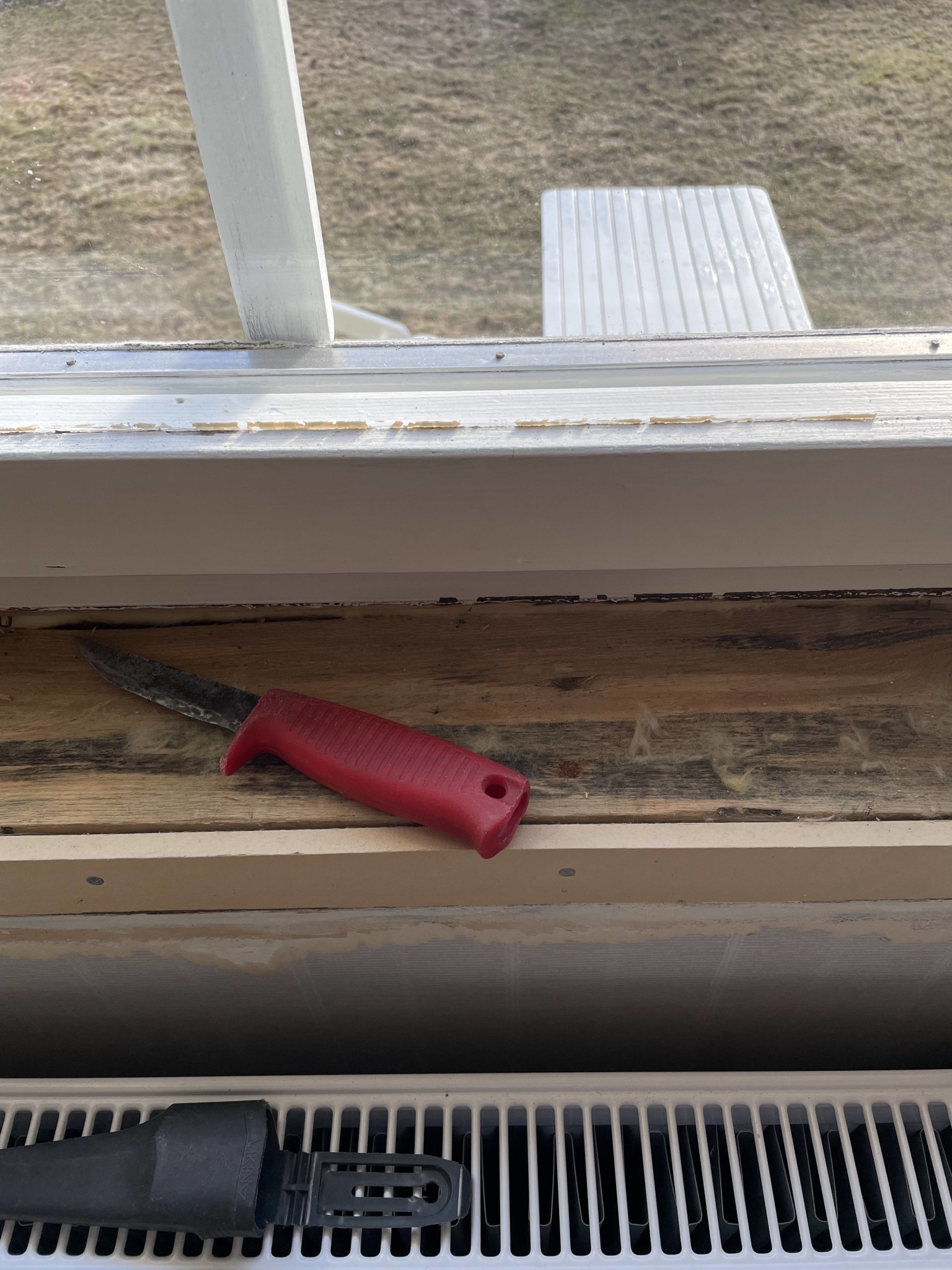
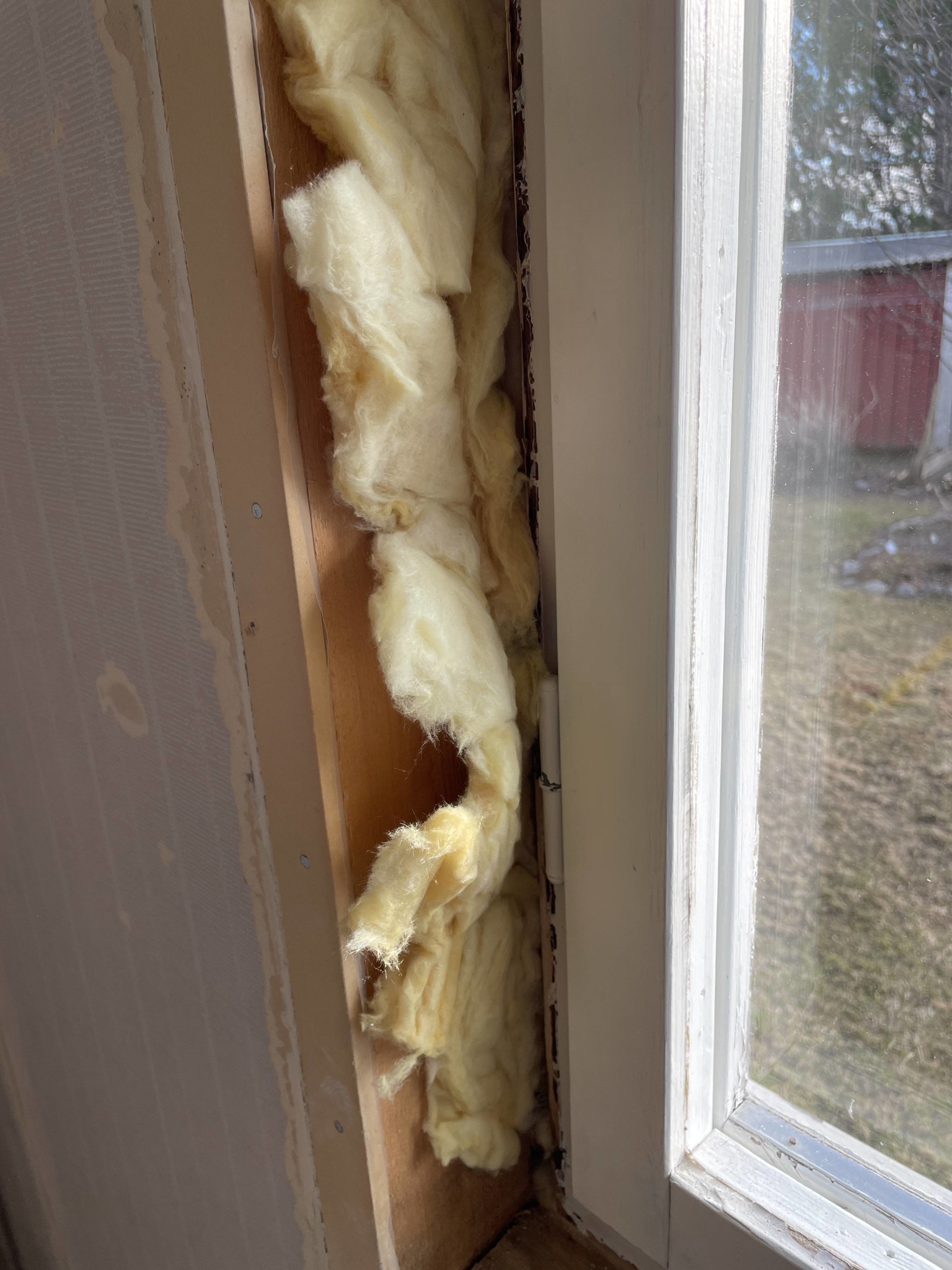
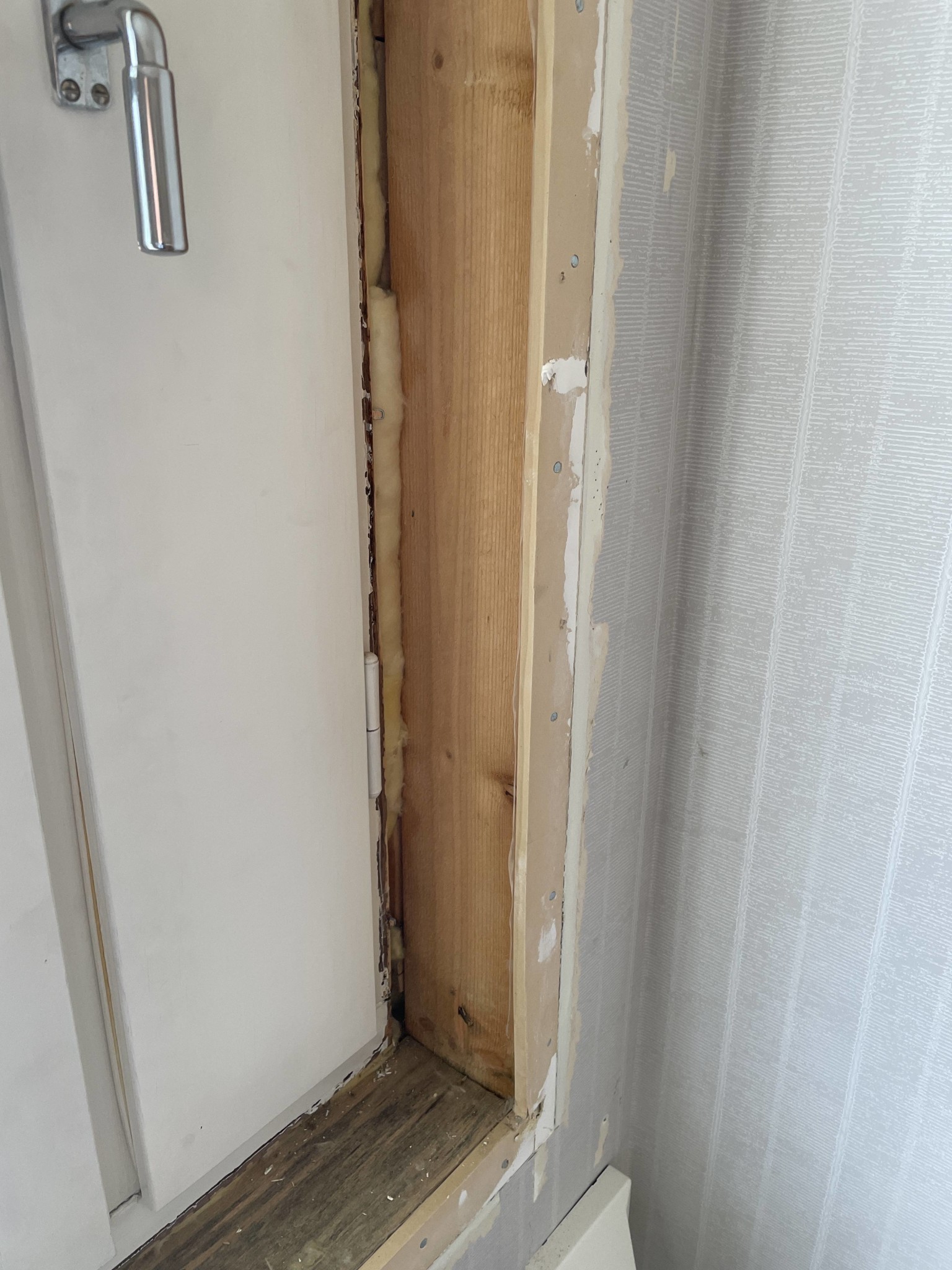
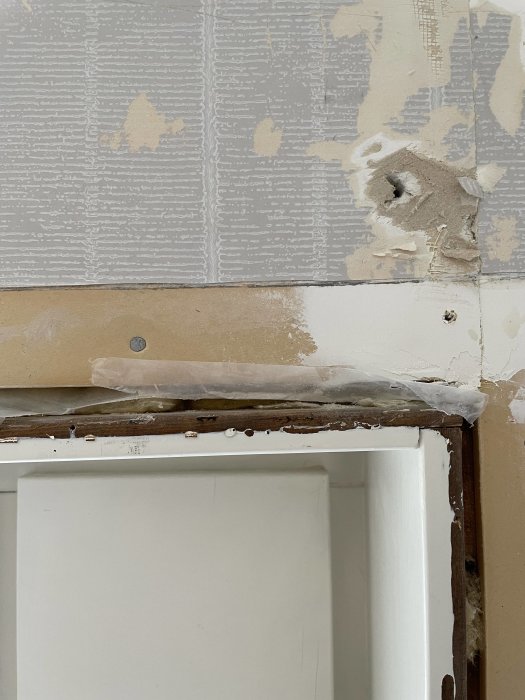
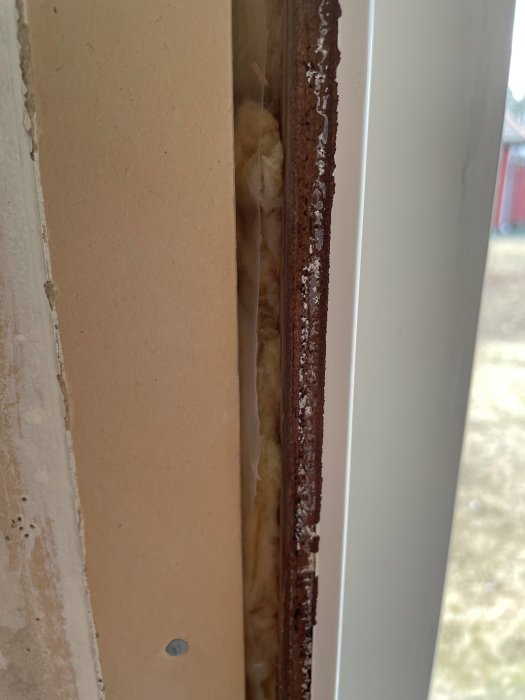
When I was removing window trim to re-wallpaper a room, I also discovered that the vapor barrier does not seal tightly against the window frame.
So what to do?
1. Use foam sealant on the gap in the ceiling to avoid the smell from the attic? Ignore the windows (since it has worked for 50 years)?
2. Tear down walls and ceiling and try to patch plastic where it is missing? This is a large and tricky operation since the plastic is directly on the ceiling and the ceiling is nailed from underneath to the rafters. It should also be mentioned that the plastic is pressed against the drywall in the walls.
3. Other options?
Here is a picture of how it looks around the windows:
Why do you have a particular smell in the attic? How is the ventilation up there?
It's difficult to describe a smell. But I think it's primarily the sawdust that is giving off an odor. There is some mold growth and that might be contributing to the smell. The previous owner who had exhaust vents installed also nailed reference boards at the same time, and they are not affected. The attic ventilation is through gable vents and eaves. However, the insulation is pressed against the roof truss in many places at the eaves, so how much ventilation there is, I don't know.
It's more controlled with a decent tape roll compared to foam
[link]
Unfortunately, the seam is so poor that it's hardly possible to join it with tape. The plastic in the wall doesn't extend past the ceiling, and the plastic in the ceiling ends exactly where the inner wall begins.
Foam can easily get messy but if you do it from the attic, it doesn't matter how it looks I think. If foam even works for the purpose?
In the 70s, plastic wasn't given much importance. Additionally, it is too often not age-resistant, so if you want to do it right, you'll have to re-plastic the entire house.
In the 70s, they weren't very particular with the plastic. Additionally, it is often not age-resistant, so if you want to do it right, you need to re-plastic the entire house
then the question is how "particular" does it have to be?
The house, as mentioned, has good negative pressure, where air can seep in you can feel with your hand that there's a draft.
If you're not supposed to be too particular with the plastic, maybe it's enough to seal so that it doesn't draft from the roof (to avoid bad air from the attic) and around windows where the work is obviously poorly done. Thoughts on that?
In our house built in 73, there is a vapor barrier made of plastic in the walls and ceiling. The problem is that, as I see it, it is incorrectly installed.
The plastic in the ceiling does not overlap the plastic in the wall, creating an open gap. The risk of moisture getting up into the attic is obviously a fact, but since the house is equipped with mechanical exhaust, there is constant underpressure in the house. This causes a "roof smell" to be drawn into the house.
When I removed the window trim to repaper a room, I also discovered that the vapor barrier does not seal properly against the window frame.
so what to do?
1. Foam the gap in the ceiling to avoid smell from the attic? Ignore the windows (because it has worked for 50 years)
2. Tear down walls and ceiling and try to splice in plastic where it is missing? This is a big and complicated intervention as the plastic is located directly on the inner ceiling and it is nailed from below in the rafters. It should be added that the plastic is also flush against the drywall in the walls.
3. Other alternatives?
here is a picture of how it looks around the windows: [image][image]
You should probably check the air supply to ensure it can come in at the intended place, instead of being drawn from the attic. If you have a proper air supply, you shouldn't have much underpressure.
You should probably check the intake air to ensure it comes in at the intended location, instead of being drawn from the attic. If you have reasonable intake air, you shouldn't have much negative pressure.
112 m2 living area plus 112 ancillary area in the form of a basement. This is ventilated with 4 exhaust vents plus a moisture and time-controlled fresh fan. The central exhaust vent (excluding the fresh fan) should provide a flow of about 45 l per sec according to the technician who adjusted it in the fall. There are 5 intake vents and I try to keep open between rooms.
Living area
- Kitchen
- Bathroom
4 intake vents
Ancillary area
- Laundry room
- Toilet
- Shower sauna (the fresh fan)
1 intake vent.
If I seal, should I add more intake vents? How much is it common to have in relation to room/living area/ventilation flow, etc.?
I had sealed with construction foam.
But buy a foam gun at a place like BilTema and a container that can be screwed on! https://www.biltema.se/bygg/kemikalier/fogpistoler/fogskumspistol-2000023750
Construction foam is airtight as long as you don't cut the surface.
When construction foam is dry on the surface, you can push in the excess.
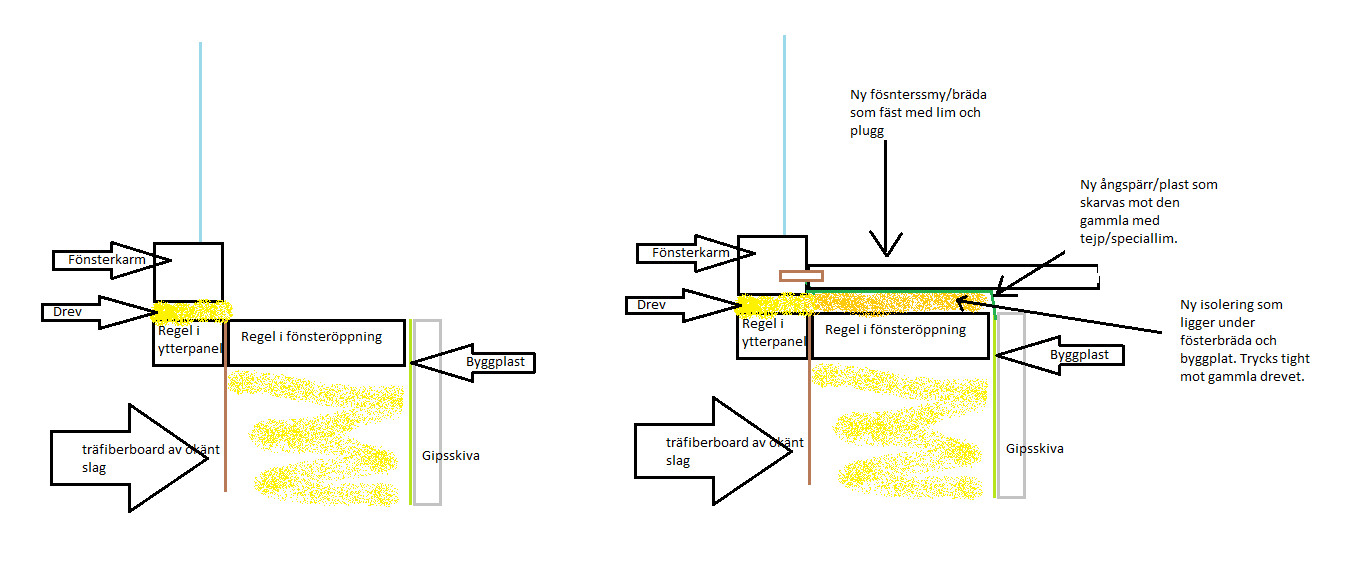
This is how I plan to try doing it. Is there anything wrong with this? Or is it better to place the vapor barrier against the joist and the insulation on top?
This is how I'm thinking of trying to do it. Is there anything incorrect in this? Or would it be better to place the vapor barrier against the beam and the insulation on top?
To clarify the image, on the right is how it currently looks and on the left is my idea of how I'm going to do it.
As with most things I do, things take time, but now I've gotten as far as sealing the old plastic with tape against the beams, see image.
The question is how I best fix the insulation of the old window? Foam seems like a convenient solution but there seems to be divided opinions on this material.
I want to get it as tight as possible between the green tape and out to the window frame. In the original construction, it was also sealed with insulation between the lining and the beams. And this feels logical as the window is attached to beams/battens on the outside of the wall (i.e., in the cold part of the wall).
If I now foam everything together, should I then remove the insulation from the outside and apply foam straight through? Or can I let the old insulation that remains act as a backing rod?
Click here to reply
Vi vill skicka notiser för ämnen du bevakar och händelser som berör dig.



Matti_75 said: