
Hello,
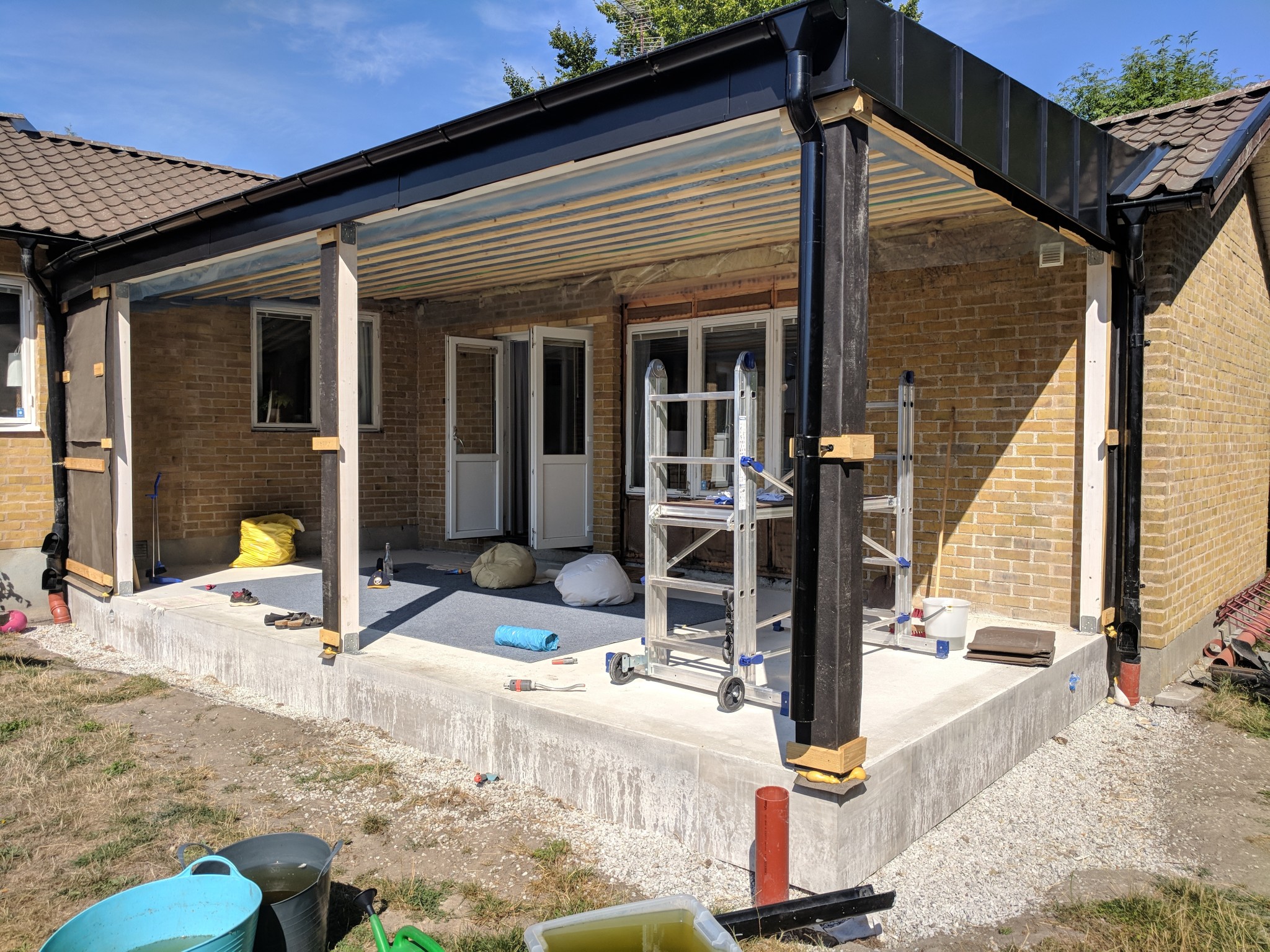
I am building a conservatory. It will be heated with water-based underfloor heating all year round, with an insulated roof, and glass sections on two of the four walls - the other two are existing brick walls, i.e., the current outer walls that we are enclosing.
We have been back and forth on what surface to give these new "inner" walls and were for a long time considering covering them with wood paneling but are now thinking of plastering them with gypsum plaster, gypsum, and probably a thin layer of multiputs on top according to this method: https://gds.se/vagg/putsa-vagg/putsa-vaggarna-tva-steg-till-slata-vaggar (paid link)
I've tried to read up on it but can't really make sense of whether there is any reason it wouldn't be a good idea. I'm mainly thinking of two reasons; moisture or heat. Maybe there are more?
Regarding moisture, the gypsum plaster is only for indoor use - the conservatory seems to be a bit of a gray area between outside and inside, but I've read forum threads about people who have used it in basements without issues, so it should be fine, right?
As for heat, I find very little information; someone has used it on chimneys and so, but they don't really get that hot anyway. It's hard to predict now, but on a summer day with blazing sun and without the doors open, I guess we will reach quite high temperatures in the room. Could that be a problem?
I would greatly appreciate any advice and recommendations.
I also have an opened bag of Weber gypsum that I believe has been sitting for about two years, left by a craftsman. I was thinking of mixing some to test it out, but is that a bad idea? It says on it that it can be stored for 6 months in a dry area, but I've kept it in my fairly dry basement for presumably two years.
I am building a conservatory. It will be heated with water-based underfloor heating all year round, with an insulated roof, and glass sections on two of the four walls - the other two are existing brick walls, i.e., the current outer walls that we are enclosing.
We have been back and forth on what surface to give these new "inner" walls and were for a long time considering covering them with wood paneling but are now thinking of plastering them with gypsum plaster, gypsum, and probably a thin layer of multiputs on top according to this method: https://gds.se/vagg/putsa-vagg/putsa-vaggarna-tva-steg-till-slata-vaggar (paid link)
I've tried to read up on it but can't really make sense of whether there is any reason it wouldn't be a good idea. I'm mainly thinking of two reasons; moisture or heat. Maybe there are more?
Regarding moisture, the gypsum plaster is only for indoor use - the conservatory seems to be a bit of a gray area between outside and inside, but I've read forum threads about people who have used it in basements without issues, so it should be fine, right?
As for heat, I find very little information; someone has used it on chimneys and so, but they don't really get that hot anyway. It's hard to predict now, but on a summer day with blazing sun and without the doors open, I guess we will reach quite high temperatures in the room. Could that be a problem?
I would greatly appreciate any advice and recommendations.
I also have an opened bag of Weber gypsum that I believe has been sitting for about two years, left by a craftsman. I was thinking of mixing some to test it out, but is that a bad idea? It says on it that it can be stored for 6 months in a dry area, but I've kept it in my fairly dry basement for presumably two years.

If it’s warm and dry year-round with insulated walls, gypsum plaster works fine. If it's an exterior wall without insulation (light concrete, brick, concrete) it doesn’t work.J Johan E Henricson said:Hi,
I'm in the process of building a conservatory. It will be heated with water-based underfloor heating year-round, insulated roof, glass sections on two of four walls - the other two are existing brick walls, the current exterior walls that we are enclosing.
We've been going back and forth on what to give these newly made "inner" walls for surface treatment and for a long time considered covering them with wood paneling, but are now thinking of plastering them with gypsum plaster, gypsum and probably a thin layer of multiputs according to this method: [link] (paywall link)
I've tried to read up a bit but I'm not quite sure if there's any reason why this isn’t a good idea. I'm mainly thinking of two reasons; moisture or heat. Maybe there are more?
As for moisture, the gypsum plaster is only for indoor use - the conservatory seems to be a bit of a gray area between outside and inside but I've read forum threads about people who have used it in basements without problems so it should be fine, right?
As for heat, I can find very little, someone has used it on chimneys and such but they don't get that hot anyway. It’s hard to predict right now, but on a summer day in blazing sun and without the doors open I guess we will reach quite high temperatures in the room. Could that become a problem?
I would be very grateful for responses and advice.
I also have an opened bag of Weber gypsum that I believe has been standing for about two years left by a craftsman. I was thinking of mixing some and testing with it, but is it a bad idea? It says on it that it can be stored for 6 months in a dry space but I've had it in my fairly dry basement for probably two years.
I wouldn't use gypsum plaster at all on an exterior stone material wall, even if it's insulated, because there can be quite a bit of moisture movement in/out and then the gypsum plaster will crack or detach.
Okay. Thanks for the answer.
It should be warm and dry all year round, my concern is rather that it might get too warm during the summer, but then maybe it's nothing to worry about.
This is about the outside of what are today (insulated) external walls. Outside the brick. They will essentially become interior walls then. Do you mean it could be a problem? What would you use instead in that case?
It should be warm and dry all year round, my concern is rather that it might get too warm during the summer, but then maybe it's nothing to worry about.
This is about the outside of what are today (insulated) external walls. Outside the brick. They will essentially become interior walls then. Do you mean it could be a problem? What would you use instead in that case?
Click here to reply