I was thinking of converting a part of an old barn into a stable that meets today's regulations for height and such. The problem is that the ceiling height is only 2.1m because there are beams in the inner ceiling.
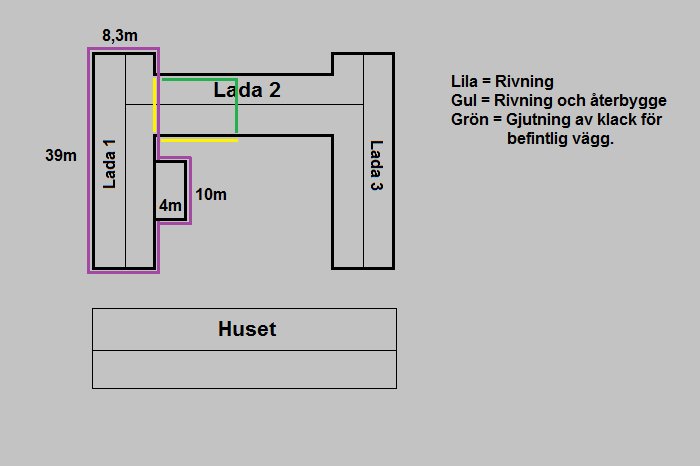
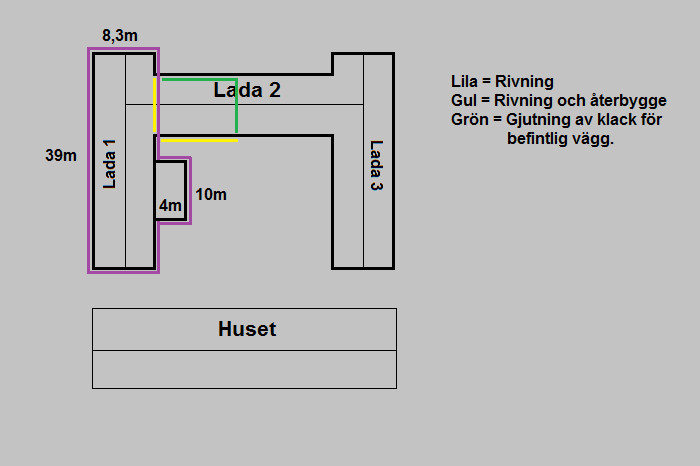
First, we need to demolish a barn to then demolish 2 outer walls of the stable and an inner wall. The new walls will be in lecablock 300mm. The problem is that I need to raise the ceiling height inside the stable. Digging out is pretty much ruled out.
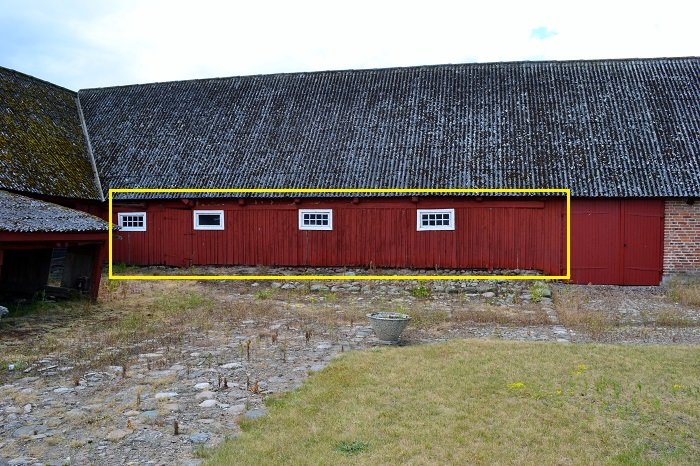
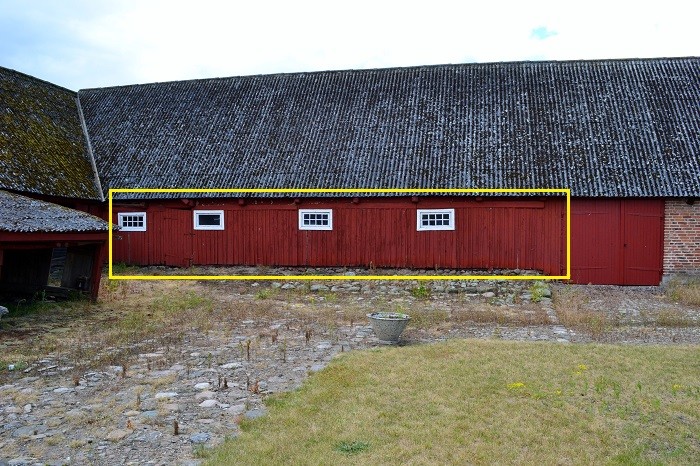
This part of the barn is going to become a stable and this is one of the outer walls that will be demolished. We've started demolishing the barn on the left.
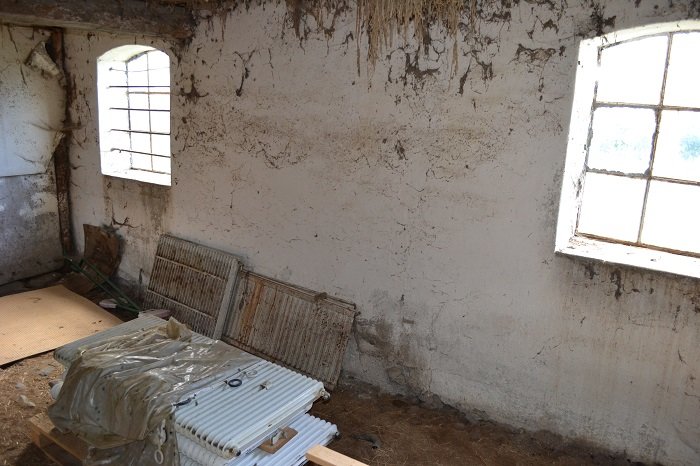
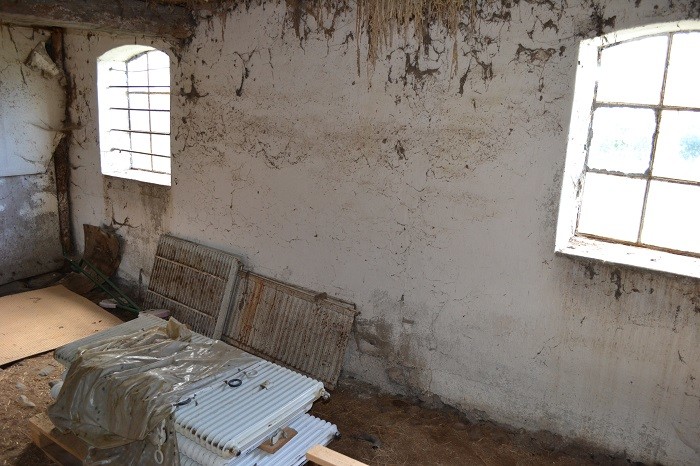
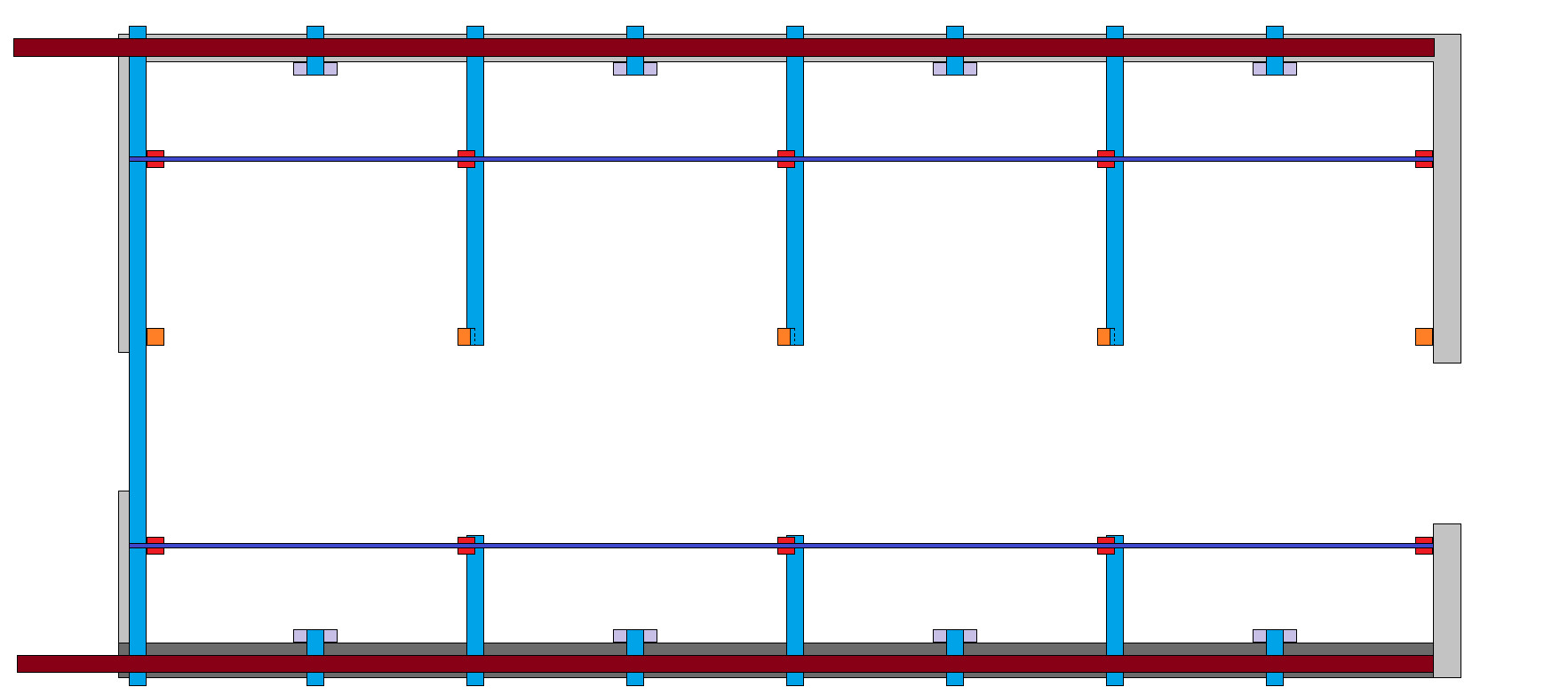
The back long side of the stable is of a newer type and is bricked like the other part of the barn that won't be a stable.
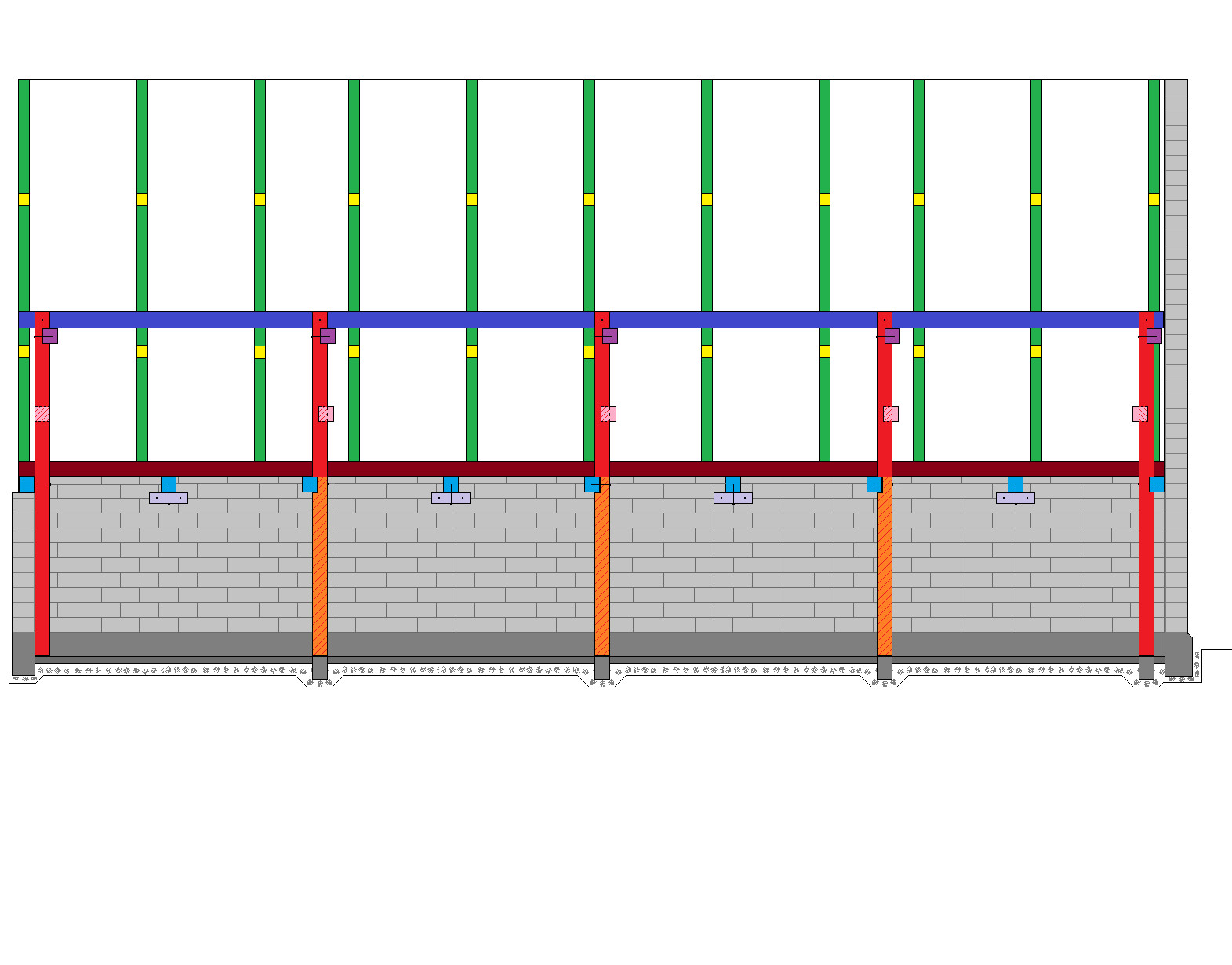
The long side of the outer walls that will be demolished and rebuilt.
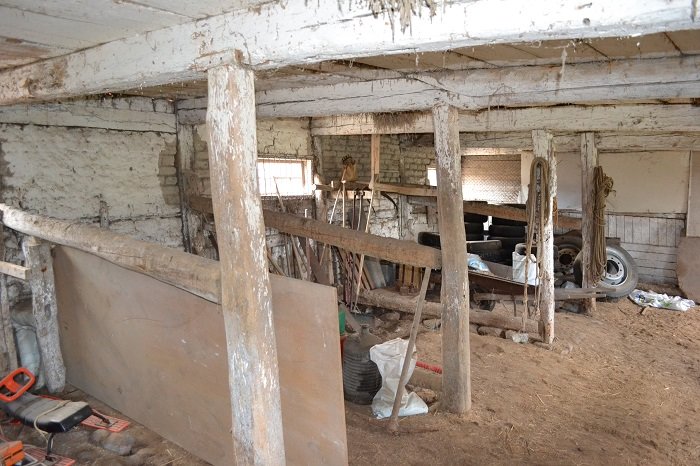
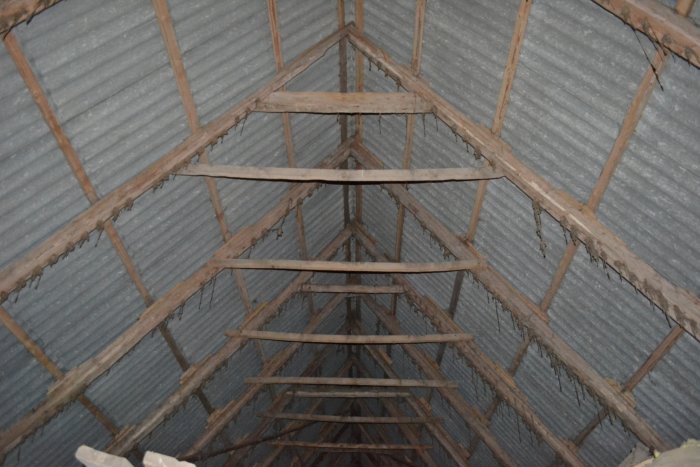
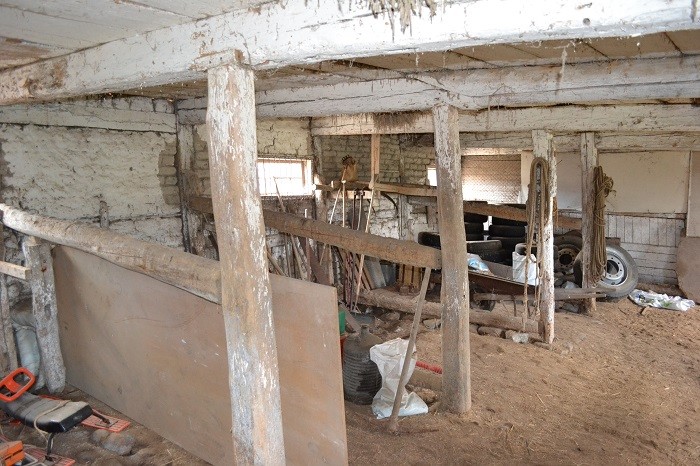
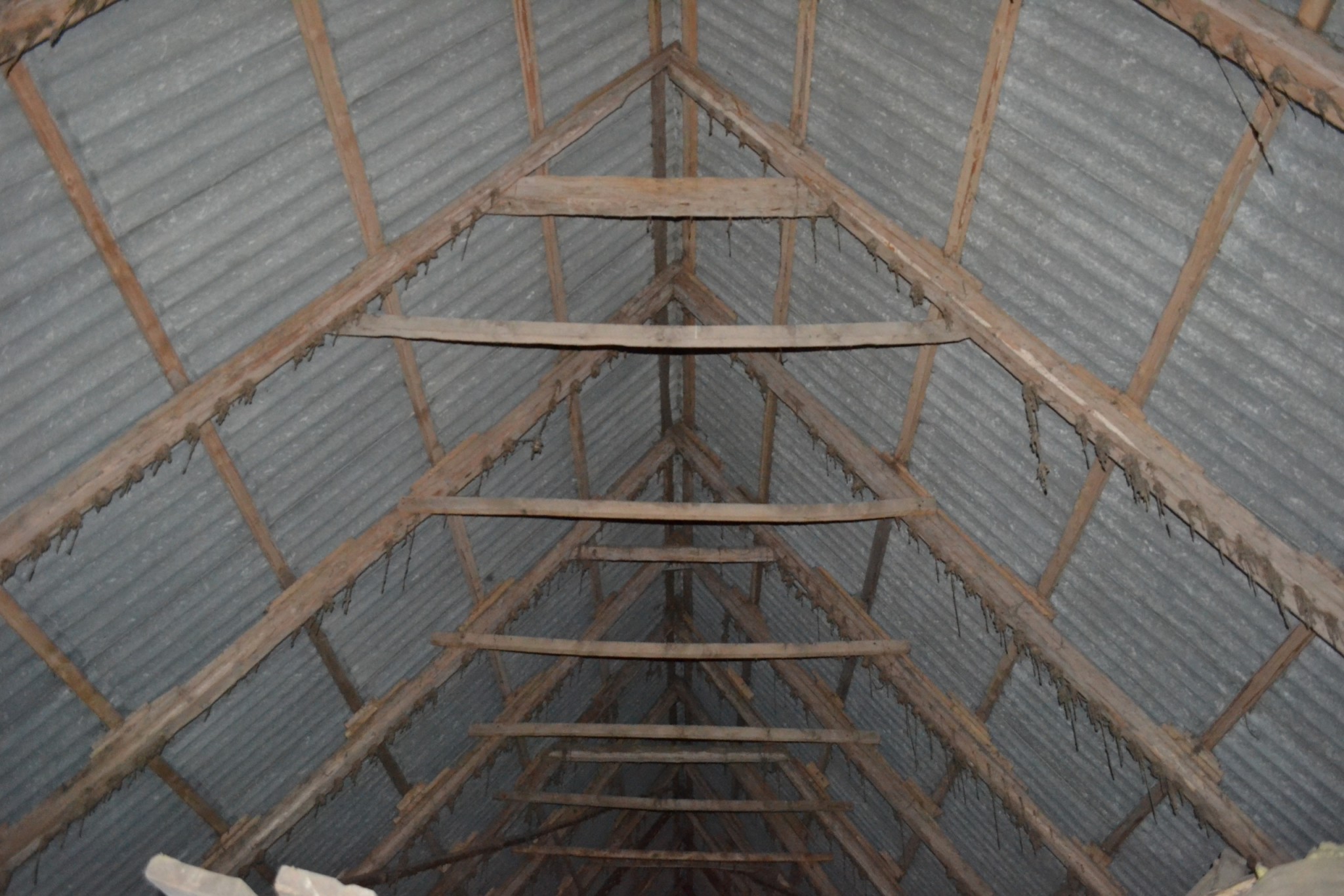
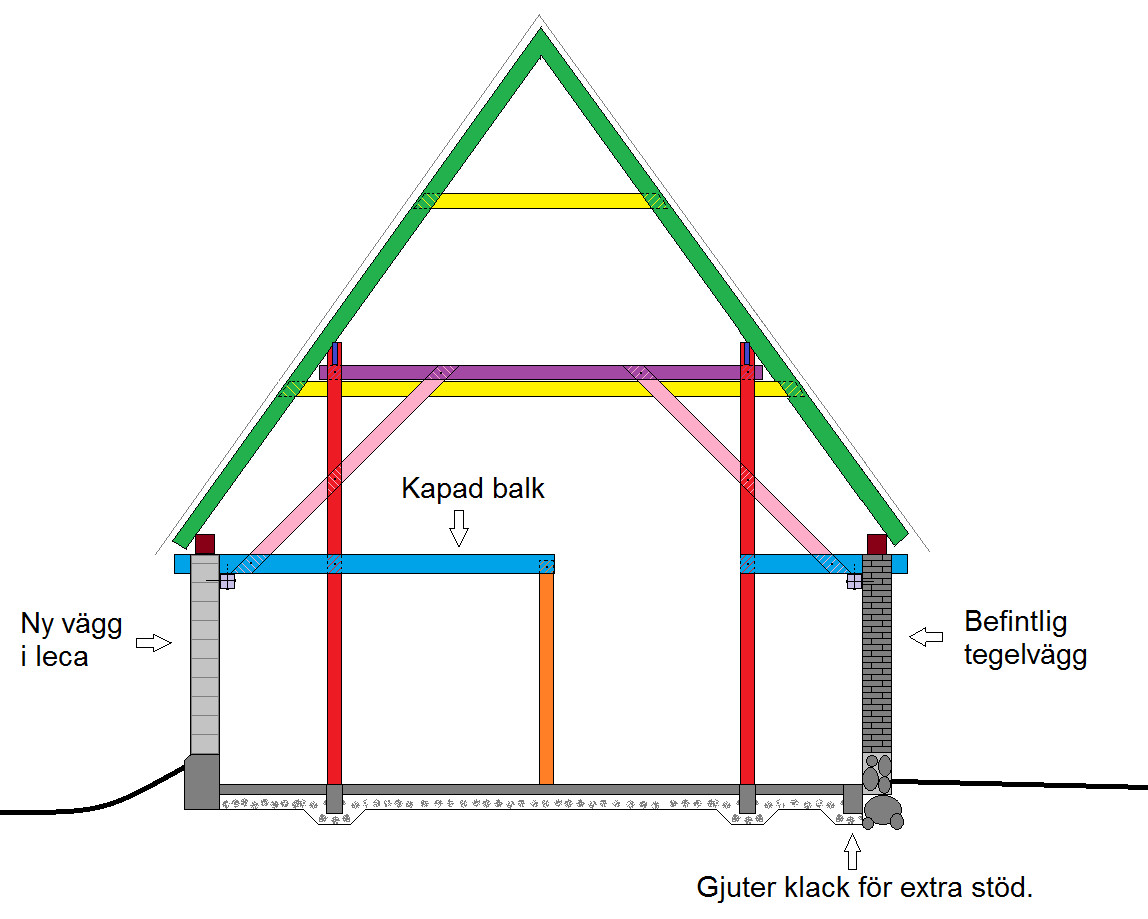
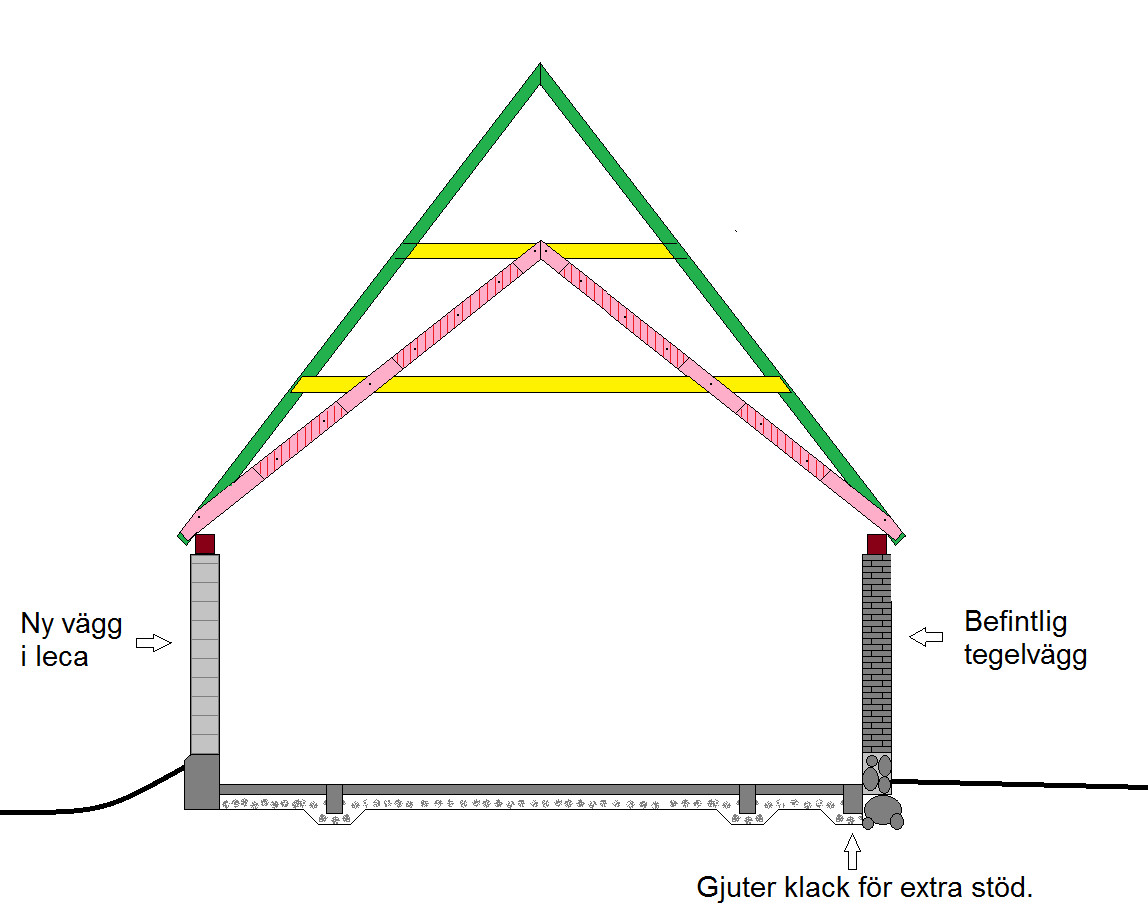
The trusses today... they rest on load-bearing beams which are held in place with beams that currently lie too low for having a stable as it looks now.
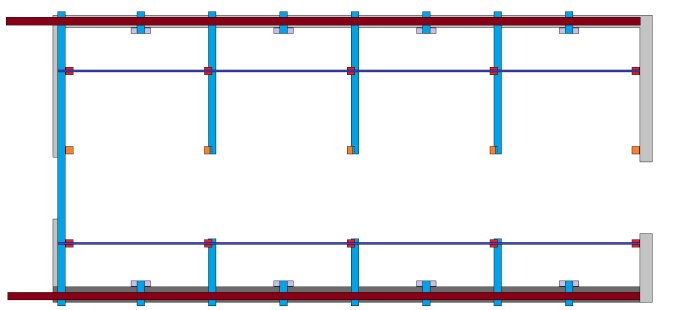
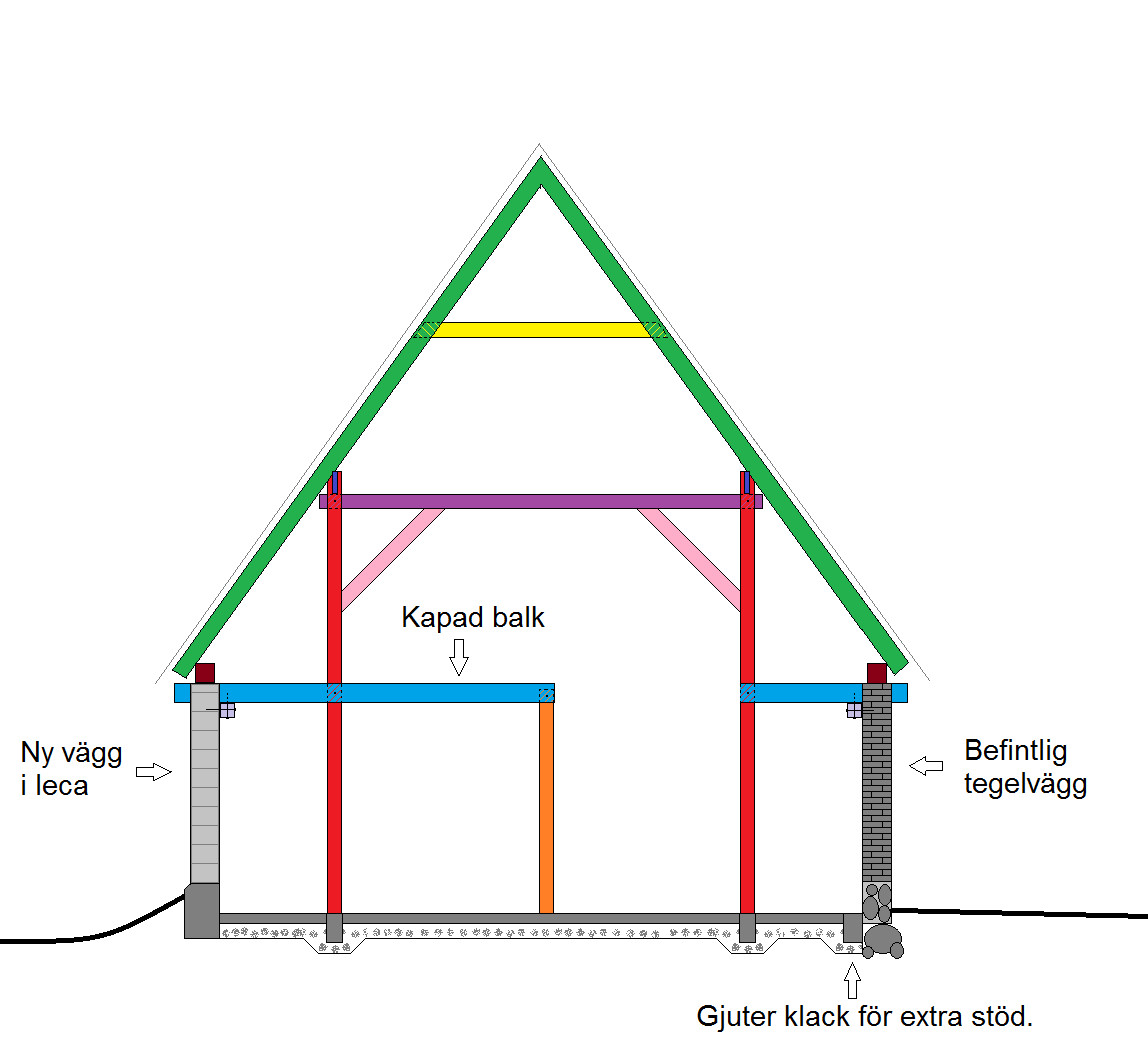
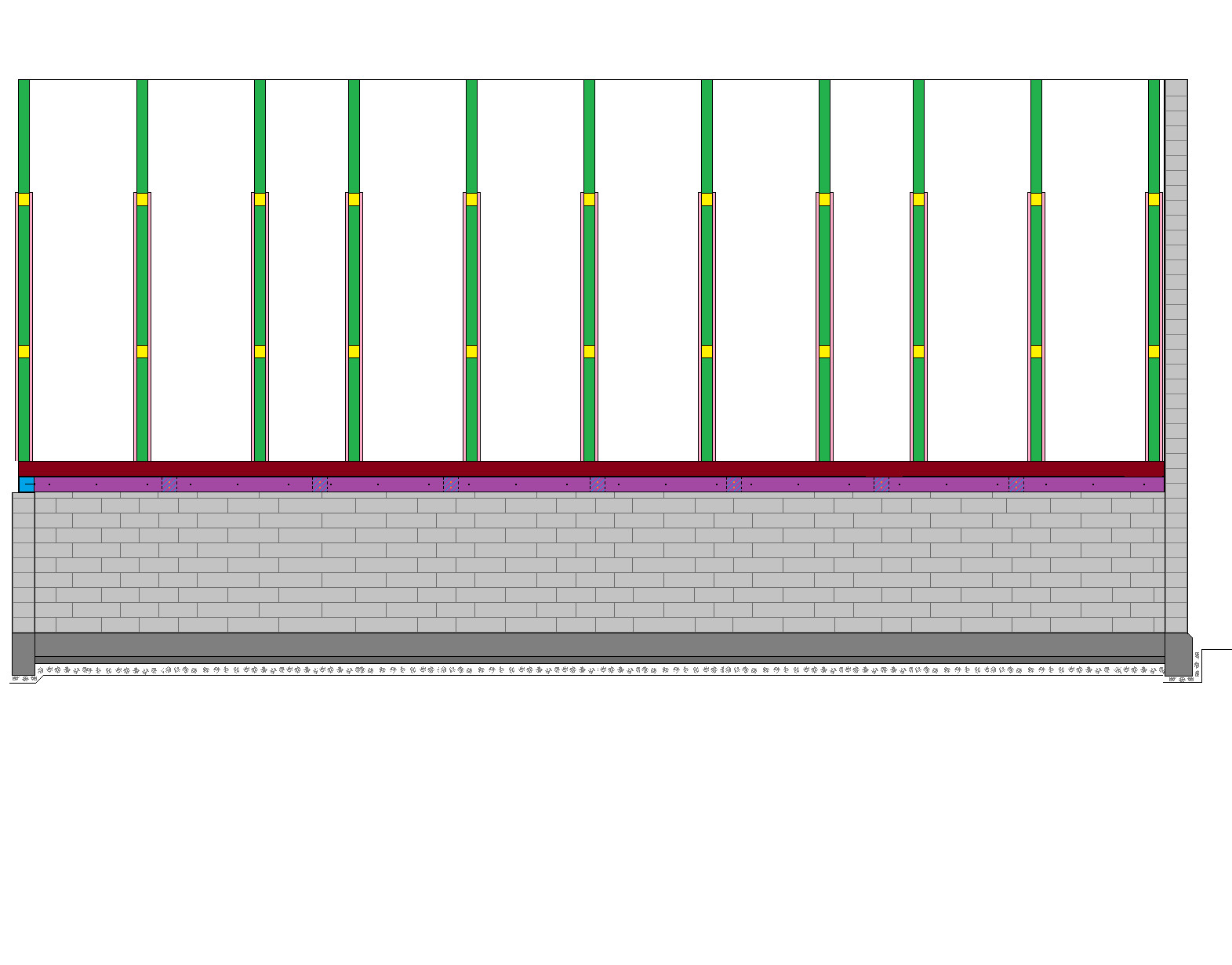
The stable part of the barn with the proposed reconstruction. The right side is the upcoming gable in leca and to the left, the barn continues even if it's not on the drawing.
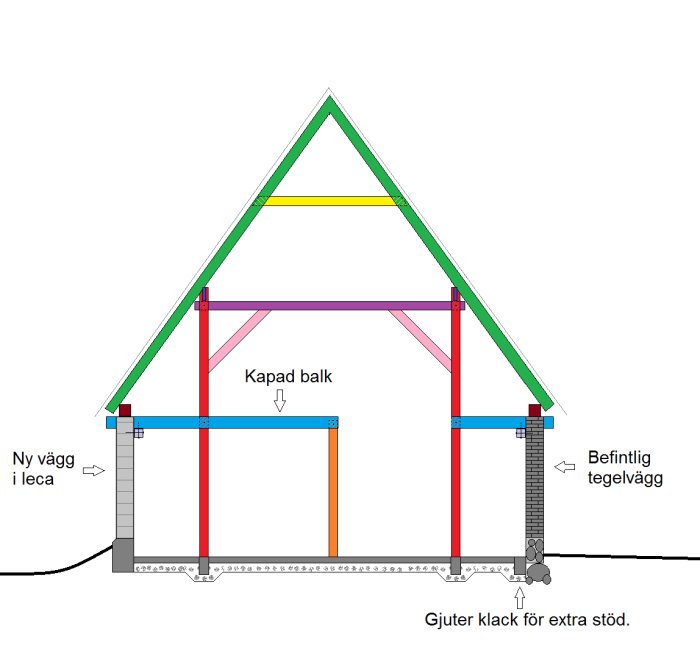
The blue beam is the one I want to cut and which is shown cut in the picture. The idea is that with the red, purple, and pink construction, I should be able to do this.
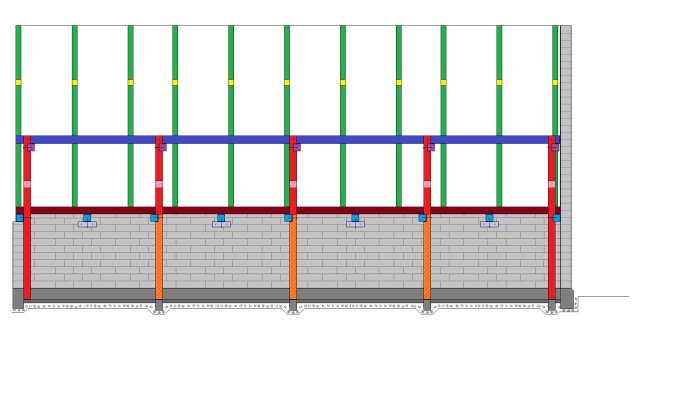
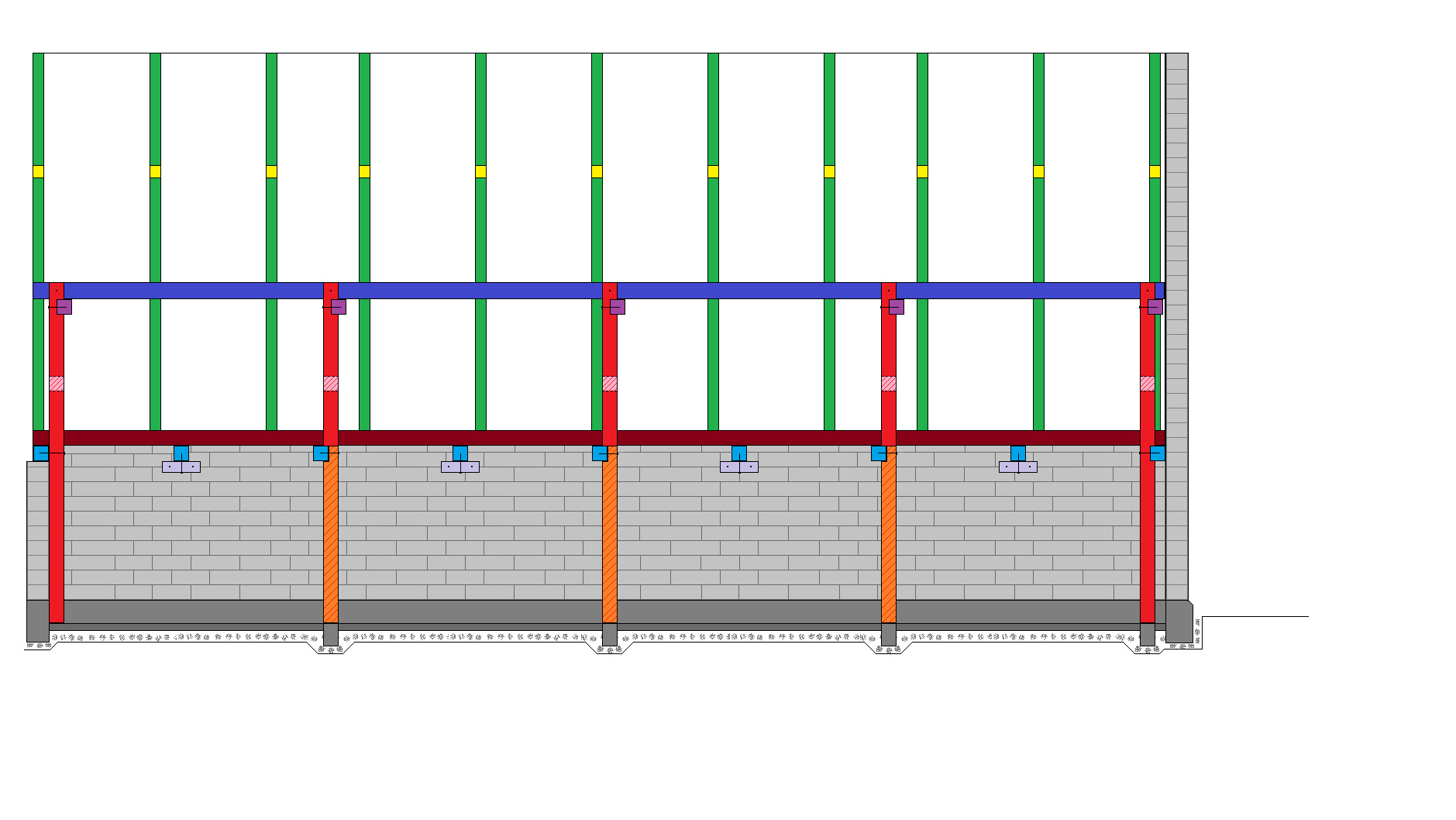
The stable seen from the side, hope you understand my fine drawings
Can I do this without it collapsing? Is there a better solution you think? I need all the help along the way here because I feel it's a bit over my head right now...
As I see it, your solution will have a much stronger construction if you do so, I'm unsure if the pillars are needed at all. But I would probably ask someone to calculate that. I would have moved the ceiling beam to the desired height and then reinforced the arm by screwing and gluing a 1-inch plank of appropriate width on each side.
The cut blue beams also have the task of keeping the building together so that forces from the roof trusses do not push out the walls.
When the beams are cut, it becomes the columns' task to absorb the outward tensile forces. Since they are also loaded from above, there will thus be fairly high demands for them to resist buckling. Therefore, the columns must primarily be stiff in that direction (outward).
Secure the purple beam thoroughly to the roof trusses. With this extra collar tie, the outward forces on the walls will reduce significantly.
One could also consider allowing the pink braces to continue diagonally down to the blue beams to further reinforce the construction.
The cut blue beams also have the task of keeping the building together so that forces from the roof trusses do not push out the walls.
When the beams are cut, it becomes the job of the columns to absorb the outward tensile forces. Since they are also loaded from above, quite large demands will be placed on them to resist buckling. Therefore, the columns must primarily be stiff in that direction (outward).
Secure the purple beam firmly to the roof trusses. With this extra collar tie, the outward forces on the walls will be significantly reduced.
One could also consider allowing the pink diagonals to continue slanting down to the blue beams to further stiffen the structure.
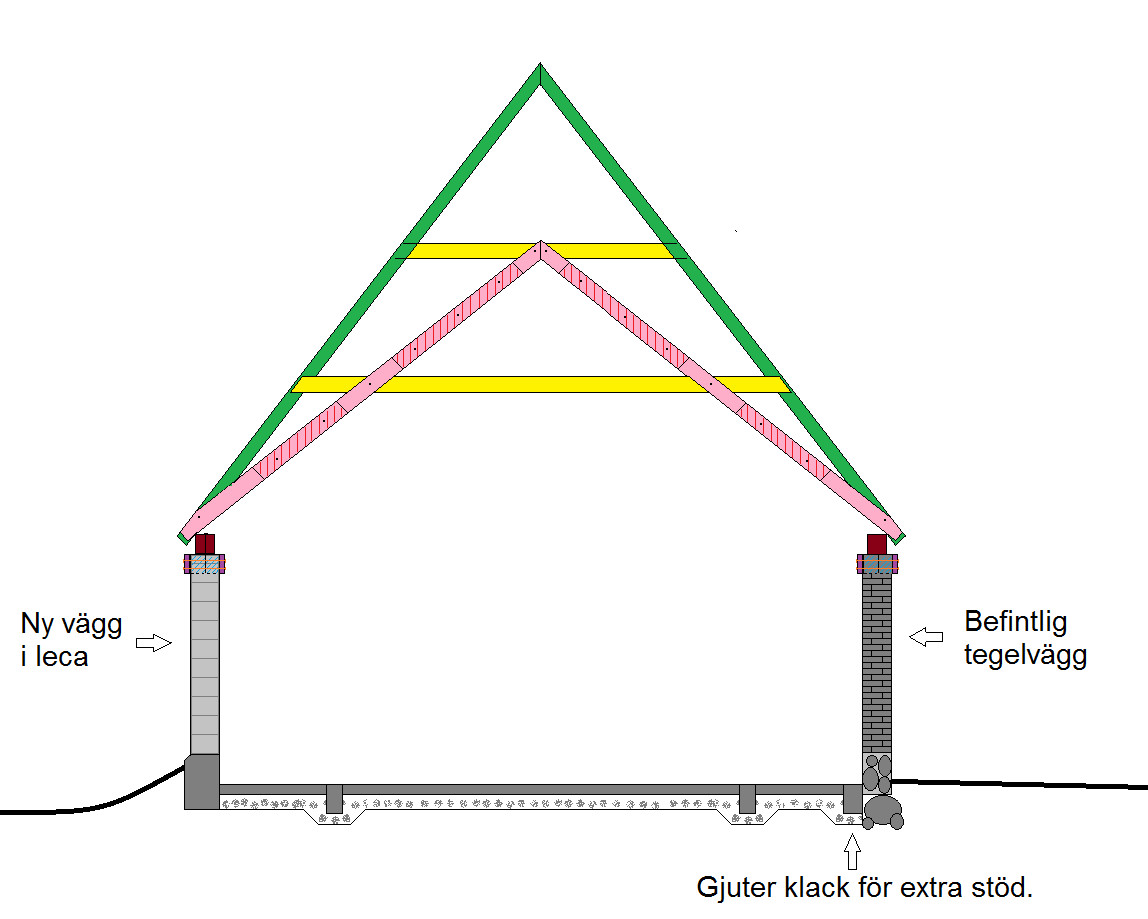
Good tip, the only thing is that the purple beam is not in phase with the roof trusses. But it can be solved this way, what do you think?
The blue beam at the top of the red post does hold the roof trusses as well.
Have you checked what brand new roof trusses cost? Your construction is quite advanced and can be costly. Call a roof truss manufacturer and ask them to calculate new ones, it's not impossible that it will be cheaper and you'll get a CE marked construction (always good from an insurance perspective)
Let the pink ones go all the way up to the top yellow and meet there in the middle. Nothing remarkable, and often easy to place two on each side of existing parts lengthwise. Choose no exaggerated dimension on these and bolt through at the points they pass and nail some blocks between where they lie parallel to stiffen them up.
Very easy to work this way and then cut down what needs to be removed, and your new supports aren't needed then either, they just seem to get in the way. Your new lower yellow should be placed there, it will be very good and many barns are built in a similar way.
Let the pink ones go all the way up to the upper yellow and meet there in the middle. Nothing special, and often simple to place two on either side of existing parts lengthwise. Don't choose an excessive dimension on these and bolt through the points they pass and nail some blocks in between where they lie parallel to stiffen them.
Very easy to work like this and then cut down what needs to be removed, and your new props won't be needed then either, they just seem to be in the way. Your new lower yellow should be put in place, it will be very good, and many barns are built in a similar way.
That won't work, the blue beams are not in line with the rafters.
Have you checked the cost of brand new trusses? Your construction is quite complex and could be expensive. Call a truss manufacturer and ask them to calculate new ones, it's not impossible that it will be cheaper plus you'll get a CE marked construction (always good from an insurance perspective)
The barn is 300 square meters in size and is connected to two other 300 square meter barns. We're tearing one down, but the roof is also connected to the other barn. So dismantling 500 square meters of asbestos to rebuild the trusses or partially replace the roof feels maybe extreme. I'll think about it, that is, partially rebuilding the roof.
It probably doesn't work, the blue beams are not aligned with the rafters.
[image]
It can certainly be done in some way, the parts of the rafters are hopefully aligned with themselves across the longitudinal direction of the structure. It's not difficult to fix this considering what you see in your pictures, is there no "bonnsnickare" in the area? And if I look at your colors again, it's yellow, green, pink that are connected to the brown longitudinal beam.
As I see it, it's not a big job to do this and also easy to fix step by step, you can do a roof replacement another time.