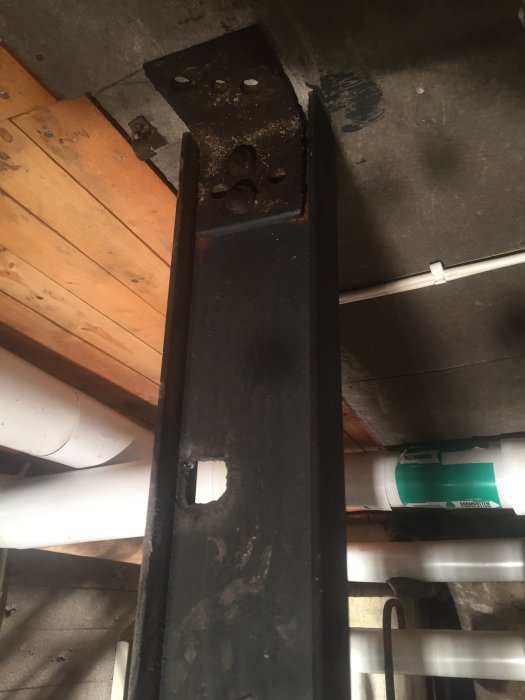
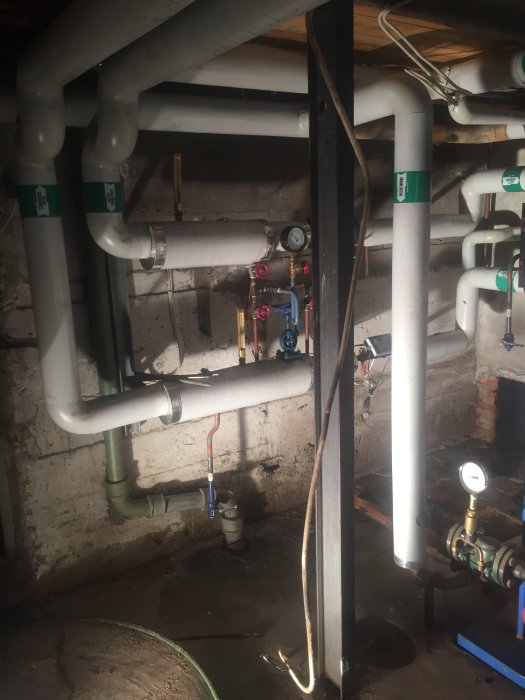
Can I remove this standing I-beam in the old boiler room?
My assumption is that it has acted as some kind of support for the old boiler and not as a load-bearing support for the building.
It stands about one meter from the nearest load-bearing wall - and doesn't appear to support any beam - it ends up against a cement board that only seems to have wood paneling above it.
So, is there anyone who recognizes this type of installation from boiler rooms and can confirm that it's okay to remove it?
The beam is cast into the floor but not attached above.
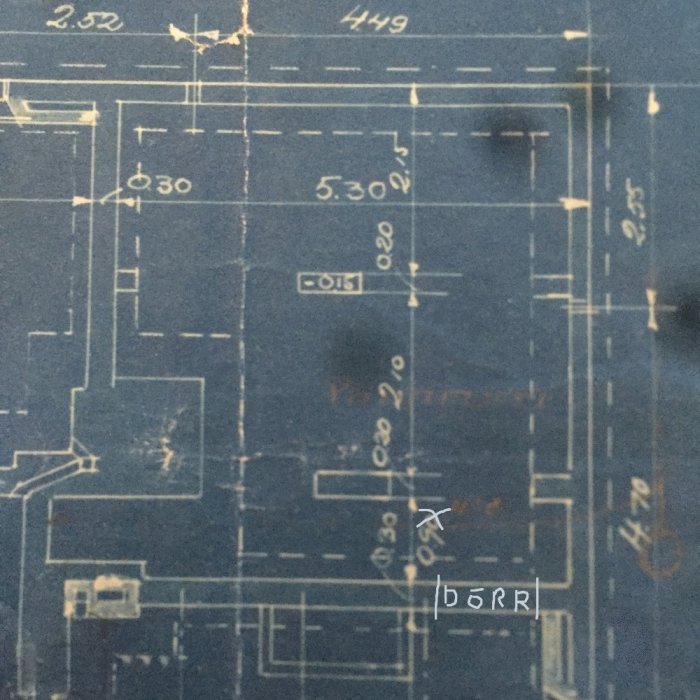
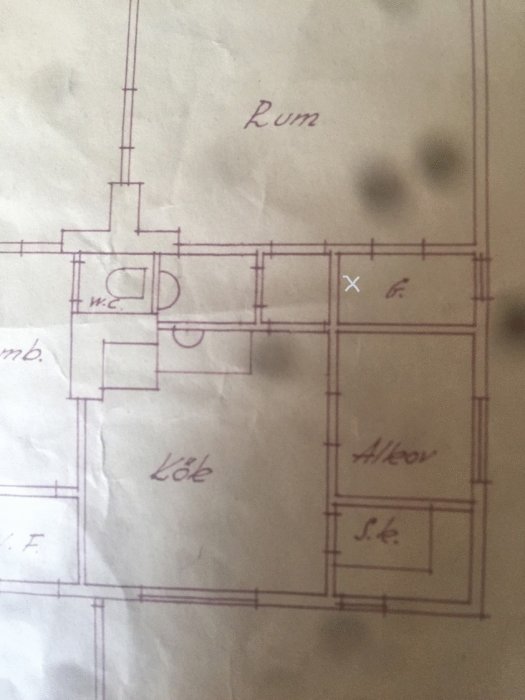
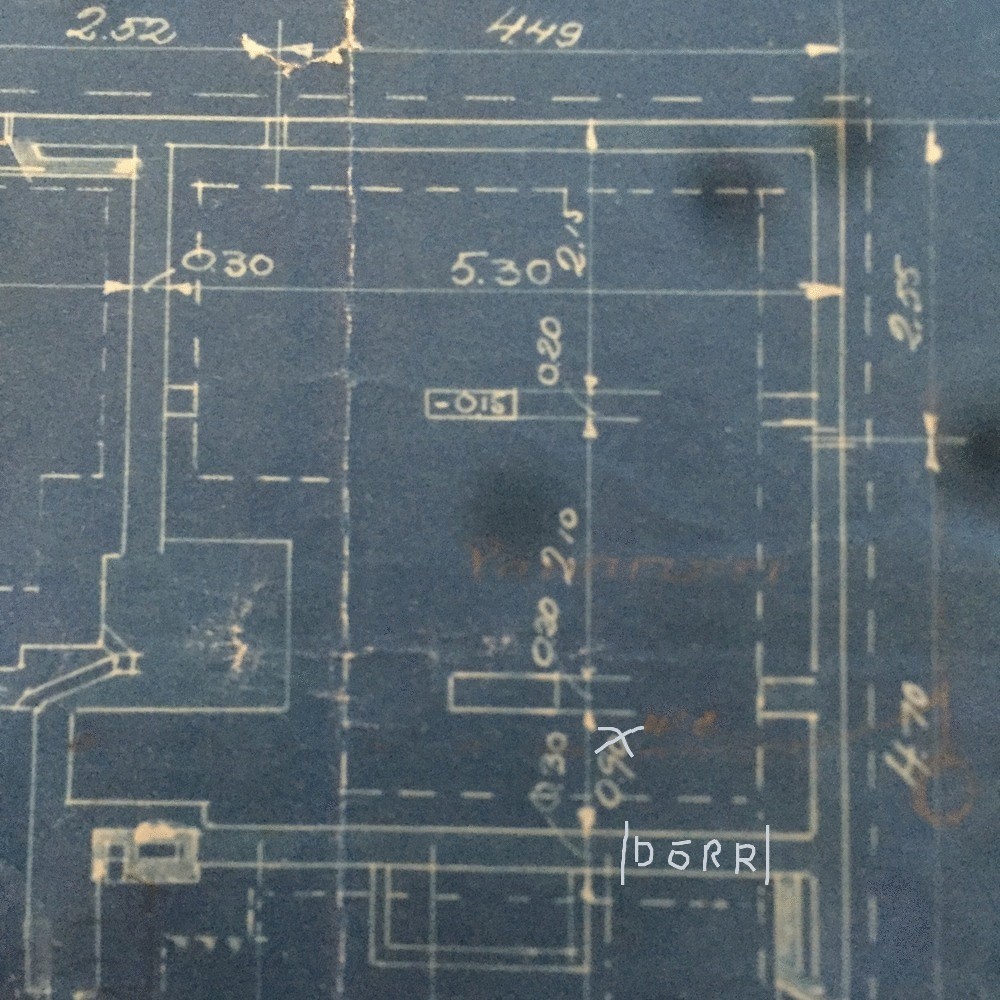
The old "blueprint" is the original drawing of the basement where I've scribbled on where the door leading into the boiler room is, plus a cross approximately where I think the beam stands.
The last image is the floor above - with a scribbled cross to indicate approximately where the beam should stand.
Given its location, I find it difficult to see any reasonable use for the steel column today. At the same time, your account of the building is too narrow and limited for one to be able to say this with certainty. Material in walls and floors in the basement and the floor above are important info, as is the year of construction.
The year of construction is -26, it is a timber-framed house with two floors plus an attic above the basement. Unfortunately, I do not know what the floor structure looks like.
Based on its location, I have a hard time seeing any sensible use for the steel pillar today. At the same time, your presentation of the building is too narrow and limited to say for sure. Materials in the walls and flooring in the basement and the floor above are important info as well as the year of construction.
What do you think the pillar was originally placed there for? As seen in the first picture, there is a hole in the upper part of the pillar that makes me think it was used for some kind of support or suspension of a heating system - is this something familiar from other houses?
What kind of boiler was it from the beginning?
Has it been a municipal school (or similar) from the beginning, it seems to have been something municipal when the boiler was replaced?
What kind of heating system was there originally?
Has it been a municipal school (or similar) from the beginning, seems like it might have been something municipal when the heating system was replaced?
Nothing public, just a smaller apartment building. I guess the boilers were coal (possibly wood before that), and then oil before it became district heating.
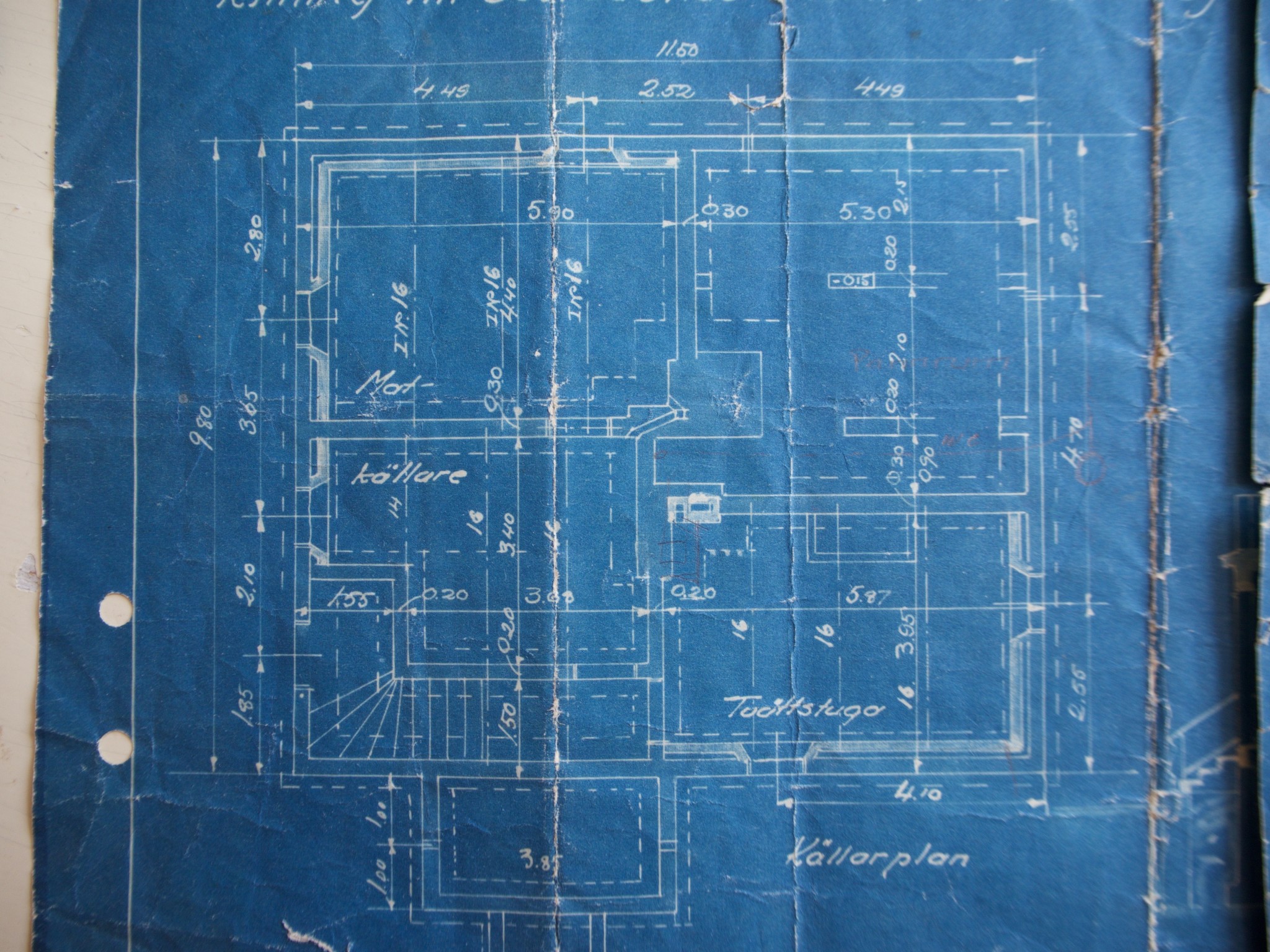
CORRECTION of the blue drawing. The cross for the column should be moved up about a centimeter. Then it will be under what looks like a wall that doesn't go all the way to the left and also has an opening to the right. I don't understand the drawing - IS it a wall on the drawing? There is no wall or trace of it there today. Or does it possibly represent a horizontal beam? There is a similar, parallel, slightly longer marking higher up on the drawing. And there is indeed a horizontal steel beam in the ceiling there. IF it represents a beam further down on the drawing, it is not there today - at least not at the same low height as the one higher up on the drawing.
If the house was built in '26, it probably has a plank frame and wooden joists. The basement walls are likely made of reinforced concrete. The span of the joists to the ground floor is probably large, so there might be steel beams hidden within the joists. I would have liked to see the entire basement level on the blueprints. There are some unusual elements that I cannot interpret. I am convinced that the steel column has no load-bearing function; otherwise, it would have been in place before the asbestos cement.
If the house was built in -26, it probably has a wooden framework and wooden flooring. The basement walls are surely made of reinforced concrete. The span for the flooring to the ground floor is likely large, so there may be steel beams hidden in the flooring. I would have liked to see the entire basement level on the blueprints. There are some odd elements there that I can't interpret. I am convinced that the steel pillar has no load-bearing function, otherwise, it would have been in place before the fiber cement.
The outer basement walls consist at least internally of brick under the plaster, while the inner walls are cast concrete. I'll take a picture of the whole blueprint and upload it; it would be exciting to hear what you can decipher!
It's nice to hear that you agree the pillar can't have a load-bearing function, then it can go!
If the house was built in '26, it probably has a timber frame and wooden floor structure. The basement walls are likely made of reinforced concrete. The span for the floor to the ground floor is likely large, so there may be steel beams hidden in the floor. I would have liked to see the entire basement floor plan on the blueprints. There are some odd elements that I can't interpret. I am convinced that the steel column does not have a load-bearing function; otherwise, it would have been in place before the asbestos cement.
Here Justus comes the drawing of the entire basement floor - will be interesting to hear what you see!
Check if there is any indication of other beams with holes or mounting possibilities or similar. In the good old days with coke, there was a hot water VVB hanging in beams in the ceiling, really heavy piece (close to 300 kg). It was usually removed when replacing boilers. It needs to be investigated.
Being able to see the entire drawing always aids interpretation. Some observations: The dashed lines likely indicate the foundations on which the basement walls stand. In the ceiling of all rooms in the basement except the boiler room, there are steel beams (INP 16, 160 mm high. Closest equivalent is HEA 140). These are marked with dotted-dashed lines. I see no explanation for why the floor above the boiler room lacks steel beams. The steel beams can either replace the reinforcement in cast floors or provide support for wooden beams. If the basement walls are built (not cast), it is likely concrete stone or concrete hollow stone. The width measurements do not align with brick.
Check if there is any indication of other beams with holes or mounting possibilities or similar, back in the good old days with coke there was a hot water VVB hanging in beams in the ceiling, a really heavy piece (close to 300 kg). It was usually removed when changing boilers. It's time to investigate
Unfortunately, you can't see anything more, that part of the ceiling is hidden under the asbestos tiles, but all you can glimpse underneath when you look at the edge - and in the part where the asbestos is missing - is tongue and groove wood ceiling.
No traces on the floor - but some are hidden under the district heating system.
Oh - the heaters hung from the ceiling - that's interesting!
Vi vill skicka notiser för ämnen du bevakar och händelser som berör dig.






Demmpa said: