
10,206 views ·
4 replies
10k views
4 replies
Building an interior wall against chimney, what should one consider?
Hello!
In about 1.5 weeks, we will get access to our new house. Contrary to the current trend, we are actually going to build instead of demolishing an inner wall. This is a wall that was part of the original floor plan and will add an extra bedroom behind the open fireplace.
We intend to build a standard inner wall according to all the rules, with wooden studs, insulation, plywood, and plasterboard on top.
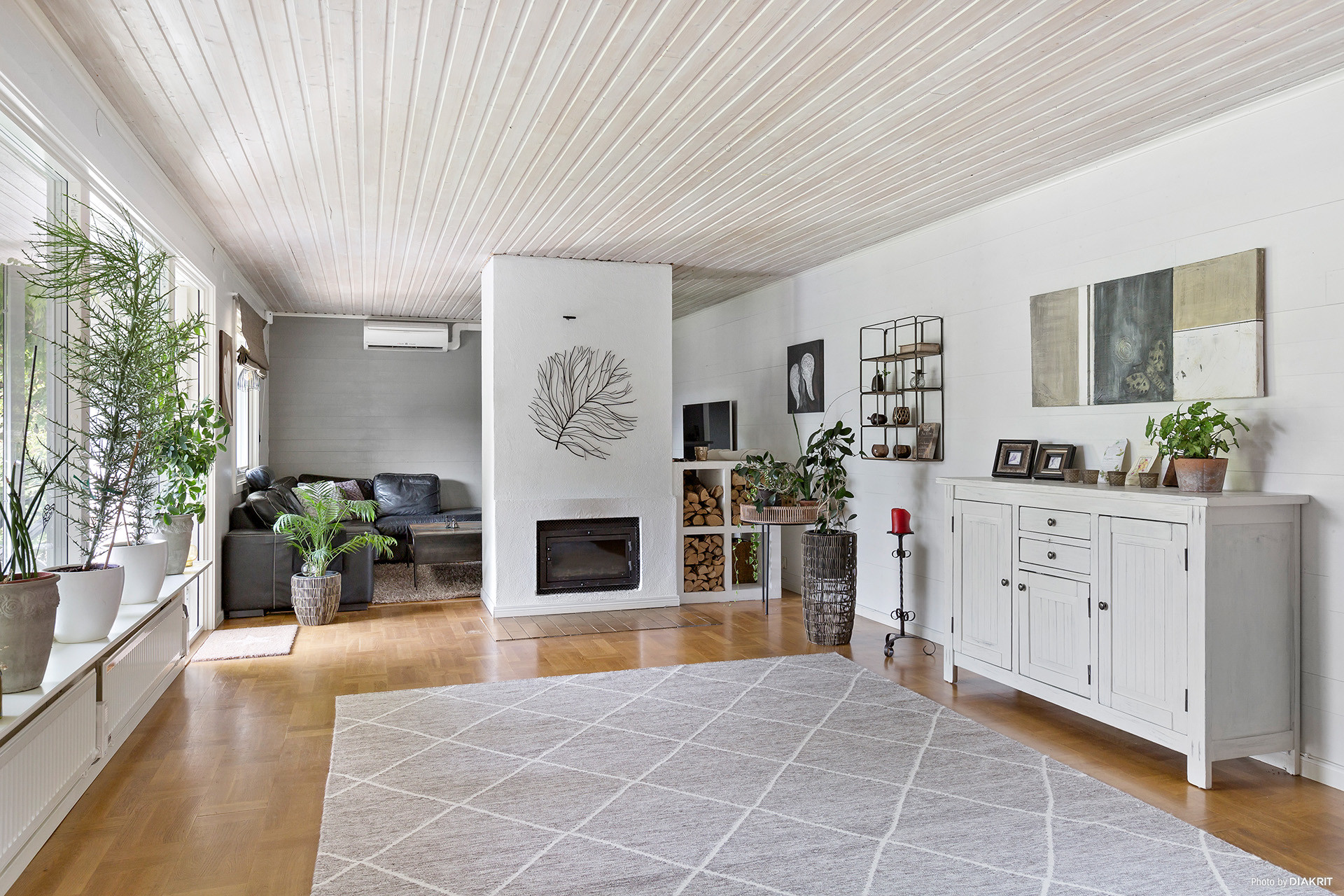
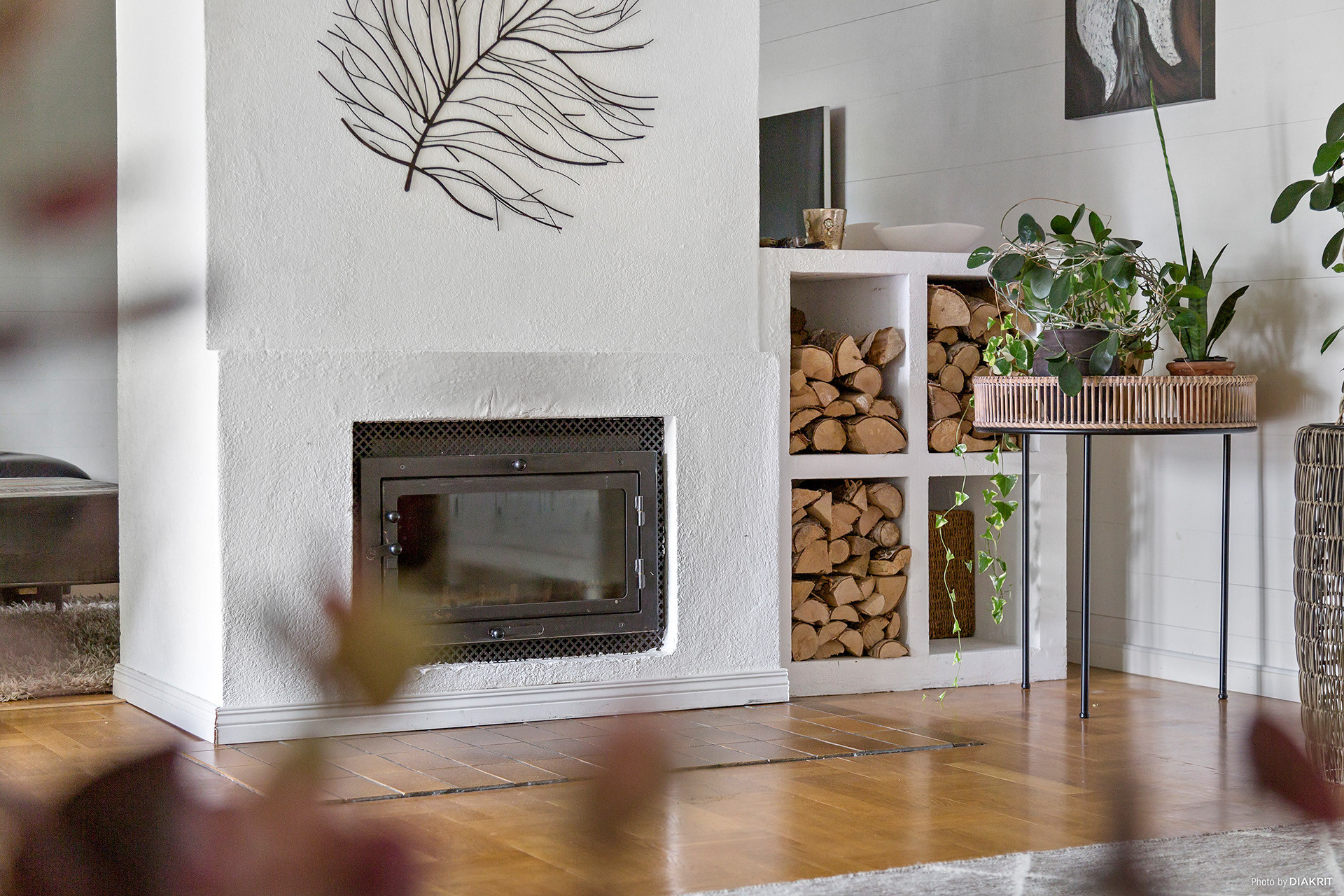
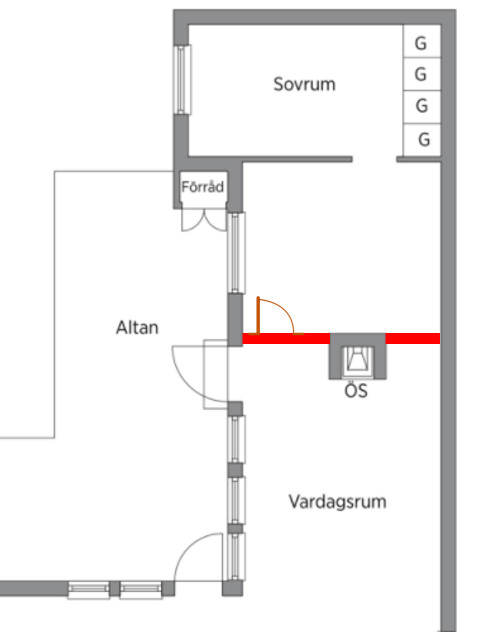
The sides will be right against the side of the chimney breast. See the attached pictures of how it looks now and a simple sketch of how I plan to build the wall.
Is there anything special I should consider since it's an open fireplace and therefore possibly a heat factor to account for?
I have no idea yet how hot the chimney breast gets if you really fire up the fireplace. But according to the inspector, it gets at most "lukewarm" since the chimney breast is quite wide and deep.
Thanks in advance!
In about 1.5 weeks, we will get access to our new house. Contrary to the current trend, we are actually going to build instead of demolishing an inner wall. This is a wall that was part of the original floor plan and will add an extra bedroom behind the open fireplace.
We intend to build a standard inner wall according to all the rules, with wooden studs, insulation, plywood, and plasterboard on top.
The sides will be right against the side of the chimney breast. See the attached pictures of how it looks now and a simple sketch of how I plan to build the wall.
Is there anything special I should consider since it's an open fireplace and therefore possibly a heat factor to account for?
I have no idea yet how hot the chimney breast gets if you really fire up the fireplace. But according to the inspector, it gets at most "lukewarm" since the chimney breast is quite wide and deep.
Thanks in advance!

Mats-S
Construction veteran
· Sollentuna
· 3 327 posts
Mats-S
Construction veteran
- Sollentuna
- 3,327 posts
Hello,F fredrik0514 said:
It should work with wooden studs, but do not place the last stud directly against the chimney. Leave at least 5 cm of space there. Finish with insulation (mineral wool "green") against the chimney. The plywood should not touch the chimney; leave about 1-2 cm of free air/insulation. The same goes for the bottom/top studs. Plasterboard is an inert material, so you can connect it to the chimney.
If you want to be overly meticulous and lazy, use metal studs instead of wooden ones, then you are surely on the safe side of the margins. It is actually easier to construct walls with metal studs because they never twist ("corkscrew") and are always straight. And since you have plywood in the wall, you always have something to attach to anyway

Thanks for the very good tips!!!Hello,
It should work with wooden studs, but don't place the last stud right against the chimney. Leave at least a 5 cm gap there. Finish with insulation (mineral wool "green") against the chimney. The plywood should not touch the chimney; leave it about 1-2 cm of free air/insulation. The same goes for the bottom/top stud. The drywall is an inert material, so you can connect it to the chimney.
If you want to be overzealous and lazy, you can use metal studs instead of wooden ones, then you're definitely on the safe side of the margins. It's actually easier to build the walls with metal studs because they never twist ("corkscrew") and are always straight. And since you have plywood in the wall, you always have something to attach to anyway
Mats-S
Construction veteran
· Sollentuna
· 3 327 posts
Mats-S
Construction veteran
- Sollentuna
- 3,327 posts

Click here to reply
Similar threads
-
Varför har man byggt en innervägg i källaren mot gråstensmuren?
Byggnadsvård -
Bygga inneväggar - vertikal regel mot bottenregel -> passning av ytor
Utbyggnad och tillbyggnad -
How to build an interior wall in a basement split-level house 1967
Building Materials and Construction Technology -
Building an interior wall against an exterior wall
Building Materials and Construction Technology -
Building an interior wall against damp concrete?
Building Materials and Construction Technology