
1,261 views ·
6 replies
1k views
6 replies
New year, new house - load-bearing wall? Siporex house from 1945

Hello!
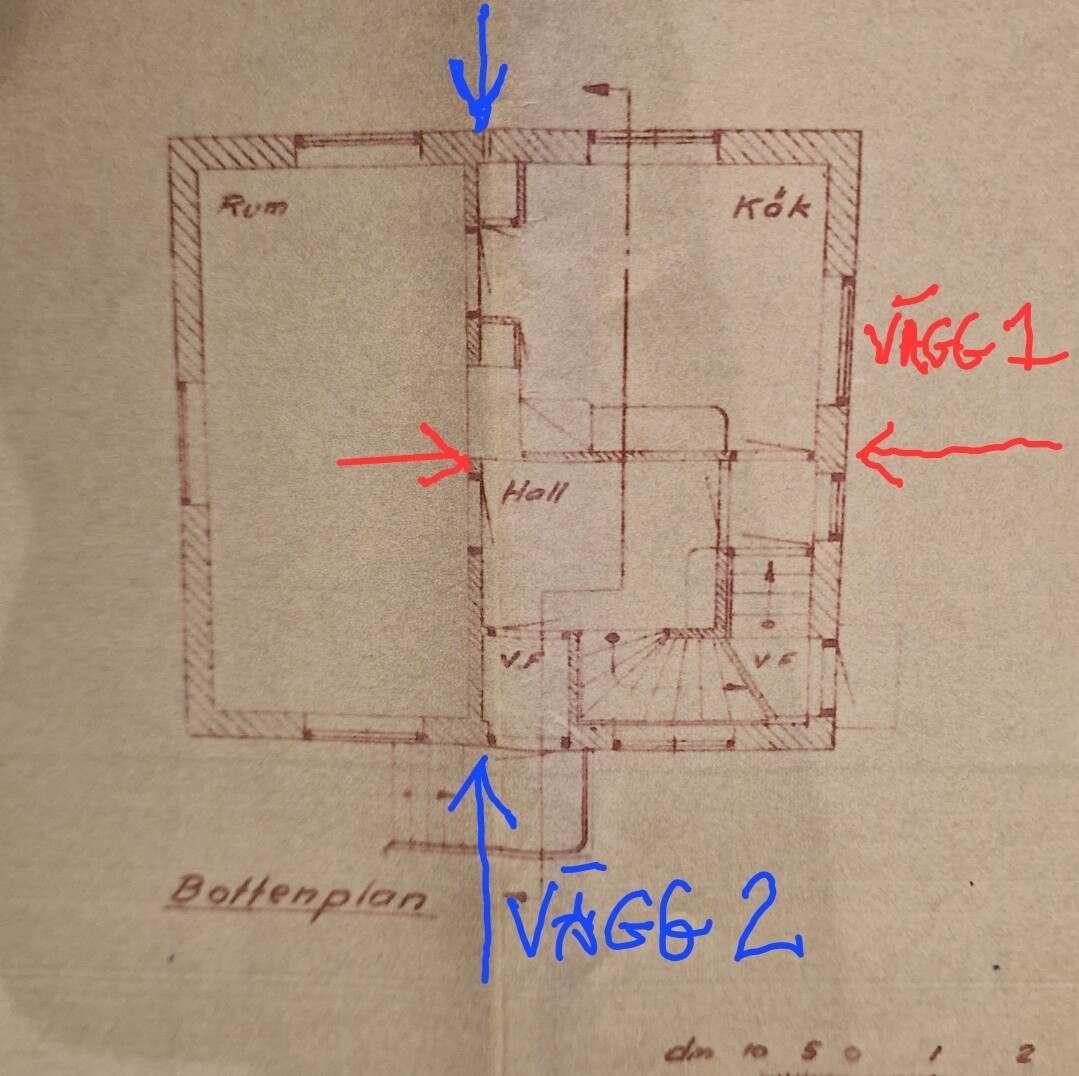
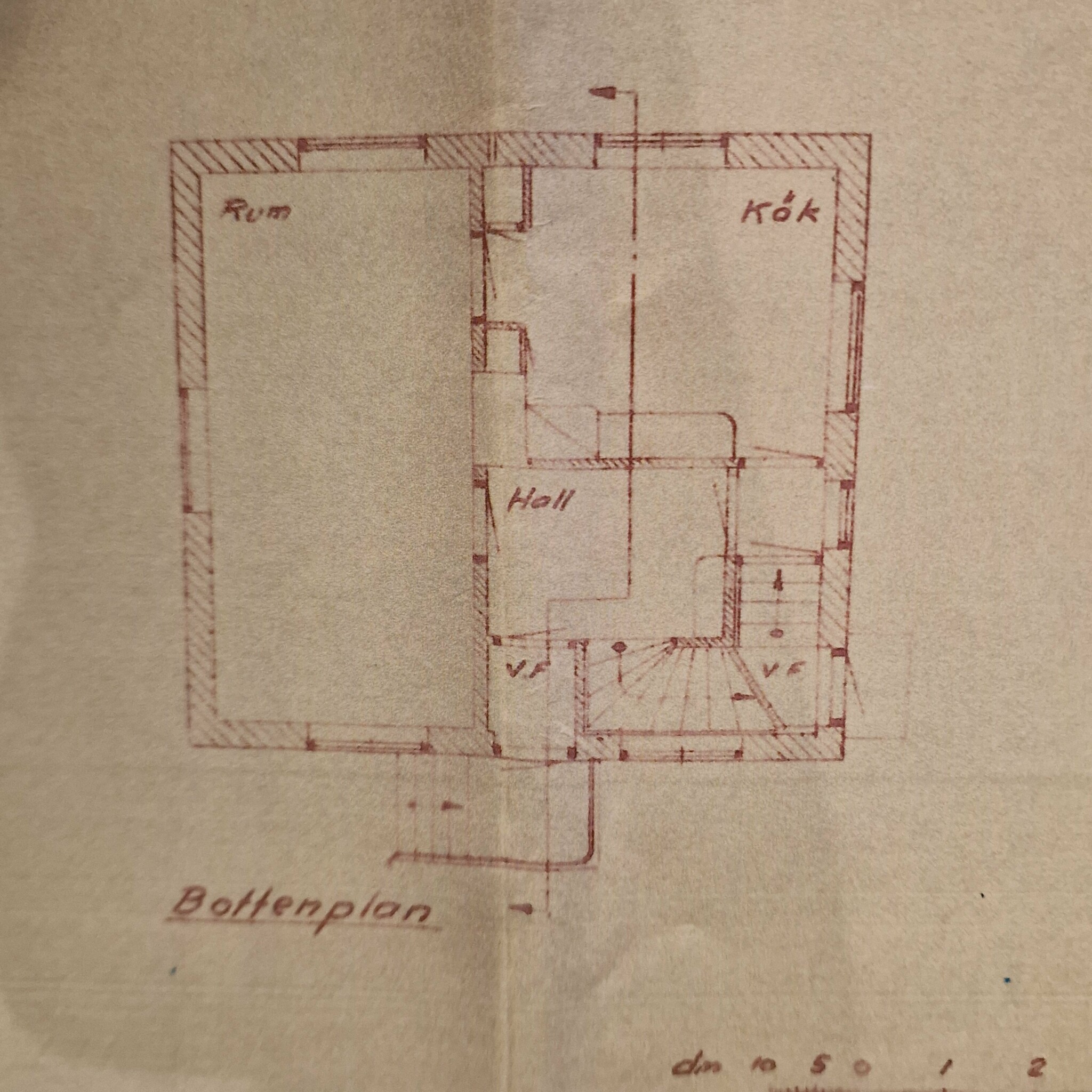
I wonder if wall 1 and/or wall 2 (see picture) on the ground floor are likely to be load-bearing. Is there anyone here who can determine that?
Both interior walls are constructed of siporex. One is 10 cm thick and the other 15. Exterior walls; siporex. Floor structure; wood.
I have read articles and threads about load-bearing walls here on byggahus but I don’t think I find anything similar to my house.
- A structural engineer will be contacted before any potential demolition of any wall, and any necessary building permits will be applied for, but it would be nice to have an idea of the situation beforehand and be able to estimate.
The hope is that I will be able to remove the wall between the inner hall and the kitchen, and possibly make larger openings to the long room.
Grateful for any info I can get!
I wonder if wall 1 and/or wall 2 (see picture) on the ground floor are likely to be load-bearing. Is there anyone here who can determine that?
Both interior walls are constructed of siporex. One is 10 cm thick and the other 15. Exterior walls; siporex. Floor structure; wood.
I have read articles and threads about load-bearing walls here on byggahus but I don’t think I find anything similar to my house.
- A structural engineer will be contacted before any potential demolition of any wall, and any necessary building permits will be applied for, but it would be nice to have an idea of the situation beforehand and be able to estimate.
The hope is that I will be able to remove the wall between the inner hall and the kitchen, and possibly make larger openings to the long room.
Grateful for any info I can get!
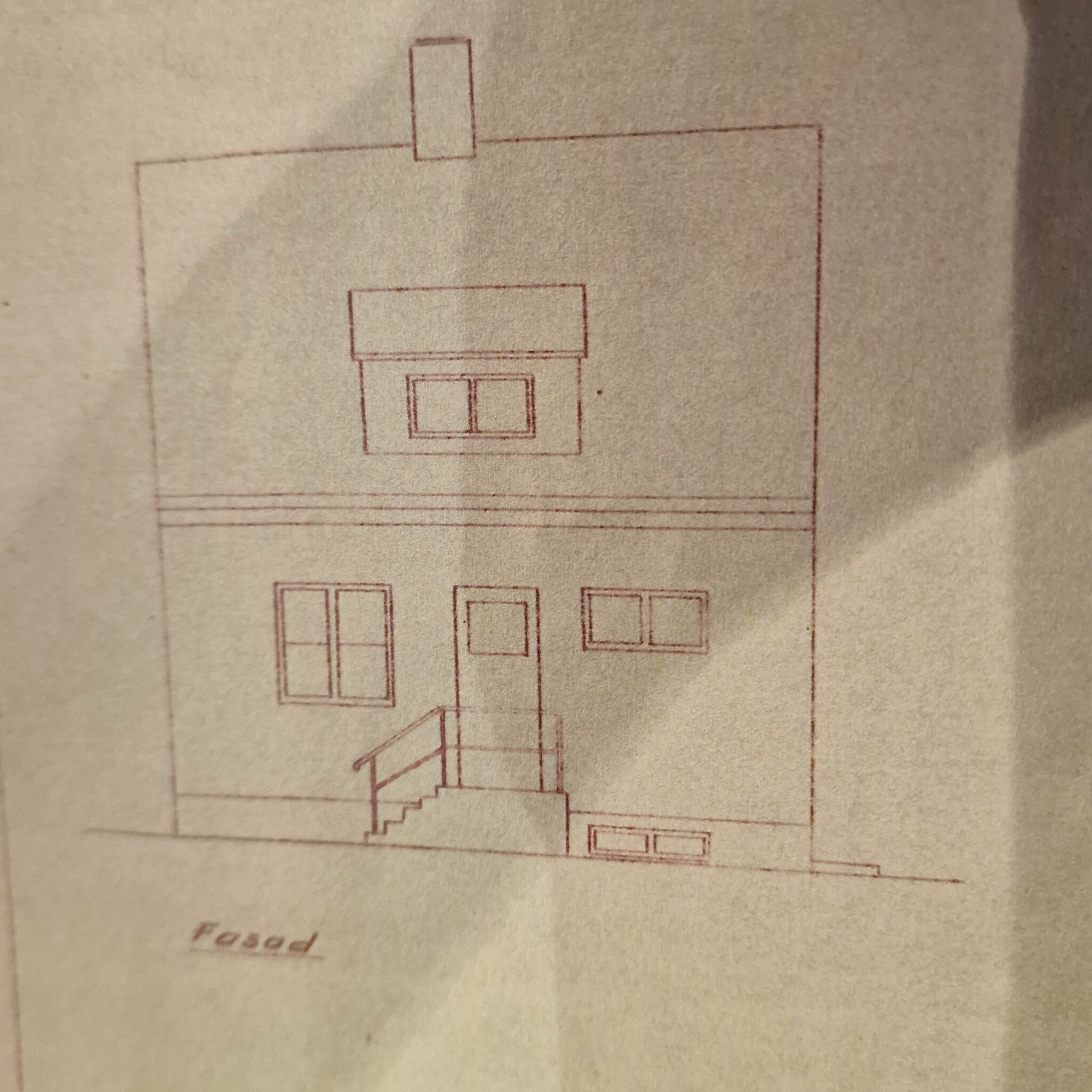
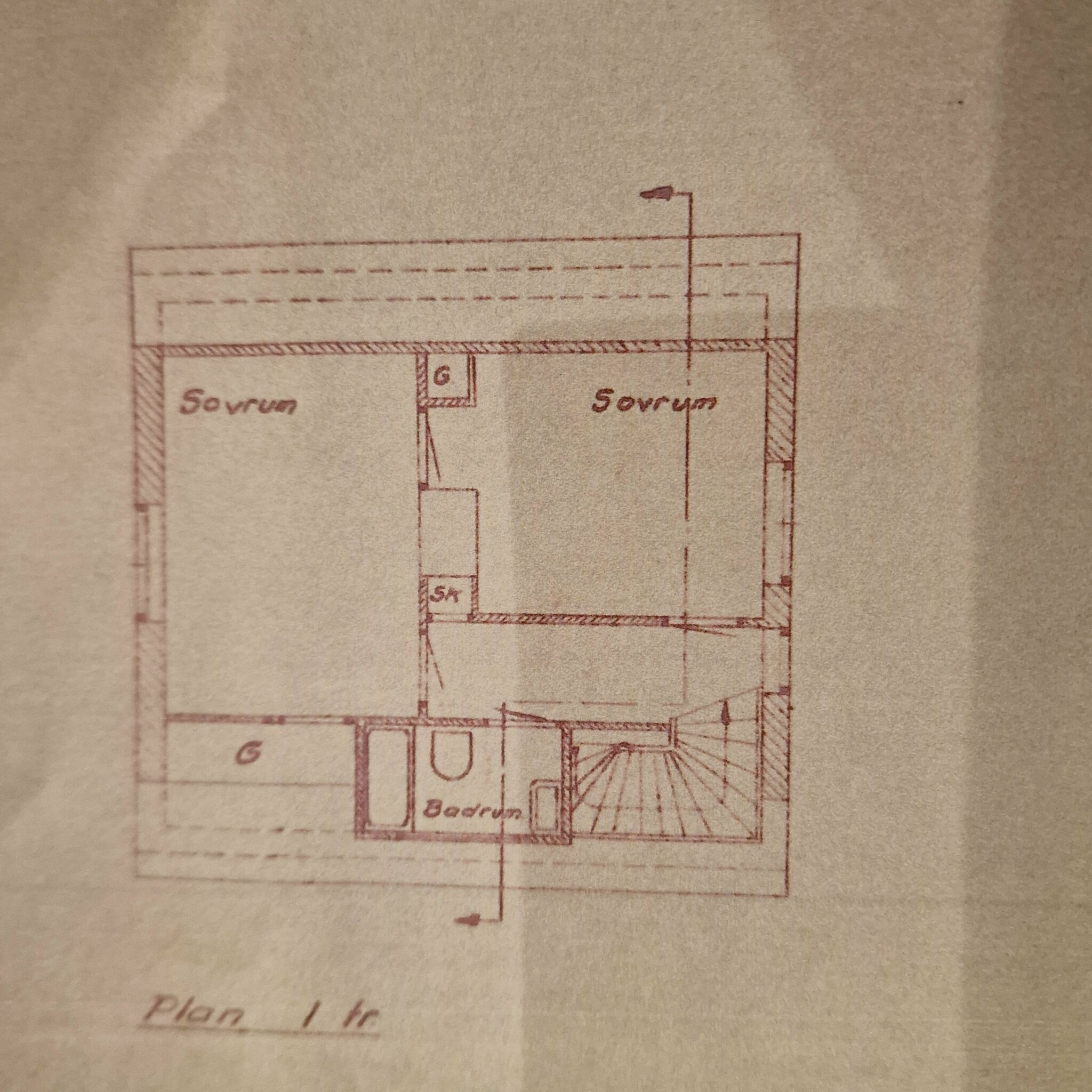
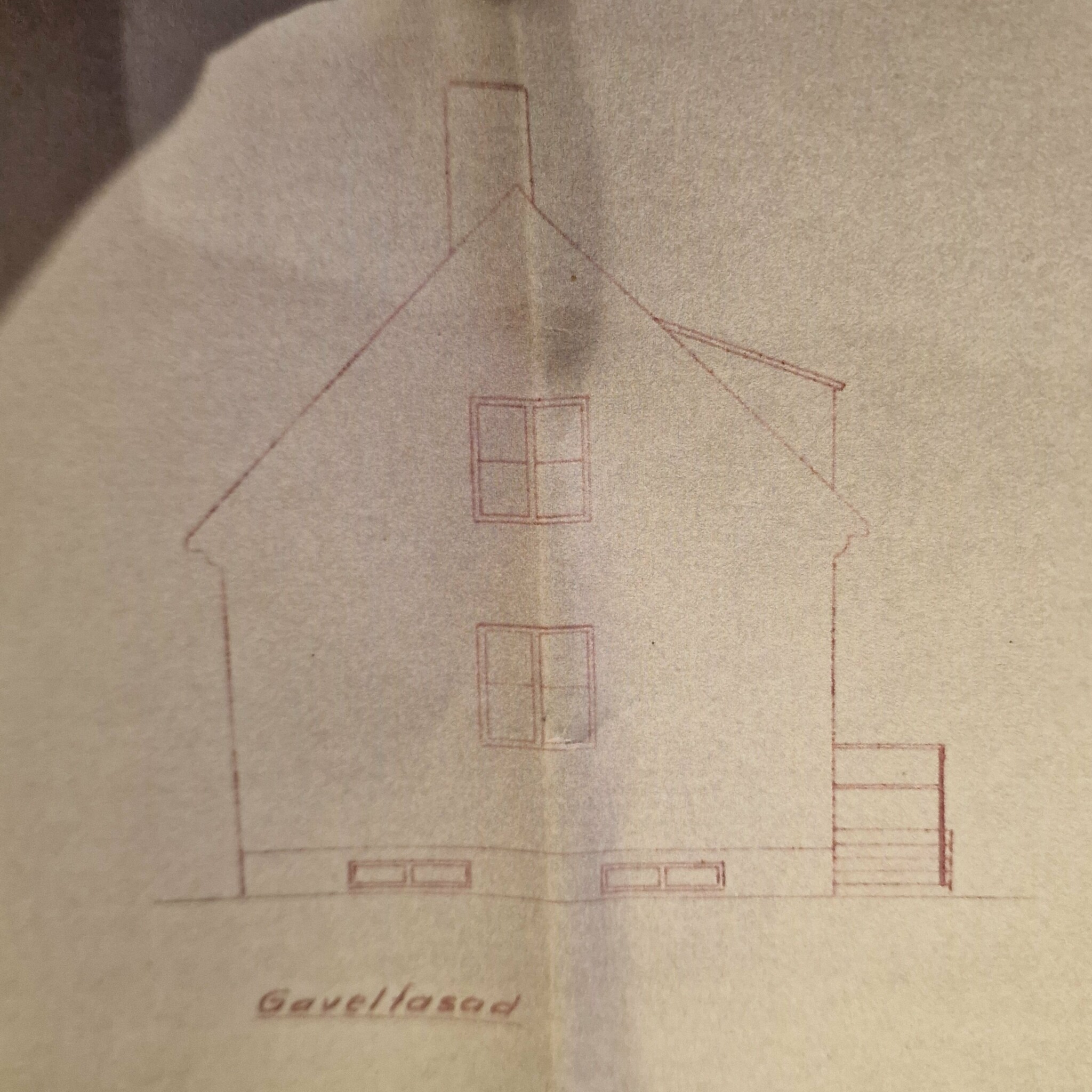

How fun to see and read! My house in Siporex has a building description with almost exactly the same descriptions and formulations. My load-bearing walls in Siporex (built in 51) are 30 cm in exterior walls and 20 cm in interior walls. The non-load-bearing walls are only 10 cm. Now, perhaps you can't rely on wall thickness to determine if they are load-bearing or not, but it should give some guidance.
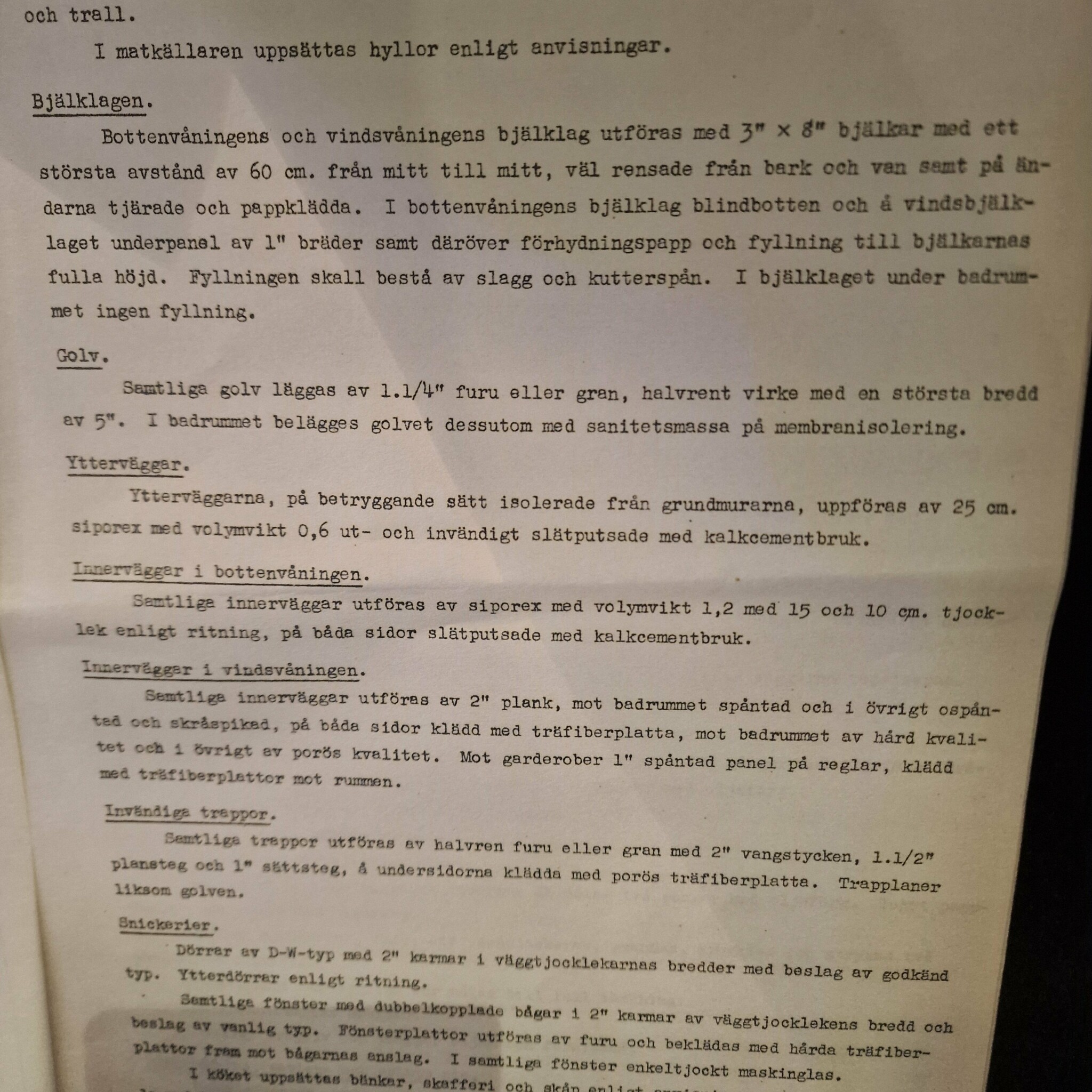
Thanks for asking!! - Sure, I do. I just didn't realize it could be of interest. I'm attaching more pictures of the description here. Give a shout if it can't be read properly in the images.1 16386 said:
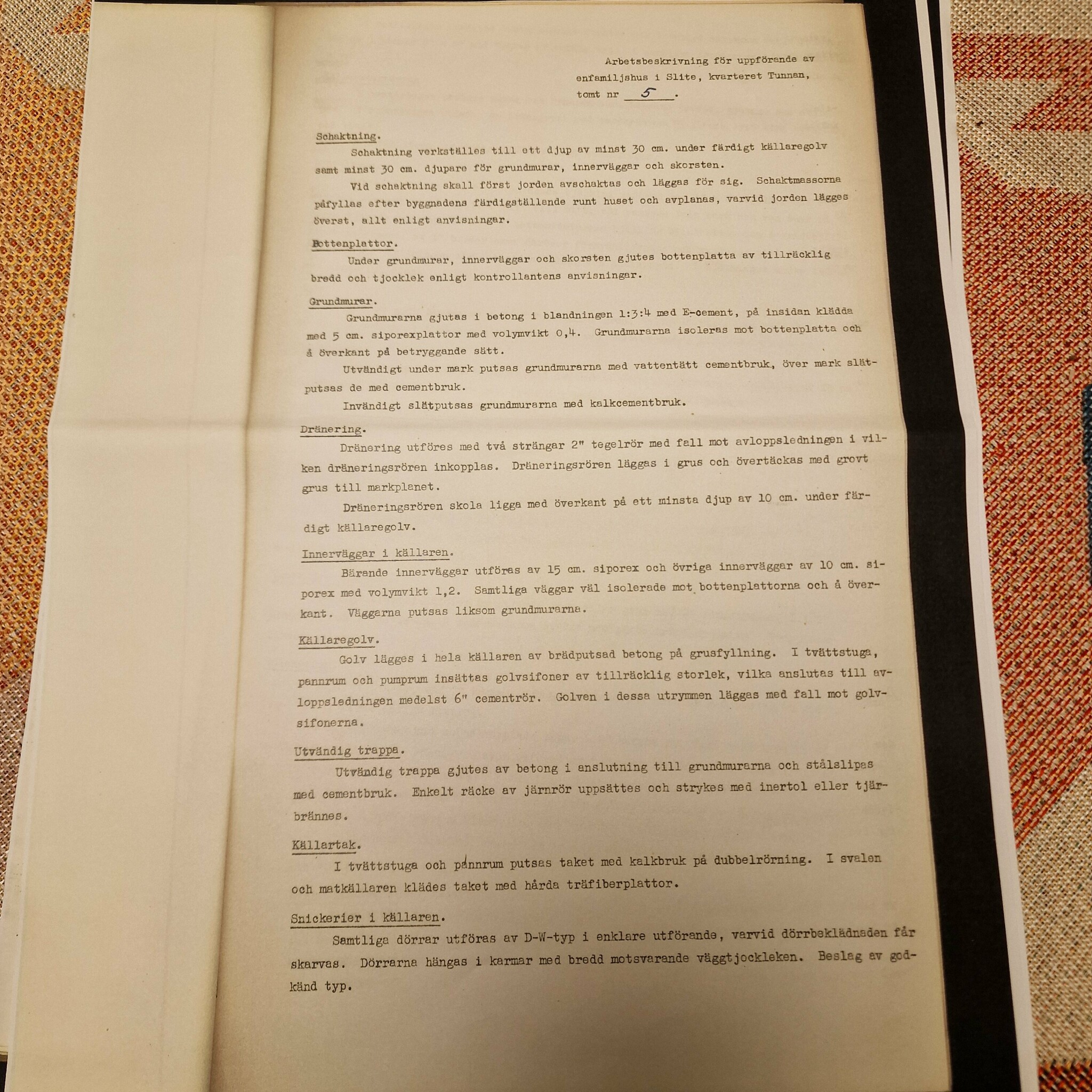
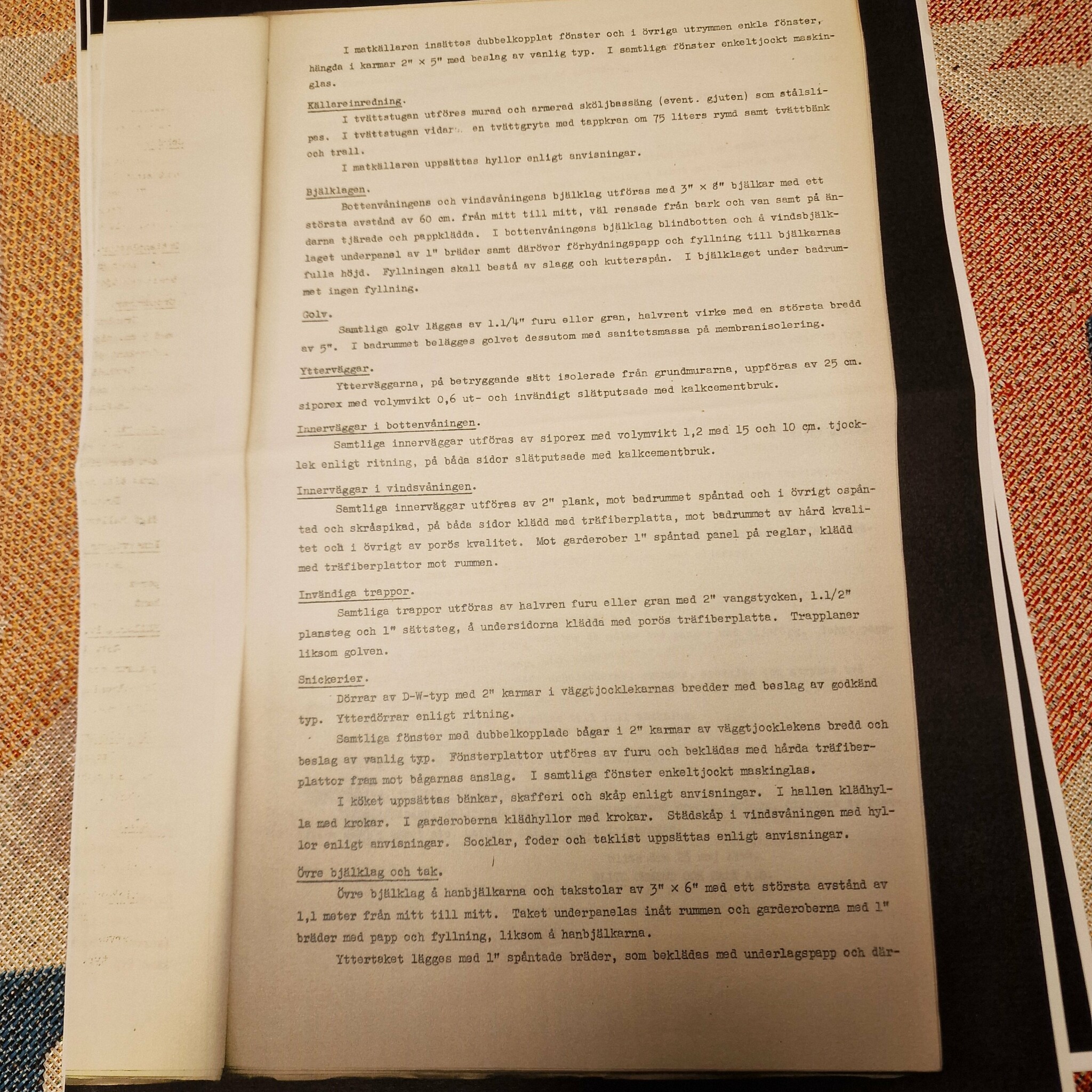
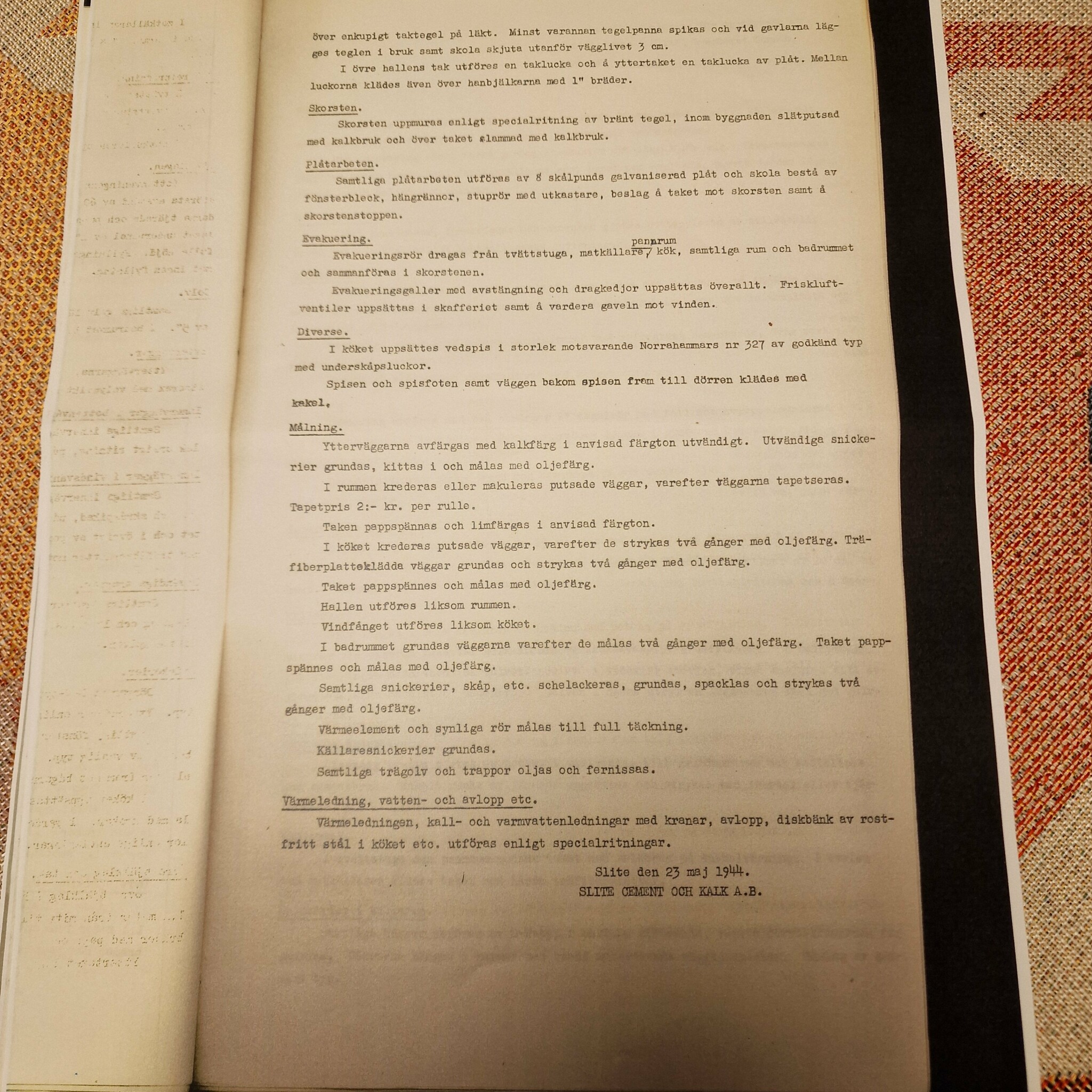
Interesting! Thanks for the response! - My exterior walls are 25 cm siporex. (See additional pictures of the description I've attached in the thread now.) I see on your profile that you are further north (Jämtland) than I am (Gotland). That might have had an impact on wall thickness, or maybe my exterior walls are a frugal wartime variant 😅.L lob said:How fun to see and read! My house in Siporex has a construction description with almost exactly the same descriptions and formulations. My load-bearing walls in Siporex (built in '51) are 30 cm in exterior walls and 20 cm in interior walls. The non-load-bearing walls are only 10 cm. Now, maybe you can't rely on the thickness of the walls to determine if they are load-bearing or not, but it should provide some guidance.
Best answer
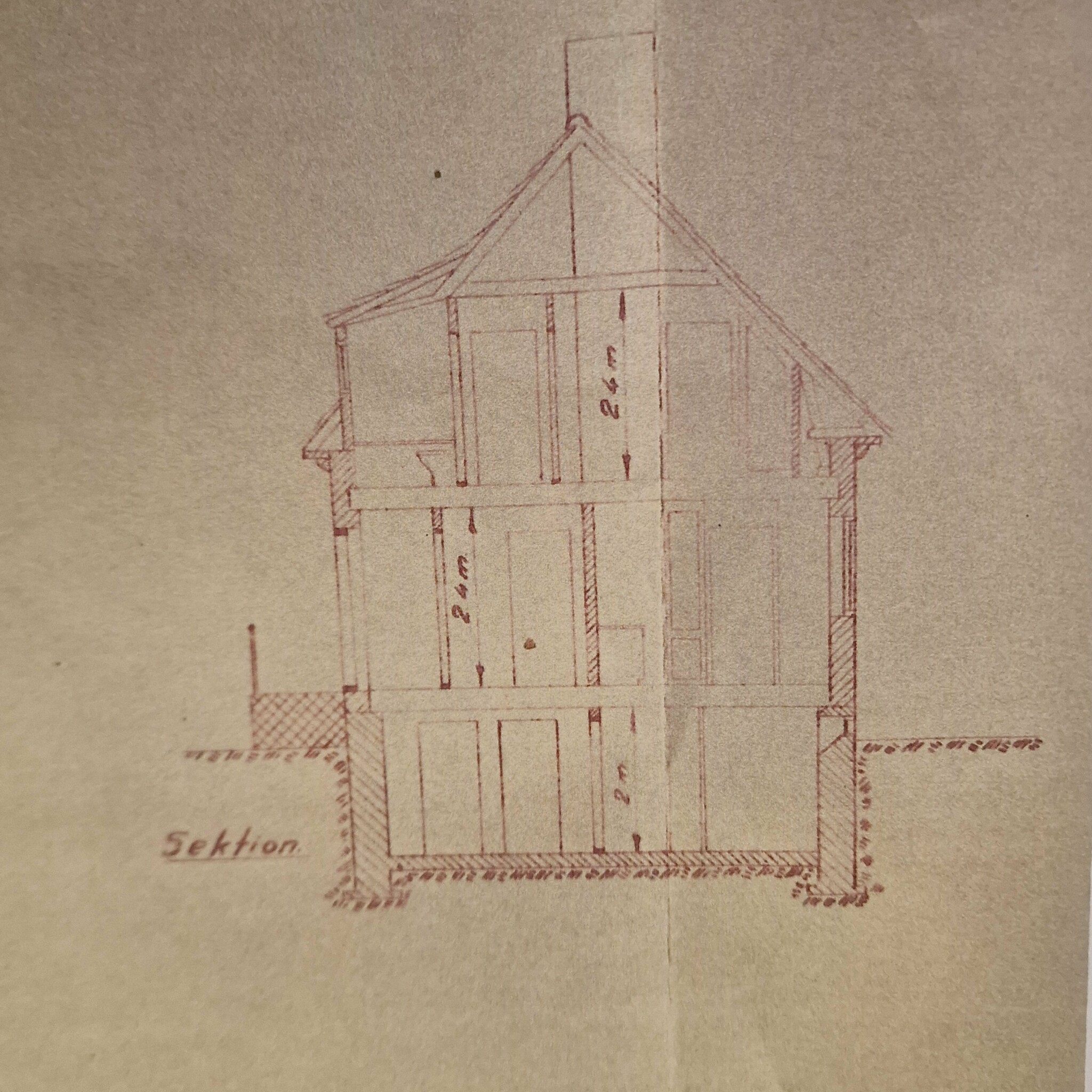
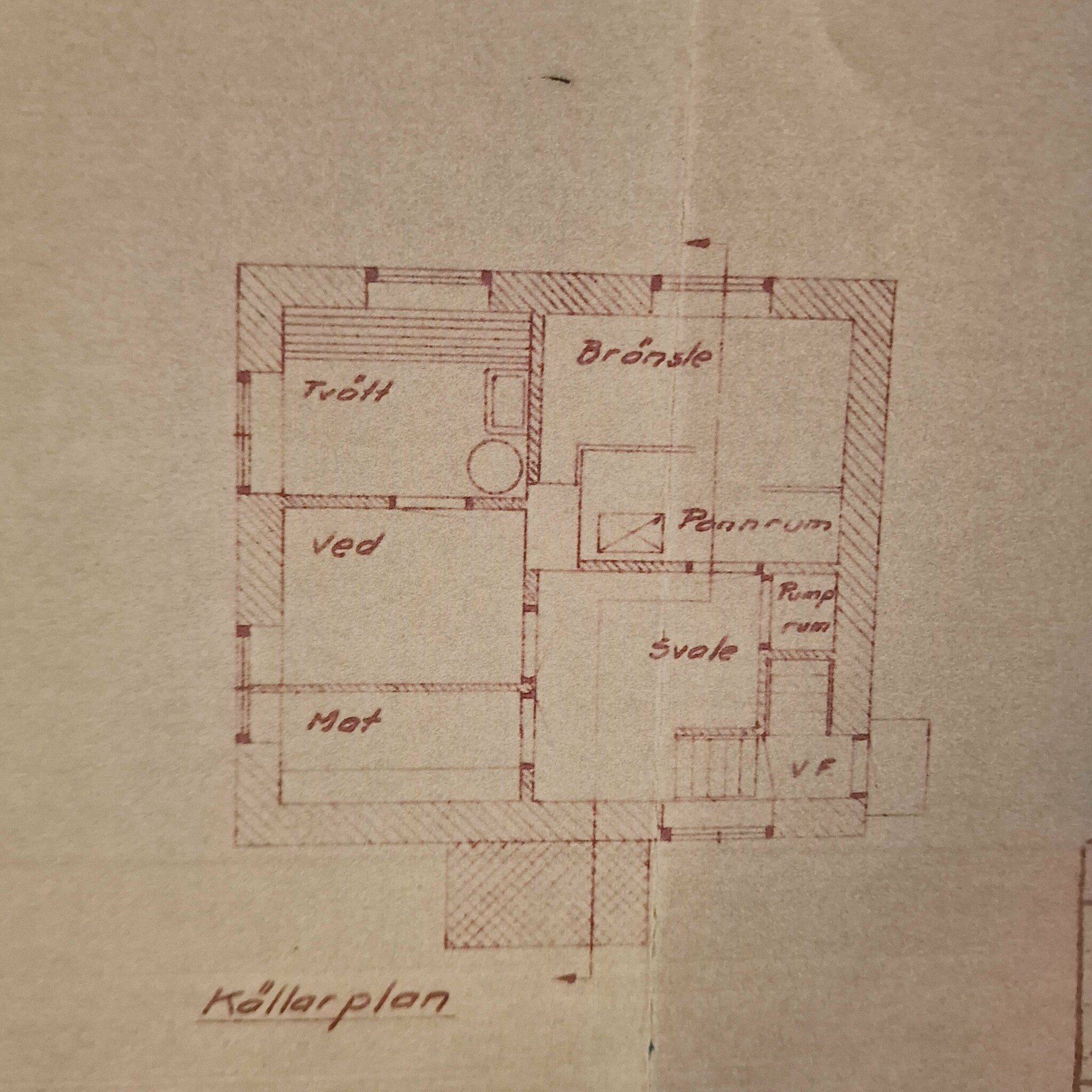
The description of the basement states that load-bearing interior walls are 15 cm thick, while the others are 10 cm. Since the interior walls on the ground floor have the same dimensions, it is reasonable to believe that the 15 cm one (wall 2) is load-bearing. On the other hand, the description could have mentioned this if the same was true for the ground floor. However, I still believe that wall 2 is load-bearing because I find it hard to see what else would support the flooring.
Thank you very much! Well observed. That sounds like a very reasonable theory. I completely missed that the information was in the basement section.1 16386 said:In the description of the basement, it states that load-bearing interior walls are 15 cm thick, while others are 10 cm. Since the interior walls on the ground floor have the same dimensions, it is reasonable to believe that the 15 cm wall (wall 2) is load-bearing. On the other hand, the description could have mentioned it if the same was true for the ground floor. However, I still think that wall 2 is load-bearing because I find it hard to see what else would support the flooring.
Click here to reply
Similar threads
-
Nytt trägolv, såpskurat så det drar åt grått?
Golv -
Var hitta nytt handtag och hur byta?
Fönster & Dörrar -
New window section. How on earth do I vapor seal this?
Building Materials and Construction Technology -
Nytt rör i rör samt duschblandare. Endast ljummet vatten på varmaste?
Vatten & Avlopp -
Pex-dimensionering av nytt vattenburet värmesystem
Värme allmänt